Transforming Database Query Performance with SSD and NVMe Cloud Storage
August 19, 2026
Maximizing Cloud Database Performance with Connection Pooling & Query Optimization
August 20, 2026
The Complete Guide to Cloud Auto-Scaling Architecture for Variable Workloads
In today’s fast-paced digital landscape, businesses are increasingly turning to cloud solutions to manage their variable workloads efficiently. As an enterprise cloud provider, MarQi Cloud understands the critical need for robust cloud auto-scaling architectures that seamlessly adjust resources based on demand. This comprehensive guide will explore the intricacies of cloud auto-scaling, its benefits, challenges, and best practices, ensuring that your organization can leverage this technology for optimal performance and cost-effectiveness.
What is Cloud Auto-Scaling?
Cloud auto-scaling refers to the ability of a cloud infrastructure to automatically adjust its computational resources based on the workload at any given time. This functionality allows organizations to maintain optimal performance while minimizing costs by only using the necessary resources. For instance, during peak usage times, additional server instances may be spun up to handle increased traffic, while during off-peak times, resources can be scaled down to avoid unnecessary expenses.
Benefits of Cloud Auto-Scaling
Implementing a cloud auto-scaling architecture offers numerous advantages:
- Cost Efficiency: By automatically scaling resources up or down, organizations can save significantly on cloud costs. This is especially beneficial for businesses with fluctuating workloads.
- Improved Performance: Auto-scaling ensures that applications remain responsive even during traffic spikes, providing a better user experience.
- Enhanced Reliability: With auto-scaling, businesses can ensure that their applications are resilient to changes in demand, reducing the risk of downtime.
- Flexibility: Organizations can adapt quickly to market changes and customer demands without the need for manual intervention.
How Cloud Auto-Scaling Works
Cloud auto-scaling typically operates through the following mechanisms:
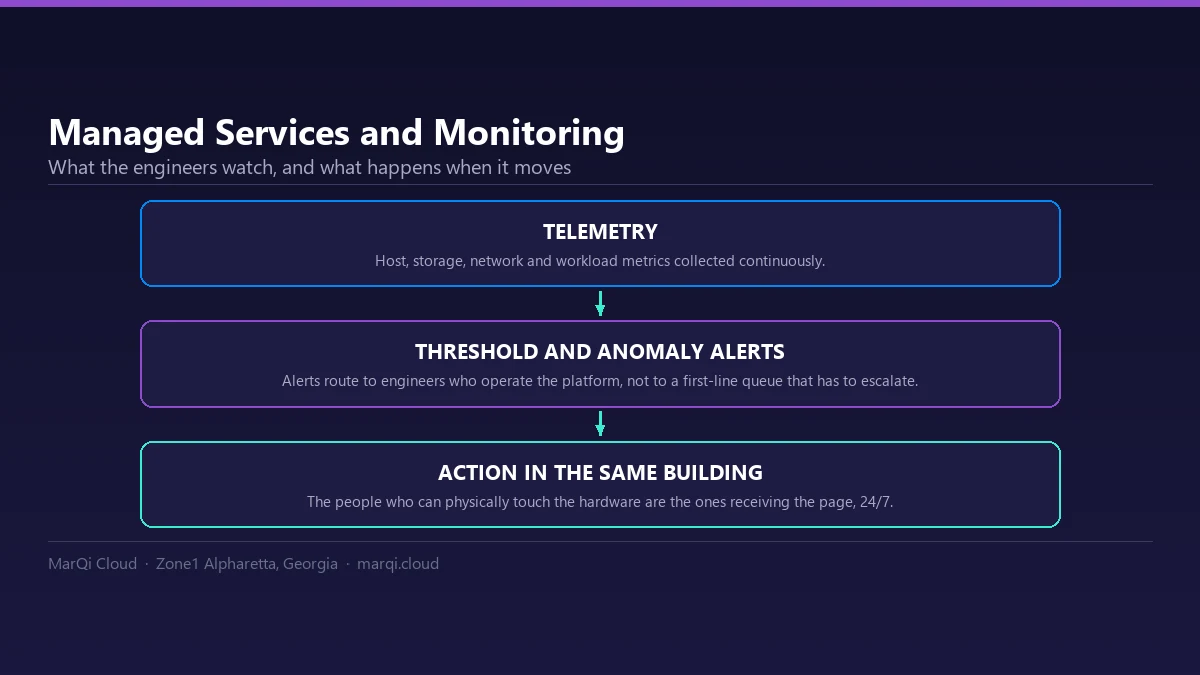
- Monitoring: Cloud providers continuously monitor metrics such as CPU utilization, memory usage, and network traffic to determine when to scale resources.
- Scaling Policies: Organizations define scaling policies that dictate when and how to scale resources. For instance, a policy may specify to add an instance when CPU usage exceeds 70% for a sustained period.
- Resource Provisioning: When a scaling action is triggered, the cloud provider automatically provisions or decommissions resources based on the defined policies.
Types of Cloud Auto-Scaling
There are primarily two types of auto-scaling: vertical scaling and horizontal scaling.
Vertical Scaling
Vertical scaling, also known as scaling up, involves adding resources such as CPU or RAM to an existing instance. This type of scaling is often limited by the maximum capacity of the server.
Horizontal Scaling
Horizontal scaling, or scaling out, involves adding more instances to distribute the load. This is the preferred method for cloud environments, as it allows for greater flexibility and redundancy.
| Scaling Type | Advantages | Disadvantages |
|---|---|---|
| Vertical Scaling | Simple to implement, no changes to application architecture needed | Limited by server capacity, potential downtime during scaling |
| Horizontal Scaling | Highly scalable, improved fault tolerance, no single point of failure | More complex architecture, requires load balancing |
Best Practices for Auto-Scaling
To effectively implement cloud auto-scaling, consider the following best practices:
- Define Clear Metrics: Establish clear metrics for scaling decisions, such as response time, CPU utilization, and memory usage.
- Implement Load Testing: Conduct load testing to understand how your application behaves under various conditions and adjust your scaling policies accordingly.
- Utilize Predictive Scaling: Leverage machine learning algorithms to predict traffic patterns and preemptively scale resources before demand spikes.
- Regularly Review Scaling Policies: Regularly review and update scaling policies to adapt to changing workloads and application requirements.
Common Challenges and How to Overcome Them
While cloud auto-scaling offers many benefits, organizations may face several challenges:
Complex Configuration
Configuring auto-scaling can be complex, especially for applications with multiple components. To overcome this, invest time in designing a clear architecture and utilize tools provided by your cloud provider.
Monitoring and Optimization
Continuous monitoring is essential for effective auto-scaling. Use cloud monitoring tools to track performance and optimize scaling policies over time.
Cost Management
While auto-scaling can reduce costs, improper configuration can lead to unexpected charges. Regularly audit your auto-scaling setup to ensure it aligns with your budget.
Example Scenarios of Auto-Scaling
The scenarios below are illustrative examples of how organizations typically apply these practices; they do not describe specific MarQi Cloud customers or measured results.
Example Scenario 1: E-Commerce Platform
An e-commerce platform experienced significant traffic spikes during holiday sales. By implementing cloud auto-scaling, they were able to manage traffic surges without downtime, resulting in an increase in sales during peak periods.
Example Scenario 2: SaaS Provider
A SaaS provider utilized auto-scaling to accommodate varying user demands. This led to a reduction in operational costs while maintaining a consistent user experience.
FAQ
What is auto-scaling in cloud computing?
Auto-scaling is a cloud computing feature that automatically adjusts the amount of computational resources based on the current workload.
How does auto-scaling improve performance?
By dynamically adjusting resources, auto-scaling ensures that applications remain responsive during traffic spikes, thereby enhancing user experience.
What metrics are typically used for auto-scaling?
Common metrics include CPU utilization, memory usage, network traffic, and application response times.
Can auto-scaling save costs?
Yes, auto-scaling can save costs by ensuring that you only pay for the resources you need during varying workloads.
Is vertical scaling better than horizontal scaling?
It depends on the application. Vertical scaling is simpler but limited, while horizontal scaling offers more flexibility and fault tolerance.
How often should I review my auto-scaling policies?
It’s recommended to review auto-scaling policies regularly, especially after significant changes in application architecture or workload patterns.
What are the challenges of implementing auto-scaling?
Challenges include complex configuration, the need for continuous monitoring, and potential cost overruns if not managed carefully.
How can I optimize my auto-scaling configuration?
Optimize your configuration by conducting load testing, utilizing predictive scaling, and regularly reviewing metrics and policies.
Conclusion
Cloud auto-scaling is a transformative feature that enables organizations to efficiently manage variable workloads while optimizing performance and costs. By understanding the key components of auto-scaling architecture and following best practices, your organization can leverage this technology to stay competitive in a rapidly evolving marketplace. If you’re ready to explore how MarQi Cloud’s hybrid cloud solutions can enhance your auto-scaling capabilities, contact us today for a personalized consultation.