The Complete Guide to Cloud Auto-Scaling Architecture for Variable Workloads
August 20, 2026
Compute-Optimized vs Memory-Optimized Instances: Understanding Workload Needs
August 20, 2026
Maximizing Cloud Database Performance with Connection Pooling & Query Optimization
As organizations increasingly migrate to cloud environments, the performance of cloud databases becomes a focal point for IT departments and enterprise leaders alike. In this article, we will explore how connection pooling and query optimization significantly enhance cloud database performance. These two critical strategies not only improve response times but also optimize resource utilization, thereby contributing to the overall efficiency of cloud-based applications. With MarQi Cloud’s enterprise-grade infrastructure, businesses can leverage these techniques to realize the full potential of their cloud databases.
Understanding Connection Pooling
Connection pooling is a technique used to manage database connections in a way that enhances application performance and resource utilization. In traditional database management, each application request requires a new connection to the database, which can be time-consuming and resource-intensive. Connection pooling addresses this issue by maintaining a pool of active connections that can be reused for multiple requests. This results in faster response times and reduced overhead, as establishing new connections is one of the most resource-consuming operations in database management.
How Connection Pooling Works
Connection pooling works by creating a pool of database connections that are established when the application starts. When a request for a database connection is made, the application can borrow an existing connection from the pool instead of creating a new one. Once the operation is complete, the connection is returned to the pool for reuse. This minimizes the overhead associated with connection establishment and teardown.
Benefits of Connection Pooling
The implementation of connection pooling offers numerous benefits:
- Improved Performance: Connection pooling drastically reduces the time spent on establishing connections, leading to faster database access.
- Resource Efficiency: By reusing connections, applications consume fewer resources, allowing for better scalability and lower operational costs.
- Enhanced Application Scalability: Connection pooling enables applications to handle more concurrent users effectively, a critical factor for cloud-based applications.
- Reduced Latency: With pre-established connections, latency is significantly reduced, improving the user experience.
Connection Pooling in the Cloud
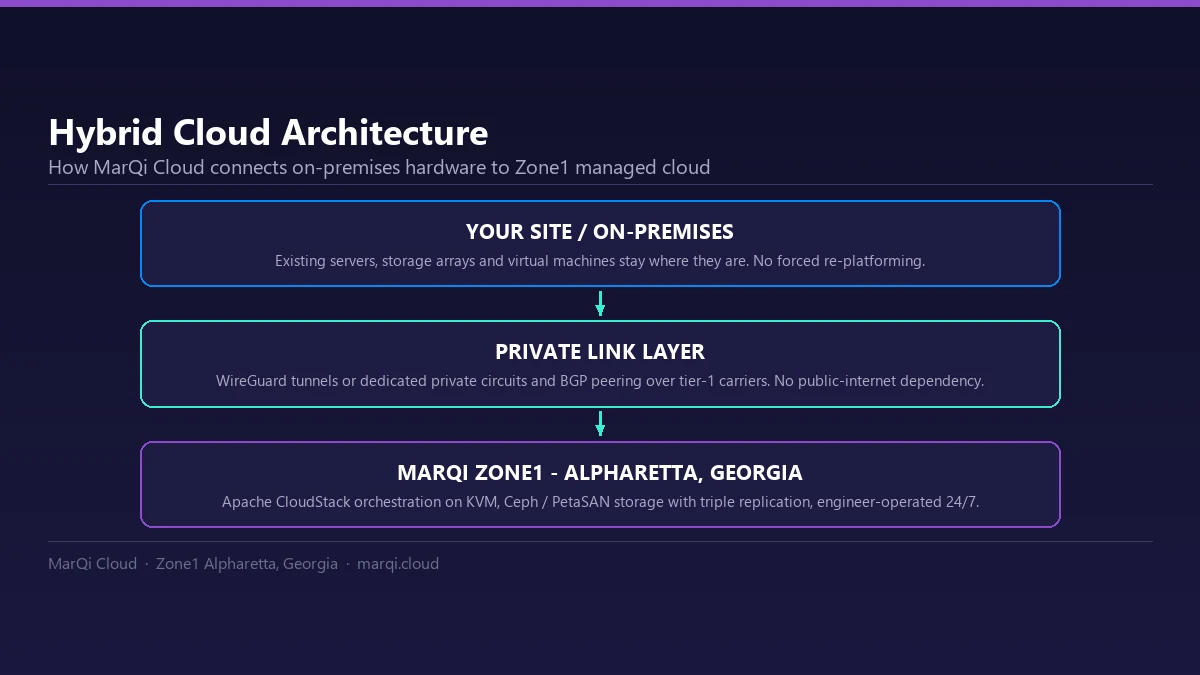
When using cloud database services, such as those offered by MarQi Cloud, connection pooling becomes even more important. Cloud environments often involve dynamic scaling, and efficient connection management can help maintain performance during peak times. For instance, MarQi Cloud’s hybrid cloud solutions are designed to provide scalable resources that can easily accommodate fluctuating workloads, making connection pooling a vital component of the overall strategy.
How Query Optimization Works
Query optimization is the process of improving the efficiency of SQL queries to enhance database performance. It involves analyzing queries to determine the most efficient execution plan, thereby reducing resource consumption and improving response times.
Understanding Execution Plans
When a query is executed, the database management system (DBMS) generates an execution plan, which outlines how the query will be executed. This plan includes details such as the order of operations, indexes to be used, and the methods for joining tables. An optimized execution plan minimizes the amount of data processed and the number of operations performed, leading to better performance.
Importance of Query Optimization
Query optimization is crucial for several reasons:
- Efficiency: Optimized queries consume less CPU and memory, which is particularly important in cloud environments where resources are billed based on usage.
- Speed: Faster query execution translates to improved application performance, which enhances user satisfaction and engagement.
- Cost Savings: By optimizing queries, businesses can reduce their cloud resource consumption, leading to lower operational costs.
Best Practices for Query Optimization
To achieve optimal query performance, consider the following best practices:
- Use Indexes Wisely: Indexes can significantly speed up data retrieval times, but over-indexing can lead to slower write operations. Balance is key.
- Avoid Select *: Instead of selecting all columns, specify only the columns needed to reduce the amount of data processed.
- Limit Result Sets: Use filtering conditions to limit the number of results returned, thus improving performance.
- Analyze and Tune Queries: Regularly analyze execution plans and tune queries based on performance metrics.
Implementation Strategies for Connection Pooling and Query Optimization
Implementing connection pooling and query optimization requires a strategic approach:
1. Configure Connection Pooling
Most modern programming languages and frameworks provide built-in support for connection pooling. For example, Java applications can utilize libraries like HikariCP or Apache Commons DBCP. Proper configuration involves setting parameters such as:
- Maximum Pool Size: The maximum number of connections that can be active at any time.
- Connection Timeout: The maximum time to wait for a connection to become available.
- Idle Timeout: The time a connection can remain idle before being closed.
2. Optimize SQL Queries
Utilize performance monitoring tools to analyze query performance and identify bottlenecks. Tools like Percona Monitoring and Management can help in this aspect. Regularly review and optimize your SQL queries based on the following:
- Execution time
- Resource consumption
- Frequency of execution
3. Monitor and Adjust
Continuous monitoring is essential for maintaining optimal performance. Utilize tools that provide insights into connection usage, query performance, and resource consumption. Adjust configurations based on monitoring data to ensure sustained performance.
Example Scenarios
The scenarios below are illustrative, not customer case studies.
Scenario: E-Commerce Application
An e-commerce application that opens a new database connection for every request spends a noticeable share of each page load on connection setup. A connection pool lets requests reuse established connections, which removes that setup cost from the critical path; the actual improvement should be measured with the application’s own monitoring.
Scenario: Healthcare Records System
A patient management system with slow screens would typically start by reviewing the execution plans of its most frequent queries, adding missing indexes and rewriting queries that scan full tables, then confirming each change against measured query times.
Common Mistakes in Connection Pooling and Query Optimization
While connection pooling and query optimization are powerful techniques, certain mistakes can hinder performance:
- Neglecting Pool Size Configuration: Setting the pool size too high or too low can lead to performance issues. Monitor usage and adjust as necessary.
- Ignoring Query Analysis: Failing to analyze and optimize SQL queries regularly can result in degraded performance over time.
- Overusing Indexes: While indexes can improve read performance, excessive indexing can slow down write operations. Find a balance that suits your application.
Frequently Asked Questions
1. What is connection pooling?
Connection pooling is a technique used to manage database connections efficiently by reusing existing connections rather than creating new ones for each request.
2. How does connection pooling improve performance?
It reduces the overhead of establishing connections, leading to faster response times and more efficient resource utilization.
3. What is query optimization?
Query optimization is the process of improving the efficiency of SQL queries to enhance database performance by analyzing and tuning execution plans.
4. Why is query optimization important?
It ensures efficient resource usage, faster query execution, and ultimately leads to cost savings in cloud environments.
5. What are some best practices for query optimization?
Best practices include using indexes wisely, avoiding SELECT *, limiting result sets, and regularly analyzing execution plans.
6. How can I monitor database performance?
Utilize performance monitoring tools like Percona Monitoring and Management to gain insights into connection usage, query performance, and resource consumption.
7. What mistakes should I avoid in connection pooling?
Avoid neglecting pool size configuration, ignoring query analysis, and overusing indexes, as these can hinder performance.
8. Can connection pooling be used in cloud environments?
Yes, connection pooling is essential in cloud environments to manage dynamic scaling and maintain performance during peak times.