Why Choosing the Right Cloud Instance Type is Crucial for Performance
August 21, 2026
Ultimate Guide to Building a High-Performance API Gateway on Cloud Infrastructure
August 22, 2026
The Complete Guide to Cloud Database Replication for Read-Heavy Workloads
In today’s data-driven world, organizations face the challenge of efficiently managing and accessing vast amounts of information. For businesses that rely heavily on read operations, such as e-commerce platforms, social media networks, and analytics applications, optimizing database performance is crucial. One effective strategy to enhance performance is through cloud database replication. This guide will explore the intricacies of cloud database replication for read-heavy workloads, providing you with the knowledge needed to implement this solution effectively.
Understanding Cloud Database Replication
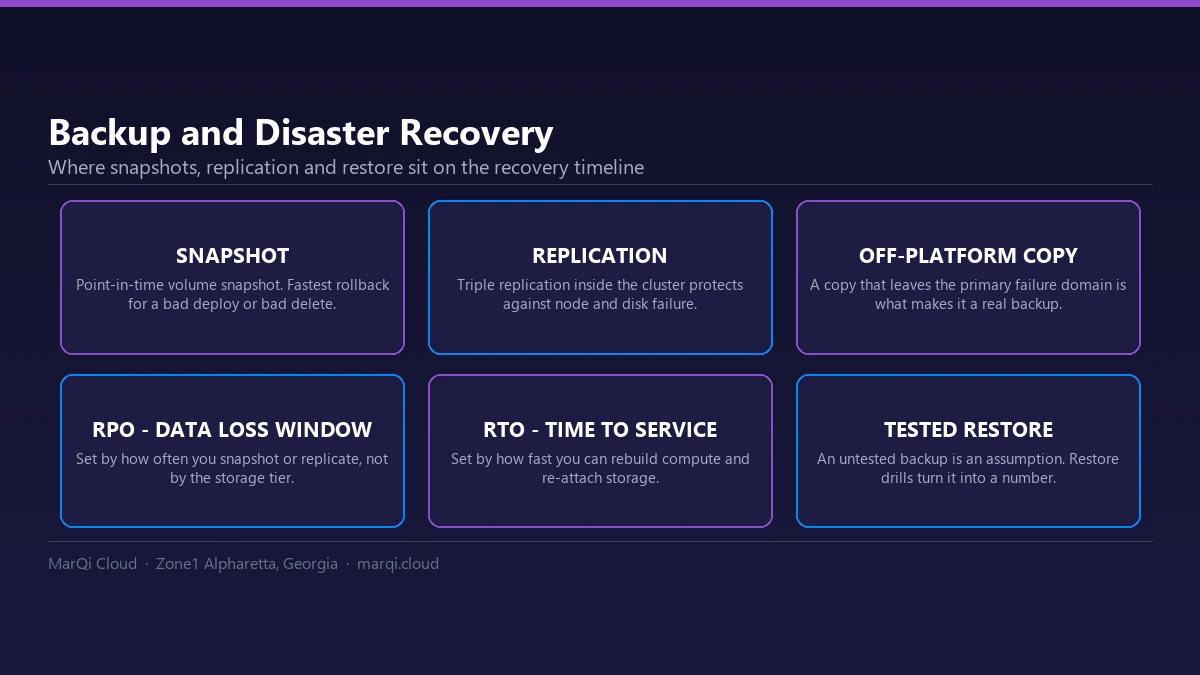
Cloud database replication is the process of copying and maintaining database objects, such as tables, in multiple database instances. This ensures data availability and enhances performance by distributing read requests across multiple replicas. In a cloud environment, replication can improve data access speeds and reliability, making it particularly beneficial for read-heavy workloads. The mechanisms differ per engine and the trade-offs are documented directly: PostgreSQL’s high availability and replication chapter sets out streaming, synchronous and logical replication side by side.
Replication works by synchronizing data between the primary database (or master) and one or more secondary databases (or replicas). This allows read operations to be offloaded from the primary database, reducing the load and improving overall performance. The replication process can be synchronous, where data is written to both primary and replica databases simultaneously, or asynchronous, where data is written to the primary database first and then replicated to the secondary databases.
Benefits of Replication for Read-Heavy Workloads
Implementing cloud database replication offers numerous advantages for organizations that experience high read traffic:
- Enhanced Performance: By distributing read requests across multiple replicas, organizations can significantly reduce response times and improve user experience.
- Increased Availability: Replication ensures that data remains accessible even if the primary database experiences downtime. This redundancy is crucial for maintaining business continuity.
- Load Balancing: Cloud database replication allows organizations to balance the load across multiple servers, preventing any single server from becoming a bottleneck.
- Scalability: As read traffic grows, organizations can easily add more replicas to accommodate increased demand without affecting the primary database’s performance.
- Disaster Recovery: In the event of data loss or corruption, replicated databases can serve as backups, allowing organizations to restore data quickly.
Types of Cloud Database Replication
Understanding the different types of database replication is vital for selecting the right approach for your organization’s needs. Here are the most common types:
1. Synchronous Replication
Synchronous replication ensures that data is written to both the primary and replica databases simultaneously. This method guarantees data consistency but can introduce latency, especially if the primary and replica databases are geographically distant.
2. Asynchronous Replication
Asynchronous replication allows data to be written to the primary database first, with changes later propagated to the replicas. This method minimizes latency and is ideal for read-heavy workloads where immediate consistency is not critical.
3. Multi-Master Replication
Multi-master replication enables multiple primary databases to accept write operations. This configuration can improve availability and performance but requires more complex conflict resolution mechanisms.
4. Peer-to-Peer Replication
In peer-to-peer replication, all nodes can act as both primary and replica databases. This approach provides high availability and load balancing but can be challenging to manage due to potential data conflicts.
Implementing Replication Strategies
To effectively implement cloud database replication for read-heavy workloads, follow these steps:
- Assess Your Needs: Determine the volume of read requests and the acceptable latency levels for your applications.
- Select a Replication Method: Choose between synchronous and asynchronous replication based on your performance and consistency requirements. In PostgreSQL this is documented directly: streaming replication “allows a standby server to stay more up-to-date than is possible with file-based log shipping”, and it “can be synchronous or asynchronous and can only be done for the entire database server” (PostgreSQL high availability documentation).
- Choose the Right Cloud Provider: Evaluate cloud providers based on their replication capabilities, support, and performance. MarQi Cloud offers enterprise-grade hybrid cloud infrastructure that supports advanced replication strategies.
- Configure Your Databases: Set up primary and replica databases, ensuring they are properly connected and configured for replication. One parameter is easy to miss here: PostgreSQL requires
max_wal_sendersto be set to a sufficiently large value on the primary for the standbys you intend to attach. - Test the Configuration: Conduct tests to verify that replication works as intended and that read requests are appropriately distributed.
- Monitor Performance: Continuously monitor the performance of your replicated databases to identify any issues and optimize configurations as necessary.
Best Practices for Cloud Database Replication
Implementing cloud database replication requires careful planning and management. Here are some best practices to follow:
- Regular Backups: Even with replication, regular backups are essential to protect against data loss.
- Optimize Network Latency: Choose data center locations that minimize latency for your primary and replica databases.
- Monitor Replication Lag: Keep an eye on replication lag to ensure that replicas are up to date with the primary database.
- Use Load Balancers: Implement load balancers to distribute read requests evenly across replicas and improve performance.
- Test Failover Procedures: Regularly test your failover procedures to ensure a smooth transition in case of primary database failure.
Monitoring and Maintaining Replicated Databases
Effective monitoring and maintenance are critical for ensuring the ongoing performance and reliability of replicated databases. Consider the following strategies:
- Implement Monitoring Tools: Use monitoring tools to track database performance metrics, such as response times and replication lag.
- Set Up Alerts: Configure alerts for critical performance thresholds to address issues proactively.
- Conduct Regular Audits: Perform regular audits of your replication setup to identify potential vulnerabilities or performance bottlenecks.
- Keep Software Updated: Regularly update your database management system (DBMS) and other related software to benefit from performance improvements and security patches.
Example Scenarios
The scenarios below are illustrative examples of how organizations typically apply these practices; they do not describe specific MarQi Cloud customers or measured results.
Example Scenario 1: E-Commerce Platform
An e-commerce platform experienced significant performance issues during peak shopping seasons. By implementing asynchronous replication, they were able to offload read requests to multiple replicas, resulting in a reduction in response times and an increase in customer satisfaction during high-traffic periods.
Example Scenario 2: Social Media Network
A social media network utilized multi-master replication to support their rapidly growing user base. This approach enabled them to handle millions of concurrent read requests while maintaining high availability and performance, ultimately leading to an increase in user engagement.
Conclusion
Cloud database replication is a powerful strategy for organizations with read-heavy workloads. By understanding the different types of replication, implementing effective strategies, and following best practices, businesses can enhance performance, availability, and scalability. MarQi Cloud’s enterprise-grade infrastructure can support your cloud database replication needs, ensuring your applications run smoothly even under heavy load. For more information about cloud database solutions, contact us today.
FAQ
What is cloud database replication?
Cloud database replication is the process of copying and maintaining database objects in multiple cloud database instances to enhance availability and performance.
Why is replication important for read-heavy workloads?
Replication is crucial for read-heavy workloads because it distributes read requests across multiple replicas, reducing load on the primary database and improving response times.
What are the different types of database replication?
The main types of database replication include synchronous, asynchronous, multi-master, and peer-to-peer replication.
How does asynchronous replication work?
Asynchronous replication allows data to be written to the primary database first, with changes later propagated to the replicas, minimizing latency.
What are best practices for cloud database replication?
Best practices include regular backups, optimizing network latency, monitoring replication lag, using load balancers, and testing failover procedures.
How can I monitor replicated databases?
Use monitoring tools to track performance metrics and set up alerts for critical performance thresholds to address issues proactively.
Can cloud database replication improve disaster recovery?
Yes, replicated databases can serve as backups, allowing organizations to restore data quickly in the event of data loss or corruption.
How do I choose a cloud provider for database replication?
Evaluate cloud providers based on their replication capabilities, support, performance, and pricing to find the best fit for your organization’s needs.