Why MSP Margin Protection Depends on Cloud Provider Pricing Transparency
September 27, 2026
Unlocking Recurring Revenue: Cloud Infrastructure Monitoring for MSPs
September 28, 2026

The Ultimate Guide to MSP Cloud Backup and Disaster Recovery Services
In today’s digital landscape, data is the lifeblood of every organization. Managed Service Providers (MSPs) are increasingly becoming essential partners for businesses seeking reliable cloud backup and disaster recovery solutions. This comprehensive guide explores the essential aspects of MSP cloud backup and disaster recovery services, helping organizations safeguard their data and ensure business continuity in the face of unforeseen disruptions. By the end of this article, you will gain insights into the various service offerings, key considerations for selecting an MSP, and actionable strategies for effective implementation.
What is MSP Cloud Backup?
MSP cloud backup refers to the practice of using managed service providers to store and protect an organization’s data in the cloud. These providers offer a range of services that ensure data is backed up securely and can be restored quickly in the event of data loss, corruption, or a disaster. Unlike traditional backup methods, MSP cloud backup provides scalability, flexibility, and enhanced security, allowing businesses to focus on their core operations without worrying about data integrity.
Benefits of MSP Cloud Backup
- Scalability: Easily adjust storage capacity as your organization grows.
- Cost-effectiveness: Reduce capital expenditure by avoiding investments in physical hardware.
- Accessibility: Access data from anywhere, at any time, with an internet connection.
- Security: Leverage advanced encryption and security protocols to protect sensitive data.
The Importance of Disaster Recovery
Disaster recovery (DR) is a critical component of business continuity planning. It involves strategies and processes that ensure an organization can recover its IT infrastructure and operations after a crisis, such as a natural disaster, cyber-attack, or hardware failure. A robust disaster recovery plan minimizes downtime and protects against data loss, which can have devastating effects on a business.
Why Every Business Needs a Disaster Recovery Plan
- Minimizes Downtime: A well-structured DR plan allows businesses to resume operations quickly.
- Protects Data: Ensures that critical data is backed up and can be restored.
- Maintains Reputation: Reliable recovery processes help maintain customer trust and satisfaction.
- Compliance: Adheres to industry regulations that require data protection and recovery capabilities.
Key Features of MSP Cloud Backup Services
When evaluating MSP cloud backup and disaster recovery services, understanding the key features can help organizations select the right provider. Here are some of the essential features to look for:
1. Automated Backups
Automated backup solutions ensure that data is consistently backed up without manual intervention, reducing the risk of human error. MSPs can schedule backups according to the organization’s needs, whether it’s hourly, daily, or weekly.
2. Data Encryption
Security is paramount when it comes to data protection. MSPs should offer end-to-end encryption both in transit and at rest, ensuring that sensitive information remains secure from unauthorized access.
3. Fast Recovery Times
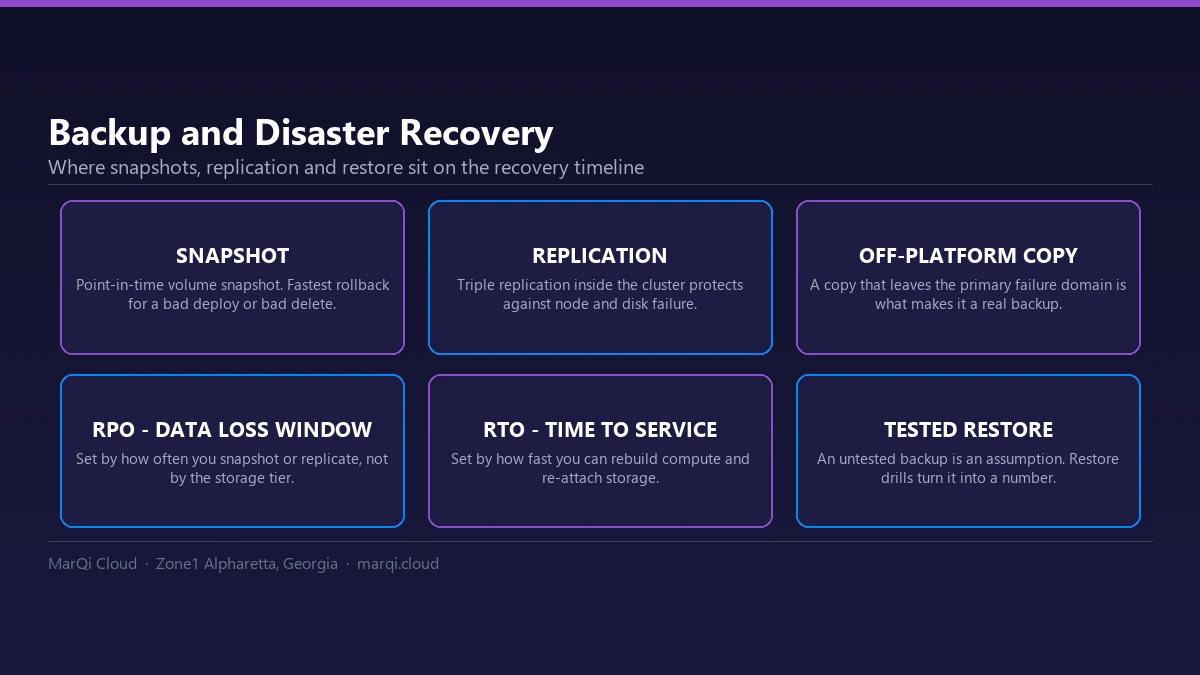
Recovery Time Objective (RTO) and Recovery Point Objective (RPO) are critical metrics for disaster recovery. MSPs should provide clear SLAs (Service Level Agreements) that outline their recovery times, ensuring businesses can get back to work quickly after a disruption.
4. Multi-Location Backups
Storing backups in multiple geographic locations enhances data resilience. In the event of a disaster affecting one location, data can still be accessed from another site, reducing the risk of total data loss.
5. Compliance Support
Many industries have stringent regulations regarding data storage and recovery. An effective MSP should help organizations comply with these regulations, providing necessary documentation and support.
How to Choose an MSP for Backup and Disaster Recovery
Selecting the right managed service provider for cloud backup and disaster recovery services is crucial for ensuring the safety and availability of your data. Here are some key considerations:
1. Assess Your Needs
Begin by evaluating your organization’s specific needs, including the volume of data to be backed up, recovery time requirements, and any industry-specific compliance standards.
2. Evaluate Experience and Expertise
Choose an MSP with a proven track record in delivering cloud backup and disaster recovery services. Look for certifications, testimonials, and case studies that demonstrate their expertise.
3. Review Security Measures
Ensure that the MSP implements robust security measures, including data encryption, access controls, and regular security audits.
4. Compare Pricing Models
Understand the pricing structure of various MSPs, ensuring it aligns with your budget while providing the features you need. Look for transparent pricing with no hidden fees, such as egress charges.
5. Assess Customer Support
Reliable customer support is essential. Choose an MSP that offers 24/7 support and has a reputation for responsiveness and effectiveness in resolving issues.
Top Disaster Recovery Strategies
Implementing effective disaster recovery strategies can significantly enhance your organization’s resilience. Here are some of the most effective strategies:
1. Backup and Restore
This is the most fundamental DR strategy, where data is backed up to a secure location and can be restored when needed. It’s essential for ensuring data availability.
2. Pilot Light
A pilot light strategy keeps a minimal version of an environment running in the cloud, allowing for a faster recovery process while keeping costs lower than a full standby environment.
3. Warm Standby
This strategy involves maintaining a scaled-down version of a fully functional environment that can be quickly scaled up in the event of a disaster.
4. Multi-Site Clustering
Multi-site clustering involves replicating data across multiple data centers, ensuring that if one site goes down, operations can seamlessly continue from another site.
5. Full Hot Site
A hot site is a fully operational off-site data center that can take over operations immediately in the event of a disaster. While the most expensive option, it offers the fastest recovery.
Illustrative Scenarios
The two scenarios below illustrate how organizations might use MSP cloud backup and disaster recovery services; they are hypothetical examples, not reports from specific organizations:
Scenario 1: Healthcare Organization
A healthcare organization with strict data protection requirements could partner with an MSP for cloud backup and disaster recovery, set recovery targets for its critical systems, and test restores regularly; meeting its regulatory obligations would remain the organization’s responsibility.
Scenario 2: E-commerce Business
An e-commerce business recovering from a security incident could work with an MSP to keep backups in more than one location and tighten access controls, so a future incident can be recovered from more quickly.
Frequently Asked Questions
What is the difference between backup and disaster recovery?
Backup refers to the process of copying data to safeguard it from loss, while disaster recovery involves the strategies and processes implemented to restore IT systems and operations after a disaster.
How often should backups be performed?
The frequency of backups depends on the organization’s needs, but many businesses opt for daily or even hourly backups to minimize potential data loss.
What is RTO and RPO?
RTO (Recovery Time Objective) is the maximum acceptable amount of time to restore systems after a disaster, while RPO (Recovery Point Objective) is the maximum acceptable amount of data loss measured in time.
Are cloud backups secure?
Yes, reputable MSPs implement advanced security measures, including encryption and access controls, to protect cloud backups from unauthorized access.
Can I recover data from a cloud backup if my system fails?
Yes, one of the primary purposes of cloud backup is to allow organizations to recover data in the event of system failures or disasters.
How do I choose the right MSP for backup services?
Consider factors such as experience, security measures, pricing, and customer support when selecting an MSP for backup and disaster recovery services.
What industries benefit the most from MSP backup services?
Industries with stringent data compliance requirements, such as healthcare, finance, and e-commerce, benefit significantly from MSP backup and disaster recovery services.
What should I include in my disaster recovery plan?
Your disaster recovery plan should include data backup procedures, recovery strategies, roles and responsibilities, and communication plans during a disaster.
How can I test my disaster recovery plan?
Conduct regular DR drills and simulations to test the effectiveness of your disaster recovery plan and identify areas for improvement.
What are the costs associated with MSP backup services?
Costs can vary based on factors like data volume, service level agreements, and additional features. It’s important to compare pricing from multiple MSPs to ensure you get the best value.
Can I integrate my existing systems with MSP backup solutions?
Most MSPs offer solutions that can integrate with existing systems, ensuring a seamless transition and minimal disruption to operations.
How can I ensure compliance with data protection regulations?
Work with an MSP that understands your industry’s compliance requirements and can help implement the necessary measures to meet them.
What is the role of testing in disaster recovery?
Regular testing of your disaster recovery plan is crucial to ensure its effectiveness and to identify any weaknesses that need to be addressed.
Conclusion
In conclusion, MSP cloud backup and disaster recovery services are vital for organizations looking to protect their data and ensure business continuity. By understanding the key features, strategies, and best practices outlined in this guide, businesses can make informed decisions when selecting an MSP partner. Remember, a proactive approach to data protection is essential in today’s rapidly evolving digital landscape. For tailored solutions, consider MarQi Cloud’s infrastructure, including snapshots and backups for point-in-time recovery. Contact us today to learn how we can help you secure your data and streamline your disaster recovery processes.