Why Insurance Companies Need Cloud Infrastructure That Meets State Regulatory Requirements
August 24, 2026
How Cloud Infrastructure Powers Real-Time Sports Betting and Gaming Platforms
August 25, 2026
The Complete Guide to Cloud Hosting for Multi-Location Retail Technology Platforms
A cloud platform for multi-site retail centralizes point-of-sale, inventory and customer data from every store on shared infrastructure, so locations stay synchronized without a server room at each site. Cloud hosting has emerged as a pivotal solution for multi-location retailers, providing the flexibility, scalability, and security required to manage complex retail environments. In this comprehensive guide, we will explore the ins and outs of cloud hosting specifically tailored for multi-location retail technology platforms. You will learn about the benefits, key features, deployment models, and best practices for leveraging cloud solutions to enhance your retail operations. By the end of this guide, you will have a clear understanding of how to navigate the cloud landscape effectively and make informed decisions for your retail business.
Understanding Cloud Hosting
Cloud hosting refers to the use of a network of remote servers hosted on the Internet to store, manage, and process data, rather than using a local server or a personal computer. This technology allows businesses to access their data and applications from anywhere, providing unparalleled flexibility and efficiency.
For multi-location retail businesses, cloud hosting offers a centralized solution to manage various operations across different geographic locations. This ensures that all locations can access the same data and applications in real-time, promoting consistency and efficiency across the enterprise.
Benefits of Cloud Hosting for Retail
Implementing cloud hosting solutions can yield significant advantages for multi-location retail technology platforms. Here are some key benefits:
- Scalability: Cloud hosting allows businesses to easily scale their resources up or down based on demand. This is particularly important for retailers who experience seasonal fluctuations in traffic.
- Cost Efficiency: With cloud solutions, retailers pay only for the resources they use, eliminating the need for large capital investments in hardware and infrastructure.
- Enhanced Security: Leading cloud providers offer robust security measures, including data encryption and compliance with industry standards, ensuring that sensitive customer and business data is protected.
- Increased Reliability: Cloud hosting solutions typically come with high uptime guarantees and disaster recovery options, ensuring that retail operations remain uninterrupted.
- Real-Time Data Access: Employees across different locations can access and share data in real-time, enhancing collaboration and decision-making.
Key Features of Cloud Hosting Solutions
When selecting a cloud hosting provider, it’s essential to consider the features that align with your retail business needs. Here are some critical features to look for:
- Multi-Tenancy: This allows multiple users or locations to share the same infrastructure while maintaining data privacy and security.
- API Integrations: Seamless integration with existing retail software (e.g., ERP, CRM) allows for a more cohesive technology ecosystem.
- Disaster Recovery and Backup: Ensure your provider offers reliable backup solutions and disaster recovery options to protect your data.
- Performance Monitoring: Tools that monitor application performance in real-time help maintain operational efficiency.
- Compliance and Security Standards: Look for providers that adhere to industry standards such as PCI DSS for payment processing and GDPR for data protection.
Choosing the Right Cloud Deployment Model
There are several cloud deployment models available, each with distinct advantages and use cases:
1. Public Cloud
In a public cloud model, resources are owned and operated by a third-party cloud service provider, making it a cost-effective option for many retailers. However, businesses must consider data security and compliance, especially when handling sensitive customer information.
2. Private Cloud
A private cloud offers dedicated resources for a single organization, providing enhanced security and control. This model is ideal for retailers with stringent compliance requirements and those seeking greater customization.
3. Hybrid Cloud
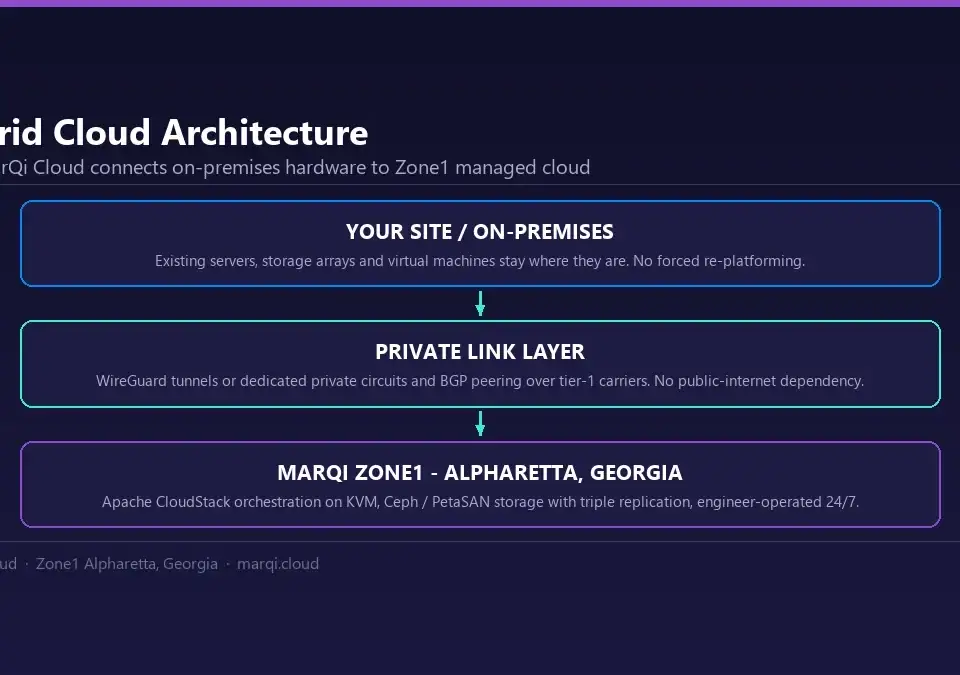
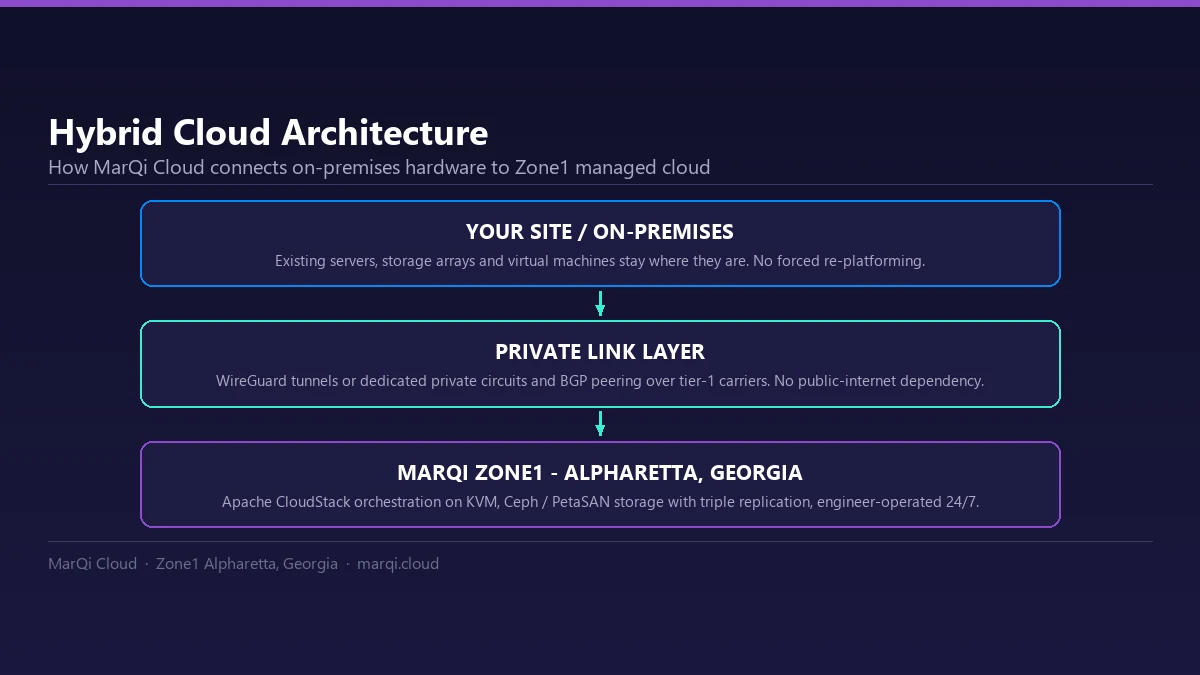
A hybrid cloud combines public and private cloud resources, allowing retailers to leverage the best of both worlds. This model offers flexibility and scalability while maintaining control over sensitive data.
4. Multi-Cloud
Utilizing multiple cloud services from different providers can enhance redundancy and reliability. This approach allows for greater flexibility in choosing best-of-breed solutions.
Best Practices for Multi-Location Retail
To maximize the benefits of cloud hosting for multi-location retail technology platforms, consider implementing the following best practices:
- Centralize Management: Use a centralized management system to monitor and control cloud resources across all locations.
- Standardize Processes: Implement standardized processes and protocols to ensure consistency in operations across different locations.
- Train Employees: Provide training to employees on how to effectively use cloud-based tools and applications.
- Regularly Review Performance: Continuously monitor performance metrics and make adjustments as needed to optimize cloud resource utilization.
- Invest in Security: Prioritize security measures such as encryption, access control, and regular audits to safeguard sensitive data.
Scalable Solutions for Retail Technology
Scalability is one of the most significant advantages of cloud hosting. Here’s how to ensure your cloud solution can scale effectively:
- Assess Current Needs: Regularly evaluate your current resource usage and forecast future needs based on business growth projections.
- Implement Auto-Scaling: Use auto-scaling features to automatically adjust resources based on traffic and demand fluctuations.
- Monitor Costs: Keep track of your cloud spending and ensure you’re only paying for the resources you need. Consider flexible pricing models that allow you to adapt to changing needs.
Expert Insights on Cloud Migration
Transitioning to a cloud-based infrastructure can be daunting. Here are some expert tips to ensure a smooth migration:
- Develop a Clear Strategy: Create a detailed plan that outlines the migration process, including timelines, resources needed, and potential challenges.
- Choose the Right Partner: Partner with a cloud service provider that has experience in retail technology and can offer tailored solutions that meet your specific needs.
- Test Before Full Migration: Conduct a pilot migration to identify any potential issues before committing to a full-scale transition.
- Engage Stakeholders: Involve key stakeholders from different locations to ensure buy-in and gather input on the migration process.
Conclusion
Cloud hosting presents a transformative opportunity for multi-location retail technology platforms. By leveraging the benefits of cloud solutions, retailers can enhance operational efficiency, improve data accessibility, and ensure robust security across all locations. As you consider your cloud hosting options, prioritize scalability, security, and the specific needs of your retail business.
For more information on how MarQi Cloud can support your retail technology needs with our hybrid cloud solutions, managed services, and cloud migration services, contact us today.
FAQ
1. What is cloud hosting?
Cloud hosting refers to the use of a network of remote servers hosted on the Internet to store, manage, and process data, allowing for flexible and scalable access to resources.
2. How does cloud hosting benefit multi-location retail businesses?
Cloud hosting provides scalability, cost efficiency, enhanced security, increased reliability, and real-time data access, all of which are essential for multi-location retail operations.
3. What are the different types of cloud deployment models?
The main types of cloud deployment models are public, private, hybrid, and multi-cloud, each offering different levels of control, security, and flexibility.
4. How can retailers ensure data security in the cloud?
Retailers can ensure data security by choosing providers with robust security measures, implementing encryption, access controls, and conducting regular audits.
5. What are the best practices for managing cloud resources in retail?
Best practices include centralizing management, standardizing processes, training employees, regularly reviewing performance, and investing in security.
6. How can businesses scale their cloud resources effectively?
Businesses can scale their cloud resources by assessing current needs, implementing auto-scaling features, and monitoring costs to adapt to changing demands.
7. What should businesses consider when migrating to the cloud?
Businesses should develop a clear migration strategy, choose the right partner, conduct a pilot migration, and engage stakeholders throughout the process.
8. How does MarQi Cloud support multi-location retail technology platforms?
MarQi Cloud offers hybrid cloud solutions, managed services, and cloud migration services tailored to the specific needs of multi-location retail businesses.