Harnessing AI Compute for Universities in Georgia: Transforming Education and Research
March 20, 2026
Unlocking Potential: GPU Server Hosting for Startups in the Southeast
March 20, 2026
High-Performance Networking in Atlanta Data Centers: Optimizing Your Infrastructure for Success
In today’s fast-paced digital economy, businesses are increasingly reliant on robust networking solutions to support their operations. High-performance networking is essential, particularly in data centers, where connectivity, speed, and reliability can make or break a company’s performance. Atlanta, known as a burgeoning tech hub, is home to numerous data centers that offer high-performance networking solutions tailored to meet the needs of various enterprises. In this article, we will explore the significance of high-performance networking in Atlanta data centers, its benefits, and how MarQi Cloud can help businesses optimize their infrastructure for success.
Understanding High-Performance Networking
High-performance networking refers to the capability of a network to handle large amounts of data at high speeds with minimal latency. It encompasses the technologies, protocols, and architectures that support efficient data transmission and processing. In data centers, high-performance networking plays a crucial role in ensuring that applications run smoothly and efficiently, which is vital for organizations relying on real-time data and applications.
The Importance of High-Performance Networking in Data Centers
High-performance networking is particularly critical in data centers for several reasons:
1. Enhanced Speed and Throughput
With the growing amount of data being processed, the speed and throughput of a network become paramount. High-performance networks can deliver faster data transfer rates, enabling applications to function more efficiently and improving overall performance.
2. Low Latency
Latency refers to the time it takes for data to travel from one point to another. In high-performance networking, minimizing latency is crucial for applications that require real-time data processing, such as online gaming, financial trading, and video conferencing.
3. Scalability
As businesses grow, their networking needs evolve. High-performance networking allows for easy scalability, enabling organizations to expand their networking capabilities without significant disruptions. This flexibility is essential for adapting to changing business environments.
4. Reliability and Redundancy
High-performance networking solutions often include redundant pathways and failover mechanisms, ensuring that data remains accessible even in the event of a failure. This reliability is crucial for businesses that cannot afford downtime.
Key Features of High-Performance Networking in Atlanta Data Centers
Atlanta data centers offer a range of features that contribute to high-performance networking:
1. Advanced Networking Equipment
Modern data centers utilize cutting-edge networking equipment, such as high-speed routers and switches, which are designed to handle significant data loads efficiently. These devices support advanced protocols like MPLS (Multiprotocol Label Switching), which optimizes data flow and enhances performance.
2. Fiber Optic Connectivity
Fiber optic cables offer superior speed and bandwidth compared to traditional copper cables. Many Atlanta data centers leverage fiber optic technology to facilitate high-speed data transmission, ensuring that businesses can access and share data quickly and reliably.
3. Network Virtualization
Network virtualization allows for the creation of multiple virtual networks on a single physical infrastructure. This technology improves resource utilization, enhances security, and simplifies network management, making it an essential component of high-performance networking.
4. Direct Interconnection
Many data centers in Atlanta provide direct interconnection with major cloud providers and carriers. This direct connectivity reduces latency and increases bandwidth, allowing businesses to optimize their network performance.
Choosing the Right Atlanta Data Center for High-Performance Networking
Selecting the right data center is crucial for businesses looking to optimize their high-performance networking capabilities. Here are some factors to consider:
1. Location
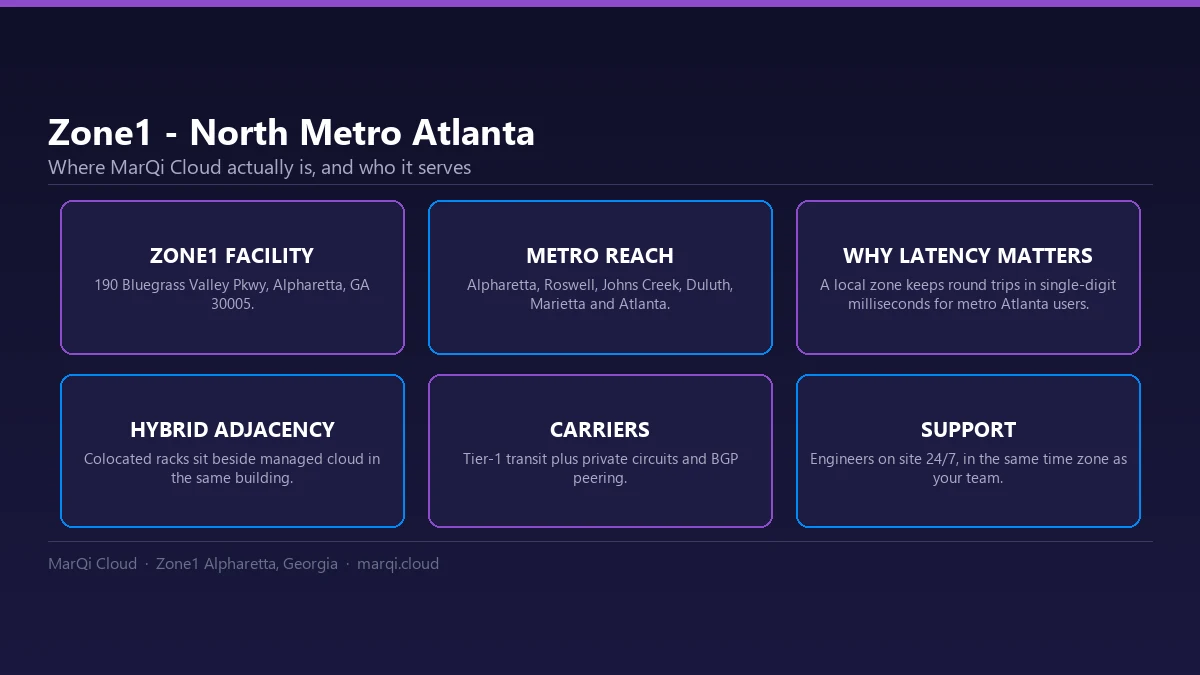
The proximity of the data center to your business can significantly impact network performance. Choose a data center that is geographically close to minimize latency and improve connectivity.
2. Infrastructure
Evaluate the infrastructure offered by the data center. Look for facilities that provide advanced networking technologies, redundant systems, and high-capacity bandwidth to support your needs.
3. Security
Security is a top concern for businesses, particularly when handling sensitive data. Ensure that the data center has robust security measures in place, including physical security, cybersecurity protocols, and compliance with industry standards.
4. Support Services
Consider the level of support provided by the data center. Look for providers that offer 24/7 technical support, ensuring that any issues can be promptly addressed.
MarQi Cloud: Your Partner in High-Performance Networking
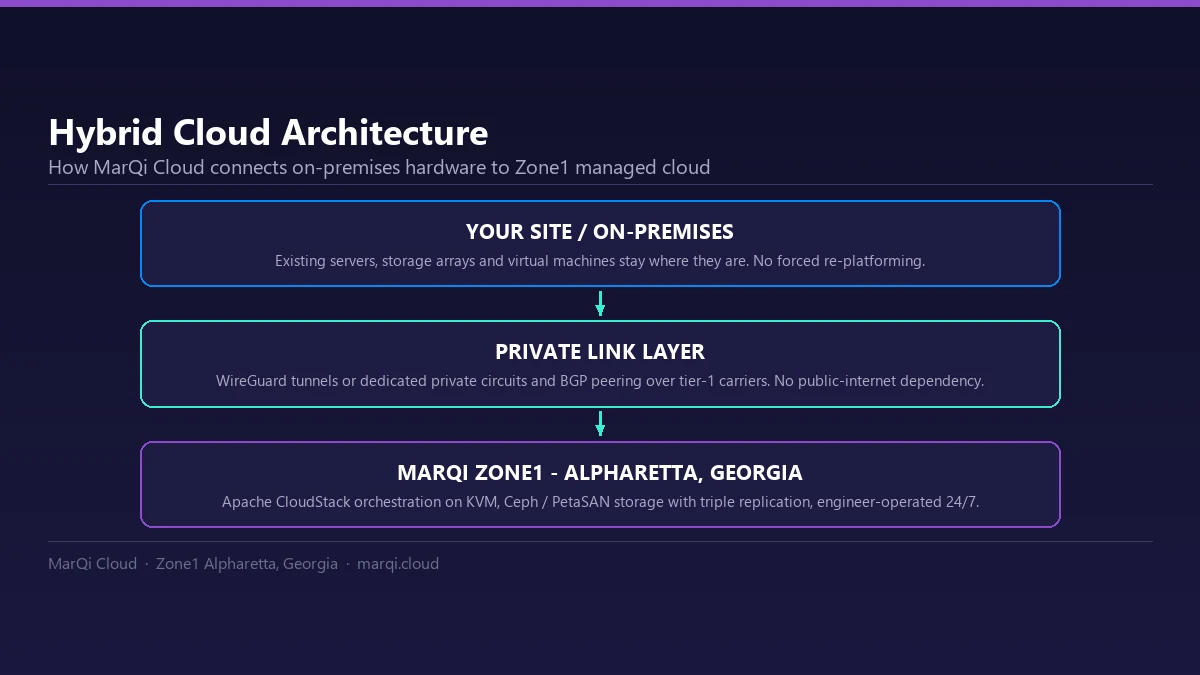
At MarQi Cloud, we understand the importance of high-performance networking for your business. Our enterprise-grade cloud infrastructure is designed to support hybrid cloud deployment models, ensuring that your data is hosted in a private and secure environment. With our scalable compute and storage resources, you can easily adjust your infrastructure as your business grows. Additionally, our business continuity and disaster recovery solutions provide peace of mind, knowing that your data is safe and accessible even in challenging situations.
Our US-based infrastructure and support team is dedicated to providing you with the best networking solutions tailored to your specific needs. We offer flexible pricing models to ensure that you get the most value for your investment. Partner with MarQi Cloud to optimize your high-performance networking and take your business to new heights.
FAQ
1. What is high-performance networking?
High-performance networking refers to the ability of a network to handle large volumes of data efficiently, with high speeds and minimal latency, particularly in data centers.
2. Why is low latency important?
Low latency is crucial for applications that require real-time processing, as it ensures that data is transmitted quickly and efficiently, reducing delays.
3. How does scalability affect networking?
Scalability allows businesses to expand their networking capabilities as they grow, without significant disruptions, ensuring that their infrastructure can adapt to changing needs.
4. What features should I look for in a data center?
Look for advanced networking equipment, fiber optic connectivity, network virtualization, direct interconnection, security measures, and support services.
5. How does MarQi Cloud optimize networking solutions?
MarQi Cloud provides enterprise-grade infrastructure, hybrid cloud deployment, scalable resources, and robust support to ensure high-performance networking for businesses.
6. What are the benefits of fiber optic connectivity?
Fiber optic connectivity offers higher speeds, greater bandwidth, and improved reliability compared to traditional copper cabling, enhancing overall network performance.
7. How does network virtualization improve performance?
Network virtualization allows the creation of multiple virtual networks on a single infrastructure, improving resource utilization and simplifying management.
8. What is the importance of redundancy in networking?
Redundancy ensures that data remains accessible even in the event of a failure, increasing the reliability of the network.
9. How can I ensure my data center is secure?
Choose a data center with robust physical security measures, cybersecurity protocols, and compliance with industry standards to ensure your data is protected.
10. What types of businesses benefit from high-performance networking?
Businesses in various sectors, including finance, healthcare, gaming, and e-commerce, benefit from high-performance networking due to their reliance on real-time data and applications.