Why Dedicated GPU Clusters Are Powering AI Workloads in 2026
February 6, 2026
What to Look for in a Reliable Open Source Hybrid Cloud Provider
February 13, 2026

How Cloud Native App Development Improves Reliability and Performance
Introduction:
The Cloud native app development is a modern way to build applications that are optimized for cloud platforms. Today’s businesses are moving away from traditional app architectures because they struggle with scaling and performance issues. This approach offers better flexibility, smooth scalability, and faster performance. With cloud native app development, applications can easily adapt to changing business needs.
Why are we adopting Cloud Native App Development?
Cloud Native App Development is a modern method of creating applications specifically designed to run in cloud environments. These apps are built to be scalable, flexible, and high performing, making it easier for businesses to adapt to growth and changing needs. Unlike older applications, cloud native apps can quickly adjust to demand while remaining reliable across public, private, or hybrid cloud setups.
Why businesses prefer Cloud Native Development?
Businesses are turning to Cloud Native App Development because traditional applications can be slow, difficult to scale, and hard to maintain. Cloud native apps offer speed, efficiency, and cost savings while supporting growth.
Faster Development and Launch:
- Supports agile development methods.
- Continuous integration and delivery allow quick releases.
- Minimizes downtime during updates.
Scalability and Reliable Performance:
- Cloud services automatically adjust to traffic changes.
- Handles spikes in demand without slowing down.
- Keeps applications available and fast.
Cost Effective Resource Management:
- Pay as you use pricing reduces waste.
- Lowers maintenance and infrastructure expenses.
- Optimizes computing resources efficiently.
Core Elements that make Cloud Native work:
Cloud Native App Development relies on key building blocks that increase speed, reliability, and management.
Micro services Architecture:
- Breaks applications into small, independent services.
- Each service can be updated or scaled separately.
- Simplifies maintenance and speeds up feature delivery.
Containers for Consistency:
- Confirms apps run the same across all environments.
- Makes deployment easier and more portable.
- Reduces dependency and compatibility problems.
Automation and DevOps:
- Automates deployment, scaling, and monitoring.
- Maintains performance and stability.
- Reduces human error and accelerates development.
Challenges to Consider for Cloud Native App Development:
Even with many advantages, Cloud Native App Development comes with some challenges.
Managing Complex Systems:
- Multiple micro services increase complexity.
- Requires effective monitoring and debugging.
Skilled Workforce and Tool Selection:
- Needs experienced cloud native developers.
- Choosing the right platforms and tools is critical.
End-to-End Cloud Native App Development Services you can believe:
Cloud-native app development services help businesses build, deploy, and manage apps designed for the cloud. These apps can run on public, private, or hybrid clouds. They are flexible, reliable, and easy to grow as business needs change.
Cloud-native apps use modern tools such as microservices, containers, Kubernetes, and CI/CD pipelines. This allows apps to be updated quickly and run smoothly on any platform.
Key parts of Cloud Native Apps Development Services:
- Micro services: Break apps into small, independent parts. Each part can be updated or scaled without affecting the whole app.
- Containers: Package apps with everything they need using Docker. Apps run the same everywhere.
- System Management: CI/CD pipelines streamline testing and deployment, helping teams release updates quickly and smoothly.
- Serverless Computing: Run code without managing servers. Developers can focus on features.
- Managed Cloud Tools: Use cloud databases and other services to reduce extra work.
Key business advantages:
- Adaptable Design: Loose coupling enables changes without disrupting other parts of the application.
- Scalable Infrastructure: Horizontal scaling allows applications to handle growth without costly hardware.
- Platform Portability: Containers make it possible to run applications on any platform or device without changes.
Real World Cloud Native Apps:
- Netflix: Handles high streaming traffic with micro services and containers.
- Spotify: Scales services independently using a modular architecture.
- Airbnb: Manages millions of real-time user interactions.
- Uber: Runs a distributed ride-sharing platform using micro services.
- Pinterest: Deploys and scales services quickly with cloud native tech.
Why use Cloud Native App Development Services?
- Scalable: Apps can adjust resources automatically when needed.
- Reliable: Distributed design keeps apps running even if one part fails.
- Fast Updates: Automated processes let you release new features quickly.
- Budget-friendly: Pay for what you use and reduce unnecessary costs.
Importance of infrastructure in Cloud Services:
- Dependable data centres secure stability and uptime
- Independent infrastructure providers improve performance and security
- Fast storage and redundant networks are vital for smooth application operation
Role of Hybrid Cloud App Development in Modern Enterprises:
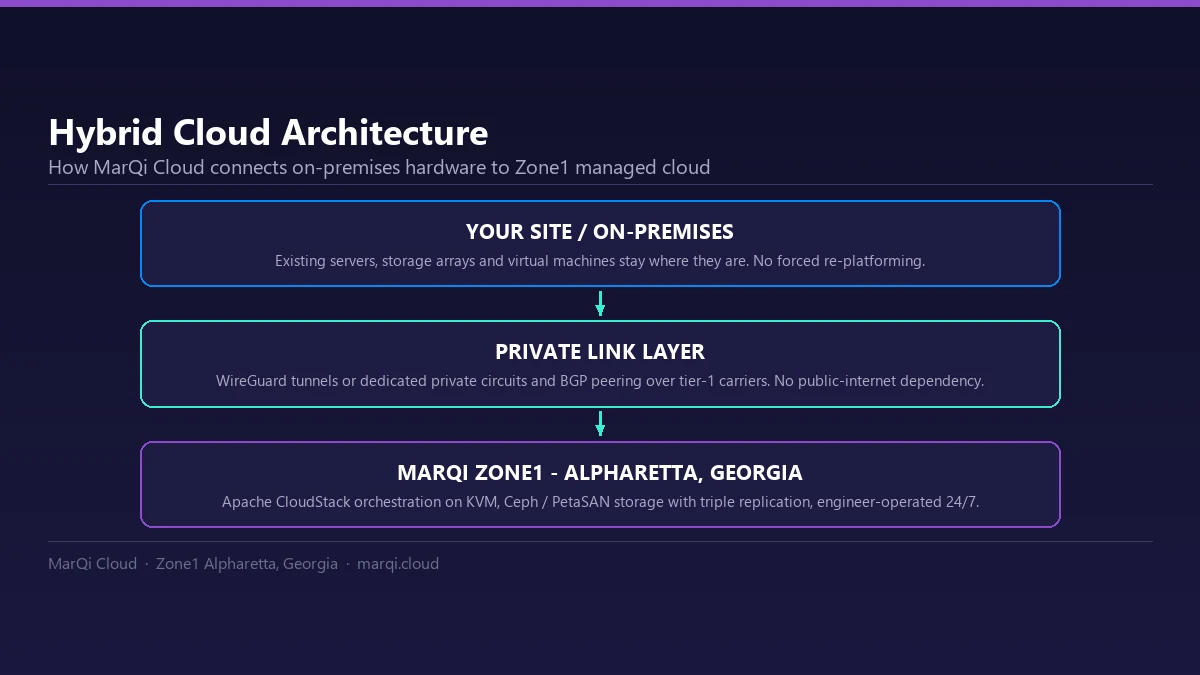
Hybrid cloud app development is the process of creating applications that can run across private clouds, public clouds (like AWS or Azure), and on-premises systems. This approach lets businesses keep sensitive data secure while using the cloud for scaling, flexibility, and better performance.
Key Features of Hybrid Cloud App Development:
- Portability: Apps can move between private and public clouds easily.
- Flexible Infrastructure: Use on-premises systems for legacy apps and the cloud for new or high-demand services.
- Modern Tools: Uses containers (Docker), Kubernetes, and automation to simplify management.
- Scalable: Resources can grow or shrink depending on demand.
Benefits of Hybrid Cloud:
- Flexible Operations: Run workloads where they perform best.
- Cost-Effective: Pay only for the resources you use.
- Reliable & Resilient: Backup and failover across clouds reduce downtime.
- Improved Performance: Fast response and low latency for end users.
- Innovation Ready: Easily access AI, analytics, and other modern cloud tools.
Hybrid Cloud vs Multi Cloud:
- Hybrid Cloud mixes public and private clouds to run the same applications together. This lets companies keep sensitive data secure while using the public cloud for extra resources and scaling.
- Multi-cloud uses several public clouds separately for different tasks. This approach helps businesses pick the best services, avoid relying on one provider, and manage costs efficiently.
- Main Difference: Hybrid cloud connects different cloud types for the same app, while multi cloud spreads tasks across multiple clouds.
Who should use Hybrid Cloud App Development?
- Businesses with existing on-premises systems.
- Companies needing strong security and regulatory compliance.
- Organizations looking to scale apps without compromising sensitive data.
- Teams are transitioning apps to the cloud gradually.
How does it really work?
- Combines resources from private and public clouds.
- Connects systems using networks, VPNs, and APIs.
- Uses containers, virtualization, and automation for easy deployment.
- Managed through central platforms to monitor, orchestrate, and allocate resources.
Importance of Scalable Cloud Services for Growing Applications
Scalable cloud services let businesses increase or decrease their cloud resources like storage, processing power, and networking based on their current needs. This flexibility keeps systems running smoothly during busy times, saves money when demand is low, and allows businesses to grow without delays.
Types of Cloud Scalability Services:
- Vertical Scaling:
- Adds resources to a single server.
- Simple to implement and ideal for smaller or legacy applications.
- Has a limit; once the server is full, horizontal scaling is needed.
- Horizontal Scaling:
- Adds more servers or virtual machines.
- Handles high availability, large workloads, and fluctuating traffic.
- Requires coordination and load balancing.
- Hybrid Scaling:
- Combines vertical and horizontal methods.
- Provides gradual and adaptable growth.
- Cost-effective and improves resilience for evolving workloads.
Benefits of Scalable Cloud Services:
Using scalable cloud services brings several advantages for businesses of all sizes:
- Cost Savings: You only pay for what you need. There’s no need to invest in expensive hardware that may not be used all the time.
- Improved Performance: Applications run smoothly even during traffic surges or heavy workloads.
- Flexibility and Agility: Quickly adjust resources when business needs change. This is especially important for growing businesses or seasonal spikes in demand.
- High Availability: Load balancing and redundancy confirm that services remain available even if a server fails.
- Better Disaster Recovery: Cloud resources can quickly scale in other locations during outages, reducing downtime and keeping your business running.
Tools and techniques for Scaling Cloud resources:
Several tools make cloud scaling easier and more efficient:
- Auto Scaling: Automatically adjusts cloud resources up or down based on demand.
- Load Balancing: Distributes traffic evenly across servers to prevent overload.
- Containerization: Packages applications in isolated containers that can be moved and scaled easily.
- Infrastructure as Code (IaC): Use code to manage and scale cloud resources efficiently.
Key Highlights of MarQi Cloud:
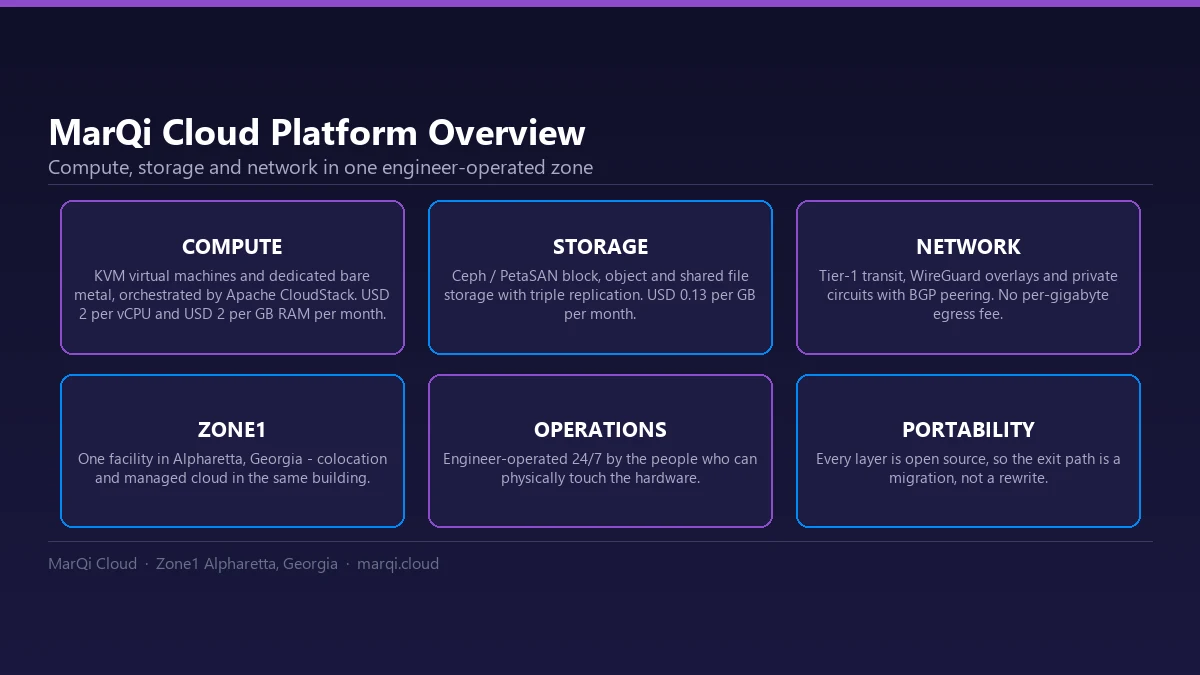
About the Platform:
- Operates its own data center with dedicated storage.
- Features a backup network to ensure services stay online.
- Provides an environment designed for scalable cloud services.
Supporting App Development:
- Offers stable infrastructure for cloud native applications.
- Helps build hybrid cloud apps that work across public and private clouds.
- Optimized for growing workloads with scalable cloud services.
Why Choose MarQi Cloud?
- Keeps apps running without interruptions.
- Speeds up app development and deployment.
- Easily adjusts resources to meet increased demand.
Conclusion:
Cloud native app development is important for today’s businesses because it provides flexibility, scalability, and the ability to grow over time. With a reliable infrastructure partner like MarQi Cloud, businesses can run reliable, high-performance applications without worry. This provides smooth operations, supports long-term growth, and allows companies to focus on innovation rather than infrastructure challenges.
Frequently Asked Questions
What is cloud native app development?
Cloud native app development is a method of building applications specifically designed to run in cloud environments. The apps are built to be scalable, flexible and high performing, and they can adjust to demand quickly while staying reliable across public, private or hybrid cloud setups.
What are the core elements of a cloud native application?
Three building blocks do the work: a micro services architecture that breaks the application into small services that can be updated or scaled separately; containers, which keep the app behaving the same across every environment; and automation with DevOps practices for deployment, scaling and monitoring.
Who should use hybrid cloud app development?
It suits businesses that already run on-premises systems, companies with strong security or regulatory compliance requirements, organisations that want to scale applications without exposing sensitive data, and teams moving their applications to the cloud gradually rather than all at once.