The IT Leader’s Guide to Private Cloud vs. Public Cloud Decision Criteria
July 29, 2026
Why Private Cloud Isolation Matters for Healthcare, Finance, and Government Workloads
July 29, 2026
How Private Cloud Environments Support Custom Compliance Configurations
In an era where data security and regulatory compliance are paramount, organizations are increasingly turning to private cloud environments as a solution to meet their unique compliance requirements. Private cloud infrastructures not only offer enhanced control over data and applications but also enable businesses to tailor their compliance configurations to align with industry regulations and standards. In this article, we will explore how private cloud environments support custom compliance configurations, the benefits they provide, and practical steps for organizations looking to leverage these environments effectively.
Understanding Private Cloud Environments
A private cloud is a computing environment exclusively used by a single organization. It provides a dedicated infrastructure that allows for greater control, security, and customization compared to public cloud solutions. Private clouds can be hosted on-premises or through a third-party provider, such as MarQi Cloud’s private cloud solutions, which are designed to meet enterprise-grade requirements.
Organizations choose private clouds for a variety of reasons, including:
- Enhanced Security: Private clouds offer a higher level of security through dedicated resources, firewalls, and access controls.
- Customization: Businesses can tailor their cloud environment to fit specific compliance standards and operational needs.
- Performance: With dedicated resources, private clouds often provide better performance for mission-critical applications.
The Importance of Compliance in Today’s Business Landscape
Compliance is crucial for organizations operating in regulated industries such as healthcare, finance, and government. Failing to adhere to compliance standards can result in severe penalties, loss of reputation, and potential legal issues. Regulations such as HIPAA, GDPR, and PCI-DSS require businesses to implement strict data protection measures, which can be challenging in a shared public cloud environment.
According to a report by the National Institute of Standards and Technology (NIST), organizations that prioritize compliance and security are better positioned to mitigate risks and protect sensitive information. This makes private cloud environments an attractive option for companies looking to enhance their compliance posture.
How Private Clouds Support Custom Compliance Configurations
Private cloud environments support custom compliance configurations by providing the necessary flexibility and control. Here are some ways they achieve this:
1. Tailored Security Protocols
Organizations can implement specific security protocols that align with their compliance requirements. For instance, healthcare organizations can enforce strict access controls and encryption standards to meet HIPAA regulations. Similarly, financial institutions can utilize multi-factor authentication and transaction monitoring to comply with PCI-DSS standards.
2. Data Residency and Sovereignty
Data residency refers to the physical location of data storage, which is a critical factor for compliance with various regulations. Private cloud environments allow organizations to choose where their data is stored, ensuring compliance with local data protection laws. For example, companies operating in Europe must comply with GDPR, which mandates that personal data of EU citizens be stored within the EU.
3. Comprehensive Auditing and Reporting
Private clouds offer advanced monitoring and reporting capabilities that enable organizations to maintain compliance. Automated audit logs can track user access and data modifications, providing a clear trail for compliance audits. This is essential for organizations looking to demonstrate adherence to regulations during external audits.
4. Customizable Disaster Recovery Solutions
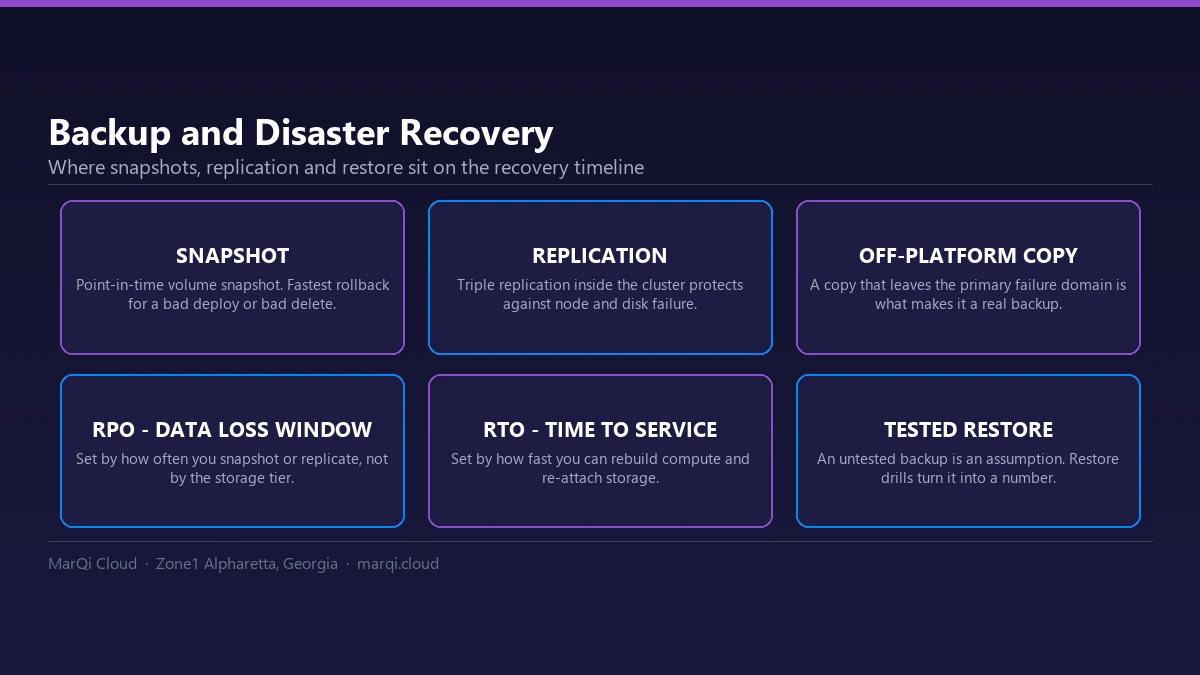
Disaster recovery (DR) is a critical component of compliance for many organizations. Private cloud solutions can be tailored to include specific DR strategies that align with regulatory requirements. For instance, organizations can implement geographically diverse backup solutions to ensure data availability and integrity in the event of a disaster.
5. Integration with Compliance Tools
Organizations can integrate third-party compliance tools with their private cloud environments to enhance their compliance posture. These tools can automate compliance checks, vulnerability assessments, and risk management processes, making it easier for organizations to maintain compliance continuously.
Benefits of Private Cloud for Compliance
Utilizing a private cloud for compliance offers several advantages:
- Improved Control: Organizations have full control over their cloud environment, allowing for tailored compliance configurations.
- Increased Security: Enhanced security measures reduce the risk of data breaches and non-compliance penalties.
- Cost Efficiency: Custom compliance configurations can lead to cost savings by optimizing resource allocation and reducing the need for compliance-related penalties.
Steps to Implement Custom Compliance in Private Clouds
Implementing custom compliance configurations in a private cloud requires careful planning and execution. Here are the essential steps:
Step 1: Assess Compliance Requirements
Identify the specific compliance regulations applicable to your organization. This may include industry standards such as HIPAA, GDPR, or SOX. Understanding these requirements is crucial for tailoring your private cloud environment.
Step 2: Choose the Right Private Cloud Provider
Select a private cloud provider that aligns with your compliance needs. Look for providers like MarQi Cloud, which offer customizable solutions and a strong focus on security and compliance.
Step 3: Design Your Cloud Architecture
Work with your cloud provider to design an architecture that meets your compliance requirements. This includes defining data storage locations, security measures, and backup strategies.
Step 4: Implement Security Controls
Deploy the necessary security controls to protect sensitive data. This may involve encryption, access controls, and network segmentation to ensure compliance.
Step 5: Monitor and Audit
Implement continuous monitoring and auditing processes to ensure ongoing compliance. Regularly review audit logs and compliance reports to identify potential issues.
Expert Tips for Achieving Compliance Success
Case Studies: Successful Compliance Configurations
Several organizations have successfully implemented custom compliance configurations in their private cloud environments:
Case Study 1: Healthcare Provider
A leading healthcare provider utilized a private cloud to meet HIPAA compliance requirements. By implementing strict access controls and encryption measures, they ensured that patient data remained secure while facilitating efficient data sharing among authorized personnel.
Case Study 2: Financial Institution
A financial institution adopted a private cloud to comply with PCI-DSS standards. They implemented multi-factor authentication and transaction monitoring to protect customer data and prevent fraud, resulting in a significant reduction in compliance-related incidents.
Frequently Asked Questions (FAQ)
What is a private cloud?
A private cloud is a dedicated cloud infrastructure exclusively used by a single organization, providing enhanced control and security compared to public clouds.
How do private clouds support compliance?
Private clouds support compliance by allowing organizations to tailor security protocols, ensure data residency, and implement comprehensive auditing and reporting.
What are the benefits of using a private cloud for compliance?
Benefits include improved control, increased security, and cost efficiency through optimized resource allocation.
How can I implement compliance in a private cloud?
Implement compliance by assessing requirements, choosing the right provider, designing cloud architecture, implementing security controls, and monitoring regularly.
What are common compliance regulations?
Common regulations include HIPAA for healthcare, GDPR for data protection in the EU, and PCI-DSS for payment card security.
Can I integrate third-party compliance tools with my private cloud?
Yes, many private cloud providers support integration with third-party compliance tools to enhance compliance monitoring and management.
How often should I audit my private cloud for compliance?
Regular audits should be conducted at least annually or whenever there are significant changes to your infrastructure or compliance requirements.
What should I do if I find compliance issues?
If compliance issues are identified, address them immediately by implementing corrective measures and documenting the actions taken.