The Complete Guide to Building a Private Cloud Environment on Dedicated Infrastructure
July 28, 2026
Why Dedicated Hardware Provides Consistent Performance Without Noisy Neighbor Issues
July 29, 2026
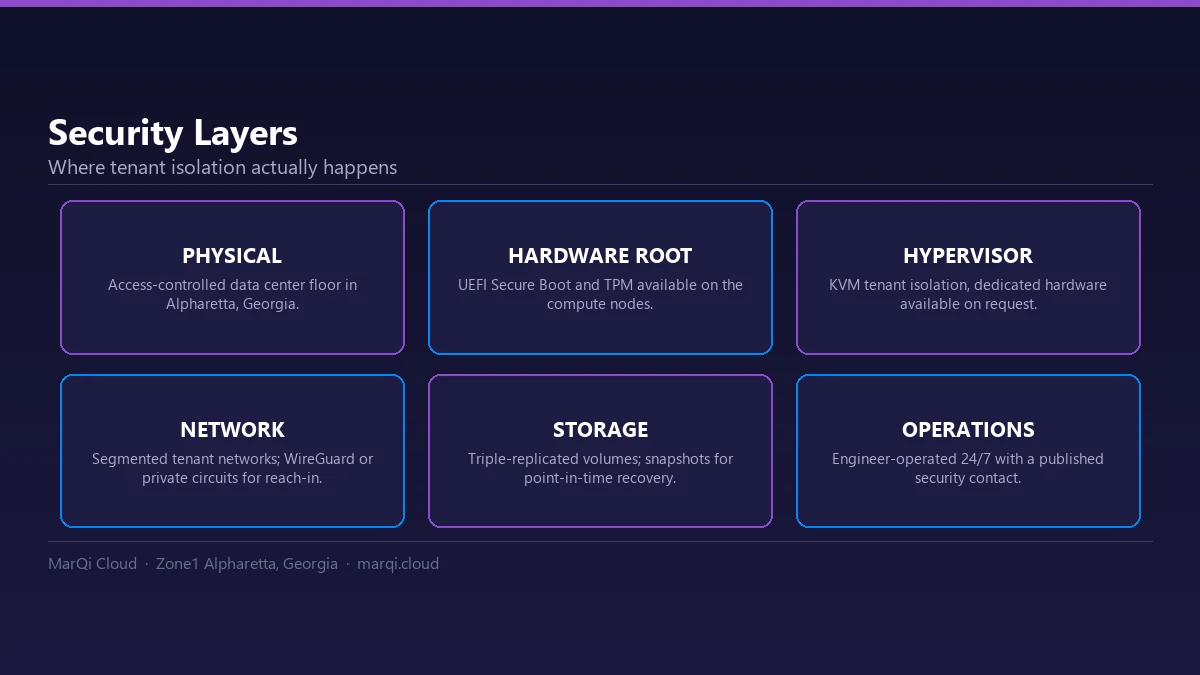
How Private Cloud Security Exceeds Public Cloud for Sensitive Data Workloads
In today’s digital landscape, organizations face the critical challenge of managing sensitive data while ensuring robust security measures. As businesses increasingly migrate their operations to the cloud, the debate between private and public cloud solutions intensifies, particularly concerning security. This article delves into how private cloud security exceeds public cloud offerings, especially for sensitive data workloads, and why businesses should consider this approach for enhanced protection and compliance.
Understanding Cloud Security
Cloud security encompasses the technologies, policies, and controls deployed to protect data, applications, and infrastructure associated with cloud computing. As organizations transition to cloud environments, understanding the nuances of cloud security becomes paramount. Security measures include data encryption, identity management, access controls, and compliance with industry standards.
In recent years, the adoption of cloud solutions has surged, with 94% of enterprises using cloud services as of 2023 (CIO). However, concerns about data breaches and regulatory compliance have led many organizations to reevaluate their cloud strategies. The choice between private and public cloud solutions is crucial in this context, particularly for businesses handling sensitive data such as healthcare records, financial information, and personally identifiable information (PII).
Private Cloud vs. Public Cloud
Before diving into the security advantages of private cloud solutions, it’s essential to understand the fundamental differences between private and public cloud environments.
| Feature | Private Cloud | Public Cloud |
|---|---|---|
| Ownership | Dedicated infrastructure owned by a single organization | Shared infrastructure managed by a third-party provider |
| Customization | Highly customizable to meet specific organizational needs | Limited customization options |
| Security | Enhanced security controls and dedicated resources | Standard security measures; shared responsibility model |
| Compliance | Easier to achieve compliance with regulatory requirements | May require additional measures for compliance |
| Cost | Higher upfront costs but lower total cost of ownership over time | Lower initial costs but can become expensive with scale |
Private clouds are tailored to the specific needs of an organization, providing dedicated resources and enhanced security. In contrast, public clouds offer a shared infrastructure model, which can result in vulnerabilities due to the multi-tenant environment. While public clouds can be cost-effective for many applications, they may not be suitable for sensitive data workloads that require stringent security measures.
Security Advantages of Private Cloud
Private cloud solutions deliver several security advantages over public clouds, making them the preferred choice for organizations handling sensitive data workloads.
1. Enhanced Data Control
With private clouds, organizations maintain complete control over their data and infrastructure. This control extends to data access, encryption protocols, and compliance measures. By hosting data on a private cloud, businesses can implement security measures tailored to their specific needs, significantly reducing the risk of unauthorized access and data breaches.
2. Customizable Security Protocols
Private clouds allow organizations to implement highly customizable security protocols. This flexibility enables businesses to apply multi-factor authentication (MFA), advanced encryption standards (AES), and intrusion detection systems (IDS) tailored to their unique operational requirements. For instance, organizations in healthcare can implement HIPAA-compliant security measures, ensuring sensitive patient data is adequately protected.
3. Dedicated Resources
In a private cloud environment, resources are dedicated solely to one organization, minimizing the risk of resource contention and potential vulnerabilities associated with shared environments. This dedicated infrastructure reduces the attack surface and enhances performance, making private clouds an ideal choice for mission-critical applications.
4. Comprehensive Monitoring and Logging
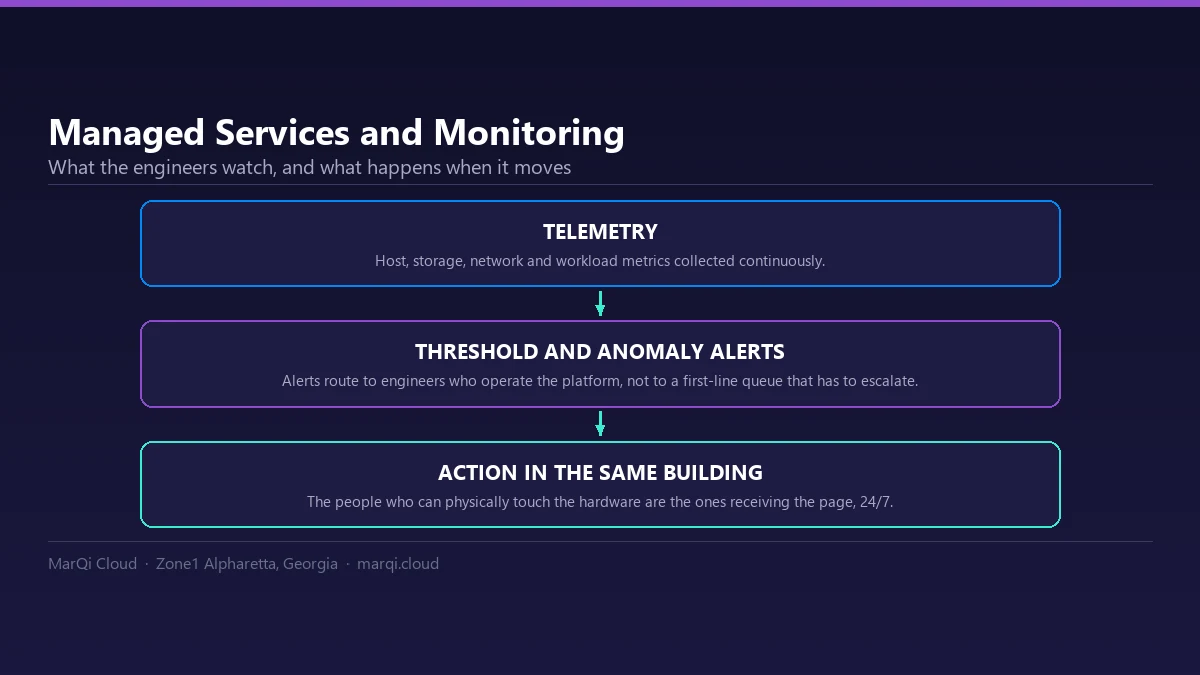
Private clouds provide organizations with comprehensive monitoring and logging capabilities. This visibility enables businesses to track user activity, detect anomalies, and respond to security incidents promptly. The ability to maintain detailed logs is essential for compliance audits and forensic investigations.
5. Stronger Compliance Posture
Compliance with industry regulations is a significant concern for organizations handling sensitive data. Private clouds simplify the compliance process by offering dedicated resources and customizable security features. For example, financial institutions can more easily adhere to regulations such as the Gramm-Leach-Bliley Act (GLBA) and Payment Card Industry Data Security Standard (PCI DSS) by tailoring their private cloud environment to meet specific compliance requirements.
Compliance and Regulations
Compliance with industry regulations is critical for organizations handling sensitive data. Private cloud solutions are often better suited to meet regulatory requirements due to their customizable nature and enhanced security features. Some of the key regulations that impact cloud security include:
- Health Insurance Portability and Accountability Act (HIPAA): Requires healthcare organizations to protect patient data through stringent security measures.
- General Data Protection Regulation (GDPR): Mandates strict data protection and privacy standards for organizations operating within the European Union.
- Federal Risk and Authorization Management Program (FedRAMP): Establishes a standardized approach to security assessment, authorization, and continuous monitoring for cloud products and services used by U.S. federal agencies.
Organizations using private clouds can implement tailored security measures that align with these regulations, ensuring compliance and reducing the risk of costly violations. For instance, MarQi Cloud offers private cloud solutions designed to meet stringent compliance standards for industries such as healthcare and finance, ensuring that sensitive data is handled with the utmost care.
Cost-Effectiveness of Private Cloud Security
While the initial investment in a private cloud may be higher than that of a public cloud, the long-term cost-effectiveness of private cloud security is notable. Organizations can benefit from:
- Reduced Risk of Data Breaches: The enhanced security measures of private clouds significantly lower the risk of data breaches, which can lead to substantial financial losses and damage to reputation.
- Long-Term Savings: Over time, the total cost of ownership of a private cloud can be lower than that of a public cloud, especially when considering the costs associated with data breaches, compliance violations, and potential downtime.
- Scalability: Private clouds offer the flexibility to scale resources as needed without compromising security, allowing organizations to adapt to changing business needs efficiently.
Real-World Case Studies
Examining real-world examples of organizations that have successfully implemented private cloud solutions can provide valuable insights into the benefits of private cloud security.
Case Study 1: Healthcare Provider
A large healthcare provider transitioned from a public cloud to a private cloud solution to enhance the security of patient data. By implementing a private cloud, the organization achieved HIPAA compliance and significantly reduced the risk of data breaches. The customized security protocols allowed for better data control and monitoring, leading to a more secure environment for sensitive patient information.
Case Study 2: Financial Institution
A financial institution faced challenges in meeting regulatory compliance in a public cloud environment. By migrating to a private cloud, the organization was able to implement tailored security measures that aligned with GLBA and PCI DSS requirements. The result was a more secure infrastructure that not only met compliance standards but also improved overall operational efficiency.
Best Practices for Private Cloud Security
To maximize the security of private cloud environments, organizations should implement the following best practices:
- Conduct Regular Security Audits: Regular audits can help identify vulnerabilities and ensure compliance with security policies.
- Implement Multi-Factor Authentication: MFA adds an additional layer of security, making it more difficult for unauthorized users to access sensitive data.
- Utilize Encryption: Encrypting data both at rest and in transit provides an added layer of protection against unauthorized access.
- Monitor User Activity: Comprehensive monitoring of user activity can help detect anomalies and potential security threats.
- Stay Informed on Compliance Requirements: Regularly review and update security measures to ensure compliance with evolving regulations.
Conclusion
In conclusion, private cloud security provides a robust solution for organizations handling sensitive data workloads. The enhanced control, customizable security protocols, dedicated resources, and stronger compliance posture make private clouds the ideal choice for businesses prioritizing data security. As organizations continue to navigate the complexities of cloud computing, investing in a private cloud solution can yield significant long-term benefits, including reduced risks, lower total cost of ownership, and improved operational efficiency. For those considering a private cloud solution, MarQi Cloud offers enterprise-grade cloud infrastructure designed to meet the highest security standards, making it the perfect partner for your cloud journey.
FAQ
What is a private cloud?
How does private cloud security differ from public cloud security?
What are the compliance benefits of using a private cloud?
Is private cloud cost-effective?
What industries benefit most from private cloud solutions?
How can organizations ensure private cloud security?
What are the key components of a private cloud security strategy?
How does MarQi Cloud support private cloud security?