The Complete Guide to Private Cloud Resource Allocation and Capacity Planning
July 29, 2026Why Private Cloud Does Not Mean Sacrificing Cloud-Native Features and Automation
July 30, 2026
How to Build a Private Cloud That Scales Without Losing Control or Security
In today’s fast-paced digital landscape, establishing a robust private cloud infrastructure is no longer just a luxury; it’s a necessity for enterprises that prioritize security, scalability, and control. As organizations strive to harness the power of cloud computing while maintaining data integrity and compliance, understanding how to build a private cloud that scales effectively is crucial. This comprehensive guide will delve into the essential elements of private cloud architecture, best practices for deployment, and strategies to ensure your cloud infrastructure remains secure and manageable. By the end of this article, you will be equipped with the knowledge to create a private cloud that meets your organization’s unique needs while ensuring optimal performance and security.
Understanding Private Cloud: An Overview
A private cloud is a dedicated cloud computing environment that is exclusively used by a single organization. Unlike public clouds, where resources are shared among multiple users, private clouds provide greater control, security, and customization. As noted by the National Institute of Standards and Technology (NIST), private clouds can be hosted on-premises or through third-party service providers, offering flexibility in deployment. This allows organizations to tailor their infrastructure to meet specific business requirements, ensuring compliance with various regulations while maintaining a high level of operational efficiency.
Key Benefits of a Scalable Private Cloud
Building a scalable private cloud offers numerous advantages:
- Enhanced Security: With a private cloud, sensitive data is stored within a controlled environment, minimizing the risk of unauthorized access.
- Increased Control: Organizations can configure and manage their cloud resources according to their unique needs, ensuring optimal performance and compliance.
- Cost Efficiency: By leveraging virtualization and automation technologies, businesses can reduce hardware costs and improve resource utilization.
- Scalability: A well-designed private cloud can easily scale to accommodate growing workloads without sacrificing performance.
- Improved Performance: Private clouds often provide better performance than public clouds due to dedicated resources and optimized network configurations.
Core Components of a Private Cloud
To build a successful private cloud, it’s essential to understand its core components:
- Compute Resources: These include servers and virtualization technologies that allow for the efficient allocation of resources.
- Storage Solutions: Organizations must select appropriate storage architectures, such as block, file, or object storage, to meet their data management needs. For a detailed comparison, refer to our article on Object Storage vs. Block Storage vs. File Storage.
- Networking Infrastructure: A robust networking setup is crucial for ensuring seamless communication between cloud components and users.
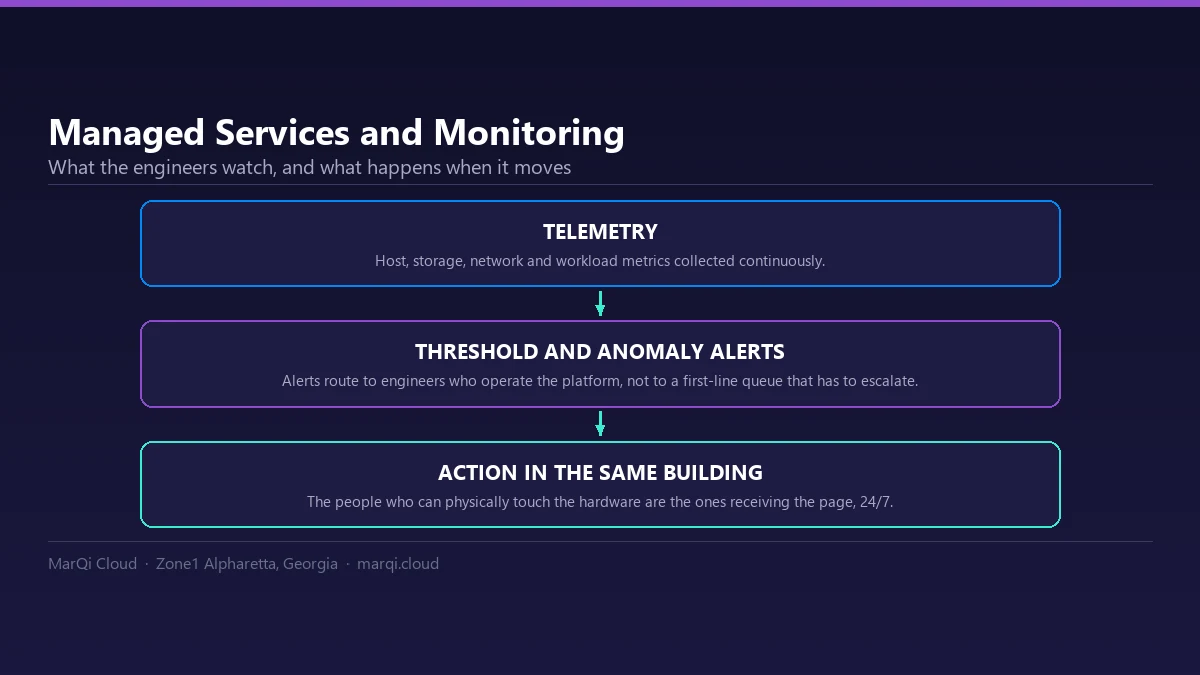
- Management Tools: These tools facilitate monitoring, orchestration, and automation of cloud resources, enhancing operational efficiency.
Steps to Build a Private Cloud
Building a private cloud requires careful planning and execution. Here are the steps to create a scalable private cloud:
- Define Your Objectives: Identify the specific goals of your private cloud, such as improving security, enhancing scalability, or reducing costs.
- Assess Your Infrastructure: Evaluate your existing IT infrastructure to determine what can be leveraged and what needs to be upgraded.
- Select the Right Technology Stack: Choose the appropriate hardware and software solutions that align with your objectives. Consider using open-source solutions for greater flexibility.
- Design Your Architecture: Create a blueprint for your cloud infrastructure, including compute, storage, and networking components.
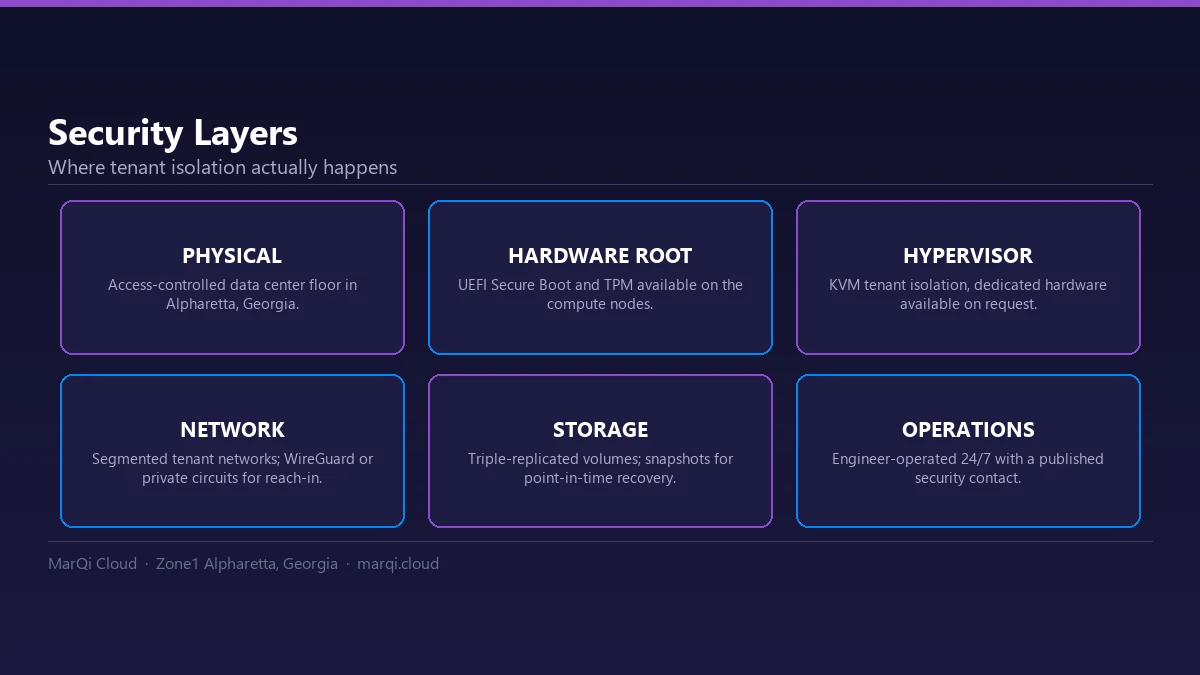
- Implement Security Measures: Establish security protocols to protect your cloud environment, including firewalls, encryption, and access controls.
- Deploy and Test: Roll out your private cloud in phases, testing each component to ensure it meets performance and security requirements.
- Monitor and Optimize: Continuously monitor your cloud performance and make adjustments as necessary to maintain efficiency and security.
Security Considerations in Private Cloud Deployment
Security is paramount when building a private cloud. Here are key considerations:
- Data Encryption: Encrypt data both at rest and in transit to prevent unauthorized access.
- Access Controls: Implement role-based access controls to limit user access to sensitive information.
- Regular Audits: Conduct regular security audits to identify vulnerabilities and ensure compliance with industry regulations.
- Disaster Recovery Planning: Develop a disaster recovery plan to ensure business continuity in the event of data loss or system failure. For more on disaster recovery, check out our guide on How MarQi Cloud Handles Disaster Recovery.
Best Practices for Scaling Your Private Cloud
Scaling a private cloud effectively requires adherence to best practices:
- Automate Scaling Processes: Use automation tools to dynamically allocate resources based on demand, ensuring optimal performance.
- Monitor Usage Patterns: Regularly analyze resource utilization to identify trends and adjust capacity accordingly.
- Implement Load Balancing: Distribute workloads evenly across servers to prevent bottlenecks and ensure consistent performance.
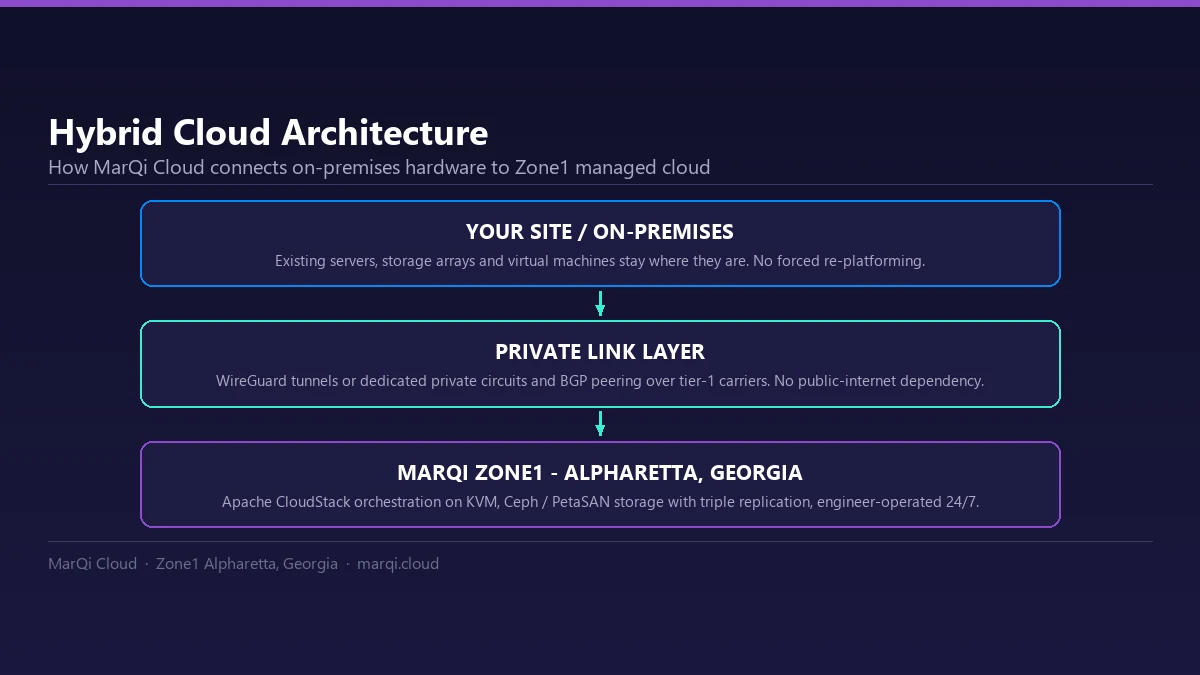
- Leverage Hybrid Cloud Strategies: Consider integrating hybrid cloud solutions to enhance scalability and flexibility. For insights on hybrid cloud strategies, refer to our article on Why Hybrid Cloud on MarQi Cloud Is the Smartest Move for Growing Businesses.
Real-World Examples of Successful Private Cloud Implementations
Numerous organizations have successfully implemented private clouds to meet their operational needs:
| Company | Industry | Implementation Highlights |
|---|---|---|
| Company A | Healthcare | Enhanced patient data security and compliance with HIPAA regulations. |
| Company B | Finance | Improved data processing speed and reduced operational costs. |
| Company C | Education | Facilitated remote learning while ensuring data privacy for students. |
Conclusion
Building a private cloud that scales without losing control or security is a complex but achievable goal. By understanding the core components, following best practices, and implementing robust security measures, organizations can create a cloud environment that meets their unique needs. Emphasizing scalability and security will not only enhance operational efficiency but also position your business for future growth. If you’re ready to take the next step in cloud infrastructure, consider partnering with MarQi Cloud to leverage our enterprise-grade solutions for your private cloud deployment.
FAQ
What is a private cloud?
A private cloud is a cloud computing environment used exclusively by one organization, providing greater control, security, and customization compared to public clouds.
How does a private cloud ensure data security?
Private clouds implement robust security measures, including data encryption, access controls, and regular audits to protect sensitive information.
What are the benefits of scaling a private cloud?
Scaling a private cloud enhances resource utilization, improves performance, and allows organizations to adapt to changing workloads efficiently.
Can I integrate a private cloud with a public cloud?
Yes, many organizations use hybrid cloud strategies to combine the benefits of both private and public clouds, optimizing cost and performance.
What technologies are commonly used in private cloud deployments?
Common technologies include virtualization software, storage solutions, and management tools that facilitate resource allocation and monitoring.
How do I ensure compliance in a private cloud?
Organizations can ensure compliance by implementing security protocols, conducting regular audits, and adhering to industry regulations.
What is the role of automation in private cloud scaling?
Automation helps dynamically allocate resources based on demand, improving efficiency and reducing manual intervention.
How can I monitor my private cloud’s performance?
Utilizing management tools that provide real-time analytics and monitoring capabilities is essential for assessing performance and making necessary adjustments.