
Open Source Hybrid Cloud: The Future of Enterprise IT
March 18, 2026
Why Georgia Is Ideal for AI Research Labs
March 19, 2026
How to Scale GPU Clusters in Atlanta: A Comprehensive Guide for Businesses
In today’s fast-paced technological landscape, the demand for high-performance computing has surged, particularly in the realm of artificial intelligence (AI), machine learning (ML), and big data analytics. As businesses in Atlanta strive to maintain a competitive edge, scaling GPU clusters has become a critical consideration. This article will provide a comprehensive guide on how to effectively scale GPU clusters in Atlanta, focusing on the unique needs of enterprises and the advantages of leveraging cloud infrastructure.
Understanding GPU Clusters
Before diving into scaling strategies, it’s important to understand what GPU clusters are. A GPU cluster consists of multiple interconnected graphic processing units (GPUs) that work together to perform complex computations at high speeds. GPUs are particularly well-suited for tasks that require parallel processing, making them ideal for AI and ML workloads.
Benefits of Using GPU Clusters
- High Performance: GPU clusters can significantly reduce the time required to train machine learning models or process large datasets.
- Scalability: They allow for easy scaling; businesses can add more GPUs as their computational needs grow.
- Cost-Effectiveness: By optimizing resource usage, GPU clusters can reduce operational costs.
- Flexibility: They can be deployed on-premises, in the cloud, or as a hybrid solution.
Assessing Your Needs for Scaling GPU Clusters
Before initiating the process of scaling GPU clusters, businesses in Atlanta should conduct a thorough assessment of their needs. This involves evaluating current workloads, anticipated growth, and specific use cases. Here are some key factors to consider:
1. Workload Analysis
Understanding the types of workloads your GPU cluster will handle is essential. Are you focusing on deep learning, data processing, or graphics rendering? Analyzing the specific requirements of these workloads will guide your scaling strategy.
2. Performance Requirements
Determine the performance benchmarks needed for your operations. This includes assessing the desired speed of computations, latency requirements, and the volume of data to be processed.
3. Future Growth Projections
Consider your business’s growth trajectory. Will you need to scale your GPU resources in the near future? Planning for future demands will help you avoid costly upgrades later.
Strategies for Scaling GPU Clusters
Once you’ve assessed your needs, the next step is to implement effective strategies for scaling your GPU clusters. Here are some approaches to consider:
1. Leveraging Cloud Infrastructure
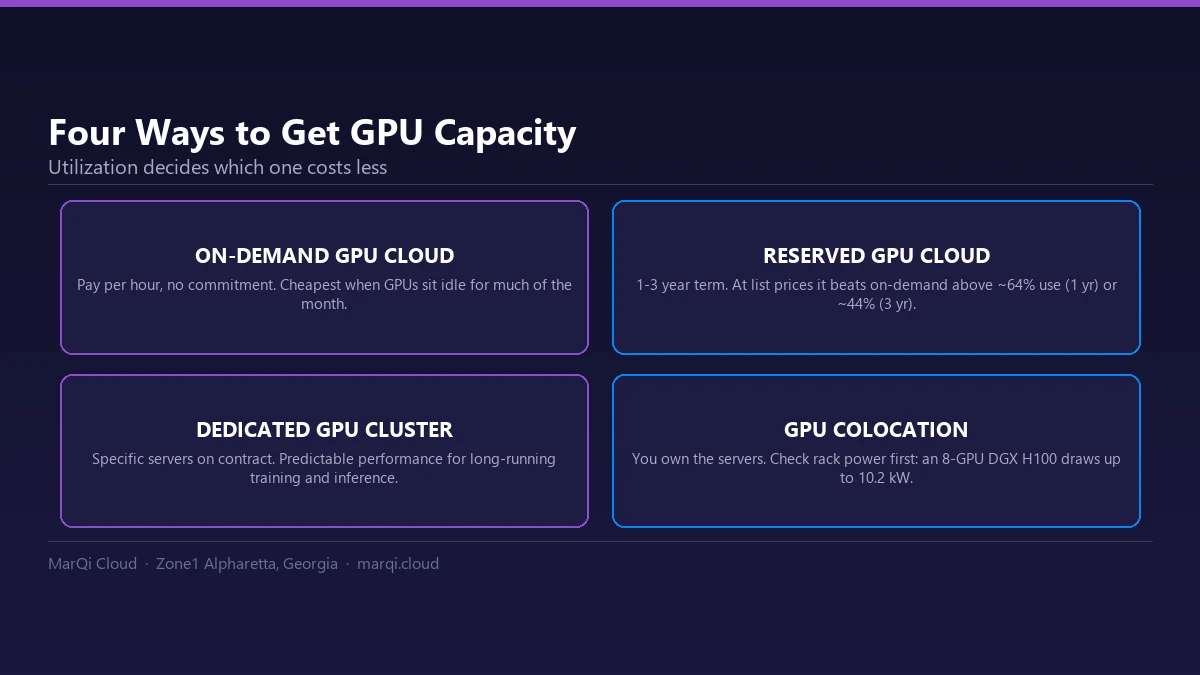
One of the most efficient ways to scale GPU clusters is by using enterprise-grade cloud infrastructure. Providers like MarQi Cloud offer scalable compute and storage resources that can be tailored to your needs. Here are the benefits:
- On-Demand Resources: Access GPUs as needed without upfront investments in hardware.
- Flexible Pricing Models: Pay only for what you use, making it cost-effective for varying workloads.
- Business Continuity: Cloud solutions often include disaster recovery options, ensuring data safety and accessibility.
2. Hybrid Cloud Deployment Models
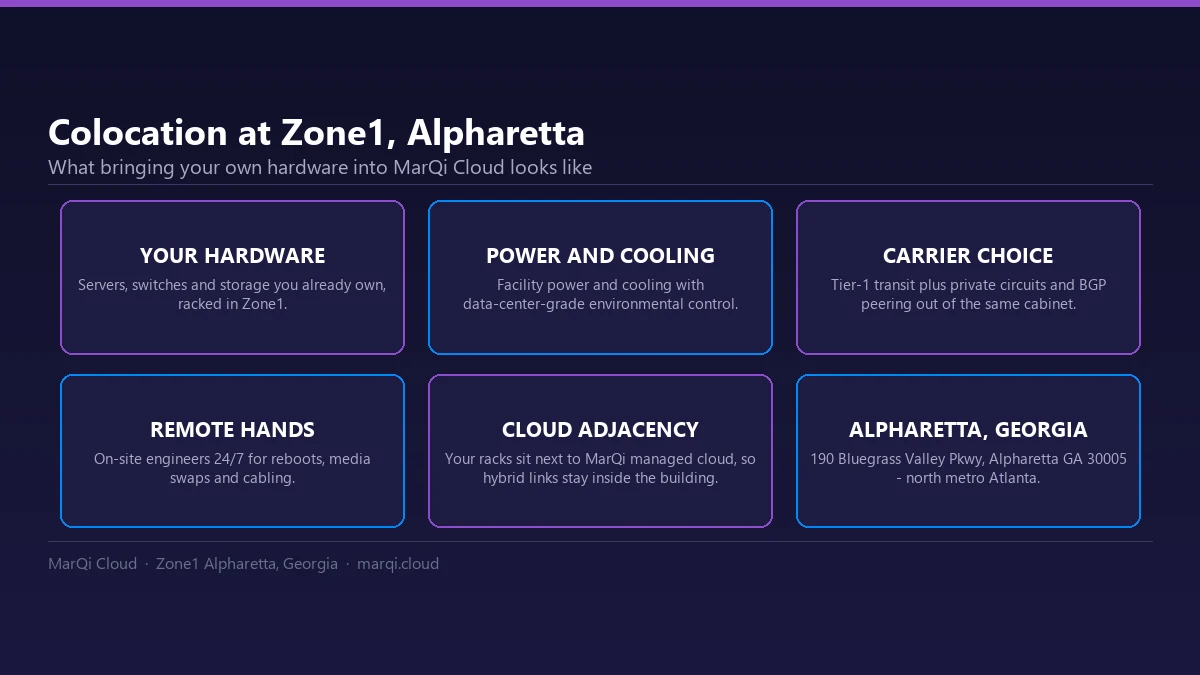
For businesses that require both on-premises and cloud solutions, a hybrid cloud deployment model offers the best of both worlds. This allows you to scale GPU resources based on workload demands while maintaining sensitive data within a private hosting environment.
3. Optimizing Resource Allocation
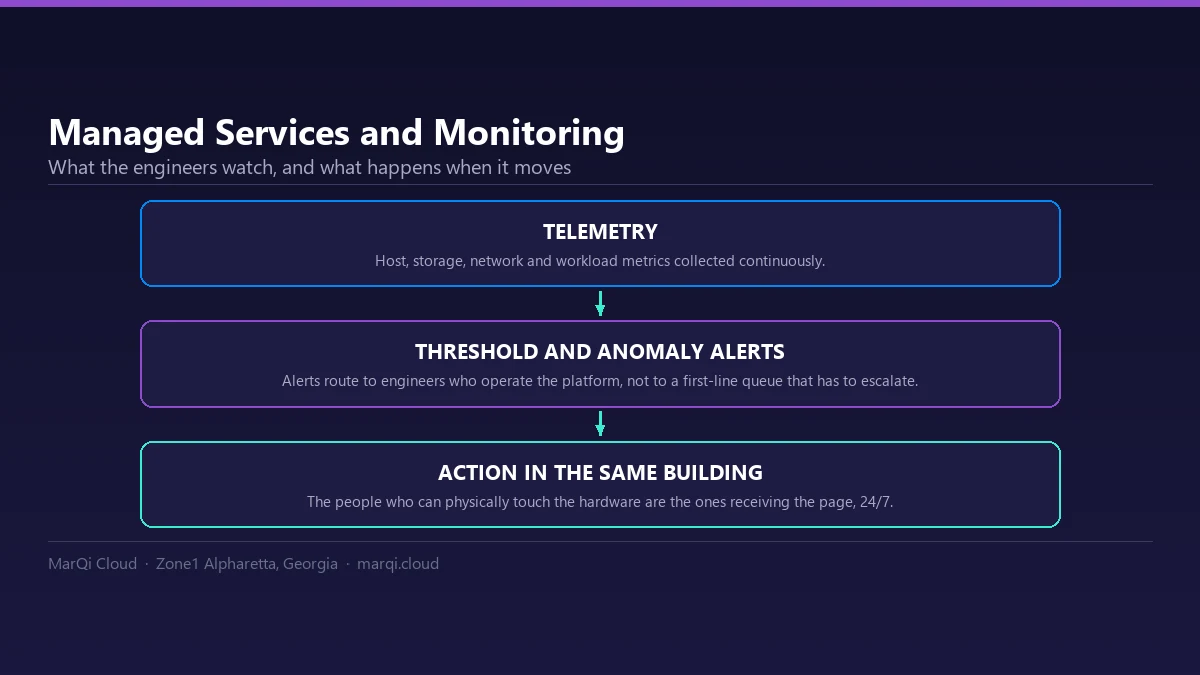
Proper resource allocation is crucial for maximizing the effectiveness of your GPU clusters. Utilize performance monitoring tools to understand usage patterns and optimize resource distribution based on current workloads.
4. Implementing Load Balancing
Load balancing helps distribute workloads evenly across your GPU cluster, preventing any single unit from becoming a bottleneck. This ensures optimal performance and efficiency.
Choosing the Right GPU Hardware
When scaling GPU clusters, selecting the appropriate hardware is vital. Key considerations include:
1. GPU Specifications
Evaluate the specifications of various GPU models. Look for features such as memory capacity, processing power, and support for parallel processing tasks.
2. Compatibility
Ensure that your chosen GPUs are compatible with your existing infrastructure and software applications. This will streamline the integration process.
3. Vendor Support
Select hardware vendors that offer comprehensive support and maintenance services, ensuring optimal performance of your GPU clusters.
Security Considerations
As you scale your GPU clusters, security must remain a top priority. Here are some essential security measures:
1. Data Encryption
Implement encryption for data at rest and in transit to protect sensitive information from unauthorized access.
2. Access Controls
Establish strict access controls to limit who can access GPU resources and sensitive data.
3. Regular Security Audits
Conduct regular security audits to identify vulnerabilities in your GPU cluster and address them promptly.
Monitoring and Maintenance
Regular monitoring and maintenance of your GPU clusters are essential for ensuring optimal performance. Key practices include:
1. Performance Monitoring
Utilize monitoring tools to track performance metrics, such as GPU utilization, memory usage, and processing times. This data can inform scaling decisions.
2. Routine Maintenance
Schedule routine maintenance checks to ensure that hardware and software are functioning correctly and to address any issues proactively.
Conclusion
Scaling GPU clusters in Atlanta is a strategic approach that can empower businesses to harness the full potential of high-performance computing. By leveraging enterprise-grade cloud infrastructure, optimizing resource allocation, and prioritizing security and maintenance, organizations can effectively scale their GPU resources to meet evolving demands. As the landscape of technology continues to advance, ensuring your GPU clusters are scalable and efficient will be a key factor in maintaining a competitive edge.
FAQ
1. What is a GPU cluster?
A GPU cluster is a collection of interconnected GPUs that work together to perform complex computations, particularly beneficial for tasks requiring parallel processing.
2. How can I scale my GPU cluster effectively?
Effective scaling can be achieved through cloud infrastructure, hybrid deployment models, optimizing resource allocation, and implementing load balancing.
3. What are the benefits of using cloud infrastructure for GPU clusters?
Cloud infrastructure offers on-demand resources, flexible pricing, business continuity solutions, and the ability to scale quickly without upfront costs.
4. What security measures should I implement for my GPU cluster?
Implement data encryption, access controls, and conduct regular security audits to safeguard your GPU resources and sensitive data.
5. How do I choose the right GPU hardware?
Consider GPU specifications, compatibility with existing infrastructure, and vendor support when selecting hardware for your GPU cluster.
6. What is a hybrid cloud model?
A hybrid cloud model combines on-premises infrastructure with cloud resources, allowing for greater flexibility and scalability based on workload demands.
7. How can I monitor the performance of my GPU cluster?
Utilize performance monitoring tools to track metrics such as GPU utilization, memory usage, and processing times for informed scaling decisions.
8. What are the common use cases for GPU clusters?
Common use cases include deep learning, data processing, simulations, graphics rendering, and scientific computing.
9. Can I integrate GPUs into my existing infrastructure?
Yes, but it’s important to ensure compatibility with your current systems and to plan for any necessary upgrades.
10. Why is maintenance important for GPU clusters?
Routine maintenance helps ensure optimal performance, prevent hardware failures, and address any potential issues before they escalate.