Optimizing LLM Fine-Tuning Infrastructure: A Deep Dive into Storage Throughput, Networking, and GPU Scheduling
February 24, 2026
Building a Private Database Layer: HA Options for Cloud-Native Apps
February 24, 2026
Hybrid Cloud for Healthcare and Finance: Key Considerations for Contracts and SLAs
As industries evolve, the demand for efficient and secure cloud solutions has grown exponentially, especially in sectors like healthcare and finance. Hybrid cloud infrastructure combines the best of both public and private environments, offering flexibility, scalability, and enhanced security. However, navigating contracts and Service Level Agreements (SLAs) in this complex landscape can be daunting. This article will guide you through the essential elements to consider when entering into agreements for hybrid cloud services in healthcare and finance.
Understanding Hybrid Cloud Infrastructure
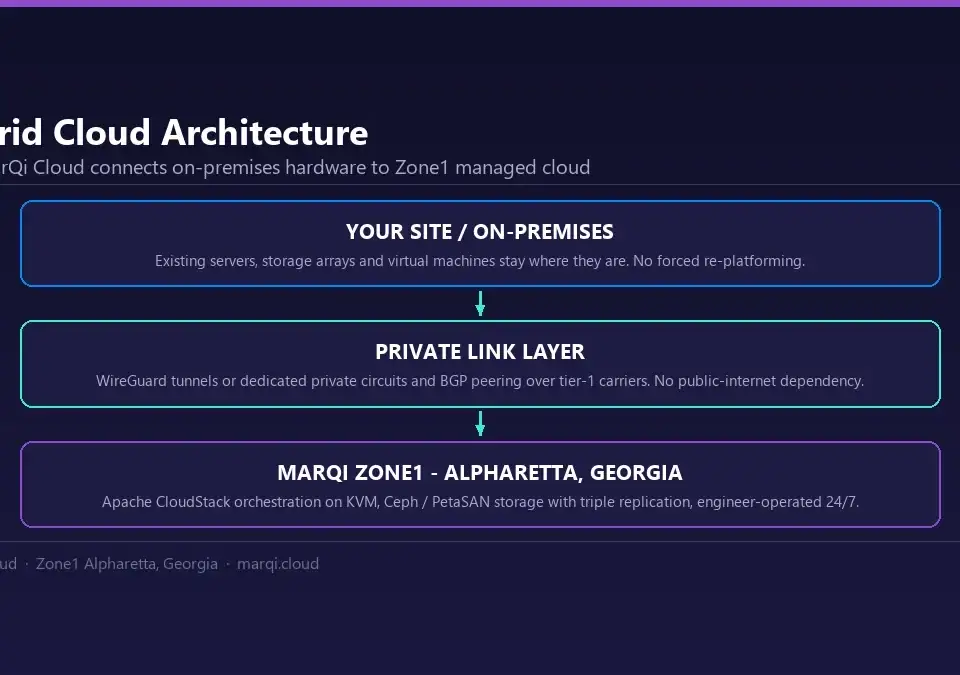
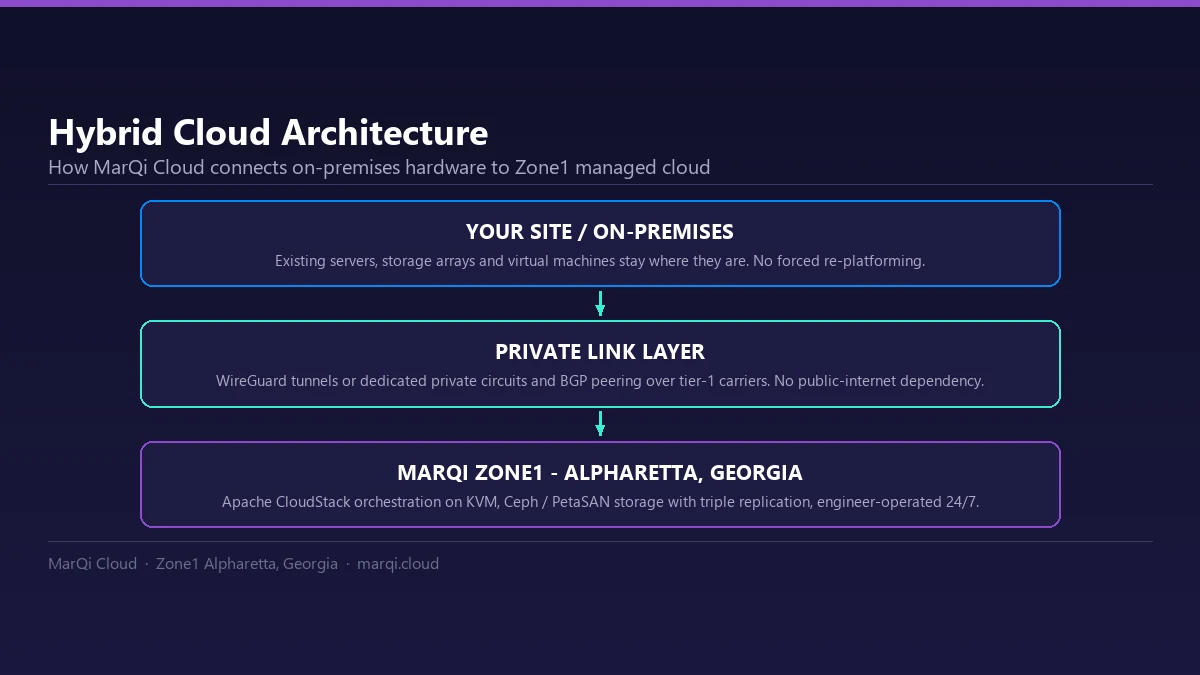
Before diving into contracts and SLAs, it’s crucial to understand what hybrid cloud infrastructure entails. A hybrid cloud merges public cloud services with private cloud resources, allowing organizations to manage workloads across both environments seamlessly. This model provides the flexibility to scale resources according to demand while maintaining the security of sensitive data.
Why Hybrid Cloud is Vital for Healthcare and Finance
Both the healthcare and finance sectors handle highly sensitive data, making security and compliance paramount. The hybrid cloud offers several advantages for these industries:
1. Enhanced Security
With a hybrid model, critical data can be stored in a private cloud, while less sensitive information can leverage the cost-effectiveness of public cloud solutions. This dual approach enhances security and ensures compliance with regulations like HIPAA in healthcare and GDPR in finance.
2. Scalability and Flexibility
Healthcare and finance organizations often experience fluctuations in demand. Hybrid cloud solutions allow for quick scaling of resources, enabling companies to adapt to changing needs without significant upfront investment.
3. Business Continuity
In both sectors, downtime can lead to significant financial loss and reputational damage. Hybrid cloud environments can provide robust disaster recovery solutions, ensuring that critical systems remain operational during unexpected disruptions.
Key Elements in Contracts for Hybrid Cloud Services
When entering into contracts with hybrid cloud providers, several critical elements must be thoroughly evaluated:
1. Service Description
The contract should clearly outline the services being provided, including details on the hybrid cloud setup, data storage, and management responsibilities. This clarity helps avoid misunderstandings and sets expectations for both parties.
2. Compliance and Security Requirements
Given the sensitive nature of data in healthcare and finance, contracts must specify compliance with relevant regulations. Look for clauses that detail the provider’s commitment to maintaining security standards and data privacy.
3. Performance Metrics
Contracts should define the performance metrics for the hybrid cloud service. This includes uptime guarantees, response times, and throughput, ensuring that the provider meets the performance expectations necessary for your business operations.
4. Resource Allocation and Scalability
It’s essential to understand how resources will be allocated and the process for scaling them as needed. The contract should specify how the provider will handle increases in demand and any associated costs.
Key Elements in SLAs for Hybrid Cloud Services
Service Level Agreements are critical components of any cloud service contract. Here are the key elements to look for:
1. Uptime Guarantees
The SLA should specify the expected uptime for the hybrid cloud environment. Look for guarantees of at least 99.9% uptime, which is essential for maintaining operations in both healthcare and finance sectors.
2. Incident Response Times
In the event of an outage or issue, the SLA should outline the expected response times for incident resolution. Quick response times are crucial in minimizing downtime and potential data loss.
3. Data Backup and Recovery
SLAs must include detailed provisions regarding data backup processes and disaster recovery solutions. Ensure that the provider’s backup frequency and recovery time objectives (RTO) align with your business continuity plans.
4. Support Availability
Healthcare and finance organizations may require 24/7 support to address any issues that arise. The SLA should detail the availability of technical support and the channels through which it can be accessed.
Negotiating Favorable Terms
When negotiating contracts and SLAs, consider the following strategies:
1. Leverage Competitive Offers
Research multiple cloud providers and their offerings. Having competitive options can strengthen your negotiating position and help you secure better terms.
2. Seek Customization
Every organization has unique needs. Don’t hesitate to request customization of contract terms and SLAs to better align with your specific operational requirements.
3. Engage Legal and IT Teams
Involving legal and IT professionals in the negotiation process can ensure that all aspects of the contract are thoroughly reviewed and that your organization’s interests are protected.
Conclusion
As the healthcare and finance sectors continue to embrace hybrid cloud solutions, understanding the nuances of contracts and SLAs becomes increasingly vital. By focusing on key elements and negotiating favorable terms, organizations can harness the benefits of hybrid cloud infrastructure while safeguarding their sensitive data and ensuring compliance with regulations. Engaging with a trusted provider like MarQi Cloud can further enhance your cloud strategy, offering enterprise-grade infrastructure and US-based support tailored to your needs.
FAQ
1. What is a hybrid cloud?
A hybrid cloud combines public and private cloud services, allowing organizations to manage workloads across both environments for enhanced flexibility and security.
2. Why is hybrid cloud important for healthcare?
Hybrid cloud solutions enhance security, scalability, and business continuity, making them vital for the sensitive data management required in healthcare.
3. What should I look for in a cloud service contract?
Look for clear service descriptions, compliance requirements, performance metrics, and scalability options in your cloud service contract.
4. How can I ensure data security in a hybrid cloud?
Choose a provider that complies with relevant regulations and has robust security measures in place to protect sensitive data.
5. What is an SLA?
A Service Level Agreement (SLA) outlines the expected performance and service standards between a cloud provider and its clients.
6. What uptime guarantees are typical for hybrid cloud services?
Most hybrid cloud providers offer uptime guarantees of at least 99.9% to ensure continuous operations.
7. How can I negotiate better terms in my cloud contract?
Research competitive options, seek customization, and involve legal and IT teams in the negotiation process to secure better terms.
8. What is business continuity in the context of hybrid cloud?
Business continuity refers to the strategies and processes that ensure critical operations can continue during and after disruptive events, often supported by robust hybrid cloud solutions.