24/7 Monitoring: What ‘Real Support’ Should Include (and Red Flags)
March 5, 2026
Backup Strategy for US Businesses: Implementing the 3-2-1 Rule with Immutable Backups
March 5, 2026
Incident Response in the Cloud: A Comprehensive US Business Runbook
In today’s digital landscape, cloud computing has become a cornerstone for businesses across various sectors. While the cloud offers unparalleled scalability and flexibility, it also introduces unique security challenges. In this context, having a robust incident response plan is crucial for US businesses to effectively manage and mitigate incidents. This article serves as a comprehensive runbook for incident response in the cloud, outlining best practices, strategies, and considerations for organizations.
Understanding Incident Response
Incident response (IR) is the systematic approach to managing and addressing security breaches or cyberattacks. An effective incident response plan is vital for minimizing damage, reducing recovery time, and ensuring compliance with regulations. In the cloud environment, incident response requires a tailored approach due to the shared responsibility model, where both the cloud service provider (CSP) and the customer play roles in security.
The Shared Responsibility Model
In the shared responsibility model, the CSP is responsible for the security of the cloud infrastructure, while the business is responsible for securing its data and applications hosted in the cloud. Understanding this model is essential for developing an effective incident response plan. Responsibilities may include:
- CSP Responsibilities: Physical security, network security, and hypervisor security.
- Customer Responsibilities: Data encryption, access controls, and application security.
Developing an Incident Response Plan
An incident response plan is a formalized process that outlines how an organization will respond to security incidents. Key components of an effective plan include:
1. Preparation
Preparation involves establishing an incident response team (IRT) and providing training to team members. The IRT should be well-versed in cloud technologies and security protocols. Additionally, organizations should implement tools and technologies that facilitate incident detection and response.
2. Identification
During the identification phase, organizations need to detect and confirm incidents. This involves monitoring cloud environments for suspicious activities and anomalies. Utilizing security information and event management (SIEM) tools can enhance visibility and detection capabilities.
3. Containment
Once an incident is identified, the next step is containment. This critical phase aims to limit the damage caused by the incident. Depending on the severity, containment strategies may include isolating affected systems or disabling certain functionalities.
4. Eradication
After containment, the focus shifts to eradicating the root cause of the incident. This may involve removing malware, patching vulnerabilities, or addressing misconfigurations. Ensuring that the threat has been completely eliminated is essential to prevent recurrence.
5. Recovery
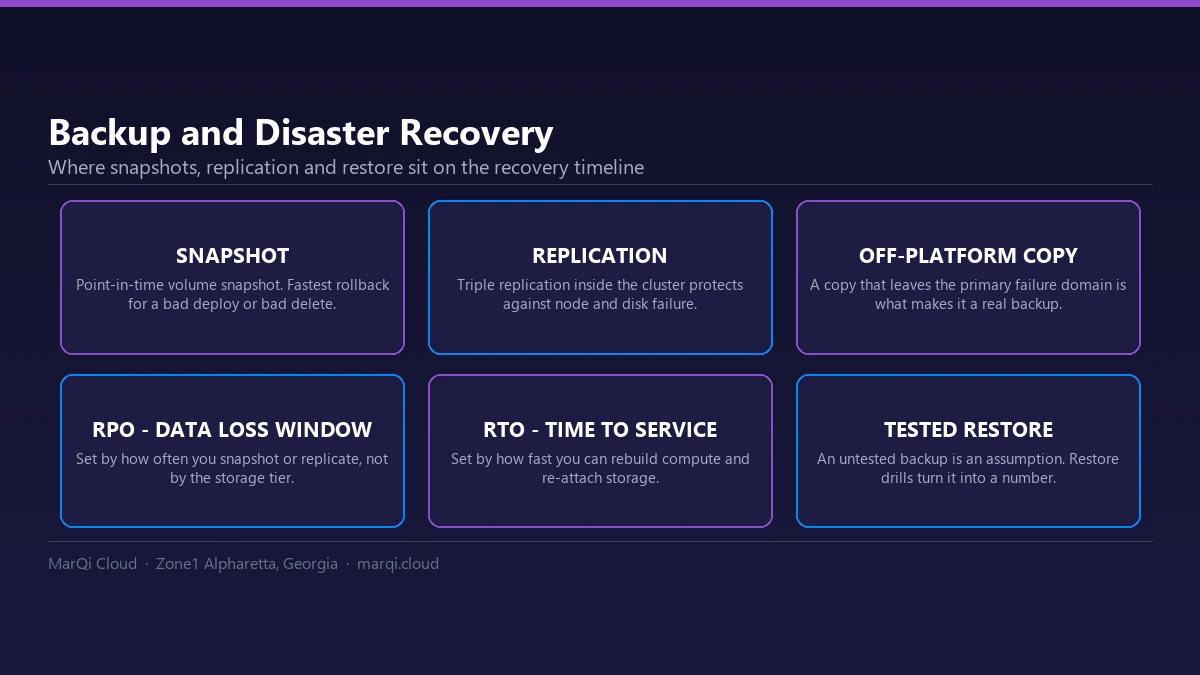
In the recovery phase, organizations work to restore systems and services to normal operations. This involves applying necessary patches, restoring data from backups, and ensuring that all systems are secure before bringing them back online.
6. Lessons Learned
The final phase of incident response is to conduct a retrospective analysis of the incident. Documenting what occurred, the effectiveness of the response, and areas for improvement is vital for enhancing future incident response efforts.
Best Practices for Cloud Incident Response
To ensure an effective incident response in the cloud, organizations should adopt the following best practices:
1. Regular Training and Drills
Conduct regular training sessions and incident response drills for the IRT to ensure that team members are prepared to handle real-world incidents effectively.
2. Implement Robust Monitoring
Utilize advanced monitoring tools to gain visibility into cloud environments. Continuous monitoring can help identify anomalies and potential threats early on.
3. Maintain Documentation
Keep thorough documentation of all incidents, responses, and recovery actions. This documentation is crucial for compliance and auditing purposes.
4. Establish Clear Communication Channels
Define clear communication protocols within the organization and with external stakeholders, including the CSP, to ensure efficient incident reporting and response.
5. Stay Updated on Threats
Regularly update the incident response plan to reflect the evolving threat landscape and incorporate lessons learned from previous incidents.
Compliance and Legal Considerations
In the US, businesses must comply with various regulatory frameworks, such as the Health Insurance Portability and Accountability Act (HIPAA), the General Data Protection Regulation (GDPR), and the Federal Information Security Management Act (FISMA). Understanding the legal implications of data breaches and incident response is essential for organizations operating in regulated industries.
Data Breach Notification Laws
Many states have data breach notification laws that require organizations to notify affected individuals and authorities in the event of a data breach. Familiarizing yourself with these laws is critical for ensuring compliance and managing potential legal repercussions.
Conclusion
Incident response in the cloud is a multifaceted process that requires careful planning, preparation, and execution. By developing a comprehensive incident response plan, adopting best practices, and staying informed about regulatory requirements, US businesses can enhance their resilience against cyber threats. As the cloud continues to evolve, organizations must remain vigilant and proactive in their approach to incident response.
FAQ
1. What is incident response in the cloud?
Incident response in the cloud refers to the process of managing and addressing security incidents that occur within cloud environments.
2. Why is a shared responsibility model important?
The shared responsibility model delineates the security responsibilities of both the cloud service provider and the customer, ensuring clarity in security obligations.
3. What are the key phases of incident response?
The key phases of incident response include preparation, identification, containment, eradication, recovery, and lessons learned.
4. How can organizations improve their incident response capabilities?
Organizations can improve incident response by conducting regular training, implementing monitoring tools, and maintaining clear documentation.
5. What compliance requirements should businesses be aware of?
Businesses should be aware of various compliance requirements, including HIPAA, GDPR, and state data breach notification laws.
6. How can I build an effective incident response team?
To build an effective incident response team, ensure members have relevant skills, provide ongoing training, and establish clear roles and responsibilities.
7. What are common cloud security threats?
Common cloud security threats include data breaches, account hijacking, insecure APIs, and insider threats.
8. How often should incident response plans be reviewed?
Incident response plans should be reviewed regularly and updated based on lessons learned from incidents and changes in the threat landscape.
9. What tools are essential for incident response?
Essential tools for incident response include SIEM systems, intrusion detection systems, and forensic analysis tools.
10. Can small businesses benefit from incident response planning?
Yes, small businesses can greatly benefit from incident response planning as it helps them mitigate risks and protect their assets effectively.