The Complete Guide to Choosing a Managed Cloud Provider for Your Business
August 27, 2026
Proactive Cloud Monitoring: Preventing Outages with Managed Services
August 28, 2026
Why Managed Cloud Infrastructure Lets Your IT Team Focus on Innovation
In today’s fast-paced digital landscape, organizations are continually seeking ways to optimize their operations and maintain a competitive edge. One of the most effective strategies to achieve this is by leveraging managed cloud infrastructure. By offloading the complexities of cloud management to a trusted provider, your IT team can redirect their focus from routine maintenance tasks to innovative projects that drive business growth. This article delves into the reasons why managed cloud infrastructure is essential for fostering innovation while ensuring efficiency and security.
Understanding Managed Cloud Infrastructure
Managed cloud infrastructure refers to the outsourcing of IT infrastructure management to a third-party service provider. This includes everything from server maintenance and network management to data storage and security. By partnering with a managed cloud provider, organizations can benefit from specialized expertise, advanced technology, and support that can enhance their operational efficiency.
The primary goal of managed cloud infrastructure is to allow businesses to focus on their core competencies while ensuring that their IT resources are well-managed and optimized. In November 2024, Gartner forecast that worldwide end-user spending on public cloud services would total $723.4 billion in 2025, up from $595.7 billion in 2024, highlighting the increasing reliance on cloud solutions across various sectors.
Benefits of Managed Cloud Infrastructure
Investing in managed cloud infrastructure offers numerous advantages that contribute to a more innovative and agile IT environment:
- Reduced Operational Burden: By outsourcing routine maintenance tasks, your IT team can concentrate on strategic initiatives that require innovation and creativity.
- Access to Expertise: Managed cloud providers employ specialists with extensive knowledge and experience in cloud technologies, ensuring that your infrastructure is always optimized and secure.
- Scalability: Managed cloud solutions allow organizations to scale their resources up or down based on demand, providing flexibility that traditional on-premises infrastructure cannot offer.
- Enhanced Security: With cyber threats on the rise, managed service providers invest in advanced security measures to protect your data and infrastructure, allowing your team to focus on innovation rather than security concerns.
- Cost-Effectiveness: By eliminating the need for in-house management and maintenance, organizations can reduce costs associated with hiring and training IT staff.
The Role of Managed Services in IT Innovation
Innovation is the lifeblood of any successful organization, and managed cloud infrastructure plays a crucial role in fostering an environment where creativity can flourish. Here’s how managed services enable innovation:
- Freed Resources: With less time spent on maintenance, IT staff can dedicate more effort to exploring new technologies and developing innovative solutions that can enhance business operations.
- Rapid Deployment: Managed cloud providers often offer pre-configured solutions and templates that allow organizations to deploy new applications and services quickly, reducing time-to-market.
- Collaboration Tools: Many managed cloud solutions come equipped with integrated collaboration tools that facilitate teamwork and streamline communication, which is essential for innovative projects.
- Data-Driven Insights: Managed cloud providers can offer advanced analytics and reporting tools that help organizations make informed decisions based on real-time data, driving innovation through insights.
Cost Analysis: Managed Cloud vs. In-House Management
To better understand the cost implications of managed cloud infrastructure, organizations should compare the expenses associated with in-house management versus outsourcing to a managed cloud provider. Below is a comprehensive comparison table that highlights key cost factors:
| Cost Factor | In-House Management | Managed Cloud Provider |
|---|---|---|
| Staff Salaries | High (multiple IT staff required) | Lower (fewer staff needed) |
| Infrastructure Costs | High (hardware, software, and maintenance) | Variable (pay-as-you-go model) |
| Training Costs | High (ongoing training and certification) | Included (provider offers training) |
| Security Measures | High (in-house security teams and tools) | Included (advanced security protocols) |
| Downtime Costs | Potentially high (unplanned outages) | Lower (SLAs for uptime) |
This table illustrates that managed cloud services often provide a more cost-effective solution, allowing organizations to allocate resources more efficiently. By focusing on innovation rather than maintenance, businesses can achieve higher returns on investment.
How to Choose the Right Managed Cloud Provider
Selecting the right managed cloud provider is critical for ensuring that your organization can fully leverage the benefits of managed cloud infrastructure. Here are some key factors to consider:
- Expertise and Experience: Look for providers with a proven track record in the industry, particularly in your specific sector.
- Service Level Agreements (SLAs): Ensure that the provider offers clear SLAs that outline performance expectations, uptime guarantees, and response times.
- Security Measures: Evaluate the security protocols and certifications the provider has in place to protect your data.
- Scalability: Choose a provider that can quickly scale resources to meet your changing business needs.
- Customer Support: Consider the availability and responsiveness of customer support services, as timely assistance is crucial for maintaining uptime.
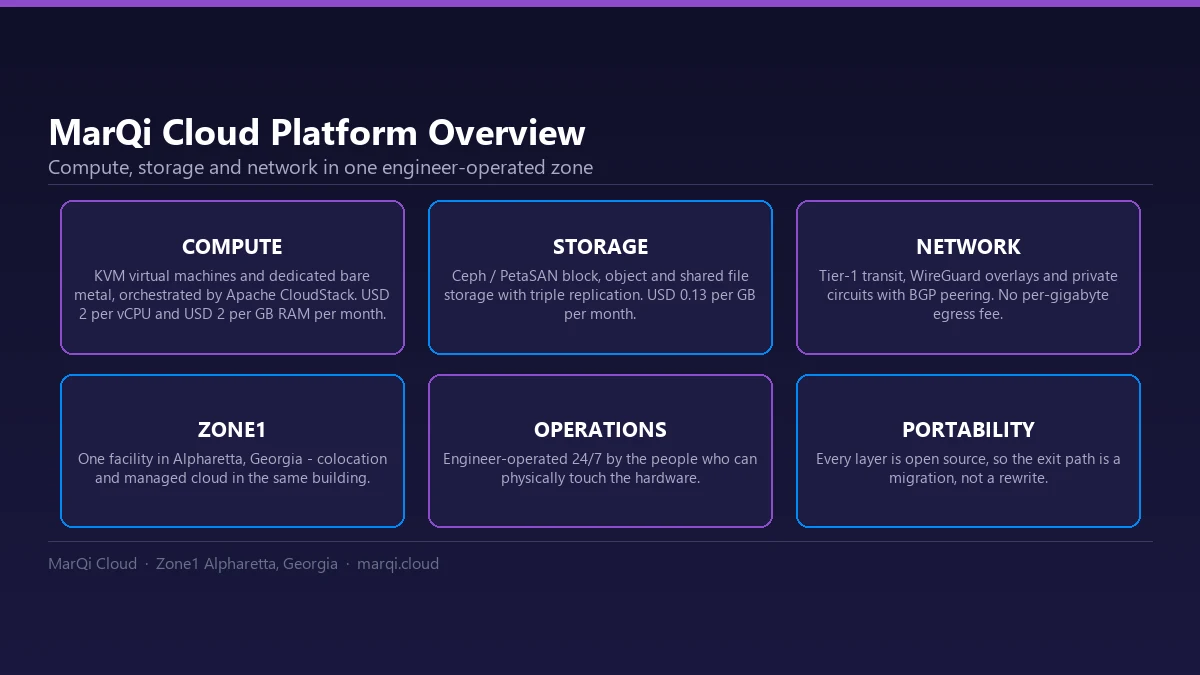
MarQi Cloud, for example, offers enterprise-grade cloud infrastructure with a focus on performance, compliance, and security. Their hybrid cloud deployment models and flexible pricing ensure that organizations can find a solution that fits their unique needs.
Conclusion
Managed cloud infrastructure is a powerful enabler of innovation, allowing IT teams to shift their focus from maintenance to strategic initiatives. By leveraging the expertise and resources of a managed cloud provider, organizations can enhance their operational efficiency, reduce costs, and ultimately foster a culture of innovation. As the digital landscape continues to evolve, investing in managed cloud infrastructure is not just a choice; it’s a necessity for businesses aiming to thrive in the modern economy.
Frequently Asked Questions
1. What is managed cloud infrastructure?
Managed cloud infrastructure involves outsourcing the management of cloud resources to a third-party provider, allowing organizations to focus on core business activities.
2. How does managed cloud infrastructure benefit IT teams?
It reduces the operational burden on IT teams, allowing them to focus on innovation and strategic initiatives instead of routine maintenance tasks.
3. What are the cost advantages of managed cloud services?
Managed cloud services often provide a cost-effective solution by reducing the need for in-house staff, infrastructure, and ongoing training.
4. How can managed cloud infrastructure enhance security?
Managed cloud providers implement advanced security measures, including encryption and continuous monitoring, to protect your data.
5. What should organizations look for in a managed cloud provider?
Key factors include expertise, service level agreements, security measures, scalability, and customer support.
6. Can managed cloud infrastructure support compliance requirements?
Yes, reputable managed cloud providers offer solutions that help organizations meet various compliance standards, such as HIPAA and PCI DSS.
7. How quickly can organizations scale their resources with managed cloud services?
Managed cloud providers typically allow for rapid scaling of resources, enabling organizations to adjust capacity based on demand.
8. What role does data analytics play in managed cloud infrastructure?
Managed cloud providers often offer advanced analytics tools that help organizations derive insights from their data, driving innovation and informed decision-making.