Why Managed Cloud Infrastructure Lets Your IT Team Focus on Innovation
August 27, 2026
The IT Manager’s Ultimate Guide to Managed Cloud Service Level Agreements
August 28, 2026
Proactive Cloud Monitoring: Preventing Outages with Managed Services
In today’s fast-paced digital landscape, businesses increasingly rely on cloud infrastructure for their operations. With this reliance comes the need for robust management and monitoring solutions that can prevent costly outages. Proactive cloud monitoring by Managed Service Providers (MSPs) is crucial in ensuring the reliability and performance of cloud environments. This article delves into how proactive monitoring can effectively prevent outages, enhance performance, and provide peace of mind for organizations.
Understanding Cloud Monitoring
Cloud monitoring refers to the processes and tools used to track and manage the performance, security, and availability of cloud services. This includes monitoring servers, applications, and databases that reside in a cloud environment. Effective monitoring ensures that any potential issues are identified and addressed before they escalate into significant problems.
Importance of Proactive Monitoring
Proactive monitoring is a strategy that emphasizes early detection and resolution of issues before they impact service availability. Unlike reactive monitoring, which only addresses problems after they occur, proactive monitoring focuses on identifying anomalies and potential failures through continuous analysis of system performance metrics.
Proactive monitoring reduces downtime because anomalies are caught and handled before they turn into outages. This not only saves money but also enhances customer satisfaction and trust.
How Proactive Monitoring Works
Proactive monitoring employs various techniques and tools to maintain a continuous watch over cloud environments. Key components include:
- Real-Time Analytics: Continuous analysis of system performance metrics to detect anomalies.
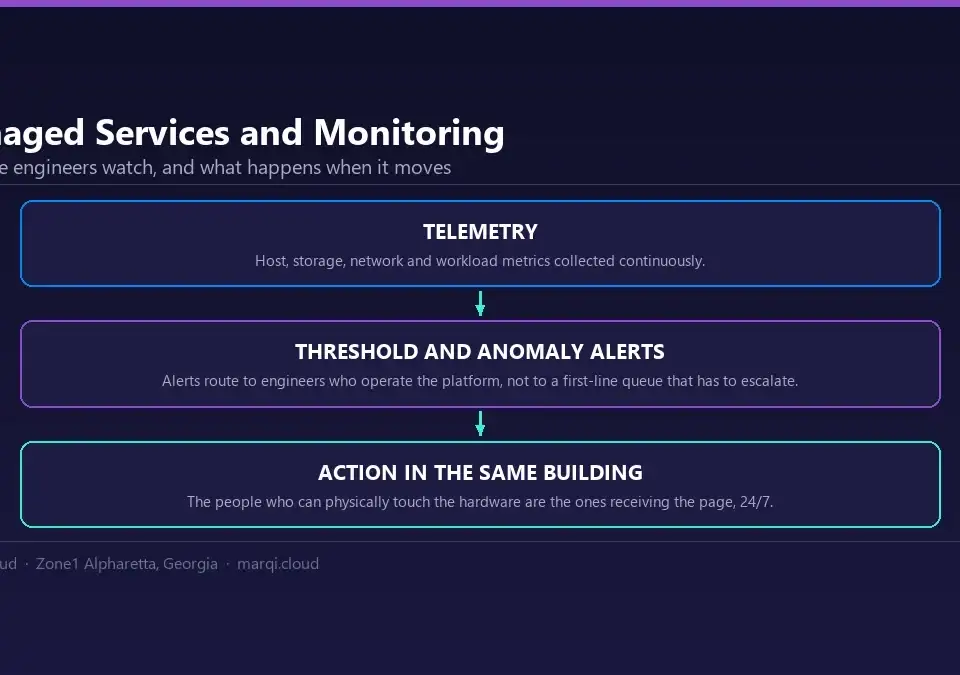
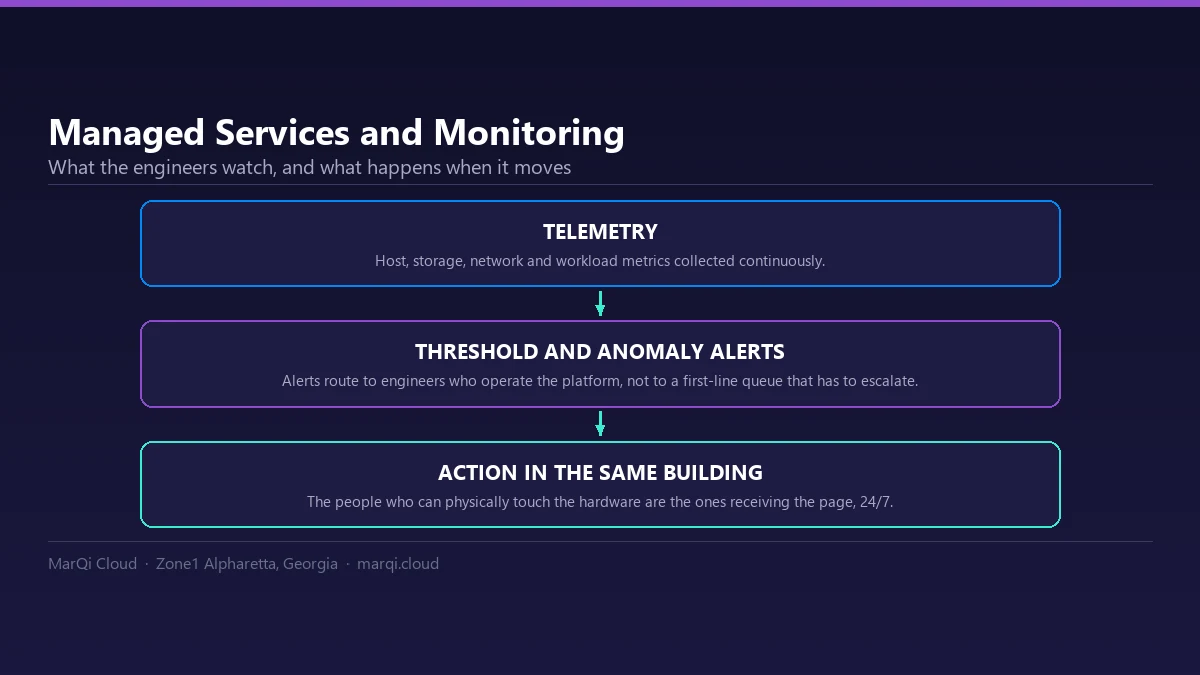
- Alerting Mechanisms: Automated alerts that notify IT teams of potential issues before they escalate.
- Performance Benchmarks: Establishing baseline performance metrics to identify deviations.
- Automated Remediation: Implementing scripts or processes that automatically resolve common issues.
By leveraging these components, organizations can maintain optimal performance, security, and availability of their cloud services.
Benefits of Proactive Cloud Monitoring
The advantages of proactive cloud monitoring are numerous:
- Reduced Downtime: Early detection of issues minimizes the risk of significant outages.
- Cost Savings: Preventing outages can save organizations from costly downtime and loss of revenue.
- Improved Performance: Continuous monitoring enhances system performance by quickly addressing bottlenecks.
- Enhanced Security: Proactive monitoring can identify security threats before they compromise systems.
- Informed Decision Making: Access to real-time data allows IT teams to make informed decisions about resource allocation and scaling.
Managed Service Providers and Cloud Monitoring
Managed Service Providers play a vital role in proactive cloud monitoring. They offer expertise and resources that many organizations may not have in-house. MSPs provide services such as:
- 24/7 Monitoring: Continuous oversight of cloud environments.
- Incident Management: Rapid response to alerts and incidents.
- Compliance Support: Ensuring that cloud environments meet regulatory requirements.
- Performance Optimization: Regular assessments to optimize performance and resource usage.
With MSPs like MarQi Cloud, organizations can leverage enterprise-grade cloud infrastructure and hybrid deployment models tailored to their unique needs. This allows businesses to focus on their core activities while ensuring their cloud environments are secure and reliable.
Comparison Table: Proactive vs. Reactive Monitoring
| Feature | Proactive Monitoring | Reactive Monitoring |
|---|---|---|
| Response Time | Immediate alerts and automated remediation | Delayed response after issue occurs |
| Cost Impact | Lower long-term costs due to reduced downtime | Higher costs due to frequent outages |
| System Performance | Consistent optimization and performance enhancement | Performance only addressed post-issue |
| Security | Proactive threat detection and response | Reactive measures post-breach |
Implementing Proactive Monitoring
To successfully implement proactive cloud monitoring, organizations should follow these steps:
- Assess Current Infrastructure: Evaluate existing cloud resources and identify areas for improvement.
- Choose the Right Tools: Select monitoring tools that align with your specific needs. Some popular options include:
- Establish Baselines: Determine performance benchmarks for various cloud services.
- Set Up Alerts: Create alerts for specific performance metrics that may indicate potential issues.
- Regular Review and Optimization: Continuously review monitoring data and optimize systems accordingly.
Conclusion
Proactive cloud monitoring is essential for organizations seeking to prevent outages and optimize their cloud environments. By leveraging the expertise of Managed Service Providers, businesses can ensure their cloud infrastructure remains secure, reliable, and efficient. With the right tools and strategies in place, organizations can focus on growth and innovation while leaving the complexities of cloud management to experts.
FAQ
What is cloud monitoring?
Cloud monitoring involves tracking and managing the performance, security, and availability of cloud services to ensure optimal functionality.
Why is proactive monitoring important?
Proactive monitoring helps identify issues before they escalate, reducing downtime and associated costs while enhancing overall performance.
How do Managed Service Providers assist with cloud monitoring?
MSPs offer expertise, 24/7 monitoring, incident management, and compliance support to ensure cloud environments are secure and reliable.
What tools are commonly used for cloud monitoring?
Popular tools include Datadog, New Relic, and Splunk, which provide real-time analytics and alerting capabilities.
How can proactive monitoring save costs?
By preventing outages and optimizing performance, proactive monitoring reduces downtime and the associated financial impact on businesses.
What are the benefits of using an MSP for cloud monitoring?
MSPs provide specialized knowledge, resources, and continuous monitoring that may not be available in-house, ensuring better overall management of cloud environments.
How often should cloud monitoring strategies be reviewed?
Regular reviews should be conducted to adapt to evolving business needs and technological advancements, ideally on a quarterly basis.
Can proactive monitoring enhance security?
Yes, proactive monitoring can identify security threats early, allowing organizations to address vulnerabilities before they lead to breaches.