Proactive Cloud Monitoring: Preventing Outages with Managed Services
August 28, 2026
How Managed Cloud Patching and Update Services Secure Your Infrastructure
August 28, 2026
The IT Manager’s Ultimate Guide to Managed Cloud Service Level Agreements
In today’s fast-paced digital landscape, IT managers face the daunting task of ensuring that their organizations leverage technology effectively and securely. One critical aspect of this responsibility is understanding Managed Cloud Service Level Agreements (SLAs). As cloud adoption accelerates across industries, the complexity of these agreements can be overwhelming. This comprehensive guide aims to demystify SLAs, offering IT managers the insights and strategies needed to navigate the intricacies of managed cloud services.
What is a Managed Cloud SLA?
A Managed Cloud Service Level Agreement (SLA) is a formal document that outlines the expectations and responsibilities of a cloud service provider (CSP) and its clients. It serves as a contract that specifies the level of service the client can expect, including performance metrics, uptime guarantees, and the remedies available in the event of service disruptions. SLAs are crucial for establishing trust and accountability between IT managers and their cloud vendors.
Understanding the Basics of SLAs
SLAs typically include several key components:
- Service Description: A detailed explanation of the services provided, including any limitations.
- Performance Metrics: Criteria for measuring the service’s performance, such as uptime percentages and response times.
- Responsibilities: The obligations of both the provider and the client regarding service usage and reporting.
- Penalties and Remedies: The consequences of failing to meet service levels, including potential credits or service improvements.
The Importance of SLAs in Cloud Services
Understanding SLAs is vital for IT managers for several reasons:
- Risk Management: SLAs help mitigate risks associated with cloud services by defining acceptable performance levels and outlining remediation steps when expectations aren’t met.
- Budget Control: By clearly defining the costs associated with service levels, IT managers can better manage their budgets and avoid unexpected expenses.
- Performance Accountability: SLAs create a framework for accountability, ensuring that cloud providers deliver the promised services.
Key Components of a Managed Cloud SLA
When evaluating Managed Cloud SLAs, IT managers should pay attention to several essential components:
1. Service Availability and Uptime Guarantees
Uptime is one of the most critical aspects of any SLA. Most cloud providers offer uptime guarantees, typically expressed as a percentage. For example, a 99.9% uptime guarantee translates to approximately 8.76 hours of downtime per year. Understanding the implications of these guarantees is essential for maintaining business continuity.
2. Performance Metrics
Beyond uptime, SLAs often include performance metrics such as response times for support tickets, data processing speeds, and throughput rates. IT managers should ensure these metrics align with their organization’s operational needs.
3. Data Security and Compliance
In an age where data breaches are commonplace, SLAs must address data security and compliance requirements. This includes encryption standards, data handling practices, and adherence to regulations such as GDPR or HIPAA.
4. Support and Maintenance
SLAs should outline the level of support provided by the cloud service provider, including response times for different types of issues and the availability of support personnel. This ensures that IT managers can get timely assistance when needed.
5. Termination Clauses
Understanding the conditions under which either party can terminate the agreement is crucial. IT managers should look for clear guidelines on notice periods, fees, and data retrieval processes upon termination.
How to Evaluate a Managed Cloud SLA
Evaluating an SLA can be complex, but IT managers can follow a structured approach to ensure they make informed decisions:
Step 1: Define Your Requirements
Before evaluating SLAs, IT managers should define their organization’s specific needs, including performance expectations, security requirements, and budget constraints.
Step 2: Compare Multiple Providers
Gather SLAs from multiple cloud service providers and compare them side by side. Look for key differences in uptime guarantees, support availability, and penalties for non-compliance.
Step 3: Assess Compliance and Security
Ensure that the SLA includes provisions for data security and compliance with industry regulations. This is especially important for organizations in regulated sectors such as healthcare or finance.
Step 4: Consult Legal and Compliance Teams
Involve your organization’s legal and compliance teams in the evaluation process to ensure that the SLA aligns with organizational policies and legal requirements.
Step 5: Negotiate Terms
If necessary, negotiate terms with the cloud provider to ensure that the SLA meets your organization’s needs. This may include requesting higher uptime guarantees or more favorable penalty clauses.
Best Practices for SLA Management
Once an SLA is in place, effective management is crucial for maximizing its benefits:
1. Monitor Performance Regularly
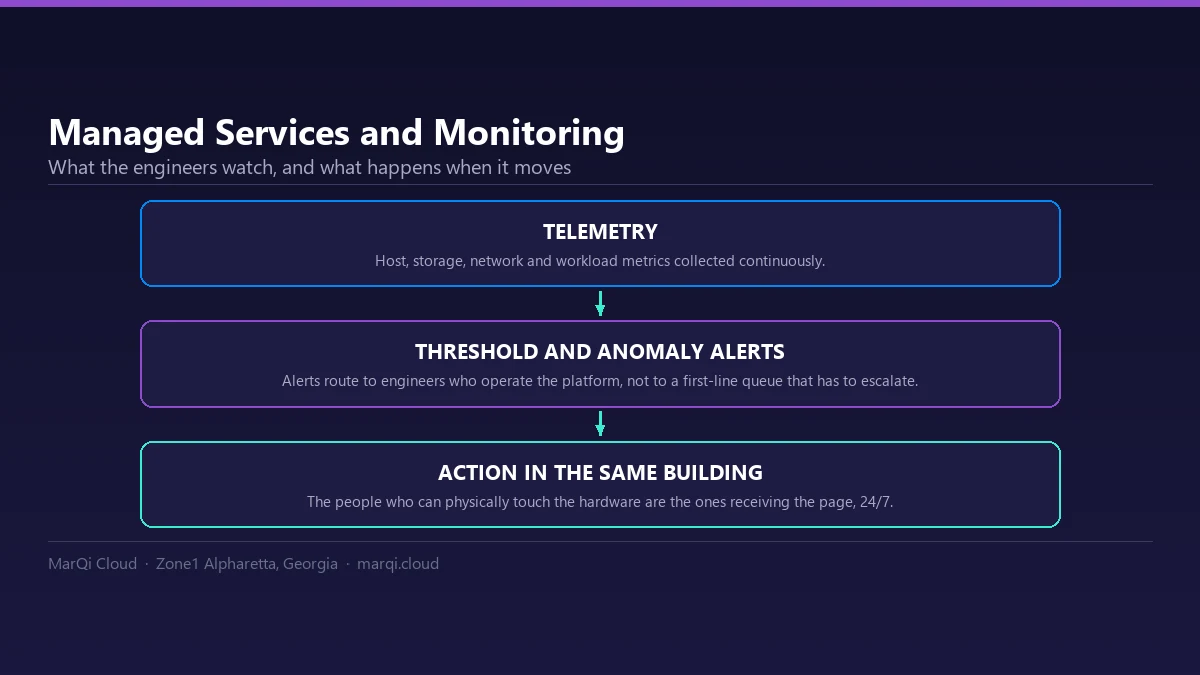
Utilize monitoring tools to track the performance of cloud services against the SLA metrics. This proactive approach helps identify issues before they escalate.
2. Maintain Open Communication
Establish regular communication with the cloud provider to discuss performance, upcoming changes, and any potential issues. This fosters a collaborative relationship and ensures alignment on expectations.
3. Review and Update SLAs Periodically
As your organization’s needs evolve, so should your SLAs. Regularly review and update agreements to reflect changes in technology, business processes, and compliance requirements.
4. Document Everything
Maintain clear documentation of all communications, performance reports, and changes to the SLA. This record can be invaluable in resolving disputes or assessing compliance.
Frequently Asked Questions
What should I look for in a cloud SLA?
When evaluating a cloud SLA, prioritize uptime guarantees, performance metrics, data security provisions, and support availability.
How can I negotiate better terms in an SLA?
To negotiate better terms, clearly communicate your organization’s needs and be prepared to discuss specific metrics and penalties that align with your operational requirements.
What happens if a cloud provider fails to meet SLA terms?
If a provider fails to meet SLA terms, the agreement should specify penalties, such as service credits or additional support services.
Are SLAs legally binding?
Yes, SLAs are legally binding contracts that outline the expectations and responsibilities of both parties.
How often should I review my SLAs?
Regularly review SLAs, ideally at least annually, to ensure they align with your organization’s evolving needs and compliance requirements.
What is the difference between a service level agreement and a service level objective?
A service level agreement (SLA) is a formal contract, while a service level objective (SLO) refers to specific performance targets outlined within the SLA.
Do all cloud providers offer SLAs?
Not all cloud providers offer SLAs, but reputable providers will typically include them as part of their service offerings.
Can I have multiple SLAs with different providers?
Yes, organizations often have multiple SLAs with different providers to address various services and needs.
What is the role of compliance in cloud SLAs?
Compliance is critical in cloud SLAs, as they must address industry regulations and standards to ensure data protection and security.
How do SLAs impact cloud migration?
SLAs can significantly impact cloud migration by defining the expectations and performance metrics that must be met during the transition process.
What are the common pitfalls to avoid in SLAs?
Common pitfalls include vague language, lack of clear performance metrics, and failure to include penalty clauses for non-compliance.
How can I ensure my SLA is enforceable?
To ensure enforceability, involve legal counsel in the drafting process and ensure that the SLA includes clear terms, responsibilities, and penalties.
What are the benefits of having an SLA?
Benefits of having an SLA include improved accountability, better risk management, and clearer expectations between clients and providers.
Conclusion
In conclusion, understanding and effectively managing Managed Cloud Service Level Agreements is essential for IT managers navigating the complexities of cloud services. By leveraging the insights and strategies outlined in this guide, IT managers can ensure that their organizations benefit from reliable, secure, and high-performing cloud solutions. For more information on how MarQi Cloud can help your organization optimize its cloud infrastructure, contact us today.