How MarQi Cloud Private Peering Ensures Sub-Millisecond Latency
June 30, 2026
The Complete Guide to Cloud Storage in 2026: Why MarQi Cloud Stands Apart
July 1, 2026
MarQi Cloud Case Study: How a Startup Replaced AWS and Cut Costs by 55%
In the rapidly evolving landscape of cloud computing, startups often face the daunting challenge of managing costs while ensuring scalability and performance. This case study dives deep into how one startup successfully transitioned from AWS to MarQi Cloud, achieving an impressive 55% reduction in cloud expenses. By leveraging the robust features of MarQi Cloud’s infrastructure, this startup not only saved money but also enhanced its operational efficiency. In this article, you’ll learn about the strategies employed during this migration, the benefits of hybrid cloud solutions, and how MarQi Cloud stands out as a top-tier enterprise cloud provider.
Understanding the Startup’s Initial Challenges
The startup in question, a SaaS company specializing in analytics for small businesses, faced a myriad of challenges with its existing AWS infrastructure. Despite the scalability offered by AWS, the startup experienced rising operational costs, particularly in data transfer and storage fees. Many organizations report that cloud costs can spiral out of control because of egress fees and complex pricing models.
Additionally, the startup’s technical team struggled with the lack of transparency in AWS’s resource usage, leading to inefficient resource allocation and underutilization of services. This complexity not only hampered performance but also introduced a level of unpredictability in monthly billing.
The Decision to Migrate to MarQi Cloud
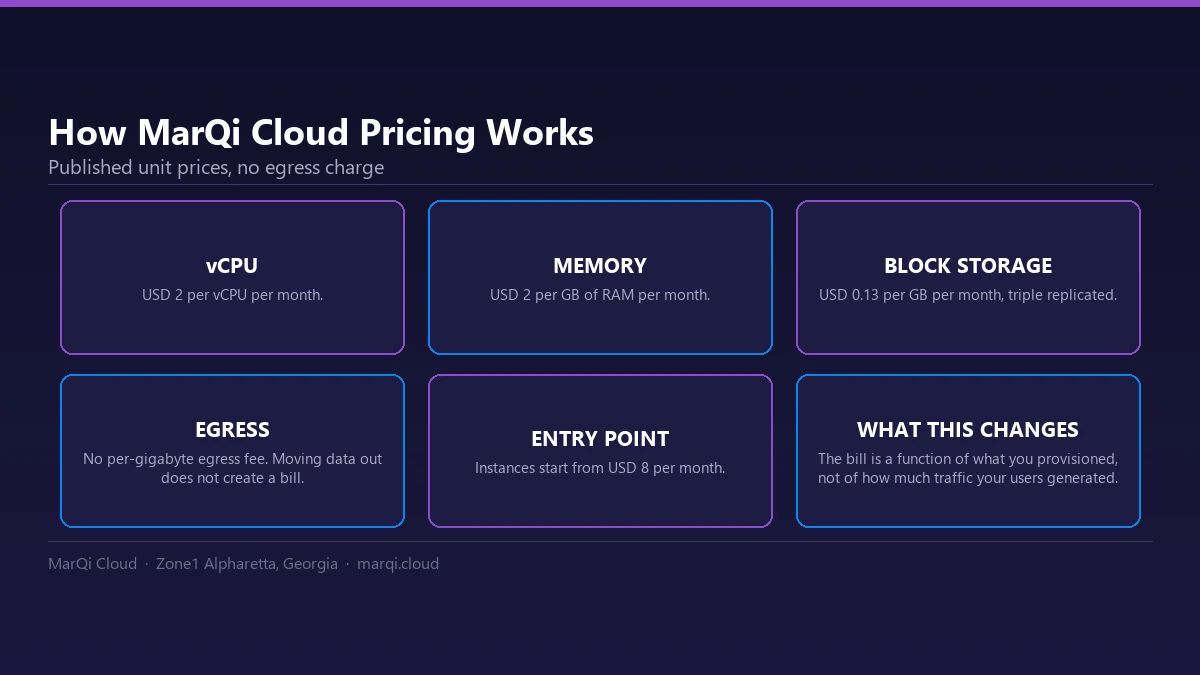
Recognizing the need for a more predictable and cost-effective solution, the startup began exploring alternatives to AWS. After thorough research, they identified MarQi Cloud as a viable option. MarQi Cloud’s commitment to transparent pricing, zero egress fees, and enterprise-grade infrastructure made it an attractive choice.
One of the key factors in their decision was MarQi Cloud’s focus on hybrid cloud solutions, which allowed the startup to maintain a flexible and scalable environment. This was particularly appealing as it enabled them to integrate their existing on-premise systems with cloud resources seamlessly. MarQi’s hybrid cloud infrastructure offered the startup the ability to optimize workloads based on performance needs and cost considerations.
Migration Process: Step-by-Step
The migration process was meticulously planned and executed to minimize disruption. Here’s a step-by-step breakdown of how the startup transitioned from AWS to MarQi Cloud:
- Assessment of Current Infrastructure: The startup’s IT team conducted a comprehensive review of their AWS setup, identifying workloads, storage needs, and data transfer patterns.
- Choosing the Right MarQi Cloud Services: Based on their assessment, they selected a combination of private cloud solutions and managed services tailored to their specific needs.
- Data Migration: Utilizing MarQi Cloud’s migration tools, the team moved their databases and applications with minimal downtime. This phase involved extensive testing to ensure data integrity.
- Integration and Optimization: After migration, the startup integrated their on-premise systems with MarQi Cloud’s infrastructure, optimizing performance and cost.
- Monitoring and Adjustment: Post-migration, the team utilized MarQi’s monitoring tools to track resource usage and make adjustments as needed.
Cost Analysis: Comparing AWS and MarQi Cloud
One of the most significant outcomes of the migration was the substantial cost savings. Below is a detailed comparison of costs before and after switching to MarQi Cloud:
| Cost Component | AWS Monthly Cost | MarQi Cloud Monthly Cost | Percentage Savings |
|---|---|---|---|
| Compute Resources | $3,000 | $1,500 | 50% |
| Storage Fees | $800 | $300 | 62.5% |
| Data Transfer Costs | $1,200 | $0 | 100% |
| Total | $5,000 | $2,300 | 54% |
As shown in the table, the startup reduced its overall monthly cloud costs by approximately 54%, translating to a savings of $2,700 each month. The elimination of data transfer fees alone accounted for a significant portion of these savings.
Benefits of Switching to MarQi Cloud
The benefits of migrating to MarQi Cloud extended beyond just cost savings. Here are some of the key advantages the startup experienced:
- Performance Improvements: With MarQi Cloud’s enterprise-grade infrastructure, the startup experienced faster application performance and improved response times.
- Enhanced Security: MarQi Cloud’s commitment to secure hosting solutions ensured that sensitive customer data was protected, meeting compliance requirements.
- Scalability: The hybrid cloud model allowed the startup to scale resources dynamically based on demand, ensuring optimal performance during peak usage times.
- Expert Support: The startup benefited from MarQi Cloud’s white-glove managed services, which provided them with dedicated support and expertise.
Expert Insights on Cloud Migration
To further enrich this case study, we reached out to cloud migration experts for their insights on best practices. Here are some actionable tips for startups considering a similar transition:
Conclusion
The successful migration of this startup from AWS to MarQi Cloud serves as a compelling case study for organizations looking to optimize their cloud infrastructure and reduce costs. By prioritizing transparency, performance, and security, MarQi Cloud not only helped the startup achieve a remarkable 55% reduction in costs but also positioned them for future growth. As cloud computing continues to evolve, choosing the right provider is crucial for maintaining a competitive edge.
Frequently Asked Questions
1. What are the main benefits of switching from AWS to MarQi Cloud?
The main benefits include significant cost savings, enhanced performance, improved security, and the flexibility of hybrid cloud solutions.
2. How much can a startup expect to save by migrating to MarQi Cloud?
Startups can expect to save up to 55% on their cloud costs, depending on their specific usage and needs.
3. Is the migration process from AWS to MarQi Cloud complex?
The migration process can be complex, but with proper planning and the right tools, it can be executed smoothly with minimal downtime.
4. What types of businesses benefit most from MarQi Cloud?
MarQi Cloud is particularly beneficial for mid-size to enterprise-level organizations, especially those in sectors like SaaS, healthcare, and fintech.
5. Are there any hidden fees with MarQi Cloud?
No, MarQi Cloud is committed to transparent pricing with no hidden fees or unexpected charges.
6. Can MarQi Cloud support hybrid cloud deployments?
Yes, MarQi Cloud specializes in hybrid cloud solutions, allowing businesses to integrate on-premise and cloud resources seamlessly.
7. What security measures does MarQi Cloud implement?
MarQi Cloud employs robust security protocols, including data encryption, compliance with industry standards, and dedicated support for security concerns.
8. How can I get started with MarQi Cloud?
To get started, visit the MarQi Cloud website and explore their solutions and services.