How MarQi Cloud Empowers CI/CD Workflows for Modern Development Teams
July 1, 2026
Ultimate Guide: Deploying Kubernetes on MarQi Cloud VPS the Right Way
July 1, 2026
MarQi Cloud Snapshot & Backup Strategy: How to Never Lose Data Again
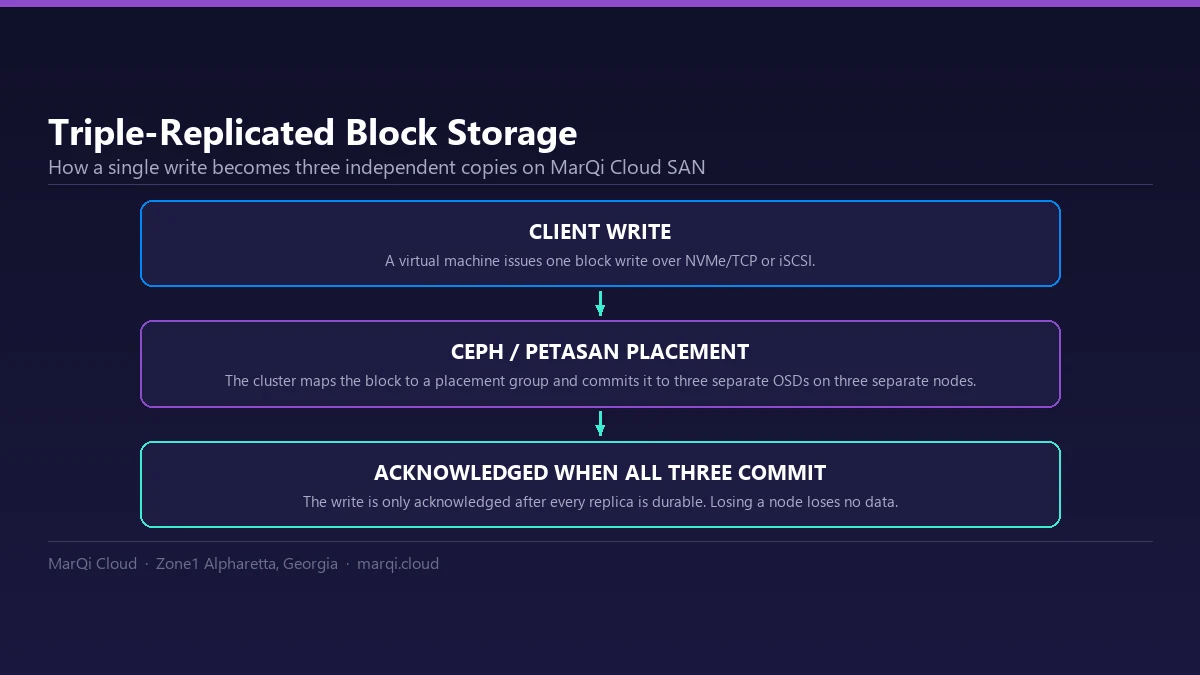
In today’s data-driven landscape, the security and availability of your information are paramount. With increasing cyber threats and the potential for data loss due to hardware failures, having a robust snapshot and backup strategy is essential for any organization. MarQi Cloud stands out as a premier enterprise cloud provider, offering tailored solutions to ensure that your data is not only backed up but also accessible and secure at all times. In this article, we will explore the intricacies of MarQi Cloud’s snapshot and backup strategy, how it can prevent data loss, and best practices to implement for your organization.
Understanding Snapshots
Snapshots are a crucial component of any data protection strategy. They provide point-in-time copies of your data, allowing you to capture the exact state of your virtual machines (VMs) and applications at a specific moment. This capability is especially valuable in scenarios where you need to recover from data corruption, accidental deletions, or system failures.
MarQi Cloud leverages advanced snapshot technology to ensure that each snapshot is efficient and does not consume excessive storage resources. By utilizing incremental snapshots, only the changes made since the last snapshot are stored, significantly reducing the amount of data that needs to be backed up.
The Importance of Backups
A solid backup strategy goes hand in hand with effective snapshot management. Backups serve as a safety net, ensuring that your data is recoverable in case of catastrophic events, such as:
- Data Corruption: Files can become corrupted due to software bugs, hardware failures, or malware attacks.
- Accidental Deletion: Users may accidentally delete critical files or entire directories.
- Cyberattacks: Ransomware and other malicious attacks can compromise your data integrity.
- Natural Disasters: Events such as floods, fires, or earthquakes can physically destroy data centers.
According to a report by the National Institute of Standards and Technology (NIST), nearly 30% of businesses that experience a major data loss go out of business within a year. This statistic underscores the critical need for robust backup solutions.
MarQi Cloud Backup Solutions
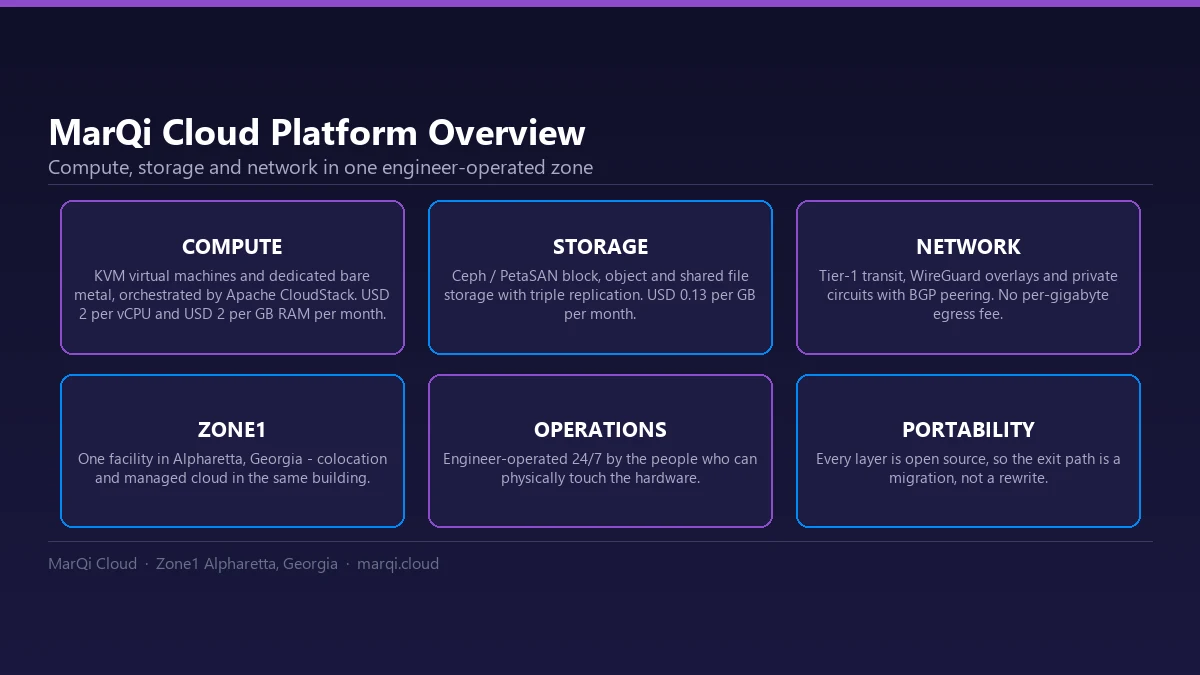
MarQi Cloud offers a comprehensive suite of backup solutions tailored to meet the needs of enterprise clients. Here are some key features of our backup strategy:
1. Automated Backups
Automated backups are a cornerstone of MarQi Cloud’s backup strategy. By scheduling regular backups, organizations can ensure that their data is consistently protected without manual intervention. This not only saves time but also minimizes the risk of human error.
2. Hybrid Backup Options
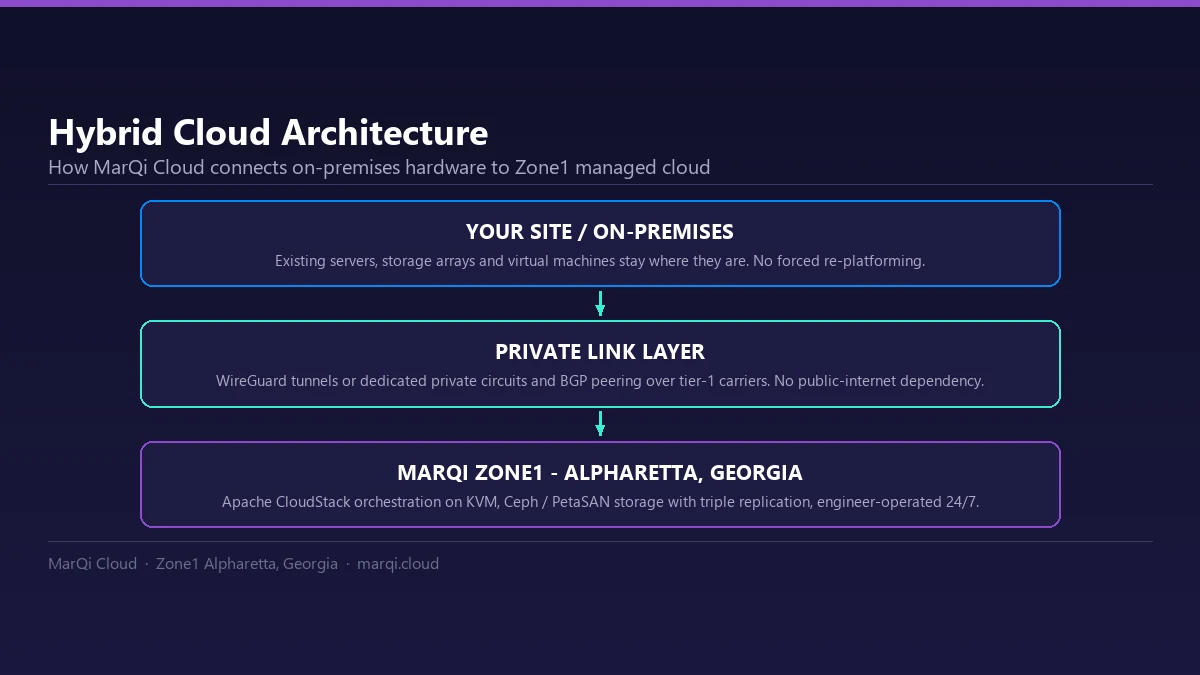
For organizations that require flexibility, MarQi Cloud provides hybrid backup solutions that combine on-premises and cloud-based storage. This approach allows businesses to maintain control over sensitive data while benefiting from the scalability and reliability of cloud storage.
3. Data Encryption
Security is paramount when it comes to data backups. MarQi Cloud employs strong encryption protocols to protect data both in transit and at rest. This ensures that your backups are secure from unauthorized access, providing peace of mind for organizations handling sensitive information.
4. Disaster Recovery Solutions
In addition to routine backups, MarQi Cloud offers comprehensive disaster recovery solutions. These solutions are designed to quickly restore operations in the event of a data loss incident. With features such as failover systems and multi-region redundancy, organizations can maintain business continuity even during unforeseen events.
5. Compliance and Reporting
Complying with industry regulations is crucial for many organizations, especially in sectors like healthcare and finance. MarQi Cloud’s backup solutions include compliance reporting features that help organizations demonstrate adherence to standards such as HIPAA and GDPR.
6. Scalable Storage Options
As organizations grow, so do their data storage needs. MarQi Cloud provides scalable storage options that allow businesses to adjust their backup storage capacity based on their evolving requirements. This flexibility ensures that organizations only pay for the storage they need.
Best Practices for Data Protection
Implementing a robust backup strategy requires careful planning and execution. Here are some best practices to help ensure your data remains safe and recoverable:
1. Regularly Test Your Backups
Testing backups is crucial to ensure that they are functioning correctly. Regularly perform restore tests to verify that data can be recovered successfully. This practice helps identify potential issues before a real disaster occurs.
2. Employ the 3-2-1 Backup Rule
The 3-2-1 backup rule is a widely recognized strategy that suggests keeping three copies of your data, on two different media, with one copy stored off-site. This approach minimizes the risk of data loss due to hardware failure or disasters.
3. Keep Software Updated
Ensure that all backup software and hardware are kept up to date. Regular updates can protect against vulnerabilities that could be exploited by cybercriminals.
4. Educate Employees
Human error is one of the leading causes of data loss. Providing training for employees on data handling and security best practices can significantly reduce the likelihood of accidental deletions or breaches.
5. Monitor Backup Processes
Utilize monitoring tools to keep track of backup processes. These tools can alert you to any failures or issues that need immediate attention, ensuring that your backups are always up to date.
Common Backup Mistakes to Avoid
Even with the best intentions, organizations can make mistakes that jeopardize their data protection strategies. Here are some common pitfalls to avoid:
1. Neglecting to Backup Regularly
Forgetting to schedule regular backups can lead to significant data loss. Make it a priority to automate backup processes to ensure data is consistently protected.
2. Failing to Secure Backups
Storing backups without proper security measures can expose sensitive information. Ensure that all backups are encrypted and access is restricted to authorized personnel only.
3. Ignoring Data Redundancy
Relying on a single backup location increases the risk of data loss. Implement multiple backup locations to ensure redundancy and availability.
4. Overlooking Documentation
Failing to document backup procedures can lead to confusion during a recovery process. Maintain clear documentation that outlines backup schedules, procedures, and contact information for key personnel.
Frequently Asked Questions
1. What is the difference between a snapshot and a backup?
A snapshot captures the state of a system at a specific point in time, while a backup is a copy of data that can be restored later. Snapshots are typically used for quick recoveries, while backups are used for long-term data protection.
2. How often should I perform backups?
The frequency of backups depends on the volume of data changes. For critical data, daily backups are recommended, while less critical data may be backed up weekly or monthly.
3. What is the 3-2-1 backup rule?
The 3-2-1 backup rule suggests keeping three copies of your data: two on different media (e.g., local and cloud) and one off-site to ensure redundancy and protection against data loss.
4. How can I test my backups?
To test your backups, perform a restore process on a non-production environment to ensure that the data can be recovered without issues.
5. What types of data should I prioritize for backups?
Prioritize critical business data, customer information, financial records, and any other data essential to your organization’s operations.
6. How does MarQi Cloud ensure data security for backups?
MarQi Cloud employs strong encryption protocols, access controls, and compliance measures to protect data during backups.
7. Can I restore data from a snapshot?
Yes, snapshots can be used to restore data to a specific point in time, making them useful for quick recovery from data loss incidents.
8. What should I do if I experience data loss?
If you experience data loss, immediately initiate your disaster recovery plan, and attempt to restore data from your most recent backup or snapshot.
Conclusion
In conclusion, a comprehensive snapshot and backup strategy is vital for protecting your organization’s data. With MarQi Cloud’s enterprise-grade solutions, you can rest assured that your data is secure, accessible, and recoverable in case of unforeseen events. By implementing best practices and avoiding common mistakes, you can significantly reduce the risk of data loss. Don’t wait until it’s too late; take action now to safeguard your valuable data.