
Scalability Advantages of an Open Source Hybrid Cloud Provider
January 8, 2026
Use Cases Where Open Source Cloud Service Providers Excel
January 22, 2026

Security Considerations in Hybrid Cloud App Development
Introduction
Hybrid Cloud App Development helps businesses combine private and public clouds. It gives the control and security of private systems with the flexibility and scalability of public clouds.
At the same time, using multiple cloud environments brings unique security challenges. Data moves between platforms, and protecting applications requires careful planning.
Secure cloud native app development services can help businesses build safe, reliable, and scalable applications in hybrid environments.
This blog will cover the main security risks, best practices, and strategies for creating secure hybrid cloud applications.
Understanding Hybrid Cloud App Development
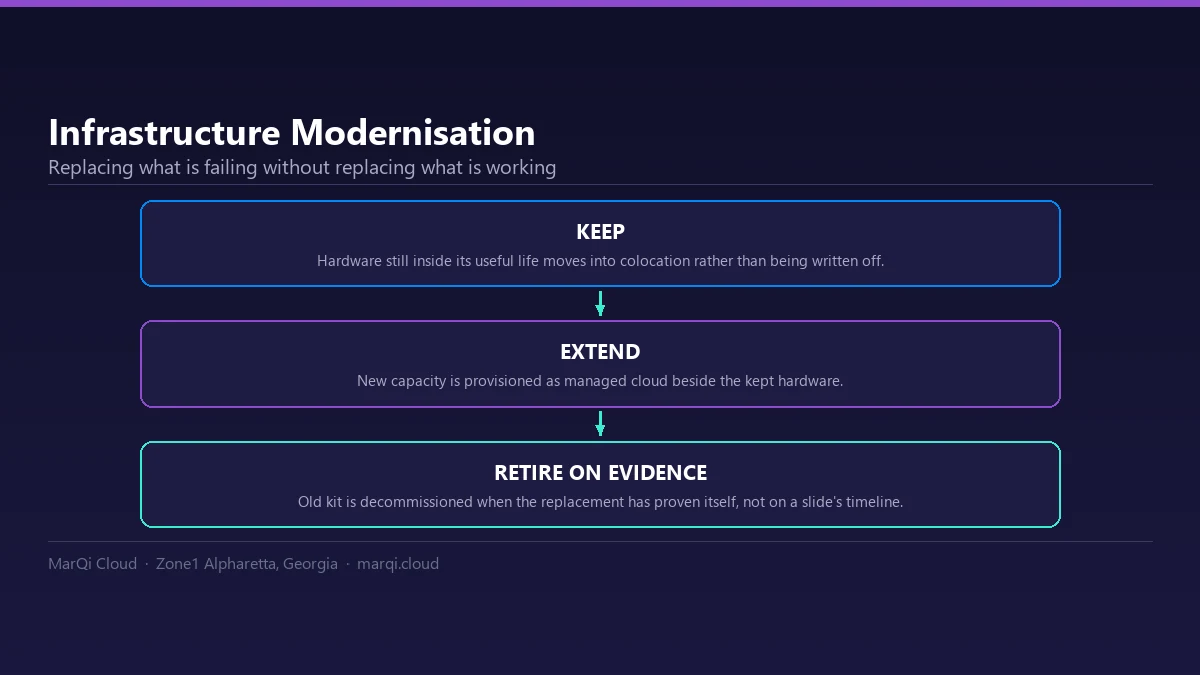
Hybrid cloud app development is about creating applications that run across both private (on-premises or dedicated) and public cloud environments. It combines these systems into a single, flexible platform, letting businesses place workloads where they work best, for security, cost, or performance. Developers can use public clouds to quickly scale and adopt new technologies like AI or IoT, while keeping sensitive data and legacy applications in private clouds. Standardized tools ensure apps and data move smoothly between environments.
Key Features of Hybrid Cloud App Development
- Unified Infrastructure: Combines internal data centers with public cloud platforms like AWS, Azure, or GCP into one manageable system.
- Workload Portability: Applications and data can move between private and public clouds based on demand, compliance, or cost.
- Leveraging Strengths: Public clouds handle elastic scaling and traffic spikes, while private clouds ensure control and security.
- Seamless Integration: Connects older systems with modern cloud-native apps, allowing easy data sharing and unified management.
Benefits for Businesses and Developers
- Effortless Setup: Get your development, testing, or deployment tools ready in no time.
- Cost Savings: Pay-as-you-go for public cloud usage, reducing spending on extra hardware.
- Secure & Private: Protect your data while using the cloud.
- Access to Innovation: Easily adopt advanced services
Understanding Cloud Native App Development Services
Cloud native app development services help businesses create software designed specifically for cloud environments. By using modern technologies like microservices, containers (Docker), Kubernetes orchestration, and CI/CD pipelines, these services allow applications to be fast, scalable, and resilient. They make it easier to deliver updates quickly, improve performance, and adapt to changing business needs.
With cloud native app development services, companies can move away from traditional monolithic applications to independent, loosely coupled services. This approach maximizes the benefits of the cloud, including automation, elasticity, and cost efficiency, while enabling innovation and faster responses to market demands.
Key Components of Cloud Native App Development Services
- Microservices: Break applications into small, independent services that communicate via APIs, making development, deployment, and scaling simpler.
- Containers (Docker): Package apps and their dependencies to ensure consistency across environments.
- Orchestration (Kubernetes): Automate deployment, scaling, and management of containerized apps.
- CI/CD (Continuous Integration/Continuous Delivery): Streamline the software delivery pipeline for faster and more frequent releases.
- DevOps Culture: Encourage collaboration between development and operations teams to enhance agility and efficiency.
Benefits for Businesses
- Fast & Flexible: Add new features and updates quickly..
- Reliable & Scalable: Apps handle more users without breaking.
- Cost Optimization: Efficient use of resources lowers operational costs.
- Innovation: Quickly adopt new technologies and adjust to evolving market needs.
Security in Cloud Native App Development
Although cloud native app development services offer many advantages, they also come with security challenges. Microservices, containers, and APIs can introduce vulnerabilities that require careful management, especially in hybrid cloud setups.
Container and Kubernetes Security
- Secure container images and runtime environments.
- Monitor continuously for vulnerabilities and apply patches promptly.
Choosing Secure Cloud Native App Development Services
- Work with providers who follow strict security standards.
- Check their infrastructure, monitoring, and compliance practices.
- Ensure they provide reliable cloud native app development services along with scalable cloud services for growth and performance.
Cloud-Native App Development
Cloud-native app development is an approach to building applications specifically for the cloud. It uses technologies like microservices, containers (e.g., Docker), orchestration tools like Kubernetes, and DevOps practices such as CI/CD. This allows businesses to deliver updates faster, automate processes, and respond quickly to changing market needs. Unlike traditional applications, cloud-native apps are designed for the cloud, taking full advantage of its speed, flexibility, and scalability.
Benefits of Cloud-Native App Development
- Speed and Agility: Quickly launch new features and adapt to changes.
- Flexibility: Adjust applications easily to handle more or fewer users whenever needed..
- Resilience: Build systems that recover quickly from failures.
- Portability: Run reliably across public, private, or hybrid clouds.
Why It Matters
With cloud-native app development, businesses can focus on creating value rather than managing infrastructure. It enables faster innovation, more reliable applications, and the ability to meet customer demands with flexible and high-quality software.
Security Challenges in Hybrid Cloud Environments
Even with its advantages, running cloud-native apps in hybrid cloud environments comes with security challenges. Multiple platforms increase the attack surface, and moving data between clouds can introduce vulnerabilities.
Common Security Risks
- Misconfigured cloud resources
- Weak identity and access controls
- Vulnerable APIs and integrations
- Shadow IT and unmanaged workloads
Flexible IT with Scalable Cloud Services
Scalable cloud services give businesses the ability to adjust computing resources, like storage, CPU, and bandwidth, based on real-time demand. This ensures applications run smoothly during peak times while reducing costs when usage is low, all without major infrastructure changes.
By using vertical scaling (adding more power to a single server) or horizontal scaling (adding more servers), businesses can respond quickly to growth, manage workloads efficiently, and maintain high performance at all times.
How It Works
- Dynamic Resource Allocation: Resources can be added instantly during high-demand periods and reduced when traffic drops.
- Auto-Scaling: Systems automatically adjust CPU, memory, and storage based on usage metrics to maintain performance without manual effort.
- Up or Down Scaling: Scale up when needed and scale down to save costs during low-traffic times.
Types of Scaling
- Vertical Scaling: Increase the power of existing servers (CPU, RAM) to handle more load.
- Horizontal Scaling: Add or remove servers to distribute workloads and ensure reliability.
Key Benefits
- Cost Savings: Pay only for what you use, avoiding unnecessary hardware investment.
- High Performance & Reliability: Maintain speed and uptime even during sudden traffic spikes.
- Agility & Flexibility: Quickly adapt to changing business demands and growth.
- Business Continuity: Handle heavy workloads without downtime or interruptions.
Scalable Cloud Services and Hybrid Cloud
Hybrid cloud architectures rely on scalable cloud services to support modern applications, balance performance with cost, and ensure workloads can expand or shrink as needed. They are also essential for disaster recovery, helping businesses maintain operations and protect data even during unexpected disruptions.
How MarQi Cloud Supports Secure Hybrid Cloud App Development
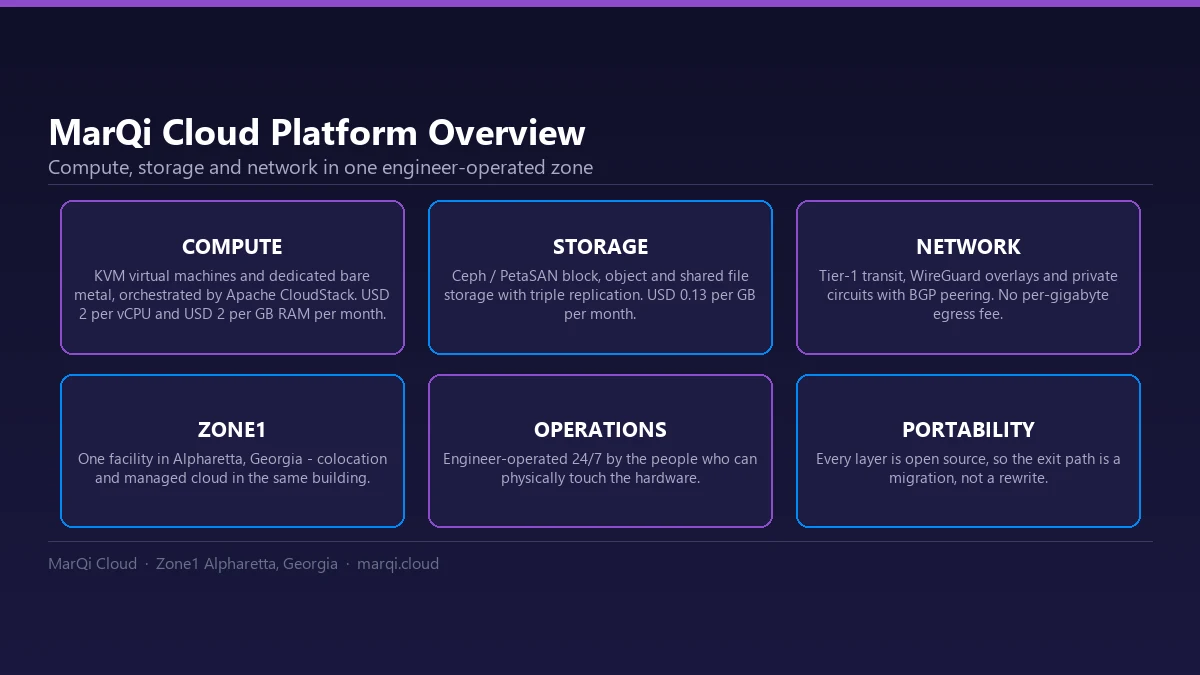
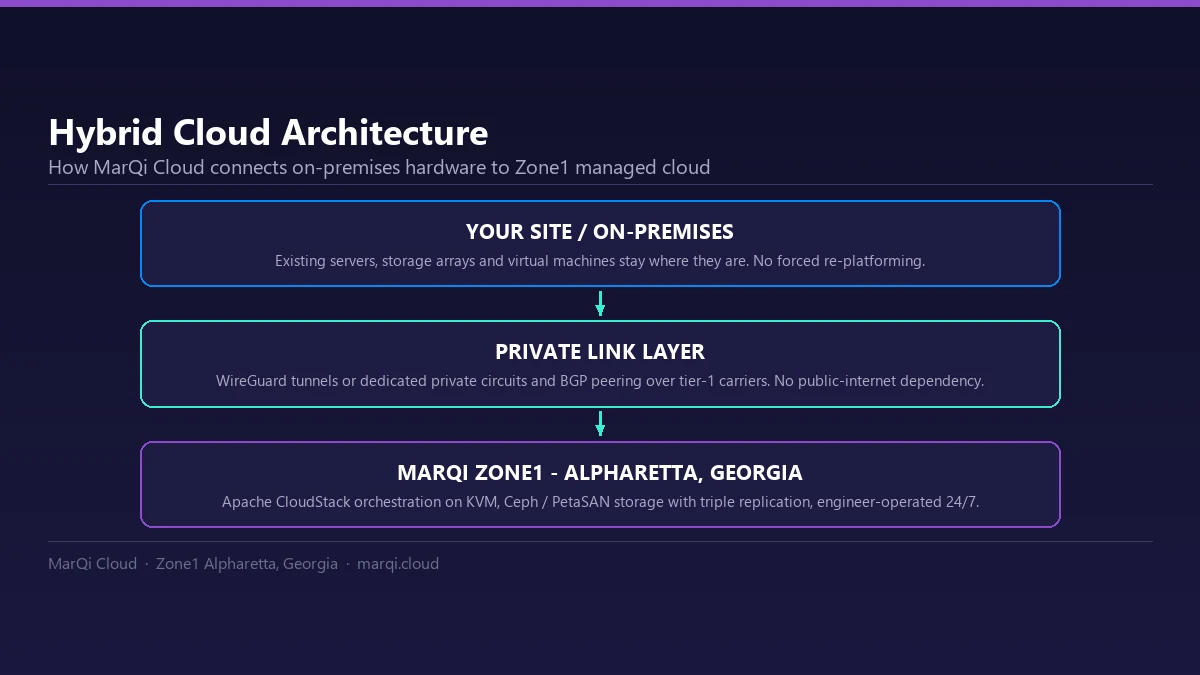
MarQi Cloud delivers a secure and dependable platform for businesses adopting hybrid cloud app development. Key features include:
- Operates an independent data center with its own storage cluster and redundant network fabric for maximum reliability.
- Provides robust infrastructure to support hybrid cloud app development efficiently.
- Offers cloud native app development services to help businesses create modern, flexible applications.
- Includes scalable cloud services to adjust resources quickly and handle varying workloads.
With MarQi Cloud, companies can build and manage hybrid cloud applications safely while enjoying flexibility, scalability, and strong security.
Conclusion
Security is very important in hybrid cloud app development. Protecting data, controlling access, and keeping networks safe helps applications run smoothly across different cloud environments.
MarQi Cloud is the best and reliable provider that offers secure, scalable hybrid cloud solutions and cloud native app development services. Their platform helps businesses build and run modern applications safely and efficiently.