Best Practices for Hybrid Cloud Reference Architecture Design
January 8, 2026
Security Considerations in Hybrid Cloud App Development
January 22, 2026

Scalability Advantages of an Open Source Hybrid Cloud Provider
Introduction to Open Source Hybrid Cloud Solutions
An open-source hybrid cloud provider offers businesses a flexible way to utilize both private and public cloud systems simultaneously. With open source technology, companies can run and manage their applications more freely while maintaining control over their data and infrastructure.
Scalability is a key need for modern businesses as workloads, users, and data continue to grow. Organizations need cloud solutions that can easily expand or scale down without incurring high costs or complex systems. Open source hybrid cloud solutions make this process simple and efficient.
Today, businesses are looking for cloud infrastructure that is affordable, flexible, and reliable. Open source hybrid cloud solutions meet these needs by reducing costs, improving flexibility, and helping companies adapt quickly as their business grows.
Understanding Open Source Hybrid Cloud Architecture
What Makes a Cloud “Hybrid”?
- Combines private and public cloud environments into one system
- Allows sensitive workloads to stay private while using public cloud resources for extra capacity
- Enables smooth movement of workloads across platforms for better performance and cost control
Role of Open Source Technology
- Keeps the cloud environment vendor-neutral and flexible
- Gives businesses freedom to customize and scale their infrastructure
- Powered by community-driven innovation with open and transparent development
Open Source Cloud Hosting
Open source cloud hosting is a modern cloud solution built on freely available technologies such as Linux, OpenStack, and Kubernetes. It allows businesses to create and manage private, public, or hybrid cloud environments with greater freedom and control.
Key benefits of open source cloud hosting include:
- Transparency and full control
The source code is openly available, allowing businesses to review, customize, and manage their cloud infrastructure according to their needs. - No vendor lock-in
Organizations are free to choose their hardware, providers, or platforms without being tied to a single vendor. - Community-driven innovation
A global developer community continuously improves performance, security, and features through regular updates and shared expertise. - Cost-effective cloud solution
Lower licensing costs help reduce overall expenses compared to proprietary cloud platforms. - Flexible and scalable infrastructure
Resources can scale easily as workloads grow, making it suitable for private, public, and hybrid cloud environments.
Overall, open source cloud hosting provides a secure, adaptable, and future-ready cloud foundation that supports IaaS, PaaS, and SaaS services while meeting the evolving needs of growing businesses.
Open Source Hybrid Cloud Provider
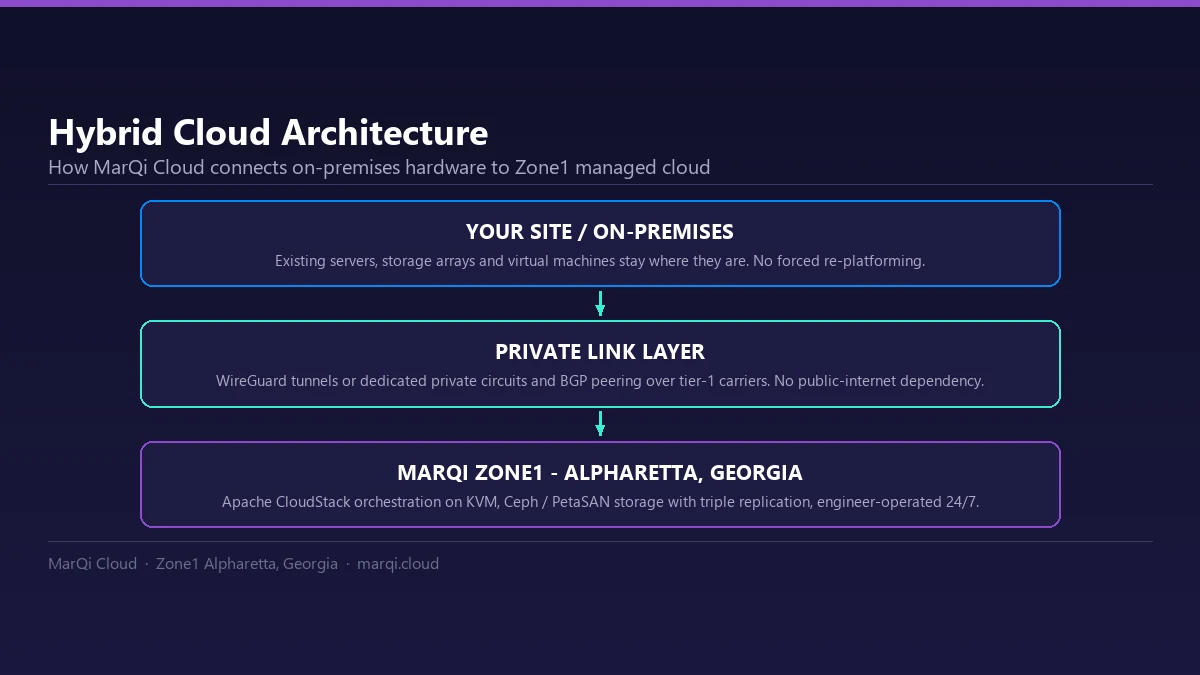
An open source hybrid cloud provider delivers a flexible and reliable cloud model built on open technologies such as Kubernetes and OpenStack. It allows businesses to combine their private infrastructure with public cloud platforms like AWS, Azure, and Google Cloud, creating a balanced environment that supports performance, security, and scalability without vendor restrictions.
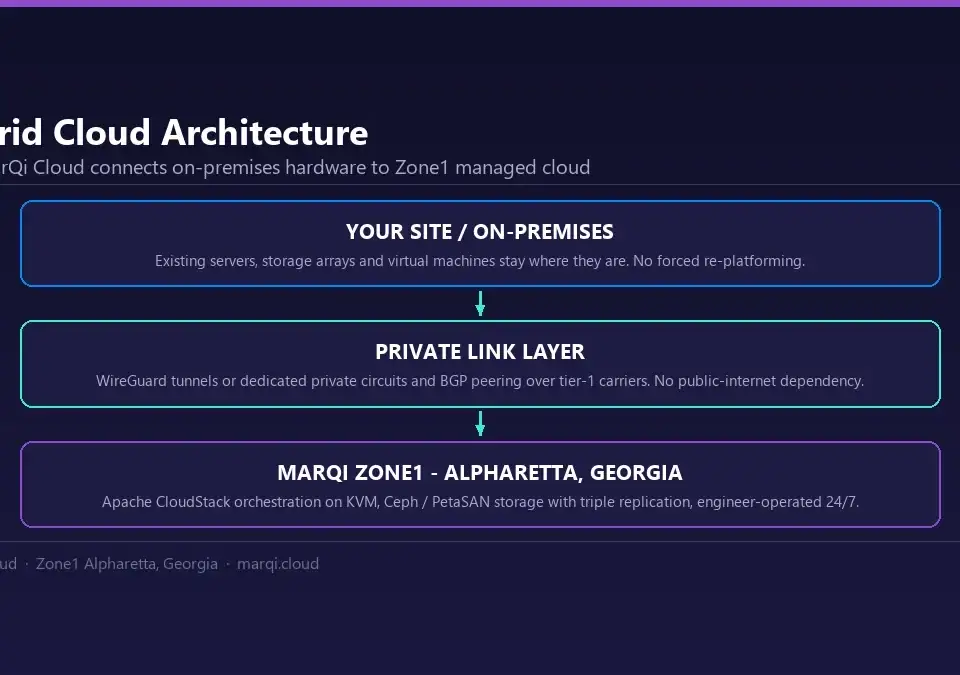
This hybrid approach makes it easy to manage applications across on-premise systems, edge locations, and public clouds from a single platform. With tools like Kubernetes and OpenShift, businesses can deploy, monitor, and scale workloads consistently while keeping operations simple and efficient.
Key benefits of an open source hybrid cloud provider include:
- Freedom from vendor lock-in
Run workloads across multiple cloud providers or change platforms without being tied to proprietary systems. - High level of customization
Open access to source code allows businesses to tailor cloud solutions to their exact needs. - Flexible and portable workloads
Applications can be built once and moved easily between environments using containers. - Cost-efficient infrastructure
Reduced licensing fees and optimized resource usage to help control cloud spending. - Strong security and transparency
Open source software enables faster vulnerability detection and regular security updates through community collaboration.
Overall, an open source hybrid cloud provider offers the control, flexibility, and scalability businesses need to grow confidently in today’s multi-cloud world.
Open Source Cloud Storage and Data Growth
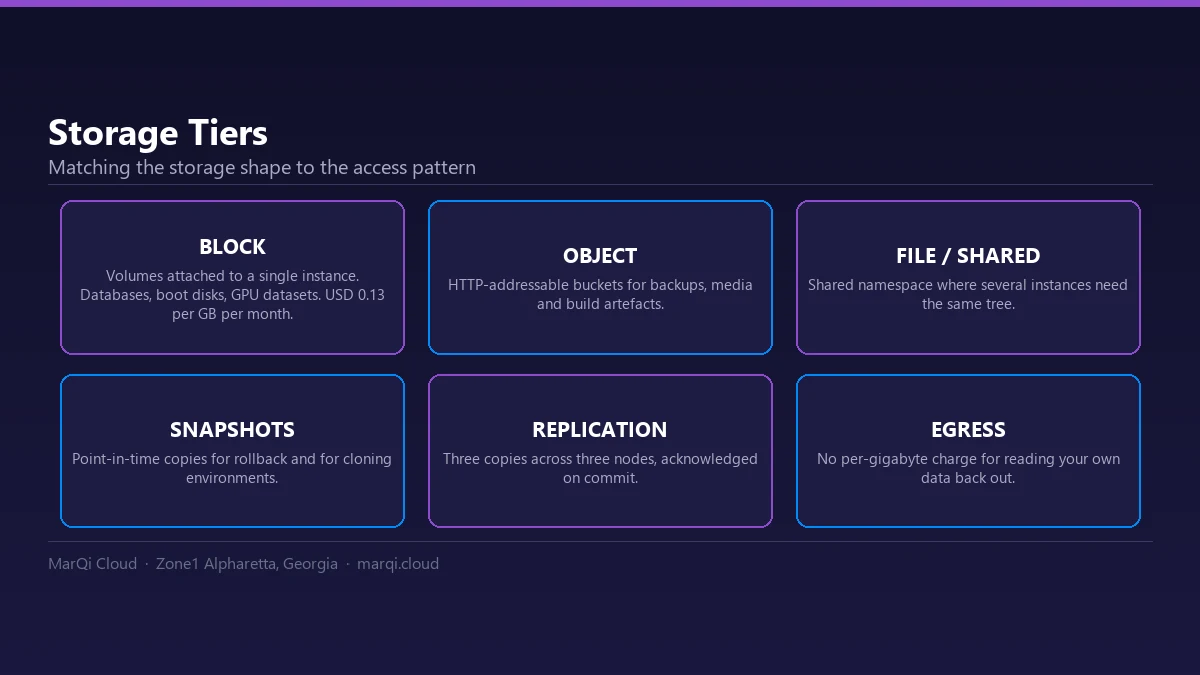
Open source cloud storage offers a reliable and flexible way to store and manage data using openly available software. It gives businesses greater control over their data while reducing dependence on proprietary cloud providers. This approach supports privacy, transparency, and smooth data growth.
Key benefits of open source cloud storage include:
- Transparency and trust
Open source code can be reviewed and improved by a global community, helping detect and fix security issues faster. - Full control and data privacy
Organizations can self-host their storage, ensuring complete ownership of their data. - Community-driven innovation
Continuous improvements and updates come from collaborative development efforts. - Flexible deployment options
Works well in private, public, and hybrid cloud environments and integrates with existing infrastructure. - Cost-effective storage solution
Lower licensing costs and efficient use of hardware help reduce overall expenses.
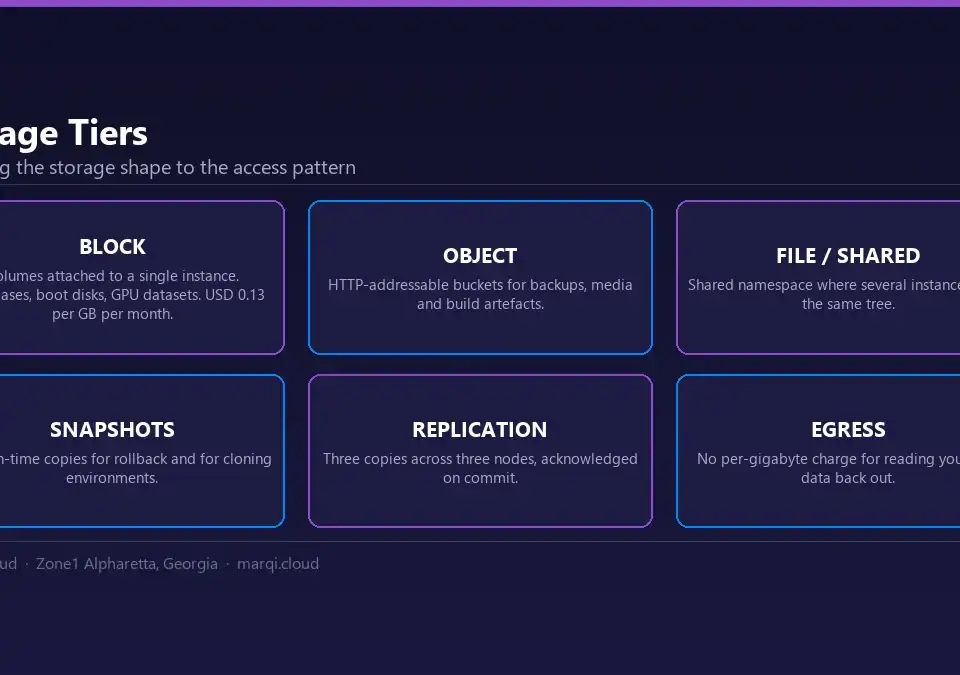
Scalable Storage Clusters
- Easily increase storage capacity as data needs grow
- No downtime during expansion
- Suitable for large datasets and data-heavy workloads
Data Security and Control
- Complete ownership of stored data
- Strong privacy protections and access controls
- Enhanced compliance and governance support
Overall, open source cloud storage provides a secure, scalable, and future-ready solution that helps businesses manage data growth with confidence and flexibility.
Supporting Business Growth with Cloud Transformation Services
Cloud transformation services help businesses move their IT systems, applications, and data from on-premise setups to the cloud in a clear and simple way. These services support digital growth by making IT environments more flexible, scalable, and cost-efficient.
Cloud transformation services start with planning and consulting to choose the right cloud model: public, private, or hybrid. The process focuses on smooth migration, system upgrades, and better cloud management with minimal disruption.
By using cloud transformation services, businesses can modernize old systems and prepare their infrastructure for future growth.
Key benefits include:
- Smooth cloud migration
Move applications and data to the cloud safely and efficiently. - Modernized legacy systems
Upgrade older systems for better performance and scalability. - Improved flexibility
Scale resources up or down based on business needs. - Stronger security and management
Implement cloud security, governance, and monitoring. - Support for digital growth
Build a future-ready cloud environment that enables innovation.
Overall, cloud transformation services help businesses simplify IT operations and grow confidently with modern cloud technology.
MarQi Cloud
MarQi Cloud is an independent data center designed to meet the needs of businesses looking for flexible and scalable cloud solutions. With its own dedicated storage cluster, it delivers reliable performance while giving organizations full control over their data and infrastructure.
What makes MarQi Cloud stand out:
- Independent data center with complete infrastructure control
- Dedicated storage cluster for stable and secure data handling
- Scalable design to support growing workloads
- Redundant network fabric for high availability and reliability
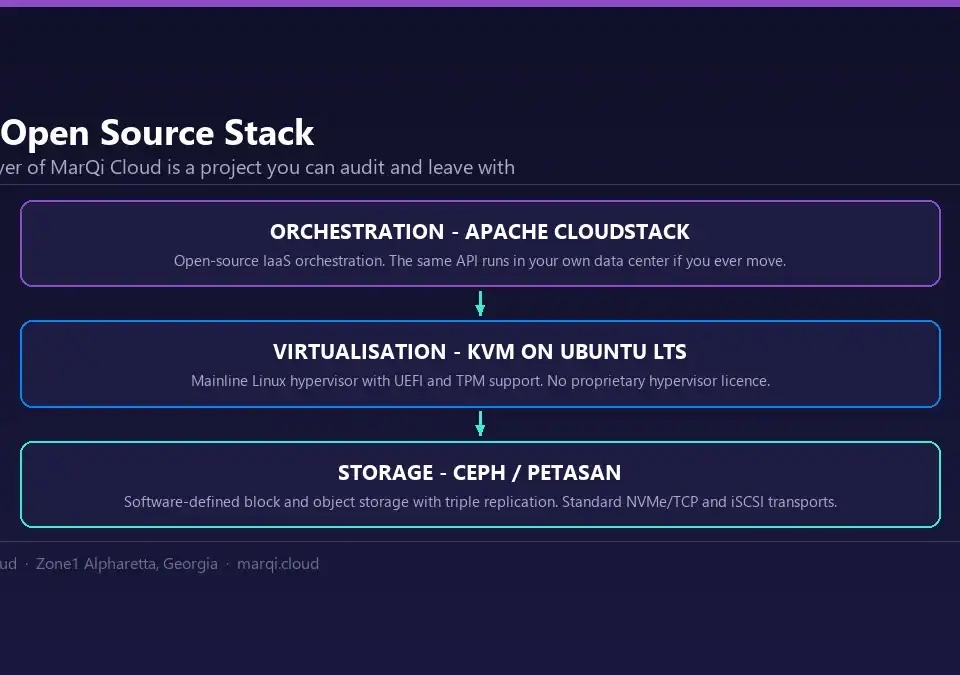
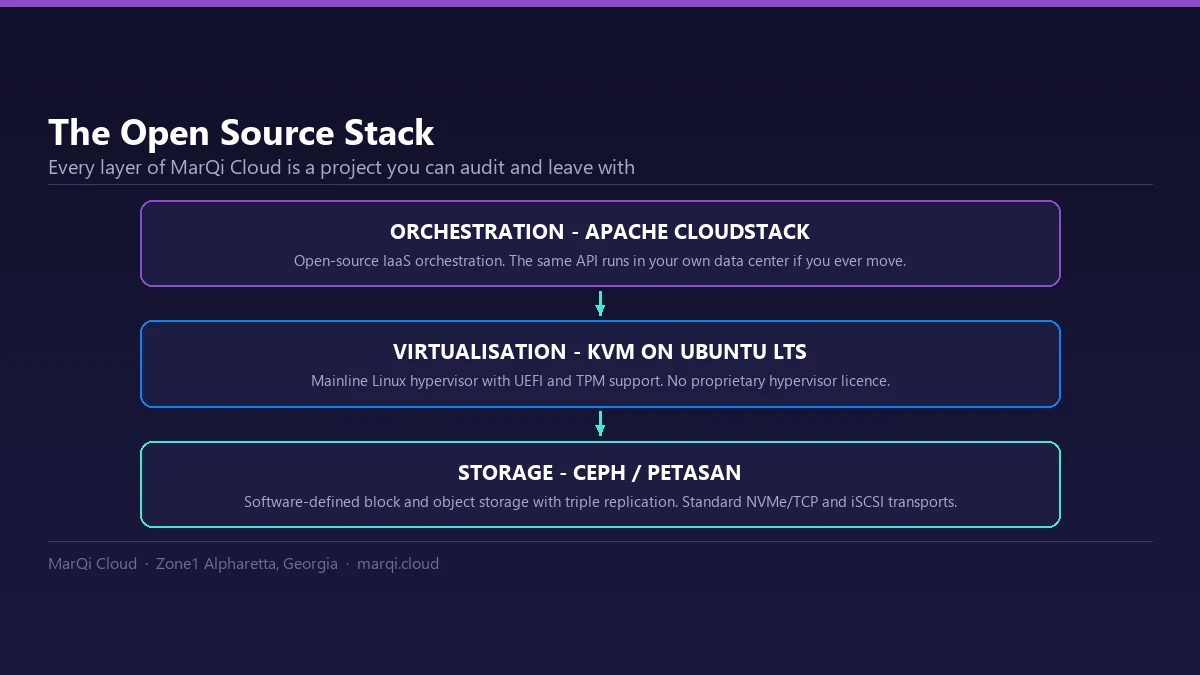
- End-to-end open source cloud hosting and open source cloud storage solutions
Conclusion
An open source hybrid cloud provider offers clear scalability benefits by giving businesses more flexibility, control, and cost savings. This approach allows companies to grow without being restricted by rigid systems or vendor lock-in. With flexible and future-ready infrastructure, reliable performance, and open source hybrid cloud solutions that scale as business needs change, MarQi Cloud makes it easier for businesses to expand confidently and stay ready for future growth.