How Reseller Cloud Programs Empower IT Companies with Enterprise Infrastructure
September 27, 2026
Unlocking Efficiency: How Multi-Tenant Cloud Management Platforms Empower MSPs
September 27, 2026

The Ultimate Guide for IT Channel Partners to Build a Cloud Practice
As the digital landscape evolves, IT channel partners are presented with unprecedented opportunities to leverage cloud technology. Building a cloud practice from scratch is not just an option; it’s a necessity for businesses aiming to stay competitive. This comprehensive guide will walk you through the essential steps to establish a successful cloud practice, covering everything from infrastructure choices to service offerings. You’ll learn how to navigate the complexities of cloud solutions, understand market demands, and position your business as a trusted provider in the cloud ecosystem.
Understanding the Cloud Landscape
The first step in building a cloud practice is understanding the different types of cloud services available today. Cloud computing has transformed how businesses operate, providing scalable resources and flexible solutions tailored to varying needs. The primary models include:
- Infrastructure as a Service (IaaS): Provides virtualized computing resources over the internet, enabling businesses to rent servers and storage.
- Platform as a Service (PaaS): Delivers a platform allowing customers to develop, run, and manage applications without the complexity of building and maintaining infrastructure.
- Software as a Service (SaaS): Offers software applications over the internet on a subscription basis, eliminating the need for installation and maintenance.
Demand for public cloud services has grown steadily, which creates room for channel partners to build cloud practices. As an IT channel partner, it’s crucial to comprehend these models, as they will inform your service offerings and infrastructure choices.
Identifying Your Niche in the Cloud
Once you understand the cloud landscape, the next step is to identify your niche. Specialization can differentiate your business in a crowded market. Here are some potential niches:
- Vertical Solutions: Focus on specific industries such as healthcare, finance, or education, tailoring cloud solutions to meet unique regulatory and operational needs.
- Hybrid Cloud Solutions: Offer a blend of public and private cloud services, providing flexibility and control for customers with varying compliance and security requirements.
- Disaster Recovery Solutions: Position yourself as an expert in business continuity by providing robust disaster recovery and backup solutions.
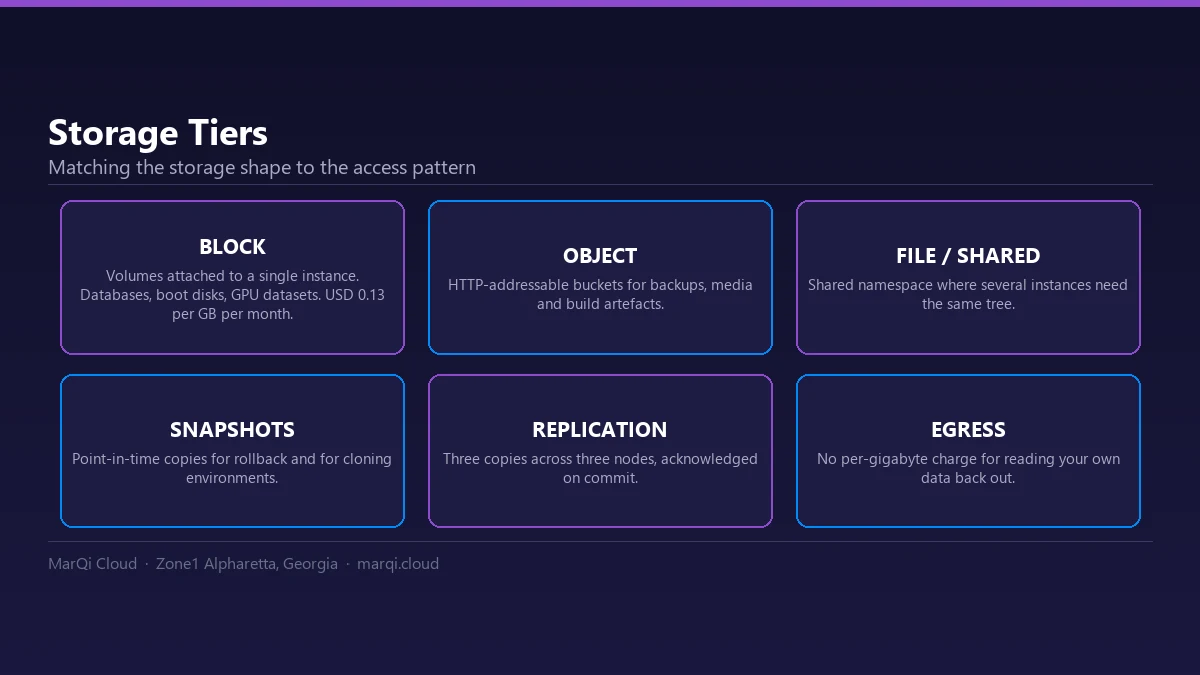
For instance, MarQi Cloud provides snapshots and backups for point-in-time recovery, which partners can build disaster recovery services on.
Building the Right Infrastructure
Infrastructure is the backbone of any cloud practice. Here are key considerations:
Choosing the Right Cloud Infrastructure
When building your cloud infrastructure, consider the following:
- Public vs. Private vs. Hybrid: Decide whether to offer public cloud services, private cloud solutions, or a hybrid model that combines both.
- Scalability: Ensure your infrastructure can scale with your clients’ needs. Consider solutions that allow for easy upgrades and expansions.
- Security: Implement strong security measures to protect sensitive data, particularly if you’re working with industries such as healthcare or finance.
Infrastructure as a Service (IaaS)
As you establish your cloud practice, consider leveraging an established IaaS provider for your infrastructure needs. This allows you to focus on building services rather than managing hardware. For example, a provider such as MarQi Cloud offers flexible, scalable infrastructure that IT channel partners can build their cloud practice on.
Developing a Service Portfolio
Once your infrastructure is in place, the next step is to develop a comprehensive service portfolio that meets the needs of your target market. Here are some services to consider:
- Cloud Migration Services: Help businesses transition from on-premise solutions to the cloud smoothly. This requires expertise in cloud migration strategies and tools.
- Managed Cloud Services: Offer ongoing management and support for cloud infrastructure, allowing businesses to focus on their core operations.
- Consulting Services: Provide strategic consulting to help businesses understand how to leverage cloud technology effectively.
For instance, MarQi Cloud’s managed services include migration planning: mapping the current estate and sequencing the move so nothing cuts over in one night.
Marketing Your Cloud Practice
Effective marketing is crucial for establishing your cloud practice. Here are strategies to consider:
Utilizing Digital Marketing
Leverage online channels to reach your target audience:
- Content Marketing: Create valuable content such as blog posts, whitepapers, and case studies that demonstrate your expertise and attract potential clients.
- SEO Strategies: Optimize your website for search engines, focusing on relevant keywords such as “cloud migration services” and “hybrid cloud solutions” to drive organic traffic.
- Social Media Engagement: Use platforms like LinkedIn to connect with potential customers and share industry insights.
Networking and Partnerships
Building relationships with other IT professionals and organizations can open doors for collaboration and referrals. Consider joining industry associations or attending cloud computing conferences to network with potential partners.
Establishing Customer Relationships
Building trust with your customers is essential for long-term success. Here’s how to foster strong relationships:
Providing Exceptional Customer Service
Ensure that your team is trained to provide top-notch customer service. This includes:
- Being responsive to client inquiries and concerns.
- Offering customized solutions based on individual client needs.
- Regularly seeking feedback to improve services.
Building a Community
Create a community around your cloud practice. This could include hosting webinars, providing educational resources, or creating forums for clients to share experiences and advice.
Ensuring Compliance and Security
Compliance and security are paramount in cloud computing. As an IT channel partner, you must ensure that your solutions meet industry standards. Here are steps to take:
Understanding Regulatory Requirements
Familiarize yourself with regulations relevant to your target industries, such as HIPAA for healthcare or PCI-DSS for financial services. This knowledge will help you design compliant solutions.
Implementing Security Measures
Invest in robust security measures, including:
- Data encryption
- Regular security audits
- Access controls and authentication mechanisms
Measuring Success and Scaling
To ensure the longevity of your cloud practice, it’s important to measure success and plan for growth.
Key Performance Indicators (KPIs)
Track KPIs such as:
- Customer acquisition costs
- Customer retention rates
- Service uptime and performance metrics
Scaling Your Operations
As demand grows, consider how to scale your operations efficiently. This may involve expanding your service offerings, investing in additional infrastructure, or hiring more staff.
Conclusion
Building a cloud practice from scratch is a challenging yet rewarding endeavor for IT channel partners. By understanding the cloud landscape, identifying your niche, building the right infrastructure, and developing a strong service portfolio, you can position your business for success. Remember to prioritize customer relationships, compliance, and security as you grow. As the demand for cloud services continues to rise, now is the time to establish your presence in this dynamic market.
FAQs
What is a cloud practice?
A cloud practice refers to a specialized area within an IT business that focuses on providing cloud-based solutions and services, including infrastructure, software, and consulting.
How do I start a cloud practice?
To start a cloud practice, begin by understanding the cloud landscape, identifying your niche, building the right infrastructure, and developing a comprehensive service portfolio.
What are the benefits of cloud computing?
Cloud computing offers numerous benefits, including scalability, flexibility, cost savings, and improved collaboration.
What types of services can I offer as a cloud provider?
Services can include cloud migration, managed cloud services, consulting, and disaster recovery solutions.
How do I market my cloud practice?
Utilize digital marketing strategies such as content marketing, SEO, and social media engagement to reach potential clients.
What compliance issues should I be aware of?
Be aware of industry-specific regulations such as HIPAA for healthcare or PCI-DSS for financial services, and ensure your solutions are compliant.
How can I measure the success of my cloud practice?
Track key performance indicators such as customer acquisition costs, retention rates, and service uptime to measure success.
What should I consider when scaling my cloud practice?
Consider expanding your service offerings, investing in additional infrastructure, and hiring more staff to meet growing demand.