How MarQi Cloud Is Redefining Enterprise Cloud Infrastructure
September 10, 2026
Why Choosing the Right Cloud Foundation Today Determines Your Infrastructure Success Tomorrow
September 11, 2026
The Complete Guide to Cloud Strategy for Enterprise IT in 2026
In today’s rapidly evolving technological landscape, a robust cloud strategy is not just advantageous; it is essential for success. As we approach 2026, enterprise IT leaders must prepare for transformative changes driven by advancements in cloud technology, shifting market demands, and evolving security concerns. This comprehensive guide will provide you with the insights and strategies necessary to navigate the complexities of cloud computing effectively. We will cover key trends, best practices, and actionable steps to ensure your organization can leverage cloud solutions to achieve its business objectives.
1. Understanding the Cloud Landscape
The cloud landscape has evolved dramatically over the past decade, with enterprises increasingly relying on cloud services to enhance operational efficiency, scalability, and agility. According to a report by Gartner, the global public cloud services market is projected to grow from $270 billion in 2020 to over $800 billion by 2025. This growth is driven by the increasing adoption of hybrid cloud solutions, which combine public and private cloud resources to meet diverse business needs.
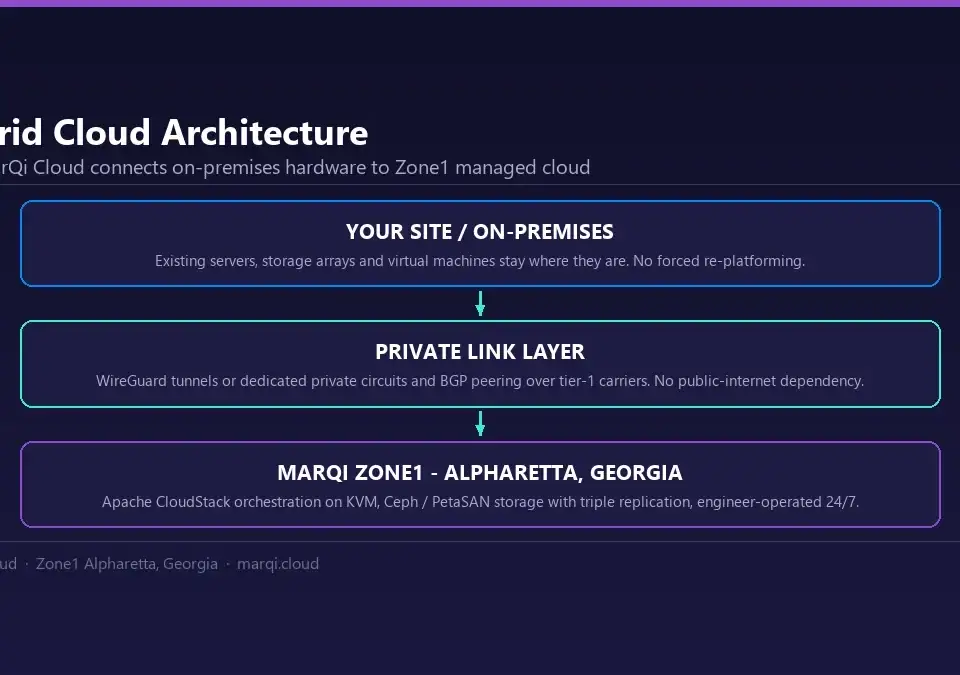
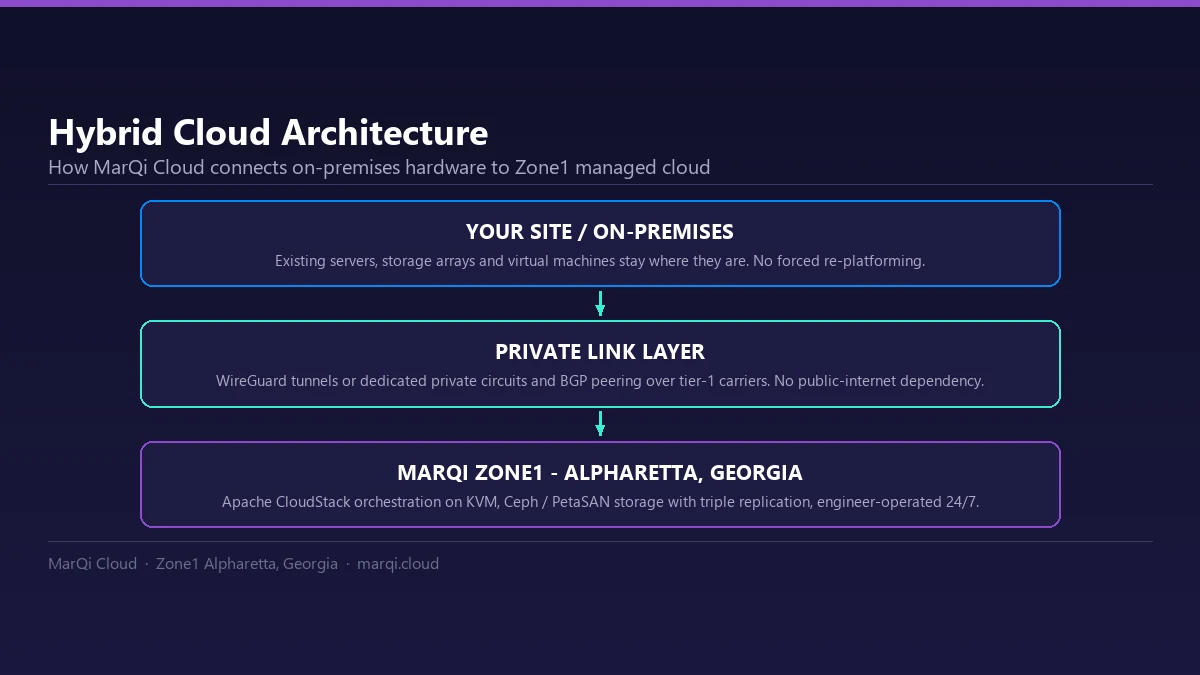
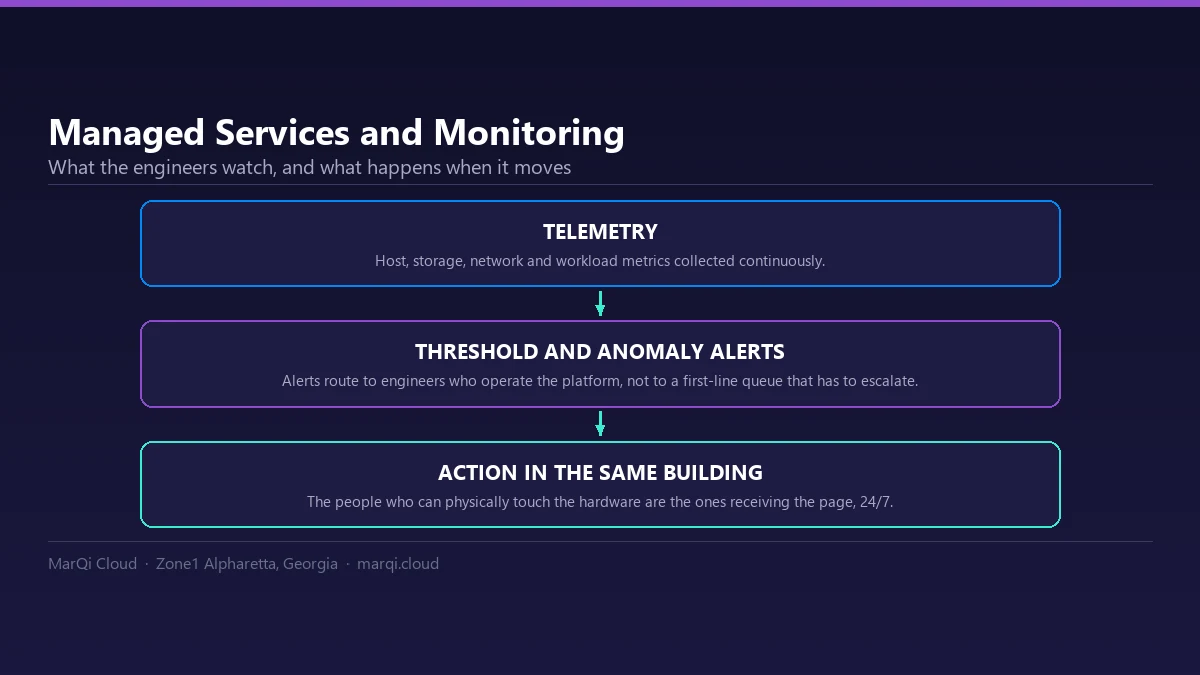
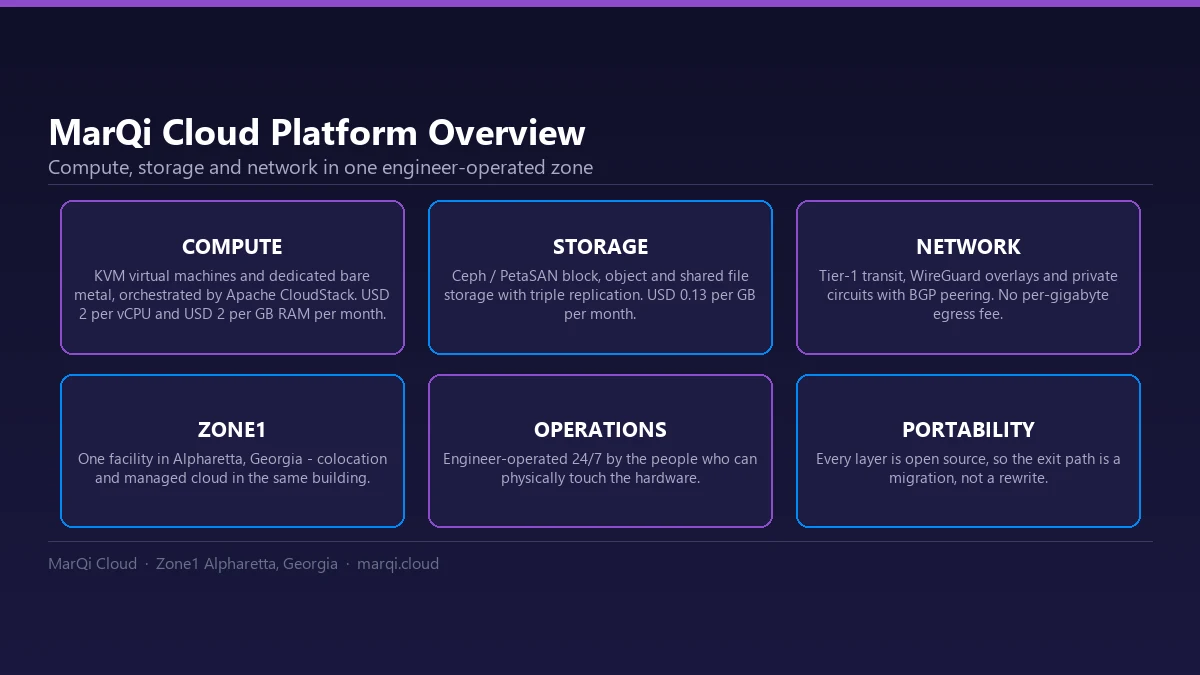
As an enterprise cloud provider, MarQi Cloud offers a range of services designed to support organizations in this transition. Our hybrid cloud infrastructure is tailored for performance, security, and compliance, ensuring businesses can leverage the best of both worlds.
2. Key Trends Shaping Cloud Strategy
As we look towards 2026, several key trends will influence cloud strategy:
- Increased Adoption of Hybrid Cloud: Many enterprises are adopting hybrid cloud models to leverage the flexibility of public clouds while maintaining control over sensitive data in private clouds.
- Focus on Security and Compliance: With rising cyber threats, enterprises are prioritizing security and compliance in their cloud strategies. This includes adopting zero-trust architectures and ensuring data protection regulations are met.
- AI and Machine Learning Integration: The integration of AI and ML into cloud services is enabling organizations to optimize operations, enhance decision-making, and improve customer experiences.
- Serverless Computing: Serverless architectures allow developers to build and deploy applications without managing infrastructure, leading to faster development cycles and reduced operational costs.
- Edge Computing: The rise of IoT devices is driving the need for edge computing, where data processing occurs closer to the source, reducing latency and improving performance.
Understanding these trends is crucial for developing a cloud strategy that aligns with your organization’s goals and market demands.
3. Building a Cloud Strategy: Step-by-Step
Creating a successful cloud strategy involves several key steps:
Step 1: Assess Your Current Infrastructure
Begin by evaluating your existing IT infrastructure. Identify the applications and workloads that can benefit from cloud integration. This assessment will help you determine whether a hybrid cloud, private cloud, or public cloud solution is best suited for your needs.
Step 2: Define Your Business Objectives
Clearly outline your business goals for cloud adoption. Whether it’s improving operational efficiency, enhancing customer experiences, or ensuring business continuity, having defined objectives will guide your cloud strategy.
Step 3: Choose the Right Cloud Model
Decide on the cloud deployment model that aligns with your objectives. For many organizations, hybrid cloud solutions offer the flexibility needed to balance workloads across public and private environments. Explore our hybrid cloud solutions to understand how they can benefit your enterprise.
Step 4: Implement Security Measures
Security should be a top priority in your cloud strategy. Implement robust security measures, including encryption, identity and access management, and regular security audits. Learn more about how MarQi Cloud handles security in our Cloud Provider Security Certifications Guide.
Step 5: Plan for Scalability
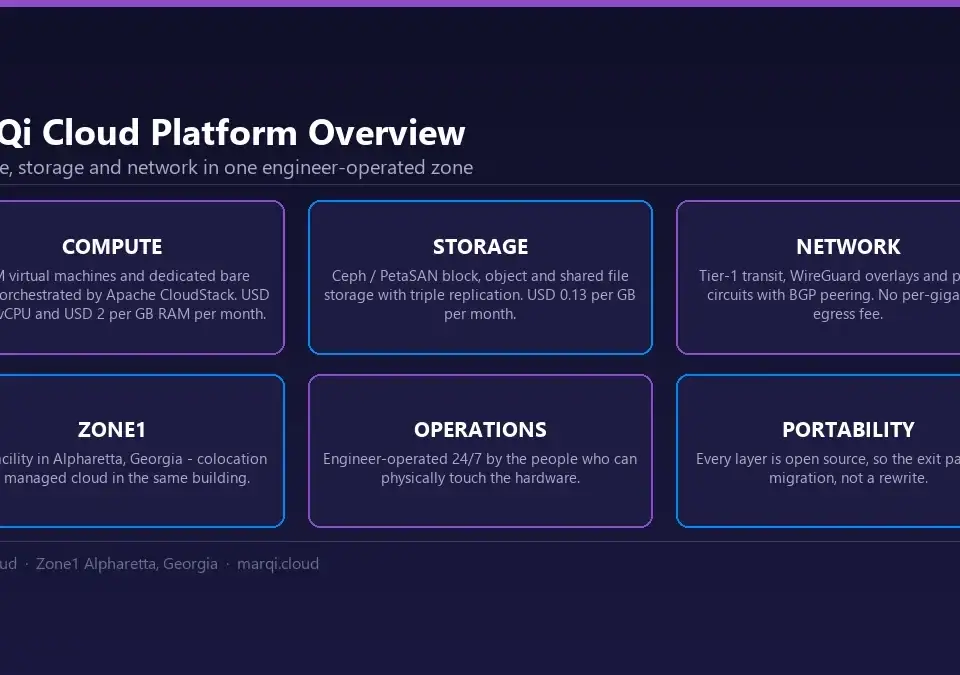
Ensure your cloud infrastructure can scale as your business grows. This includes planning for increased storage, compute resources, and network capacity. MarQi Cloud offers scalable compute and storage resources tailored to your organization’s needs.
Step 6: Monitor and Optimize
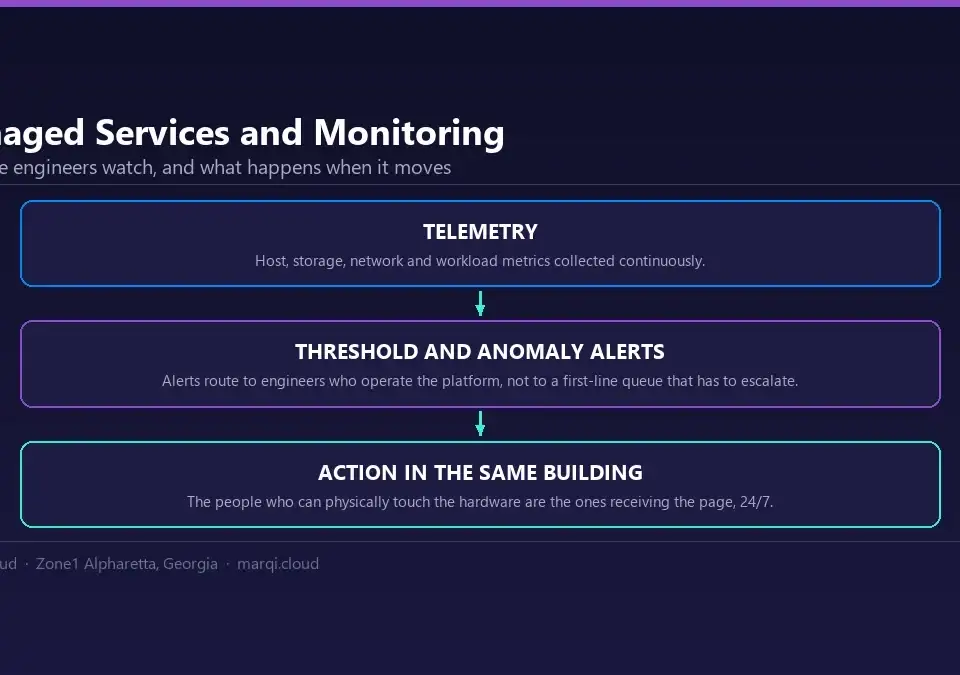
Once your cloud infrastructure is in place, continuously monitor performance and costs. Use analytics tools to gain insights into usage patterns and identify areas for optimization. Regularly review your strategy to ensure it remains aligned with your business goals.
4. Hybrid Cloud Solutions: A Strategic Advantage
Hybrid cloud solutions offer a strategic advantage for enterprises looking to balance flexibility and control. By combining the benefits of public and private clouds, organizations can optimize workloads, improve performance, and enhance security.
Benefits of Hybrid Cloud:
- Flexibility: Easily scale resources up or down based on demand.
- Cost Efficiency: Optimize costs by using public cloud resources for non-sensitive workloads while keeping critical data in a private cloud.
- Enhanced Security: Maintain control over sensitive data while leveraging public cloud services for scalability and innovation.
Case Study: A Successful Hybrid Cloud Implementation
A leading healthcare provider recently transitioned to a hybrid cloud model, allowing them to store sensitive patient data securely in a private cloud while utilizing public cloud resources for analytics and reporting. This approach not only improved data security but also enhanced their ability to deliver timely insights, ultimately leading to better patient care.
5. Security and Compliance in Cloud Strategy
As enterprises move to the cloud, security and compliance become paramount. Organizations must navigate various regulations, including GDPR, HIPAA, and PCI DSS, while ensuring their cloud environments are secure.
Implementing Security Best Practices:
- Data Encryption: Encrypt data both in transit and at rest to protect against unauthorized access.
- Identity and Access Management: Implement strong authentication methods and role-based access controls to limit access to sensitive data.
- Regular Security Audits: Conduct regular audits to identify vulnerabilities and ensure compliance with relevant regulations.
For more insights on maintaining compliance in cloud environments, refer to our article on healthcare compliance.
6. Cost Management and Optimization
Effective cost management is critical in cloud strategy. Without proper oversight, cloud costs can escalate quickly. Here are some strategies to optimize cloud spending:
1. Monitor Usage Regularly
Use cloud management tools to track usage and identify underutilized resources. This can help you make informed decisions about scaling resources up or down.
2. Implement Cost Controls
Set budgets and alerts to monitor spending. Many cloud providers offer built-in tools to help manage costs and prevent overspending.
3. Leverage Reserved Instances
Consider using reserved instances for predictable workloads, as they often come with significant cost savings compared to on-demand pricing.
4. Optimize Resource Allocation
Regularly review your resource allocation to ensure you are using the most cost-effective options available.
| Cost Management Strategy | Description |
|---|---|
| Monitoring Tools | Track usage and spending in real-time. |
| Budgeting | Set spending limits and alerts. |
| Reserved Instances | Prepay for cloud resources for cost savings. |
| Resource Optimization | Regularly review and adjust resource allocation. |
7. Measuring Success: Key Performance Indicators
To evaluate the effectiveness of your cloud strategy, it’s essential to establish key performance indicators (KPIs). Here are some KPIs to consider:
- Cost Savings: Measure the reduction in IT costs as a result of cloud adoption.
- Performance Metrics: Track application performance and uptime to ensure service reliability.
- User Satisfaction: Gather feedback from users to assess their satisfaction with cloud services.
- Compliance Status: Monitor compliance with data protection regulations.
8. Conclusion
As we look toward 2026, developing a comprehensive cloud strategy is vital for enterprise IT success. By understanding the cloud landscape, embracing key trends, and implementing best practices, organizations can position themselves for growth and innovation. At MarQi Cloud, we are committed to providing enterprise-grade cloud infrastructure and hybrid solutions tailored to meet your unique needs. Whether you’re looking to migrate to the cloud or optimize your existing infrastructure, our team of experts is here to help you every step of the way.
Ready to take the next step in your cloud journey? Contact us today to learn more about how we can support your enterprise cloud strategy.
9. Frequently Asked Questions
What is a cloud strategy?
A cloud strategy outlines how an organization will utilize cloud computing to achieve its business goals, including deployment models, security measures, and cost management.
Why is a hybrid cloud strategy important?
A hybrid cloud strategy allows organizations to balance the flexibility and scalability of public clouds with the security and control of private clouds, optimizing resource allocation.
How can I ensure compliance in the cloud?
Implement security best practices, conduct regular audits, and stay informed about relevant regulations to ensure compliance in cloud environments.
What are the key trends in cloud computing for 2026?
Key trends include increased adoption of hybrid clouds, a focus on security, AI and ML integration, serverless computing, and edge computing.
How can I optimize cloud costs?
Monitor usage regularly, implement cost controls, leverage reserved instances, and optimize resource allocation to manage cloud spending effectively.
What KPIs should I track for my cloud strategy?
Track cost savings, performance metrics, user satisfaction, and compliance status to evaluate the effectiveness of your cloud strategy.
What role does security play in cloud strategy?
Security is critical in cloud strategy to protect sensitive data and ensure compliance with regulations, requiring robust measures and regular audits.
How can MarQi Cloud assist with cloud migration?
MarQi Cloud offers comprehensive cloud migration services, ensuring a seamless transition to cloud environments while minimizing disruptions to business operations.