The Complete Guide to Cloud Strategy for Enterprise IT in 2026
September 11, 2026
How MarQi Cloud Combines Enterprise Security, Open Source Freedom, and Zero Lock-In
September 11, 2026
Why Choosing the Right Cloud Foundation Today Determines Your Infrastructure Success Tomorrow
In today’s fast-paced digital landscape, the significance of selecting the right cloud foundation cannot be overstated. As businesses transition to cloud-based services, the choice of cloud infrastructure not only influences immediate operational efficiency but also sets the stage for long-term growth and success. This article delves into the critical aspects of cloud infrastructure, emphasizing how the right foundation can determine your organization’s infrastructure success tomorrow. We will explore the various types of cloud solutions, the implications of cloud architecture on performance, security, and scalability, and how MarQi Cloud’s offerings can align with your strategic goals.
Understanding Cloud Infrastructure
Cloud infrastructure refers to the collection of hardware and software components that enable cloud computing. This includes servers, storage, networking, and virtualization technologies that work together to deliver scalable and flexible IT resources. Understanding the components of cloud infrastructure is essential for making informed decisions about your cloud strategy.
According to recent studies, over 90% of enterprises are using cloud services in some form, reflecting a significant shift in how businesses manage their IT resources (Gartner). The cloud provides an agile platform for innovation, enabling organizations to respond quickly to market demands while optimizing costs.
Types of Cloud Solutions
When selecting a cloud provider, it’s crucial to understand the different types of cloud solutions available:
- Public Cloud: Services offered over the public internet, typically lower in cost but with shared resources.
- Private Cloud: Dedicated infrastructure for a single organization, offering enhanced security and control.
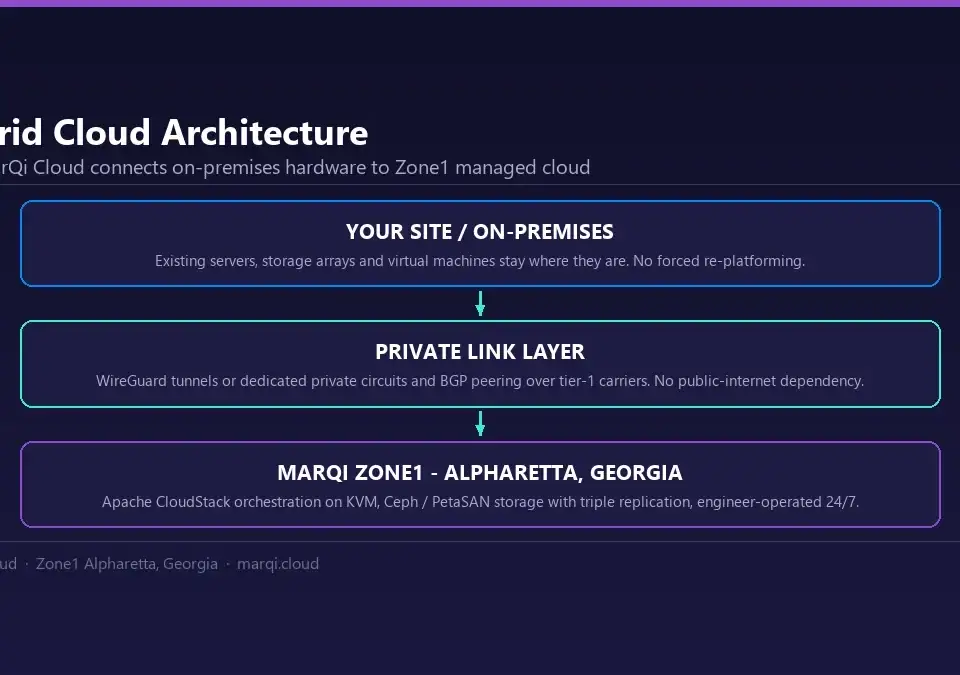
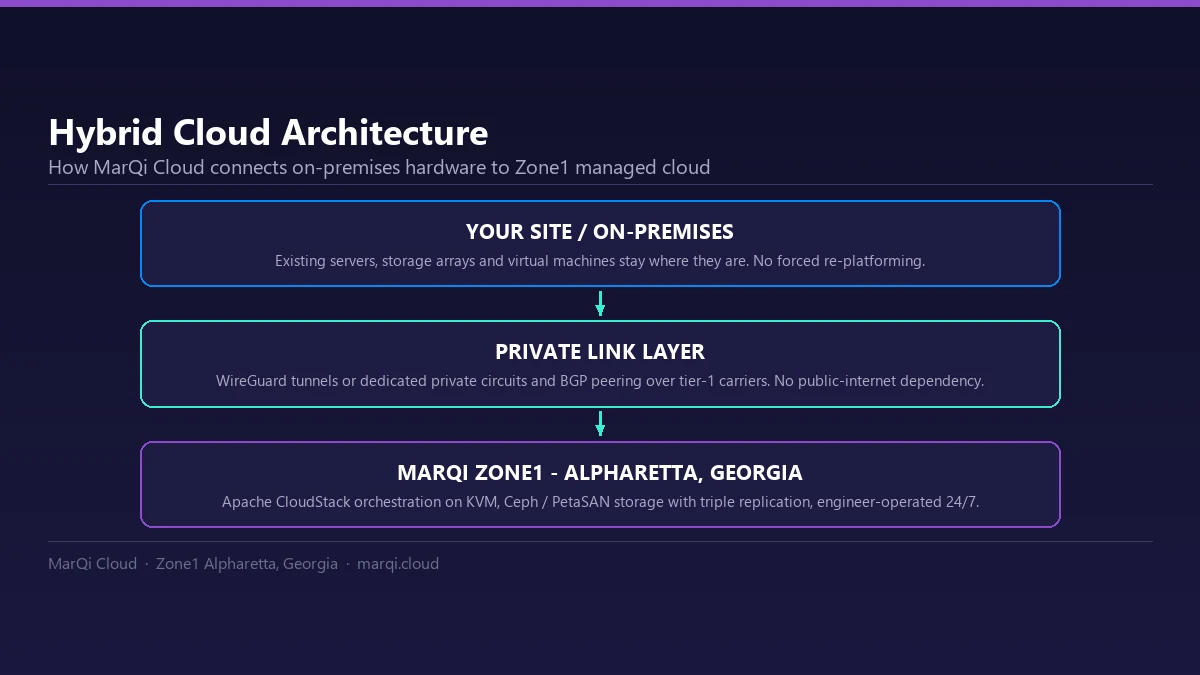
- Hybrid Cloud: A combination of public and private clouds, allowing data and applications to be shared between them.
- Multi-Cloud: The use of multiple cloud services from different providers to avoid vendor lock-in and enhance flexibility.
Each type has its own advantages and challenges. For instance, while a public cloud can provide cost savings, a private cloud can offer greater security and compliance, particularly for industries such as healthcare and finance. Understanding these distinctions is fundamental to choosing the right cloud architecture for your organization.
Importance of a Solid Cloud Foundation
A solid cloud foundation is essential for several reasons:
- Performance: The right cloud architecture can significantly enhance application performance and user experience.
- Scalability: A well-designed cloud infrastructure allows businesses to scale resources up or down based on demand, ensuring optimal resource utilization.
- Security: Security features built into the cloud infrastructure can protect sensitive data and ensure compliance with regulations.
- Cost Efficiency: Choosing a cloud model that aligns with your business needs can lead to substantial cost savings.
The impact of a poorly chosen cloud foundation can be detrimental, leading to performance bottlenecks, security vulnerabilities, and escalated costs.
Impact on Business Success
Choosing the right cloud foundation directly correlates with business success. A robust cloud infrastructure enables organizations to:
- Enhance Agility: Quickly respond to changes in the market and customer demands.
- Improve Collaboration: Facilitate better collaboration among teams, regardless of location.
- Drive Innovation: Leverage cloud technologies to develop and deploy new services and products rapidly.
For example, companies that have adopted hybrid cloud solutions report a 20% increase in operational efficiency (Forbes). This is largely due to their ability to combine the best of both public and private cloud environments.
Key Considerations in Cloud Selection
When evaluating cloud providers, several key factors should be considered:
- Compliance and Security: Ensure the provider meets industry-specific compliance requirements and offers robust security features.
- Performance and Reliability: Assess the provider’s service level agreements (SLAs) and uptime guarantees.
- Support and Service: Look for providers that offer comprehensive support services to assist with any issues.
- Cost Structure: Understand the pricing model, including any hidden costs such as egress fees.
- Scalability: Ensure the cloud solution can grow with your business needs.
Steps to Choose the Right Cloud Provider
Choosing the right cloud provider involves a systematic approach:
- Define Your Requirements: Assess your business needs, including compliance, security, and scalability.
- Research Providers: Create a shortlist of potential providers based on your requirements.
- Evaluate Options: Compare offerings, pricing, and customer reviews.
- Ask for References: Speak with current customers to gauge their satisfaction and experiences.
- Make a Decision: Choose the provider that best aligns with your business goals and requirements.
MarQi Cloud Advantages
At MarQi Cloud, we understand the complexities of cloud infrastructure and the importance of a solid foundation. Our hybrid cloud solutions offer:
- Enterprise-Grade Infrastructure: Built for performance, compliance, and security.
- Flexible Pricing Models: Designed to align with your budget and business needs.
- Zero Lock-In and Egress Fees: Offering you the freedom to scale without financial penalties.
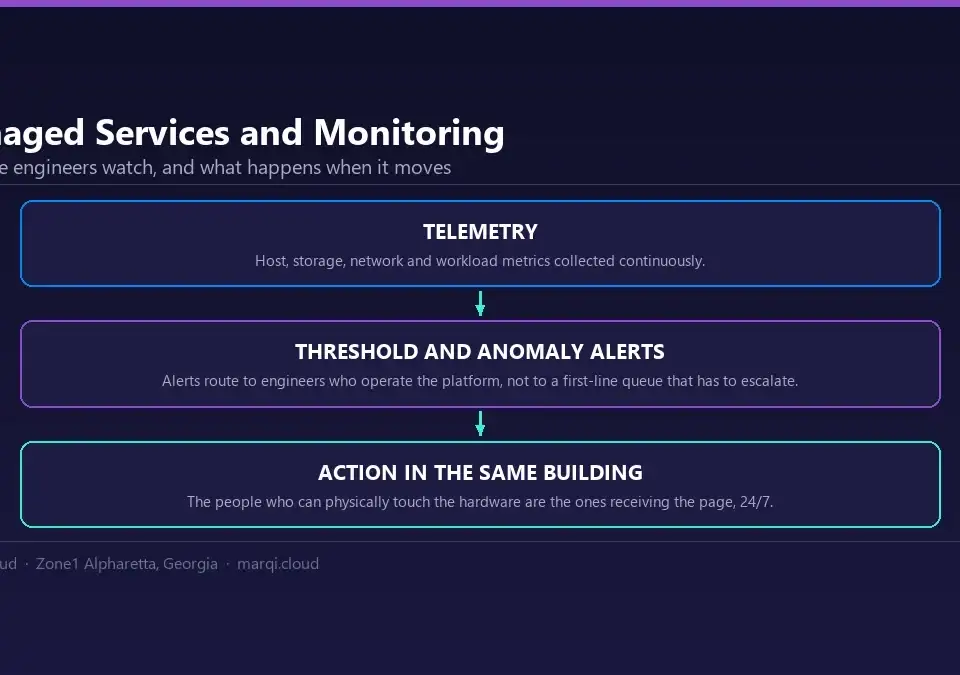
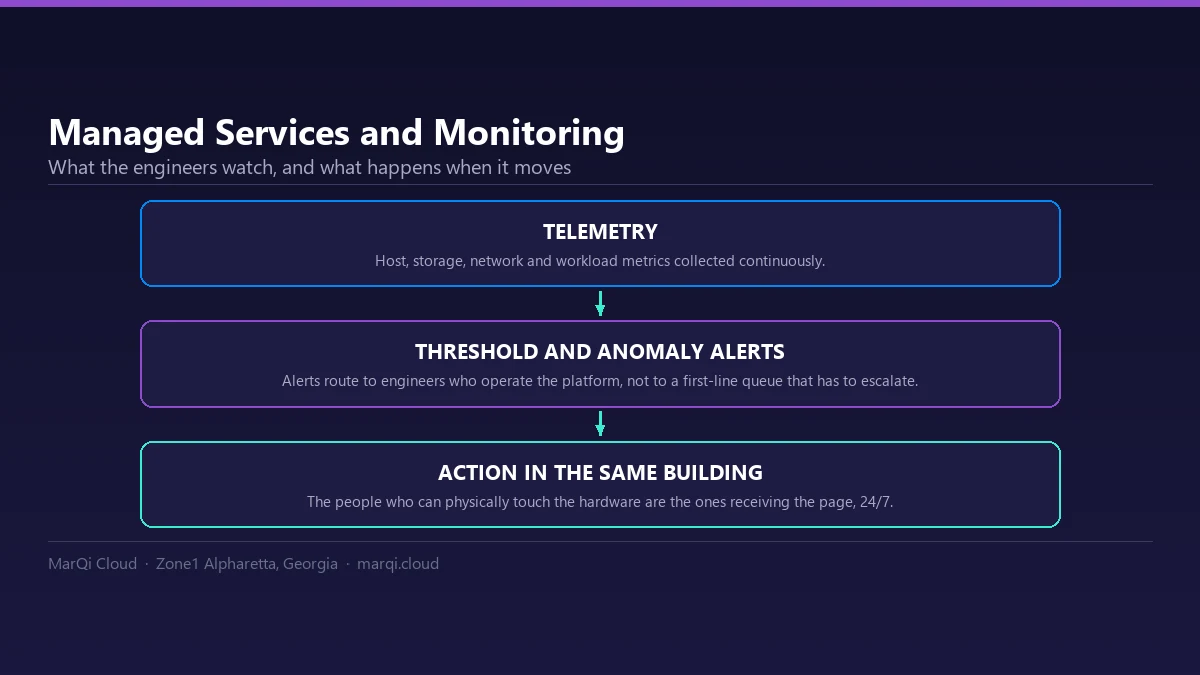
- Expert Support: Our team of cloud engineers is available to assist you 24/7.
With MarQi Cloud, organizations can build a resilient infrastructure that adapts to their evolving needs, ensuring long-term success.
Conclusion
In conclusion, the choice of cloud foundation today plays a pivotal role in determining your infrastructure success tomorrow. With the right cloud provider, businesses can enhance performance, security, and scalability while optimizing costs. At MarQi Cloud, we are committed to providing enterprise-grade cloud solutions tailored to your unique needs. By investing in a robust cloud infrastructure, you are not just preparing for today’s challenges but also positioning your organization for future growth and success.
FAQ
1. What is cloud infrastructure?
Cloud infrastructure refers to the collection of hardware and software components that enable cloud computing, including servers, storage, and networking.
2. What are the different types of cloud solutions?
The main types of cloud solutions are public cloud, private cloud, hybrid cloud, and multi-cloud.
3. Why is a solid cloud foundation important?
A solid cloud foundation enhances performance, scalability, security, and cost efficiency for organizations.
4. How does cloud choice impact business success?
The right cloud foundation allows organizations to respond quickly to market changes, improve collaboration, and drive innovation.
5. What should I consider when selecting a cloud provider?
Key considerations include compliance, performance, support, cost structure, and scalability.
6. How can I evaluate cloud providers?
Research providers, compare offerings, ask for references, and request demos to assess their suitability.
7. What advantages does MarQi Cloud offer?
MarQi Cloud offers enterprise-grade infrastructure, flexible pricing models, zero lock-in, and expert support.
8. How can I ensure my cloud infrastructure grows with my business?
Choose a cloud provider that offers scalable solutions and flexible pricing to adapt to your evolving needs.