Why Open Source Cloud Software Drives Faster Innovation Than Proprietary Solutions
August 2, 2026How Open Source Cloud Licensing Protects Your Right to Migrate Without Penalty
August 2, 2026
The Complete Guide to Community-Driven Open Source Cloud Development
In today’s rapidly evolving tech landscape, community-driven open source cloud development has emerged as a powerful approach to building scalable, flexible, and cost-effective cloud solutions. By leveraging the collective expertise of developers and organizations, businesses can innovate faster and reduce the barriers to entry for adopting advanced cloud technologies. In this comprehensive guide, we will explore the principles of community-driven open source cloud development, its benefits, challenges, and how organizations like MarQi Cloud are at the forefront of this transformative trend.
What is Open Source Cloud Development?
Open source cloud development refers to the practice of creating cloud computing solutions using open-source software and collaborative development practices. This model allows developers to access source code, modify it, and collaborate on projects freely. The principles of open source development promote transparency, community engagement, and rapid innovation, making it an attractive option for organizations looking to harness cloud technology.
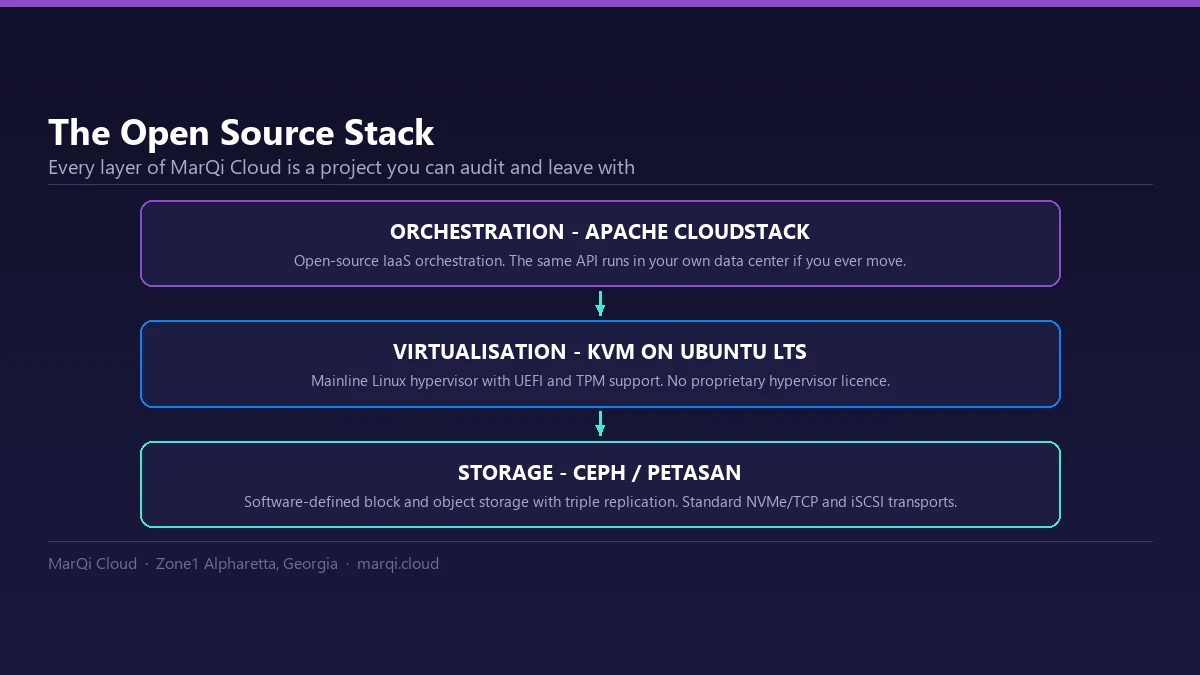
Open source cloud platforms enable users to build, deploy, and manage applications in a cloud environment without the constraints of proprietary software. This flexibility is particularly beneficial for mid-size to enterprise-level organizations that require tailored solutions to meet their unique needs. MarQi Cloud, for instance, leverages open source technologies to provide enterprise-grade cloud infrastructure that is both scalable and secure.
Benefits of Community-Driven Development
Community-driven open source cloud development offers numerous advantages, including:
- Cost Efficiency: By utilizing open-source software, organizations can significantly reduce licensing costs associated with proprietary solutions.
- Flexibility and Customization: Open source solutions can be tailored to meet specific business requirements, allowing for greater agility in responding to market changes.
- Enhanced Security: A large community of developers continuously reviews and improves open source code, leading to faster identification and resolution of vulnerabilities.
- Collaboration and Innovation: Community-driven projects foster collaboration among developers, leading to innovative solutions and best practices that benefit all users.
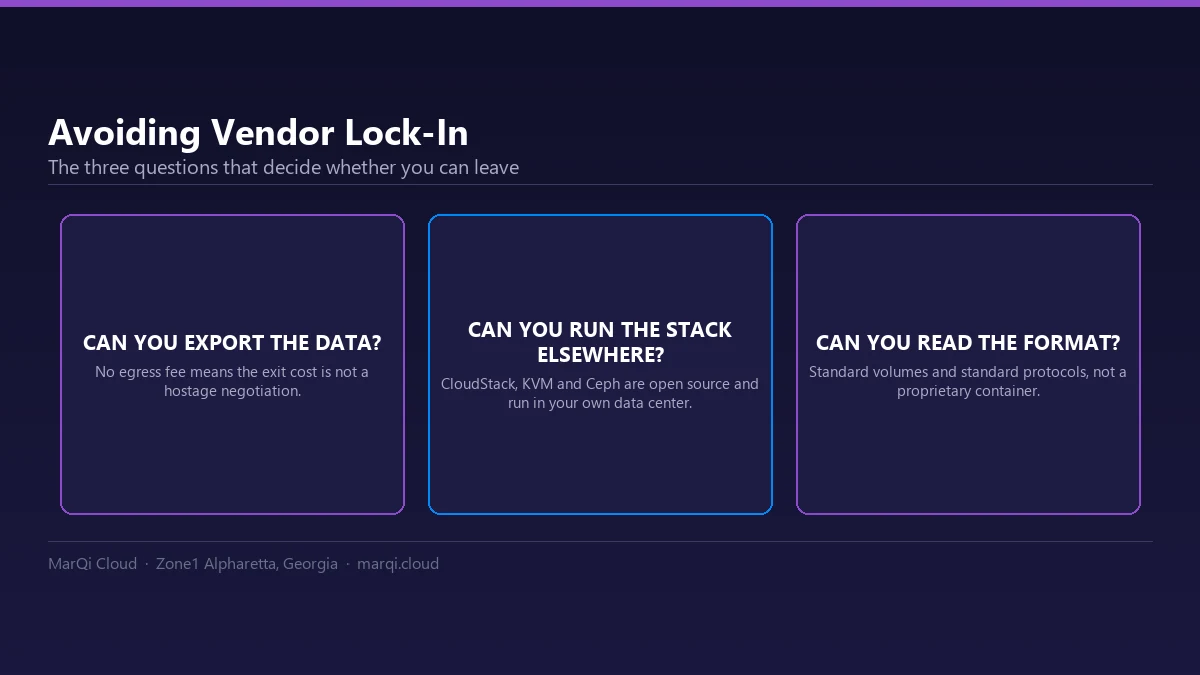
- Vendor Independence: Organizations are not locked into a single vendor’s ecosystem, allowing them to choose the best tools for their needs.
Key Open Source Cloud Platforms
Several open source cloud platforms have gained prominence in the industry, enabling organizations to build robust cloud solutions. Some of the most notable platforms include:
| Platform | Description | Use Cases |
|---|---|---|
| OpenStack | A cloud computing platform for building and managing public and private clouds. | Infrastructure as a Service (IaaS), Private Cloud Implementation |
| Kubernetes | An open-source container orchestration system for automating application deployment, scaling, and management. | Microservices Architecture, Continuous Integration/Continuous Deployment (CI/CD) |
| Apache CloudStack | A cloud computing software for creating, managing, and deploying infrastructure cloud services. | Public and Private Cloud Solutions |
| Docker | A platform for developing, shipping, and running applications in containers. | Application Development, DevOps Practices |
| Cloud Foundry | An open-source cloud application platform that enables developers to deploy and manage applications in various languages. | Multi-Cloud Applications, Agile Development |
These platforms exemplify the power of community-driven development, offering users the tools needed to create scalable, efficient cloud solutions tailored to their specific needs.
How to Contribute to Open Source Cloud Projects
Contributing to community-driven open source cloud projects can be a rewarding experience. Here’s how organizations and individuals can get involved:
- Identify Projects of Interest: Start by exploring open source cloud projects that align with your skills and interests. Websites like GitHub and GitLab host numerous repositories where you can find projects in need of contributors.
- Understand the Community: Engage with the project’s community through forums, mailing lists, or chat channels. Understanding the community’s culture and workflow is essential for effective collaboration.
- Start Small: Begin by fixing minor bugs, improving documentation, or creating test cases. This will help you familiarize yourself with the project while making a meaningful contribution.
- Submit Pull Requests: Once you’ve made changes, submit a pull request for review. Be sure to follow the project’s contribution guidelines and provide clear explanations of your changes.
- Participate in Discussions: Engage in discussions regarding project features, roadmaps, or challenges. Your insights can help shape the direction of the project.
Challenges of Open Source Cloud Development
While community-driven open source cloud development offers many benefits, it also presents challenges:
- Quality Control: Ensuring the quality and reliability of open source software can be difficult, as contributions may vary in skill level and adherence to best practices.
- Fragmentation: The abundance of open source projects can lead to fragmentation, making it challenging for organizations to choose the right solution for their needs.
- Support and Maintenance: Unlike proprietary software, open source projects may lack formal support, requiring organizations to invest time and resources in maintaining their solutions.
- Security Concerns: While open source code is often scrutinized, vulnerabilities can still exist, and organizations must remain vigilant in monitoring their systems.
Case Studies and Success Stories
Several organizations have successfully leveraged community-driven open source cloud development to achieve significant results:
Case Study: MarQi Cloud
MarQi Cloud has positioned itself as an industry leader by adopting open source technologies to deliver enterprise-grade cloud infrastructure. By harnessing the power of community-driven development, MarQi Cloud offers scalable compute and storage resources, hybrid cloud deployment models, and secure hosting solutions tailored for mid-size to enterprise-level organizations. This approach not only enhances the performance of their services but also fosters innovation and collaboration within the cloud community.
Case Study: CERN
CERN, the European Organization for Nuclear Research, utilizes open source cloud technologies to manage vast amounts of data generated by scientific experiments. By developing and contributing to open source projects like OpenStack, CERN has created a powerful cloud infrastructure that supports its research initiatives while promoting collaboration among scientists worldwide.
Future of Open Source Cloud Development
The future of community-driven open source cloud development looks promising, with several trends shaping its evolution:
- Increased Adoption of Hybrid Cloud Solutions: Organizations are increasingly adopting hybrid cloud strategies to balance the benefits of public and private cloud environments, leading to greater demand for open source solutions that facilitate seamless integration.
- Growing Focus on Security: As security concerns continue to rise, open source projects are prioritizing security features and best practices to enhance the safety of cloud environments.
- Expansion of Edge Computing: With the rise of IoT and edge computing, open source solutions are being developed to support distributed architectures that can process data closer to its source.
- Enhanced Community Engagement: Communities are becoming more inclusive, encouraging diverse contributions and fostering collaboration across various sectors.
FAQ
1. What is open source cloud development?
Open source cloud development refers to the practice of building cloud solutions using open-source software and collaborative development practices, promoting transparency and innovation.
2. What are the benefits of community-driven development?
Benefits include cost efficiency, flexibility, enhanced security, collaboration, and vendor independence.
3. How can I contribute to open source cloud projects?
You can contribute by identifying projects of interest, engaging with the community, starting with small contributions, submitting pull requests, and participating in discussions.
4. What are some popular open source cloud platforms?
Notable platforms include OpenStack, Kubernetes, Apache CloudStack, Docker, and Cloud Foundry.
5. What are the challenges of open source cloud development?
Challenges include quality control, fragmentation, support and maintenance, and security concerns.
6. Can open source solutions be secure?
Yes, open source solutions can be secure, especially when developed with best practices and continuously monitored for vulnerabilities.
7. How does community-driven development foster innovation?
Community-driven development encourages collaboration among diverse contributors, leading to innovative solutions and best practices that benefit all users.
8. What is the future of open source cloud development?
The future includes increased adoption of hybrid cloud solutions, a growing focus on security, the expansion of edge computing, and enhanced community engagement.