Why Open Source Cloud Transparency Builds Trust Between Providers and Clients
August 3, 2026
How Open Source Cloud Monitoring Tools Provide Enterprise-Grade Observability
August 3, 2026
The Complete Guide to Contributing to Open Source Cloud Projects as an Enterprise User
As enterprise users increasingly adopt cloud technologies, the significance of contributing to open source cloud projects cannot be overstated. Open source cloud projects foster innovation, enhance collaboration, and provide a platform for enterprises to influence the development of critical software that powers their operations. In this comprehensive guide, we will explore the nuances of contributing to open source cloud projects, the benefits for enterprises, and actionable steps to get involved effectively. By the end of this article, you will have a clear roadmap for how to engage with these projects, leveraging the expertise of MarQi Cloud in enterprise cloud solutions.
Understanding Open Source Cloud Projects
Open source cloud projects are collaborative software initiatives where the source code is made publicly available, allowing anyone to view, modify, and distribute it. This transparency encourages community involvement and innovation. Popular open source cloud projects include Kubernetes, OpenStack, and Apache CloudStack. These platforms are essential for enterprises looking to implement hybrid and private cloud solutions.
Contributing to these projects can take many forms, including code contributions, documentation, bug reporting, and community support. As an enterprise user, engaging with open source projects allows you to not only utilize these tools effectively but also shape their future development.
Benefits of Contributing as an Enterprise User
There are numerous advantages for enterprise users who contribute to open source cloud projects:
- Influence Development: By contributing, enterprises can influence the direction of the software, ensuring it meets their specific needs.
- Access to Expertise: Engaging with open source communities provides access to a wealth of knowledge and expertise that can enhance internal capabilities.
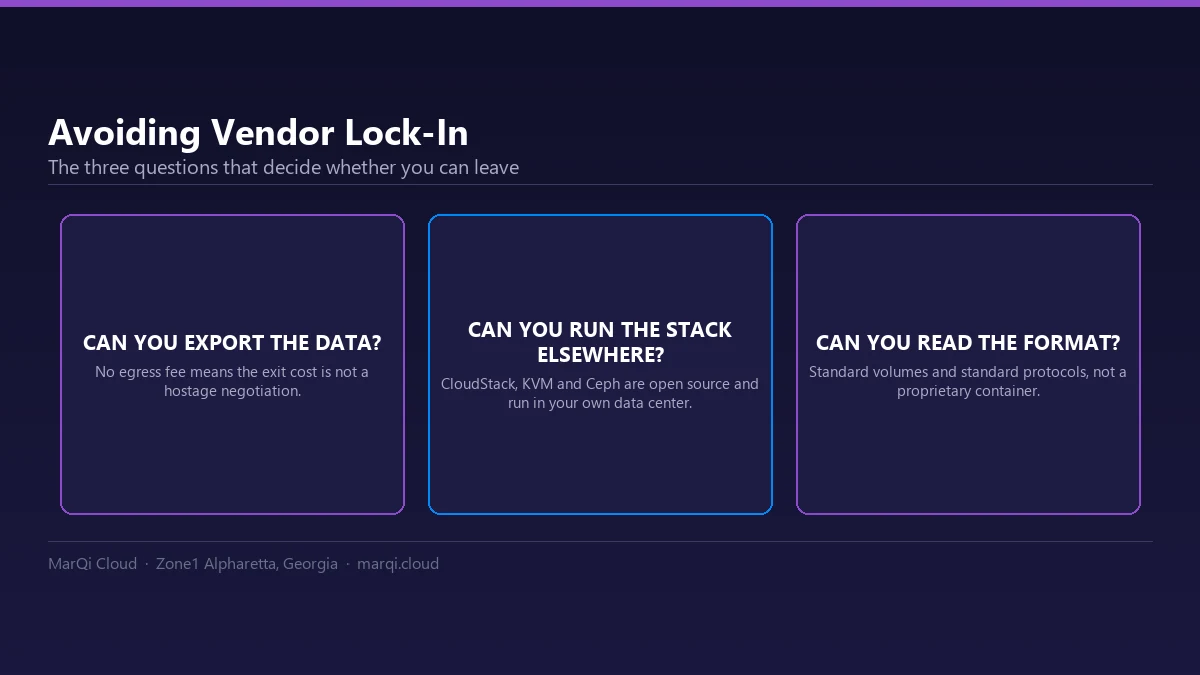
- Cost Efficiency: Open source solutions typically reduce licensing costs and vendor lock-in, aligning with flexible pricing models.
- Improved Security: Open source projects benefit from community scrutiny and rapid identification of vulnerabilities, which enhances overall security.
- Networking Opportunities: Collaborating with other enterprises and developers opens doors to partnerships and collaboration.
For instance, MarQi Cloud’s commitment to open source solutions fosters an environment where enterprises can benefit from scalable cloud computing while contributing to community-driven projects. This not only strengthens the infrastructure but also establishes a reputation as a leader in innovation.
How to Identify Suitable Open Source Projects
Identifying the right open source cloud projects to contribute to can be daunting, especially for enterprise users. Here are some steps to guide you:
- Assess Internal Needs: Identify specific challenges or gaps in your current infrastructure that could be addressed by open source solutions.
- Research Projects: Explore platforms like GitHub and Open Hub to find projects that align with your needs.
- Evaluate Community Activity: Look for projects with active communities, frequent updates, and robust documentation. This indicates a healthy ecosystem.
- Consider Compatibility: Ensure that the projects you consider can integrate seamlessly with your existing systems and workflows.
By taking the time to evaluate projects carefully, enterprises can ensure their contributions have the most significant impact.
Getting Started with Contributions
Once you have identified suitable projects, the next step is to start contributing. Here’s a step-by-step guide:
- Join the Community: Engage with the project community through forums, chat rooms, or mailing lists. This interaction can provide insights into the project’s needs and how you can contribute effectively.
- Set Up Your Development Environment: Follow the project’s guidelines to set up your local development environment. Ensure you have the necessary tools and access to the codebase.
- Start Small: Begin with small contributions, such as fixing bugs or improving documentation. This approach helps build confidence and familiarity with the project.
- Submit Pull Requests: Once you have made changes, submit a pull request (PR) following the project’s contribution guidelines. Be prepared for feedback and make necessary adjustments.
- Stay Engaged: Continue to participate in discussions, attend community meetings, and contribute regularly. This consistent engagement builds your reputation within the community.
Best Practices for Enterprise Contributions
For enterprise users, contributing to open source cloud projects comes with unique considerations. Here are some best practices to follow:
- Establish Clear Goals: Define what your organization hopes to achieve through contributions, whether it’s enhancing a specific feature, improving performance, or expanding community engagement.
- Allocate Resources: Dedicate time and resources for team members to work on contributions. This can include training sessions, hackathons, or regular contribution sprints.
- Document Contributions: Maintain thorough documentation of your contributions and processes. This not only helps internal stakeholders understand the value but also assists others in the community.
- Foster a Culture of Contribution: Encourage your team to engage with open source projects. Recognize and reward contributions to motivate ongoing participation.
- Collaborate with Other Enterprises: Partner with other organizations to tackle larger projects or challenges. This collective approach can yield substantial benefits and foster a sense of community.
Case Studies: Successful Enterprise Contributions
Examining successful contributions can provide valuable insights. Here are a few notable examples:
| Company | Project | Contribution Type | Impact |
|---|---|---|---|
| Kubernetes | Code Contributions | Enhanced scalability features that benefit enterprise deployments. | |
| IBM | OpenStack | Documentation and Support | Improved onboarding experience for new users. |
| Red Hat | Ceph | Feature Development | Strengthened storage capabilities for cloud environments. |
These examples demonstrate how enterprise contributions can lead to significant advancements in open source projects, benefiting the entire community.
Conclusion
Contributing to open source cloud projects as an enterprise user is not just a way to give back; it is a strategic move that can enhance your organization’s capabilities, influence software development, and foster innovation. By understanding the landscape, identifying suitable projects, and following best practices, enterprises can make meaningful contributions that align with their business goals. At MarQi Cloud, we are committed to supporting enterprises in their open source journey. For more information on how our enterprise-grade cloud infrastructure can empower your organization, contact us.
FAQ
1. What are open source cloud projects?
Open source cloud projects are collaborative software initiatives where the source code is publicly available, allowing users to modify and distribute it.
2. Why should enterprises contribute to open source projects?
Contributing allows enterprises to influence software development, access expertise, improve security, and reduce costs.
3. How can I find suitable open source projects to contribute to?
Assess your internal needs, research projects on platforms like GitHub, and evaluate community activity.
4. What types of contributions can I make?
Contributions can include code, documentation, bug reporting, and community support.
5. How do I get started with contributions?
Join the community, set up your development environment, start with small contributions, submit pull requests, and stay engaged.
6. What are some best practices for enterprise contributions?
Establish clear goals, allocate resources, document contributions, foster a culture of contribution, and collaborate with other enterprises.
7. Can you give examples of successful enterprise contributions?
Examples include Google’s contributions to Kubernetes, IBM’s support for OpenStack, and Red Hat’s development of Ceph.
8. How can MarQi Cloud assist enterprises in open source contributions?
MarQi Cloud offers enterprise-grade infrastructure and support, enabling organizations to leverage open source solutions effectively.