How MarQi Cloud Is Building the Anti-Big-Tech Infrastructure Stack
May 7, 2026
Why the Next 1,000 AI Companies Will Be Built on Infrastructure Like MarQi Cloud
May 7, 2026
The Future of Cloud Belongs to Open Source Providers Like MarQi Cloud
The cloud computing landscape is evolving rapidly, and as businesses increasingly look for flexibility, scalability, and security, open source cloud solutions are emerging as a powerful alternative to traditional proprietary services. MarQi Cloud, with its enterprise-grade infrastructure and innovative hybrid cloud deployment models, exemplifies how open source providers are shaping the future of cloud computing. In this article, we will explore the advantages of open source cloud providers, the significance of hybrid cloud deployments, and how MarQi Cloud is positioned to lead this transformation.
Understanding Open Source Cloud Computing
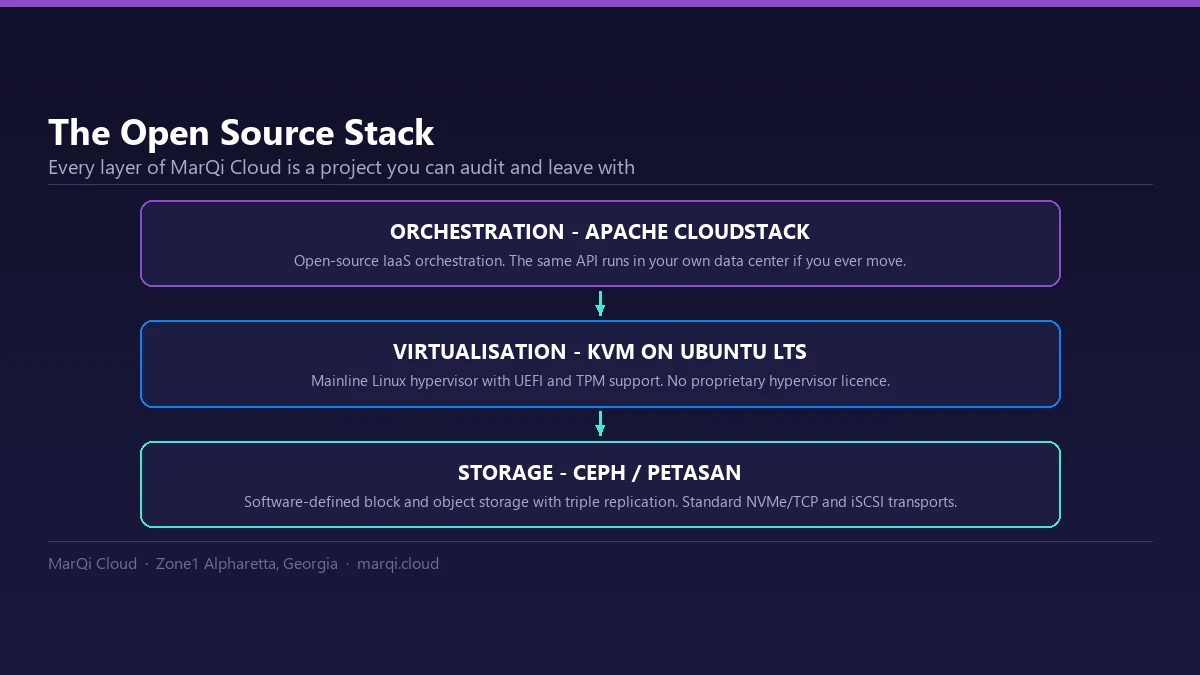
Open source cloud computing refers to cloud services built on open source software, allowing users to access the source code and customize their cloud environments. This approach provides numerous benefits, including transparency, flexibility, and lower costs. Businesses can leverage these advantages to create tailored solutions that meet their specific needs.
Transparency and Security
One of the most significant advantages of open source solutions is transparency. With open source software, users can inspect the code for vulnerabilities and ensure that their data is secure. This level of scrutiny is often lacking in proprietary solutions, where users must trust the vendor’s security measures without visibility into the underlying code. MarQi Cloud prioritizes security and provides private and secure hosting environments, ensuring that your data remains safe.
Cost Effectiveness
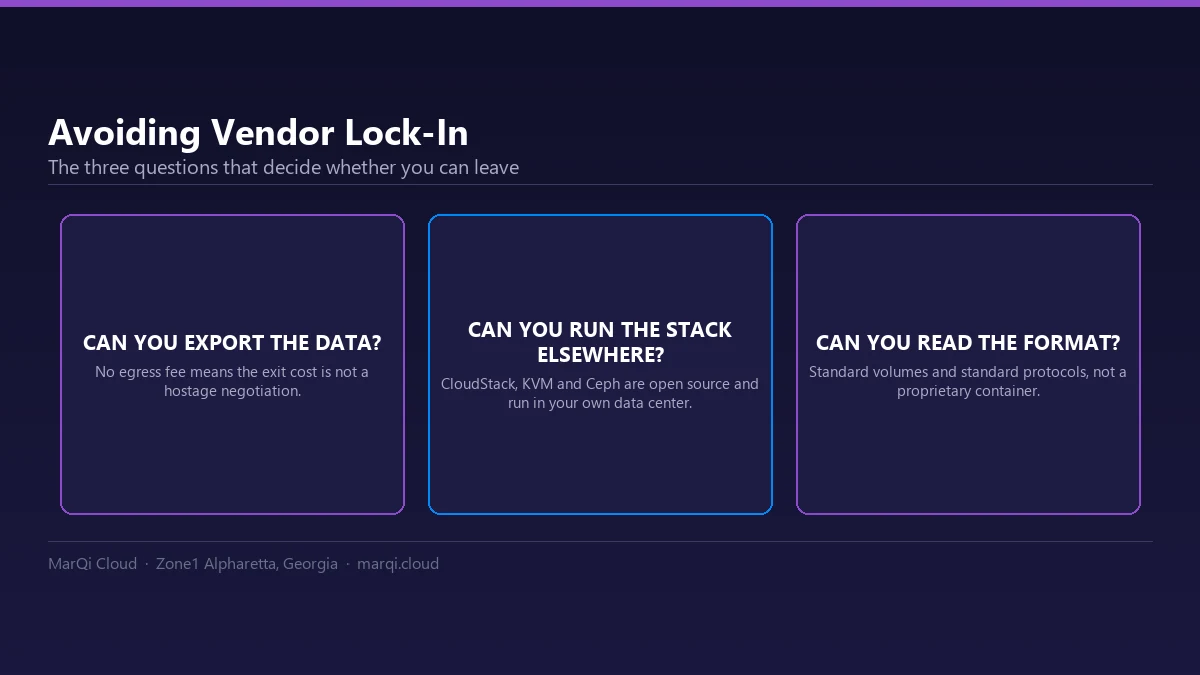
Open source cloud solutions can significantly reduce costs for businesses. Traditional proprietary cloud services often come with high licensing fees and vendor lock-in. In contrast, open source providers like MarQi Cloud offer flexible pricing models that cater to various budgets, enabling companies to invest in scalable compute and storage resources without breaking the bank.
The Rise of Hybrid Cloud Deployment Models
As businesses strive for agility and efficiency, hybrid cloud deployment models are becoming increasingly popular. A hybrid cloud combines public and private cloud environments, allowing organizations to take advantage of both infrastructures. This flexibility enables companies to maintain sensitive data in a secure private cloud while utilizing the scalability of public cloud resources for less critical workloads.
Benefits of Hybrid Cloud Solutions
1. Scalability: Hybrid cloud models allow businesses to scale their resources quickly based on demand. During peak times, organizations can tap into public cloud resources to handle increased workloads without the need for costly investments in additional infrastructure.
2. Enhanced Performance: Performance-driven infrastructure design is crucial for businesses that rely on fast and reliable services. Hybrid cloud solutions enable organizations to optimize performance by distributing workloads across private and public environments, ensuring that resources are utilized efficiently.
3. Business Continuity: Hybrid clouds provide businesses with robust disaster recovery solutions. In the event of a failure in one environment, operations can continue seamlessly in another, ensuring minimal downtime and disruption.
MarQi Cloud: Leading the Open Source Cloud Revolution
MarQi Cloud stands out in the crowded cloud market by offering enterprise-grade cloud infrastructure that is both flexible and secure. Their commitment to open source principles allows businesses to leverage the benefits of customization, cost savings, and transparency. Let’s explore how MarQi Cloud is revolutionizing cloud computing.
Enterprise-Grade Infrastructure
MarQi Cloud’s infrastructure is designed to meet the needs of large enterprises while remaining accessible to small and medium-sized businesses. With scalable compute and storage resources, clients can seamlessly adjust their cloud environments to match their growth trajectories.
Private and Secure Hosting Environments
Data security is a top priority for MarQi Cloud. Their private hosting environments ensure that sensitive data is protected from unauthorized access. With compliance to industry standards and regulations, businesses can trust that their information is handled securely.
US-Based Infrastructure and Support
For many businesses, having a US-based cloud provider is crucial. MarQi Cloud offers US-based infrastructure and support, providing clients with peace of mind and the assurance that they are working with a provider that understands their regulatory requirements and business needs.
Flexible Pricing Models
MarQi Cloud’s flexible pricing models ensure that businesses can find a solution that fits their budget. Whether you’re a startup or an established enterprise, MarQi Cloud offers pricing structures that allow for easy scaling and cost management.
The Future of Open Source Cloud Computing
The future of cloud computing is bright for open source providers like MarQi Cloud. As organizations continue to prioritize flexibility, security, and cost-effectiveness, open source solutions will gain traction. The shift toward hybrid cloud models will further solidify the role of open source providers as they offer the best of both worlds.
Embracing Innovation
Innovation will be key to the success of open source cloud providers. By continually improving their offerings and adapting to the latest technological advancements, companies like MarQi Cloud can stay ahead of the competition and meet the evolving needs of their clients.
Fostering a Community
Open source cloud solutions thrive on community collaboration. By fostering a strong community of developers and users, MarQi Cloud can harness collective intelligence to enhance their offerings and drive innovation.
Conclusion
The future of cloud computing belongs to open source providers like MarQi Cloud. With their focus on enterprise-grade infrastructure, hybrid cloud deployment models, and commitment to security and flexibility, they are well-positioned to lead the way in this rapidly changing landscape. Businesses that embrace open source cloud solutions will benefit from increased agility, cost savings, and robust security, setting the stage for a successful future.
Frequently Asked Questions (FAQ)
1. What is open source cloud computing?
Open source cloud computing refers to cloud services built on open source software, allowing users to customize their cloud environments and access the source code.
2. How does MarQi Cloud ensure data security?
MarQi Cloud prioritizes security by offering private and secure hosting environments and adhering to industry standards and regulations.
3. What are the benefits of hybrid cloud deployment models?
Hybrid cloud models offer scalability, enhanced performance, and robust business continuity solutions.
4. Can small businesses benefit from MarQi Cloud’s services?
Yes, MarQi Cloud offers flexible pricing models that cater to both small and medium-sized businesses, making their services accessible to a wide range of clients.
5. Why is US-based infrastructure important?
US-based infrastructure is crucial for businesses that need to comply with specific regulations and require localized support.
6. How can open source solutions reduce costs?
Open source solutions eliminate high licensing fees and vendor lock-in, allowing businesses to invest in scalable resources without excessive spending.
7. What role does innovation play in the future of cloud computing?
Innovation is essential for open source cloud providers to enhance their offerings and adapt to technological advancements, ensuring they meet evolving client needs.
8. How does MarQi Cloud foster a community around its services?
MarQi Cloud fosters a community by encouraging collaboration among developers and users, leveraging collective intelligence to drive innovation.