How MarQi Cloud Lets You Run GPT-Level AI Models Without Big Tech Dependency
April 21, 2026
How MarQi Cloud’s Founding Team Built Infrastructure That Punches Above Its Weight
April 21, 2026
The MarQi Cloud CEO’s Vision: Why Open Source Cloud Is the Future
In an era where digital transformation is not just a trend but a necessity, the cloud has become the backbone of modern IT infrastructure. As organizations continue to embrace cloud solutions, a significant shift towards open source cloud technology has emerged. MarQi Cloud, a leader in enterprise-grade cloud infrastructure, is at the forefront of this transformation. In this article, we will explore the vision of MarQi Cloud’s CEO regarding the future of open source cloud, its benefits, and how it aligns with the company’s offerings.
Understanding Open Source Cloud
Open source cloud refers to cloud computing solutions that are built and maintained using open source software. This model allows for greater transparency, flexibility, and community support compared to proprietary cloud solutions. With the rise of open source technologies like OpenStack, Kubernetes, and Cloud Foundry, businesses are increasingly recognizing the advantages of adopting open source cloud solutions.
The Benefits of Open Source Cloud
Open source cloud solutions offer a range of benefits that make them a compelling choice for organizations looking to enhance their IT infrastructure.
1. Cost-Effectiveness
One of the primary advantages of open source cloud technology is its cost-effectiveness. Organizations can avoid hefty licensing fees associated with proprietary software, allowing them to allocate resources more efficiently. MarQi Cloud offers flexible pricing models that enable businesses to pay only for the resources they use, making it an attractive option for both startups and established enterprises.
2. Flexibility and Customization
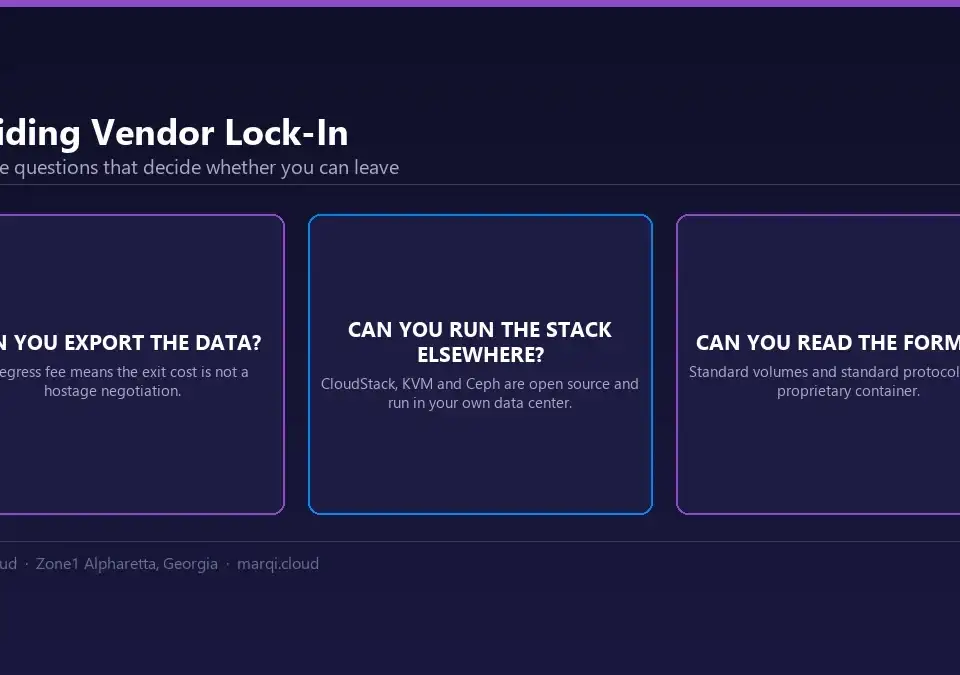
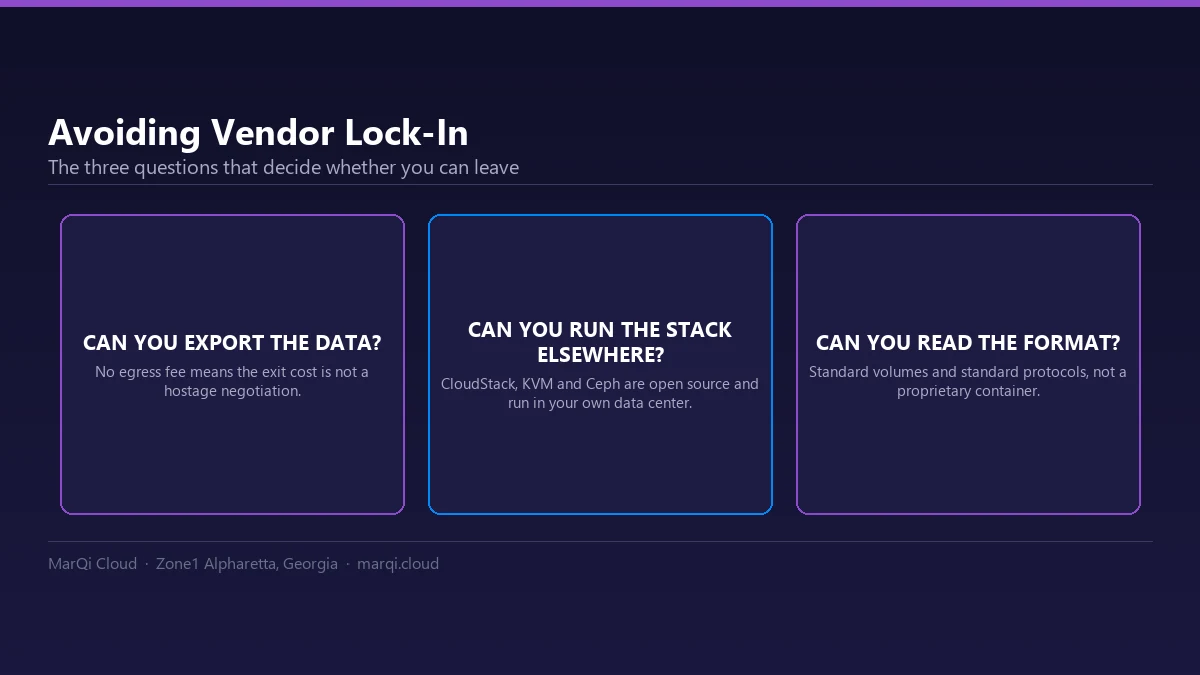
With open source cloud, organizations have the freedom to customize their cloud environments to suit their specific needs. This flexibility enables businesses to scale their infrastructure seamlessly, ensuring that they can adapt to changing demands without being locked into a single vendor’s ecosystem.
3. Enhanced Security
Open source cloud solutions provide greater transparency, allowing organizations to audit the software and identify potential vulnerabilities. This level of scrutiny is often absent in proprietary solutions, where the source code is not accessible. MarQi Cloud prioritizes security, offering private and secure hosting environments that protect sensitive data.
4. Community Support
The open source community is a valuable resource for organizations adopting open source cloud technologies. With a vast network of developers and users, organizations can benefit from shared knowledge, best practices, and rapid troubleshooting assistance. This collaborative spirit is integral to the success of open source initiatives.
The Future of Open Source Cloud According to MarQi Cloud’s CEO
The CEO of MarQi Cloud has a forward-thinking vision for the future of open source cloud technology. Here are some key insights from their perspective:
1. Emphasis on Interoperability
As organizations increasingly adopt multi-cloud and hybrid cloud strategies, interoperability will be crucial. Open source cloud solutions inherently support interoperability, enabling businesses to integrate various platforms and services seamlessly. MarQi Cloud’s infrastructure is designed to support hybrid cloud deployment models, ensuring that organizations can leverage the best of both worlds.
2. Focus on Automation and AI
The future of cloud computing will be heavily influenced by automation and artificial intelligence. Open source technologies are paving the way for smarter cloud solutions that can automatically scale resources, optimize performance, and enhance security. MarQi Cloud is committed to integrating AI-driven solutions into its infrastructure to provide clients with performance-driven infrastructure design.
3. Increased Demand for Compliance and Governance
As data privacy regulations become more stringent, organizations will need to prioritize compliance and governance in their cloud strategies. Open source cloud solutions allow for greater control over data and compliance measures. MarQi Cloud’s US-based infrastructure and support ensure that businesses can meet regulatory requirements effectively.
4. Growing Adoption in Enterprises
While open source cloud has traditionally been associated with startups and tech-savvy organizations, there is a growing trend of large enterprises adopting open source solutions. The CEO of MarQi Cloud believes that this trend will continue as enterprises recognize the benefits of flexibility, cost savings, and community support.
MarQi Cloud’s Commitment to Open Source
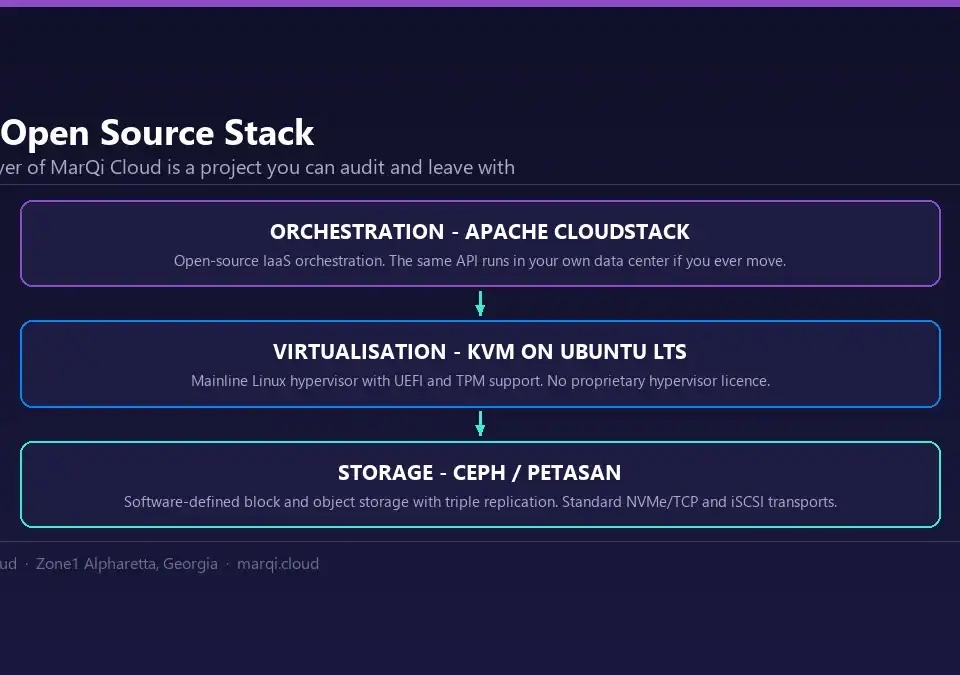
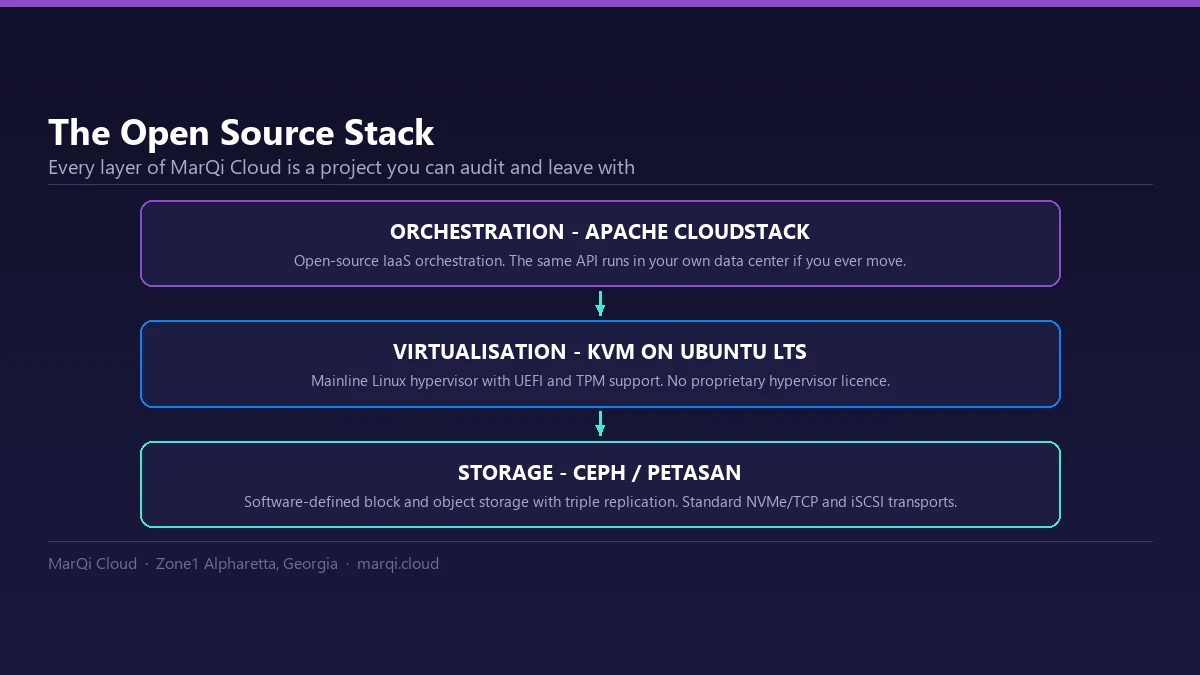
At MarQi Cloud, the commitment to open source cloud technology is evident in the company’s offerings. By providing enterprise-grade cloud infrastructure that leverages open source technologies, MarQi Cloud ensures that organizations can take advantage of the benefits of open source while enjoying the reliability and support of a dedicated provider.
Enterprise-Grade Infrastructure
MarQi Cloud offers a robust and scalable infrastructure that meets the demands of enterprises. Organizations can easily scale compute and storage resources as needed, ensuring that they remain agile in a competitive landscape.
Hybrid Cloud Deployment Models
The flexibility of hybrid cloud deployment models allows businesses to combine on-premises resources with cloud solutions. This approach enhances business continuity and disaster recovery capabilities, ensuring that organizations are prepared for any eventuality.
Performance-Driven Design
MarQi Cloud’s infrastructure is designed with performance in mind. By utilizing open source technologies, MarQi Cloud can optimize resource allocation and enhance overall performance, providing clients with a seamless cloud experience.
Conclusion
The vision of MarQi Cloud’s CEO underscores the transformative potential of open source cloud technology. As businesses seek greater flexibility, cost-effectiveness, and security, open source solutions are poised to become the future of cloud computing. With MarQi Cloud’s commitment to providing enterprise-grade infrastructure and support, organizations can confidently adopt open source cloud technologies and position themselves for success in the digital landscape.
FAQs
1. What is open source cloud technology?
Open source cloud technology refers to cloud computing solutions built on open source software, allowing for greater transparency, flexibility, and community support.
2. How does open source cloud differ from proprietary cloud solutions?
Open source cloud solutions are typically more cost-effective and customizable compared to proprietary solutions, which often come with licensing fees and restrictions.
3. What are the security benefits of using open source cloud?
Open source cloud solutions provide greater transparency, allowing organizations to audit the software for vulnerabilities and enhance security measures.
4. How can MarQi Cloud help with hybrid cloud deployment?
MarQi Cloud offers hybrid cloud deployment models that combine on-premises resources with cloud solutions, enhancing scalability and business continuity.
5. What role does community support play in open source cloud?
The open source community provides valuable resources, shared knowledge, and collaborative problem-solving, which can enhance the success of open source initiatives.
6. Is open source cloud suitable for large enterprises?
Yes, many large enterprises are recognizing the benefits of open source cloud solutions for their flexibility, cost savings, and better control over their IT infrastructure.
7. How does MarQi Cloud support compliance with data privacy regulations?
MarQi Cloud’s US-based infrastructure and support allow businesses to meet regulatory requirements effectively while maintaining control over their data.
8. What future trends should we expect in open source cloud technology?
Expect trends such as increased interoperability, automation, AI integration, and greater emphasis on compliance and governance in open source cloud technology.