Why MarQi Cloud’s Network Fabric Beats Traditional CDN Setups for Speed
April 19, 2026
How to Run PostgreSQL at Scale on MarQi Cloud Without Query Latency Issues
April 20, 2026
The MarQi Cloud Glossary: Every Term You Need to Know Before Buying Cloud
As businesses increasingly turn to cloud computing solutions, understanding the terminology associated with this technology becomes essential. Whether you are a seasoned IT professional or a business owner looking to leverage cloud services, the right knowledge can help you make informed decisions. In this comprehensive glossary, we will explore key terms and concepts related to cloud computing that you need to know before purchasing cloud services from MarQi Cloud.
1. Cloud Computing
Cloud computing refers to the delivery of computing services over the internet. This includes storage, processing power, and applications, allowing users to access and manage resources remotely. With cloud computing, businesses can reduce hardware costs, scale operations, and improve efficiency.
2. Infrastructure as a Service (IaaS)
IaaS is a cloud computing model that provides virtualized computing resources over the internet. Companies like MarQi Cloud offer IaaS, allowing businesses to rent servers, storage, and networking capabilities, rather than investing in physical hardware.
Benefits of IaaS
- Cost-effective: Pay only for what you use.
- Scalable: Easily adjust resources based on demand.
- Flexible: Choose the operating system and applications you need.
3. Platform as a Service (PaaS)
PaaS delivers a platform allowing customers to develop, run, and manage applications without the complexity of building and maintaining the infrastructure typically associated with developing and launching apps.
Advantages of PaaS
- Faster development: Streamline the app development process.
- Collaboration: Teams can work together seamlessly.
- Integrated development tools: Access to various tools and services.
4. Software as a Service (SaaS)
SaaS is a software distribution model in which applications are hosted by a service provider and made available to customers over the internet. Examples include Google Workspace and Microsoft 365.
Key Features of SaaS
- No installation required: Access applications via a web browser.
- Automatic updates: Providers handle maintenance and updates.
- Subscription-based: Pay for the software on a monthly or annual basis.
5. Hybrid Cloud
A hybrid cloud is a computing environment that combines public cloud and private cloud services. This model allows businesses to manage workloads across both environments, providing flexibility and optimization of resources.
Benefits of Hybrid Cloud
- Enhanced security: Keep sensitive data on a private cloud while leveraging public cloud resources.
- Cost-effectiveness: Optimize resource utilization for various workloads.
6. Private Cloud
A private cloud is a cloud computing environment dedicated to a single organization. It offers enhanced security and control over data, making it ideal for businesses with strict compliance requirements.
Features of Private Cloud
- Customizable: Tailor the infrastructure to meet specific needs.
- Increased security: Data is housed within a secure environment.
7. Public Cloud
A public cloud is a cloud computing environment where services are delivered over the public internet and shared among multiple organizations. Providers like MarQi Cloud offer scalable resources accessible to anyone.
Advantages of Public Cloud
- Cost-effective: Low upfront costs and pay-per-use pricing.
- Scalability: Easily scale up or down based on demand.
8. Cloud Storage
Cloud storage refers to the practice of storing data on remote servers accessed via the internet. This allows users to store and manage large amounts of data without the need for physical storage devices.
Benefits of Cloud Storage
- Accessibility: Access data from anywhere with an internet connection.
- Backup and recovery: Simplifies data backup and disaster recovery.
9. Virtualization
Virtualization is the technology that allows you to create a virtual version of physical resources, such as servers, storage devices, and networks. This is a key component of cloud computing, enabling efficient resource management.
Types of Virtualization
- Server virtualization: Divides a physical server into multiple virtual servers.
- Storage virtualization: Combines multiple storage devices into a single virtual storage pool.
10. Multi-Cloud
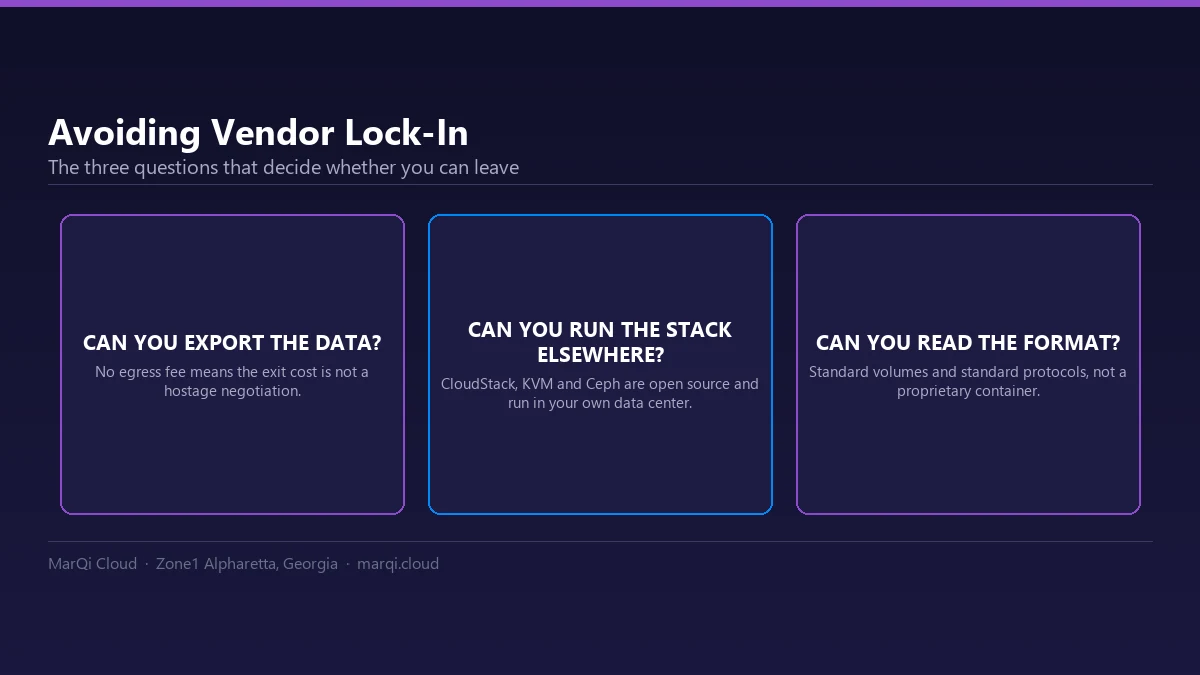
Multi-cloud refers to the use of services from multiple cloud providers. This approach allows businesses to avoid vendor lock-in, enhance redundancy, and optimize performance.
Advantages of Multi-Cloud
- Flexibility: Choose the best services from various providers.
- Resilience: Reduced risk of service outages.
11. Cloud Security
Cloud security encompasses the policies, technologies, and controls put in place to protect data, applications, and infrastructure within the cloud. Security is a critical consideration when selecting a cloud service provider.
Key Aspects of Cloud Security
- Data encryption: Protect sensitive data in transit and at rest.
- Access controls: Ensure only authorized users can access resources.
12. Disaster Recovery
Disaster recovery refers to the strategies and processes in place to recover data and IT infrastructure in the event of a disaster. This is a crucial component of business continuity planning.
Disaster Recovery Strategies
- Backup solutions: Regularly back up data to prevent loss.
- Failover systems: Automatically switch to a secondary system in case of failure.
13. Service Level Agreement (SLA)
An SLA is a formal agreement between a service provider and a customer that outlines the expected level of service, including uptime guarantees, support response times, and penalties for failing to meet those standards.
Importance of SLAs
- Clarifies expectations: Both parties understand service commitments.
- Provides accountability: Establishes repercussions for non-compliance.
14. Scalability
Scalability refers to the ability of a cloud service to grow and adapt to changing demands. This can involve increasing storage capacity, processing power, or other resources as needed.
Types of Scalability
- Vertical scalability: Adding resources to a single node (server).
- Horizontal scalability: Adding more nodes to distribute the load.
15. Cost Management
Cost management in cloud computing involves monitoring and controlling spending on cloud services. Understanding pricing models and resource usage is vital for optimizing costs.
Strategies for Cost Management
- Usage monitoring: Track resource consumption to identify waste.
- Budgeting: Set budgets for different departments or projects.
FAQ Section
1. What is cloud computing?
Cloud computing is the delivery of computing services over the internet, allowing users to access and manage resources remotely.
2. What are the different types of cloud models?
The main types of cloud models include public cloud, private cloud, hybrid cloud, and multi-cloud.
3. What is the difference between IaaS, PaaS, and SaaS?
IaaS provides virtualized computing resources, PaaS offers a platform for application development, and SaaS delivers software applications over the internet.
4. What is cloud security?
Cloud security encompasses the policies and technologies used to protect data and infrastructure in the cloud.
5. How does disaster recovery work in the cloud?
Disaster recovery in the cloud involves strategies to recover data and infrastructure in the event of a disaster, including backup solutions and failover systems.
6. What is an SLA?
A Service Level Agreement (SLA) outlines the expected level of service between a provider and a customer.
7. How can I manage costs in cloud computing?
Cost management can be achieved through usage monitoring, budgeting, and understanding pricing models.
8. What is scalability in cloud services?
Scalability refers to the ability of cloud services to grow and adapt to changing demands by increasing resources as needed.
Understanding these terms will empower you to make informed decisions as you consider cloud solutions for your business. With MarQi Cloud’s enterprise-grade infrastructure and flexible pricing models, you can find the right cloud solution tailored to your needs. Contact us today at +1 770-369-9321 to learn more about our offerings and how we can support your cloud journey.