How MarQi Cloud Is Expanding Its Global Zone Footprint in 2026 and 2027
May 5, 2026
How MarQi Cloud Plans to Bring Dedicated GPU Access to Emerging Markets
May 6, 2026
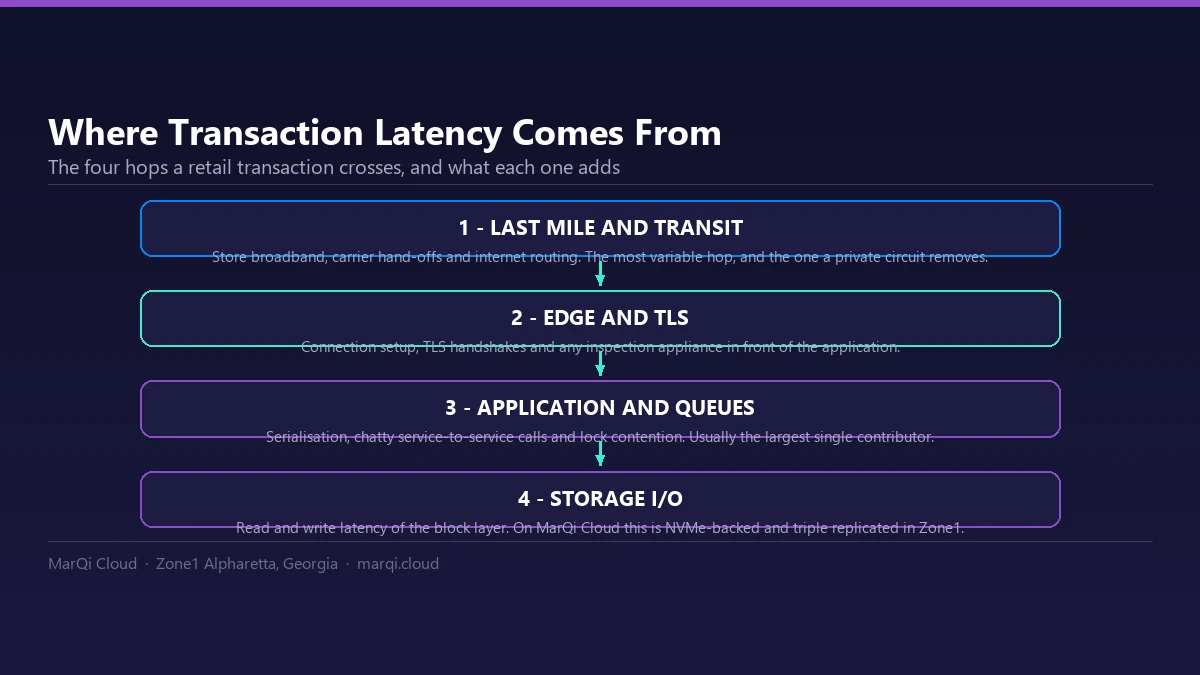
What a MarQi Cloud European Zone Would Mean for Low-Latency Hosting in the EU
In the rapidly evolving digital landscape, low-latency hosting solutions have become a pivotal factor for businesses operating in Europe. As companies continue to demand faster, more secure, and reliable hosting services, the introduction of a MarQi Cloud European Zone could significantly enhance the hosting capabilities across the European Union. In this article, we will delve into the implications of establishing a MarQi Cloud European Zone, exploring its benefits, technical aspects, and the overall impact on businesses seeking low-latency solutions.
Understanding Low-Latency Hosting
Low-latency hosting refers to the ability of a hosting service to deliver data with minimal delay. This is crucial for applications that require real-time data processing, such as online gaming, financial trading platforms, and video conferencing tools. The speed at which data is transmitted can significantly influence user experience and operational efficiency.
Why Latency Matters
Latency is the time it takes for data to travel from one point to another. It is measured in milliseconds (ms), and even minor delays can impact applications that rely on instantaneous responses. For instance, in online gaming, a latency of over 100 ms can lead to lag, making the game less enjoyable. In financial services, every millisecond counts when executing trades, as delays can result in significant financial losses.
The Case for a MarQi Cloud European Zone
MarQi Cloud, known for its enterprise-grade cloud infrastructure and scalable resources, is poised to make a significant impact by establishing a European Zone. This move would not only enhance low-latency hosting but also align with the growing demand for data sovereignty and privacy compliance in the EU.
1. Proximity to Users
One of the most significant benefits of a European Zone is reduced physical distance between the data center and users. By establishing data centers closer to the end-users in Europe, MarQi Cloud can ensure that data transmission occurs within the region, thereby minimizing latency.
2. Compliance with EU Regulations
Data protection regulations, such as the General Data Protection Regulation (GDPR), impose strict guidelines on how data is stored and processed. By having a dedicated European Zone, MarQi Cloud can ensure compliance with these regulations, building trust with businesses that prioritize data privacy and security.
3. Enhanced Performance
With localized data centers, businesses can expect enhanced performance for their applications. Faster access to data can lead to improved loading times, better user experiences, and ultimately, higher customer satisfaction.
4. Business Continuity and Disaster Recovery
Establishing a MarQi Cloud European Zone would also bolster business continuity and disaster recovery solutions. A geographically diverse cloud infrastructure can provide redundancy and backup resources, ensuring that businesses remain operational even in the face of unforeseen disruptions.
Technical Considerations for Low-Latency Hosting
To achieve low-latency hosting, several technical considerations must be addressed as part of the MarQi Cloud European Zone’s infrastructure.
1. Network Optimization
Optimizing the network for speed and reliability is essential. This includes choosing the right routing protocols, minimizing hops between data sources, and employing advanced networking technologies like Content Delivery Networks (CDNs).
2. Edge Computing
Integrating edge computing into the European Zone can further reduce latency by processing data closer to the end-user. This decentralized approach allows for real-time data processing and reduces the load on central servers.
3. Load Balancing
Implementing efficient load balancing techniques ensures that user requests are distributed evenly across multiple servers. This not only improves response times but also enhances reliability and uptime.
4. High-Performance Storage Solutions
Utilizing high-performance storage solutions, such as SSDs and NVMe, can significantly reduce data retrieval times. Fast access to data is crucial for applications that require immediate response capabilities.
Conclusion: The Future of Low-Latency Hosting in the EU
The establishment of a MarQi Cloud European Zone could transform the landscape of low-latency hosting in the EU. By prioritizing proximity to users, compliance with regulations, and leveraging cutting-edge technology, MarQi Cloud can offer businesses the robust infrastructure they need to thrive in a competitive digital world. As demand for low-latency solutions continues to grow, the potential benefits of a European Zone cannot be overstated.
Frequently Asked Questions (FAQ)
1. What is low-latency hosting?
Low-latency hosting refers to hosting services that provide minimal delay in data transmission, crucial for applications requiring real-time processing.
2. How does latency affect user experience?
Higher latency can lead to delays in application response times, negatively impacting user experience in services like online gaming and financial trading.
3. Why is a European Zone important for MarQi Cloud?
A European Zone would enhance low-latency hosting, ensure compliance with EU regulations, and improve overall performance for businesses in the region.
4. What are the benefits of having data centers closer to users?
Closer data centers reduce latency, leading to faster data access, improved loading times, and better user experiences.
5. How does MarQi Cloud ensure compliance with GDPR?
By establishing a European Zone, MarQi Cloud can manage data within the EU, ensuring compliance with GDPR regulations on data storage and processing.
6. What role does edge computing play in low-latency hosting?
Edge computing processes data closer to the end-user, reducing latency and enabling real-time data processing.
7. How can businesses benefit from MarQi Cloud’s disaster recovery solutions?
MarQi Cloud’s infrastructure provides redundancy and backup resources, ensuring business continuity even during disruptions.
8. What technologies can help achieve low-latency hosting?
Network optimization, edge computing, load balancing, and high-performance storage solutions are key technologies for achieving low-latency hosting.