Integrating Disaster Recovery Planning with Business Continuity Programs
July 23, 2026
The Complete Guide to Disaster Recovery SLA Definitions and Vendor Accountability
July 23, 2026
Why Regular DR Drills with Realistic Failure Scenarios Build Organizational Resilience
In today’s fast-paced digital landscape, enterprises face a multitude of threats that can disrupt operations, compromise data integrity, and impact customer trust. As organizations increasingly rely on cloud infrastructure for their critical operations, the importance of having a robust disaster recovery (DR) plan cannot be overstated. Regular disaster recovery drills, particularly those incorporating realistic failure scenarios, play a pivotal role in enhancing organizational resilience. This article delves into the significance of conducting regular DR drills and how they can fortify your business against unforeseen disruptions.
What is disaster recovery?
Disaster recovery (DR) refers to the strategies and processes that organizations implement to protect and restore IT infrastructure and operations following a disruptive event. These events can range from natural disasters like floods and earthquakes to cyberattacks and hardware failures. According to the U.S. Department of Homeland Security, approximately 40% of businesses do not reopen after a disaster, highlighting the need for effective disaster recovery strategies.
The Importance of Regular DR Drills
Regular DR drills are essential for several reasons:
- Validation of DR Plans: Conducting drills allows organizations to test their DR plans in real-time, ensuring that all components function as intended.
- Identification of Weaknesses: Drills help identify gaps or weaknesses in the DR strategy that may not be apparent on paper.
- Employee Training: Regular practice ensures that employees are familiar with their roles during a disaster, reducing confusion and improving response times.
- Compliance Requirements: Many industries have compliance standards that require regular testing of disaster recovery plans.
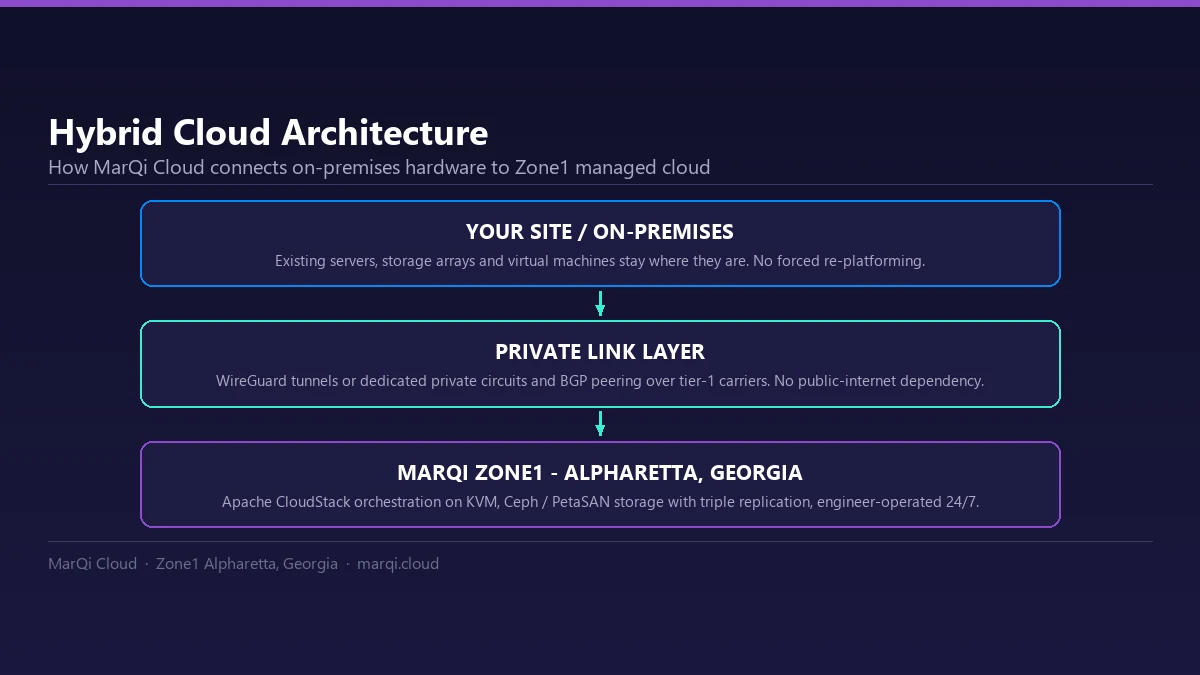
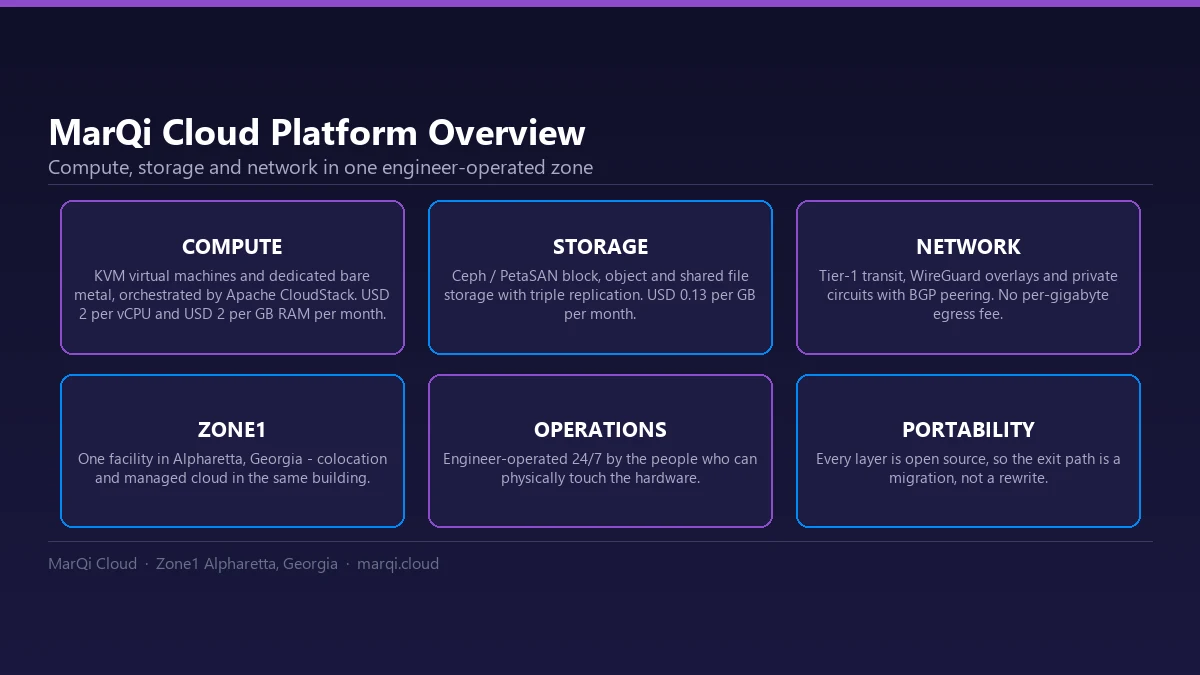
For organizations leveraging hybrid cloud solutions like MarQi Cloud, these drills can also validate the integration of various systems and ensure seamless operations across different environments.
Realistic Failure Scenarios: What Are They?
Realistic failure scenarios simulate actual disasters that could impact your organization, providing a more accurate representation of how your DR plan will perform in a crisis. Examples include:
- Cybersecurity Breaches: Simulating a ransomware attack can help teams understand the response needed to contain and mitigate damage.
- Data Center Outages: Testing the failover to backup systems during a data center outage ensures that critical applications remain operational.
- Natural Disasters: Exercises that simulate floods, fires, or earthquakes help prepare teams for physical disruptions.
By incorporating realistic failure scenarios into DR drills, organizations can better prepare for the complexities of real-life disasters.
How DR Drills Enhance Organizational Resilience
Organizational resilience refers to an organization’s ability to adapt to and recover from disruptive events. Regular DR drills contribute to resilience in several ways:
1. Improved Response Times
Through practice, teams become adept at executing their roles during a disaster, leading to faster recovery times. According to a study by IBM, companies with tested DR plans can reduce downtime by up to 75%.
2. Enhanced Communication
Drills foster better communication among team members and departments, ensuring that everyone understands their responsibilities during a crisis. Clear communication channels are crucial for effective response and recovery.
3. Increased Confidence
Regular drills instill confidence in employees regarding their ability to handle emergencies. This confidence can translate into better decision-making during real-life scenarios.
4. Continuous Improvement
Each drill provides opportunities for feedback and improvement. Organizations can refine their DR plans based on lessons learned during exercises, leading to a more robust strategy over time.
Best Practices for Conducting Effective DR Drills
To maximize the effectiveness of DR drills, consider the following best practices:
- Define Clear Objectives: Establish specific goals for each drill, such as testing recovery time objectives (RTO) or recovery point objectives (RPO).
- Involve All Stakeholders: Ensure participation from all relevant departments, including IT, operations, and communications.
- Document Everything: Keep detailed records of the drill, including timelines, decisions made, and outcomes.
- Conduct Post-Drill Reviews: Gather feedback from participants to identify areas for improvement and adjust the DR plan accordingly.
Case Studies: Success Stories of Resilient Organizations
Examining real-world examples can provide valuable insights into the effectiveness of regular DR drills:
Case Study 1: Healthcare Provider
A healthcare provider faced a ransomware attack that encrypted critical patient data. Due to regular DR drills, the IT team swiftly executed their incident response plan, restoring data from backups within hours. Their preparedness minimized downtime and ensured patient care continued seamlessly.
Case Study 2: E-Commerce Company
An e-commerce company experienced a data center outage during peak shopping season. Thanks to their comprehensive DR plan and realistic failure scenario drills, they successfully redirected traffic to a backup site, maintaining customer access and sales without interruption.
Conclusion
In conclusion, regular disaster recovery drills that incorporate realistic failure scenarios are essential for building organizational resilience. By validating DR plans, improving response times, and fostering a culture of preparedness, organizations can significantly enhance their ability to withstand and recover from disruptive events. As a trusted partner for enterprise cloud solutions, MarQi Cloud offers the infrastructure and expertise necessary to support your disaster recovery strategies. For more information on how we can assist your organization, visit our solutions page or contact us directly.
FAQs
What is a disaster recovery drill?
A disaster recovery drill is a simulated exercise designed to test an organization’s disaster recovery plan and ensure that all team members understand their roles during a disaster.
How often should organizations conduct DR drills?
Organizations should conduct DR drills at least twice a year, or more frequently if significant changes occur in their IT environment.
What are realistic failure scenarios?
Realistic failure scenarios are simulated disasters that mimic actual events that could disrupt business operations, such as cyberattacks or natural disasters.
Why are DR drills important for compliance?
Many industries have regulatory requirements that mandate regular testing of disaster recovery plans to ensure compliance and protect sensitive data.
How can DR drills improve communication within teams?
Regular drills foster better communication by clarifying roles and responsibilities, ensuring that everyone knows how to respond during a crisis.
What is RTO and RPO?
RTO (Recovery Time Objective) is the maximum acceptable downtime, while RPO (Recovery Point Objective) is the maximum acceptable data loss measured in time.
Can small businesses benefit from DR drills?
Yes, small businesses can significantly benefit from DR drills by improving their preparedness and resilience against potential disruptions.
What role does technology play in DR drills?
Technology plays a crucial role in DR drills by providing the tools needed for simulation, automation, and recovery processes.