How Open Source Cloud Monitoring Tools Provide Enterprise-Grade Observability
August 3, 2026
The Complete Guide to Open Source Cloud Security Tools and Practices
August 3, 2026
Why the Total Cost of Open Source Cloud Is Lower Than Proprietary Alternatives
In today’s rapidly evolving digital landscape, organizations are increasingly scrutinizing their cloud infrastructure choices. One crucial consideration is the total cost of ownership (TCO) associated with cloud solutions. Many enterprises are discovering that the total cost of open source cloud solutions is significantly lower than proprietary alternatives over time. This article will explore the reasons behind this trend, providing a comprehensive analysis supported by data, expert insights, and real-world examples.
Understanding Cloud Costs
When evaluating cloud solutions, organizations typically consider both direct and indirect costs. Direct costs include subscription fees, licensing, and support, while indirect costs encompass operational expenses, maintenance, and the potential for vendor lock-in. For many businesses, a thorough understanding of these costs is essential to making an informed decision.
Direct Costs: Licensing and Subscription Fees
Proprietary cloud solutions often come with hefty licensing fees. For example, companies like Microsoft Azure and Amazon Web Services (AWS) charge based on usage and services rendered. While these platforms offer robust features and support, the costs can accumulate quickly, especially for enterprises with fluctuating workloads.
Indirect Costs: Vendor Lock-In and Operational Expenses
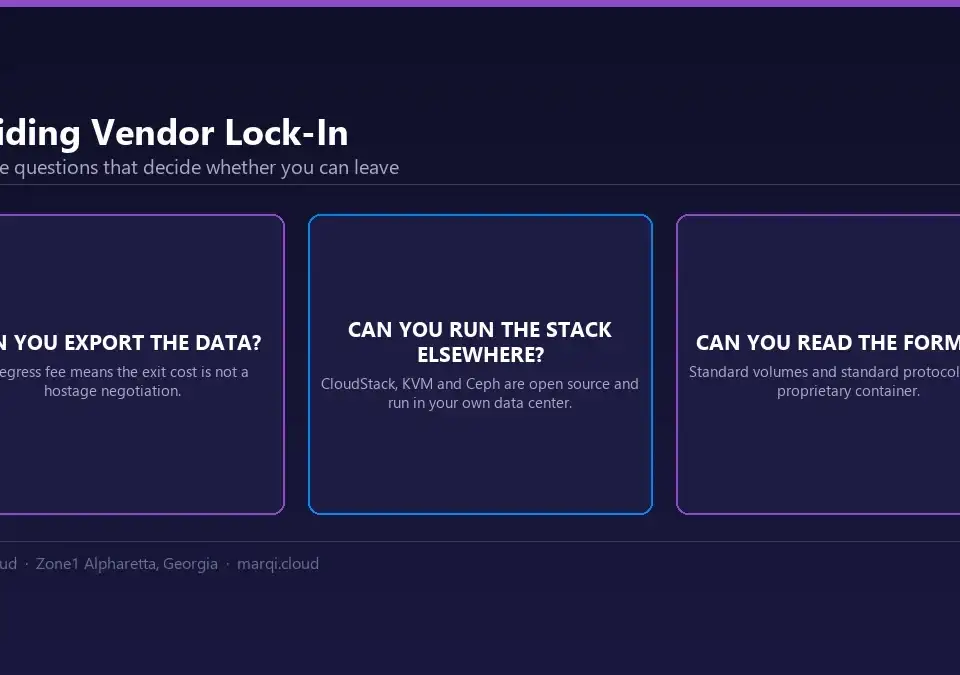
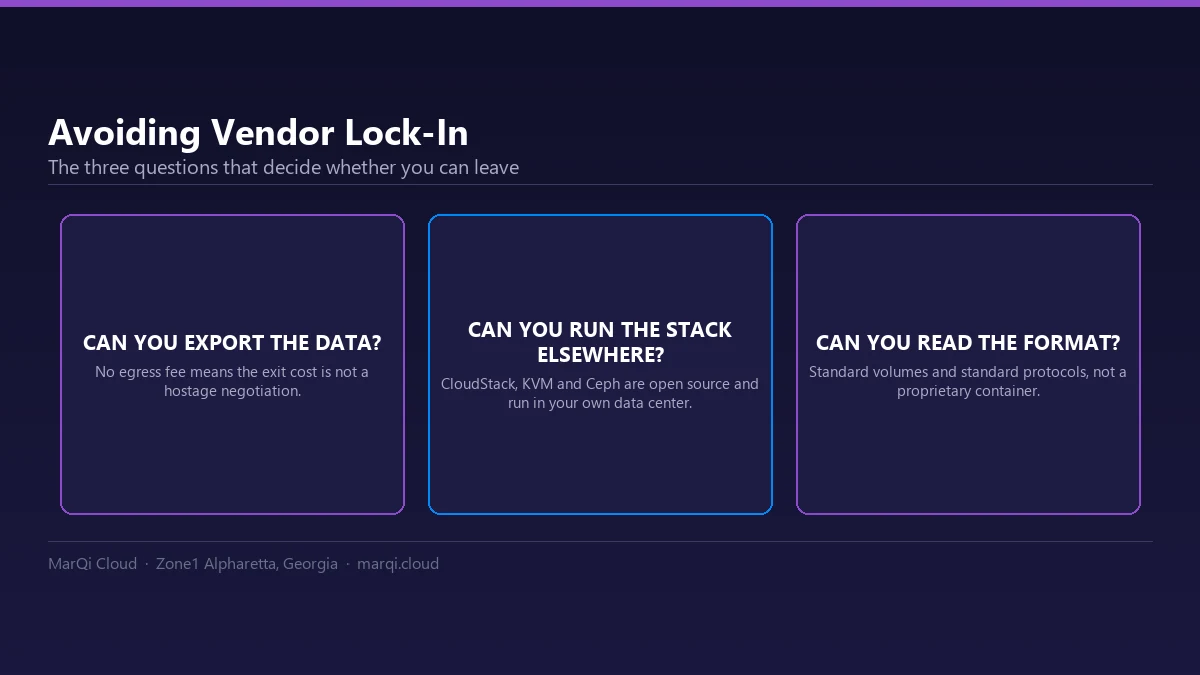
Vendor lock-in is a significant concern with proprietary solutions. Once a company commits to a specific vendor’s ecosystem, migrating to another provider can result in substantial costs and operational disruptions. Open source cloud solutions, on the other hand, offer greater flexibility, allowing organizations to switch providers or even host services on their infrastructure without incurring penalties.
Open Source vs. Proprietary Cloud Solutions
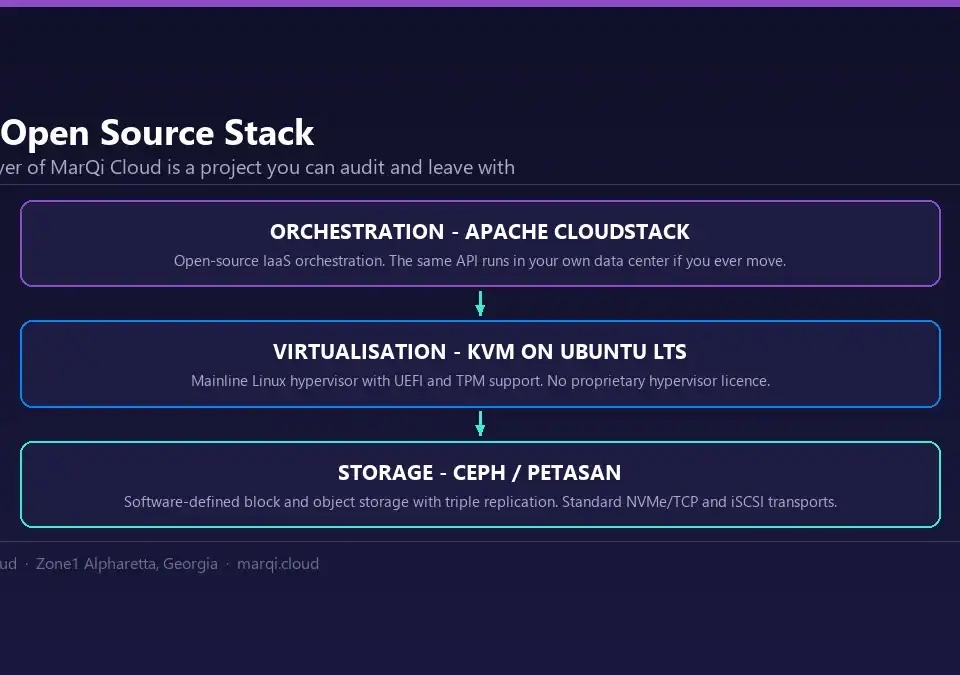
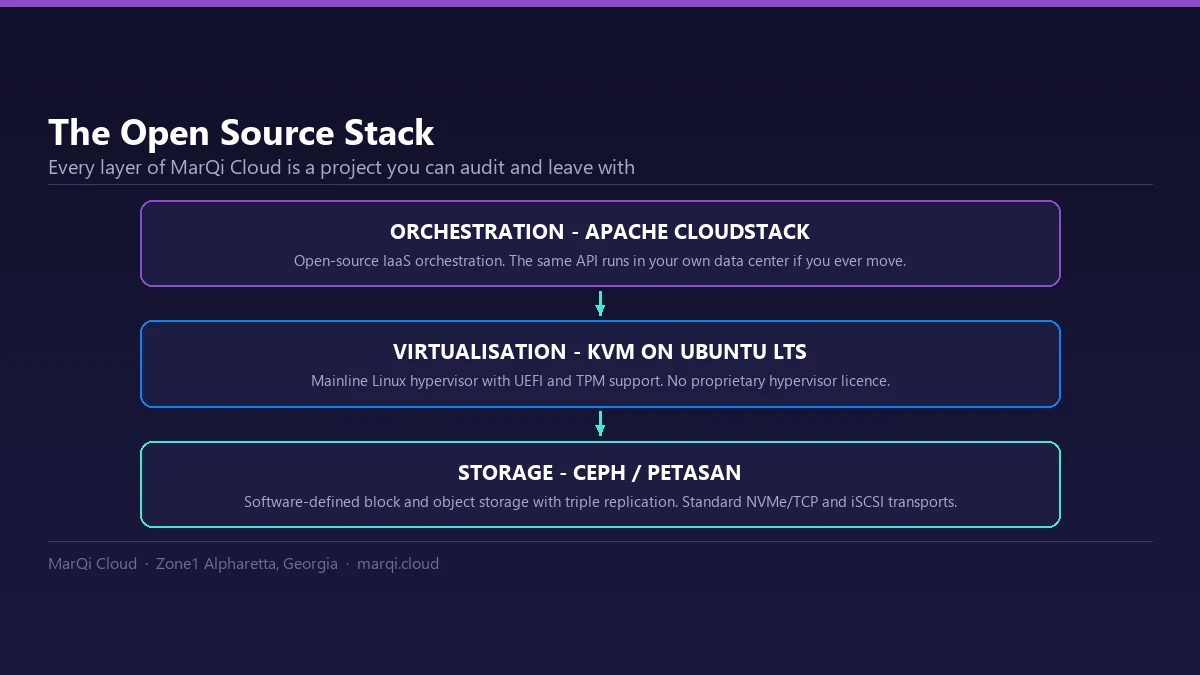
Open source cloud solutions, such as OpenStack, Kubernetes, and Cloud Foundry, provide an alternative to proprietary offerings. These platforms are built on community-driven development, allowing users to modify and customize their environments to suit specific needs.
Flexibility and Customization
One of the primary advantages of open source cloud solutions is their flexibility. Organizations can tailor their infrastructure to meet unique requirements without being constrained by proprietary limitations. This adaptability can lead to significant cost savings, as businesses can optimize their resources efficiently.
Community Support and Collaboration
Open source projects benefit from a vast community of developers and users who contribute to ongoing improvements and support. This collaborative environment often results in faster issue resolution and feature enhancements. Proprietary vendors may provide customer support, but the response time and quality can vary significantly.
Long-Term Cost Analysis
To understand the total cost of ownership, it is essential to analyze both short-term and long-term expenses associated with open source and proprietary cloud solutions.
Initial Investment vs. Long-Term Savings
While the initial investment for proprietary solutions may appear lower due to promotional pricing or discounts, the long-term savings associated with open source solutions can be substantial. For instance, a report by the IBM Cloud indicates that organizations using open source technologies can reduce their TCO compared with proprietary offerings.
Cost Comparison Table
| Cost Factor | Open Source Cloud | Proprietary Cloud |
|---|---|---|
| Initial Setup Costs | Lower | Higher |
| Licensing Fees | None | High |
| Support Costs | Variable (Community-based) | Fixed |
| Vendor Lock-In | Minimal | High |
| Customization Costs | Lower | Higher |
Benefits of Open Source Cloud
Beyond cost savings, open source cloud solutions offer several advantages that can enhance an organization’s overall infrastructure strategy.
Enhanced Security and Compliance
Open source solutions often provide greater transparency, allowing organizations to audit their code and ensure compliance with industry regulations. This is particularly relevant for sectors such as healthcare and finance, where regulatory compliance is paramount. The National Institute of Standards and Technology (NIST) emphasizes the importance of transparency in software security.
Scalability and Performance
As organizations grow, their cloud infrastructure must scale accordingly. Open source solutions are designed to be modular and can easily accommodate increased workloads without the need for significant reconfiguration or additional costs. This scalability contributes to lower long-term costs, as businesses only pay for what they need.
Innovation and Agility
The open source community is known for its rapid innovation cycles. New features and improvements are continuously being developed, allowing organizations to stay ahead of technological advancements without incurring additional costs associated with proprietary updates.
Case Studies: Success with Open Source
Several organizations have successfully transitioned to open source cloud solutions, realizing significant cost savings and operational efficiencies.
Case Study 1: A Healthcare Provider
A healthcare provider migrated from a proprietary cloud solution to OpenStack, achieving a 40% reduction in TCO over three years. The flexibility of OpenStack allowed the provider to customize their infrastructure to meet specific regulatory requirements while ensuring compliance with healthcare standards.
Case Study 2: An E-Commerce Company
An e-commerce company implemented Kubernetes for its application deployment, resulting in improved scalability and reduced operational costs. The company reported a 50% decrease in infrastructure costs within the first year of adoption.
Choosing the Right Cloud Solution
When evaluating cloud solutions, businesses should consider several factors beyond just cost.
Assessing Business Needs
Organizations should conduct a thorough assessment of their specific needs, including compliance requirements, scalability, and performance expectations. This analysis will inform the decision-making process and help identify the most suitable cloud solution.
Engaging with Experts
Partnering with a knowledgeable cloud provider, such as MarQi Cloud, can further enhance the decision-making process. Our team of experts specializes in hybrid cloud solutions and can guide organizations through the complexities of cloud migration and deployment.
Frequently Asked Questions
1. What is open source cloud computing?
Open source cloud computing refers to cloud solutions built on open source software, allowing users to modify and customize their infrastructure without licensing fees.
2. How does open source cloud compare to proprietary cloud solutions?
Open source cloud solutions typically offer lower total costs, greater flexibility, and stronger community support compared to proprietary solutions.
3. What are the main benefits of using open source cloud?
Key benefits include cost savings, enhanced security, scalability, and continuous innovation.
4. Is open source cloud secure?
Yes, open source cloud solutions can be secure, as they allow organizations to audit their code and ensure compliance with regulations.
5. How can I transition to an open source cloud solution?
Transitioning involves assessing your current infrastructure, selecting the right open source platform, and planning for migration. Engaging with cloud experts can facilitate this process.
6. What are the long-term savings associated with open source cloud?
Long-term savings can include reduced licensing fees, lower operational costs, and minimized vendor lock-in.
7. Can open source cloud solutions scale with my business?
Yes, open source solutions are designed to be scalable, allowing organizations to adapt to changing workloads without incurring excessive costs.
8. Where can I find more information about open source cloud solutions?
For more information, explore resources from reputable organizations, such as the OpenStack Foundation, or consult cloud experts at MarQi Cloud.
Conclusion
In conclusion, the total cost of open source cloud solutions is demonstrably lower than that of proprietary alternatives over time. By leveraging the flexibility, community support, and innovative capabilities of open source technologies, organizations can not only reduce costs but also enhance their operational efficiency. As cloud computing continues to evolve, embracing open source solutions may well be the most strategic choice for businesses seeking sustainable growth and adaptability.