Security Considerations in Hybrid Cloud App Development
January 22, 2026
Building Flexible Applications with Hybrid Cloud App Development
January 29, 2026

Use Cases Where Open Source Cloud Service Providers Excel
Introduction:
As businesses seek smarter and more efficient ways to manage their cloud systems, flexible and transparent solutions are becoming increasingly crucial. Companies are now exploring options that offer greater control, scalability, and security. In this article, we will examine how modern cloud approaches can enable businesses to work faster and smarter.
Open-source cloud service providers
Open-source cloud service providers deliver cloud platforms and tools built on openly available code, such as OpenStack and Kubernetes. These solutions give businesses more control, flexibility, and transparency than proprietary cloud services, making them suitable for private, public, or hybrid cloud environments.
- Transparency: Open-source cloud service providers allow full access to the source code, making it easier to review security, perform audits, and customize features as needed.
- Easy to adapt & switch: Open-source cloud service providers let you change or connect services easily.
- Cost-effective: Most core software is free, helping reduce infrastructure costs while still supporting enterprise-level cloud deployments.
- Developed globally & adaptable: Open-source cloud service providers are built by teams around the world and can be easily changed to fit your needs.
Why Businesses Are Turning to Open Source Cloud Service Providers?
Open source cloud service providers give businesses flexibility, transparency, and control. Using open source software, companies can customize their infrastructure, avoid vendor lock-in, and scale easily. These platforms are community-driven, cost-effective, and suitable for a wide range of business needs.
Main Advantages of Open Source Cloud Service providers:
- Open source software with publicly available code.
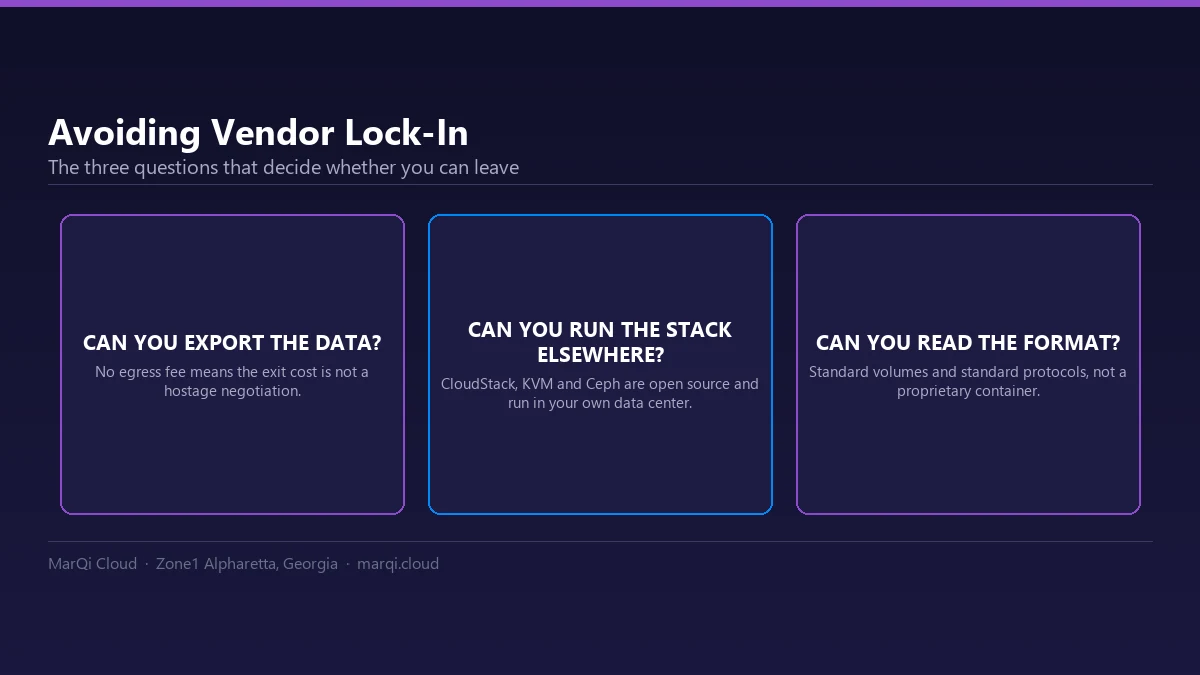
- No vendor lock-in in a fully customizable.
- Works with private, public, and hybrid clouds.
- Cost-effective and easy to maintain.
- Flexible and scalable for growth.
Leading Open Source Cloud Service providers:
- OpenStack: Manages large-scale cloud infrastructure.
- Kubernetes: Automates deployment and scaling of apps.
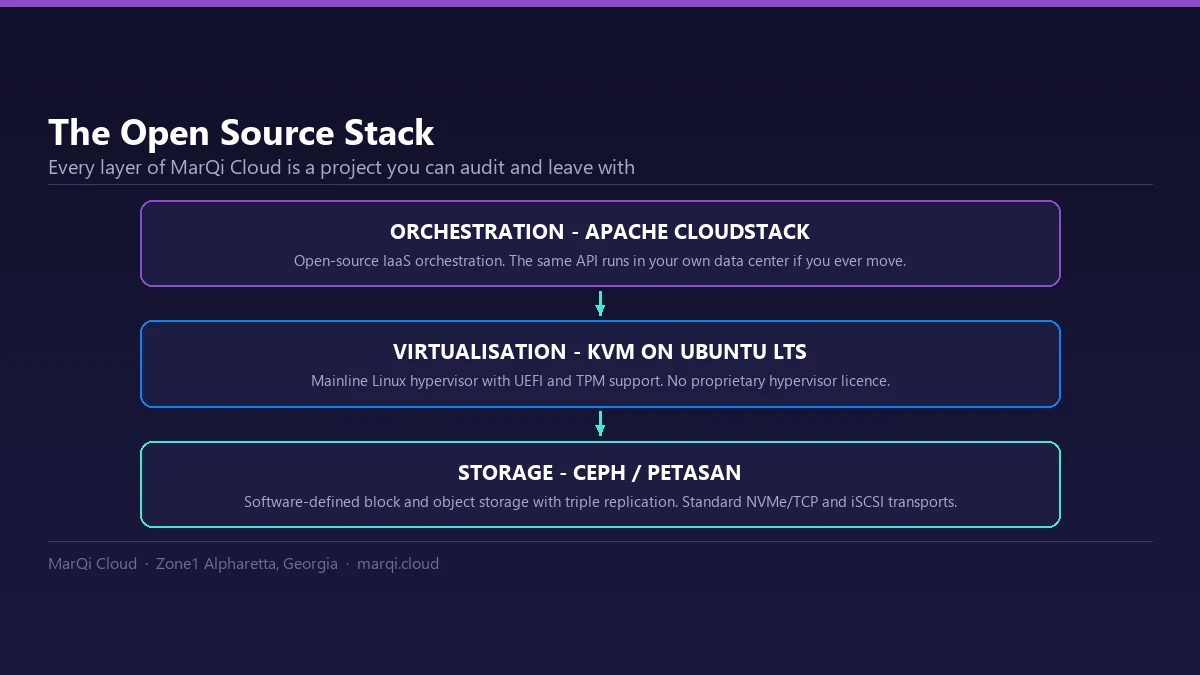
- Apache Cloud Stack: Full IaaS solution for virtual and bare metal servers.
Reasons Companies Prefer Open Source Cloud Providers:
- Affordable and flexible infrastructure.
- Full control over data and configurations.
- Supports DevOps and modern development practices.
- Encourages innovation through community improvements.
Main Features of Open Source Cloud Services:
- Access to Source Code: Anyone can view, edit, or improve the software.
- Collaboration: A global community tests, contributes, and enhances the platform for security and reliability.
- No Vendor Lock-in: Applications can be moved freely across multiple cloud providers, including hybrid and multi-cloud setups.
- Customization and Flexibility: Software can be adapted to meet specific business needs.
- Cost-Effective: Core software is free; only support or management may have costs.
- Interoperability: Works well with other open source tools and follows open standards.
Why Businesses Prefer Open Source Cloud Services:
- Faster updates and innovation.
- Greater operational flexibility.
- Scalable infrastructure for long-term growth.
- Strong security backed by community oversight.
Key Advantages:
- Customizable architecture for specific needs.
- Regular updates and improvements from the community.
- Easy integration with existing systems.
- Freedom from vendor restrictions.
What is a Multi Cloud Management Platform Open Source?
A Multi Cloud Management Platform Open Source is a free software solution that helps businesses manage multiple cloud providers, like AWS, Azure, and Google Cloud, from a single interface. Managing different cloud environments individually can be complex, time-consuming, and expensive. This platform simplifies cloud management by providing centralized control, cost tracking, and automated workflows. It also reduces vendor lock-in and improves operational efficiency through community-driven innovation and open source transparency.
Main Features of a Multi-Cloud Management Platform Open Source:
- Unified Dashboard: View all cloud resources, costs, and performance in one place.
- Centralized Governance: Enforce consistent security policies, access permissions, and compliance rules across all clouds.
- Automation: Automates provisioning, orchestration, and incident management using Infrastructure as Code.
- Cost Management: Monitor spending, analyse budgets, and receive actionable recommendations to optimize costs.
- Resource Optimization: Identify underused resources and reallocate workloads to improve performance and efficiency.
Why Businesses Choose a Multi-Cloud Management Platform Open Source?
Modern businesses often use multiple cloud platforms to meet different needs, but managing them separately can be challenging. With a Multi Cloud Management Platform, Open Source, organizations can.
- Monitor all clouds from one central interface.
- Automate repetitive tasks and reduce errors.
- Optimize costs and resource usage.
- Maintain security and compliance across all environments.
- Scale cloud infrastructure efficiently without additional overhead.
Key Advantages:
- No Vendor Lock-in: Frees businesses from dependency on a single cloud provider.
- Cost-Effective: Reduces licensing and maintenance costs, making cloud management affordable.
- Community Driven: Benefits from continuous updates, new features, and security improvements from a global open source community.
- Control and freedom: Let businesses manage their cloud setup and use hybrid or multiple clouds easily.
Unlocking the Power of Open Source Hybrid Cloud Providers for Modern Businesses:
A hybrid cloud combines private servers with public clouds like AWS, Azure, or Google Cloud, allowing businesses to move data and applications freely for better flexibility and control.
When powered by open source software, it becomes an open source hybrid cloud provider, using platforms like Linux and Kubernetes to ensure transparency, community collaboration, and freedom from vendor lock-in.
Key Features of an Open Source Hybrid Cloud Provider:
- Consistent Technology: Standardized OS and container tools across private and public clouds.
- Application Portability: Easily move apps between environments, build once, deploy anywhere.
- Cost Efficiency: Use open source software to reduce expenses while managing cloud costs.
- Centralized Management: Tools like Red Hat OpenShift, Google Anthos, and VMware allow a single interface to manage all workloads.
Popular Platforms and Tools:
- Platforms: Red Hat OpenShift, OpenStack.
- Tools: Linux, Kubernetes, VMware.
Benefits of Using an Open Source Hybrid Cloud Provider:
- Bridges on-premises systems with public cloud resources.
- Supports data governance and compliance needs.
- Ideal for regulated industries or businesses with sensitive data.
How MarQi Cloud Supports Open Source Cloud Service Providers at Scale?
MarQi Cloud is a reliable provider of open source cloud solutions, helping businesses create flexible, scalable, and efficient cloud systems. They specialize in delivering cloud infrastructures that can grow with your business while keeping operations simple, secure, and cost-effective.
As a wholesaler, supplier, and manufacturer, MarQi Cloud offers complete support for businesses managing multi-cloud environments or implementing hybrid cloud setups. From providing cloud products to helping with deployment and maintenance, they cover the full range of cloud services.
With expertise in open source hybrid cloud provider solutions and multi-cloud management platform open source deployments, MarQi Cloud ensures businesses get reliable, secure, and community-driven cloud solutions tailored to their specific needs.
Key Points About MarQi Cloud:
- Reliable Provider: Offers trustworthy and transparent open source cloud solutions.
- Wholesaler, Supplier, Manufacturer: Provides complete cloud products and services.
- Scalable Services: Cloud infrastructure that grows with business needs.
- Multi Cloud Support: Enables multi-cloud management platform open source deployments for easy management across multiple providers.
- Hybrid Cloud Expertise: Experienced as an open source hybrid cloud provider, integrating private and public cloud solutions efficiently.
MarQi Cloud helps businesses stay flexible, in control, and ready for future growth. Their community-driven and cost-effective solutions make managing multi-cloud and hybrid cloud environments easy, secure, and efficient.
Conclusion:
Open source cloud services give businesses the freedom, flexibility, and control they need to scale efficiently. They make managing multi-cloud and hybrid environments easier while keeping costs under control.
Partnering with MarQi Cloud provides reliable, secure, and easy-to-manage cloud solutions. With their expertise and community-driven approach, your business can build a cloud infrastructure that’s ready for today and adaptable for the future.