The CFO’s Guide to Cloud Cost Control: Avoiding Surprise Invoices
March 1, 2026
Multi-Region Strategy for US SaaS: When You Need It (and When You Don’t)
March 1, 2026
Disaster Recovery in the US: Designing RPO/RTO That Actually Works
In today’s fast-paced digital economy, businesses are increasingly reliant on technology and data for their operations. This heavy dependence makes disaster recovery (DR) a critical component of a robust business continuity plan. In this article, we will delve into the essential concepts of Recovery Point Objective (RPO) and Recovery Time Objective (RTO), and how to effectively design these parameters to ensure your organization is prepared for unexpected events.
Understanding Disaster Recovery
Disaster recovery refers to the strategies and processes that organizations implement to recover their IT infrastructure and operations following a disruptive incident. This includes natural disasters, cyberattacks, system failures, or any event that leads to data loss or downtime. A well-structured disaster recovery plan is vital for minimizing the impact of these disruptions.
Defining RPO and RTO
What is RPO?
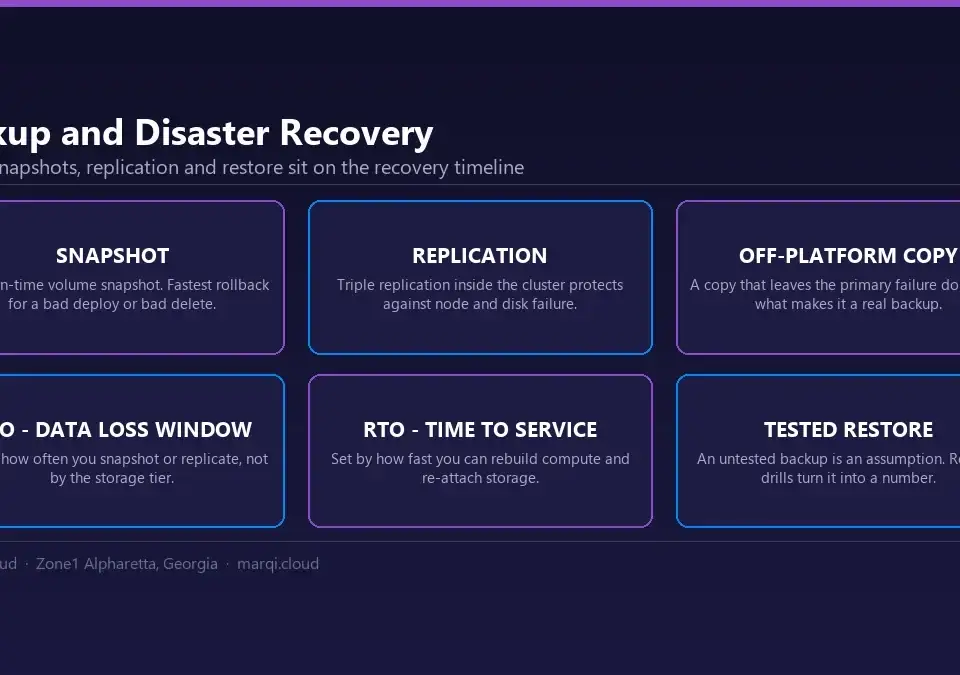
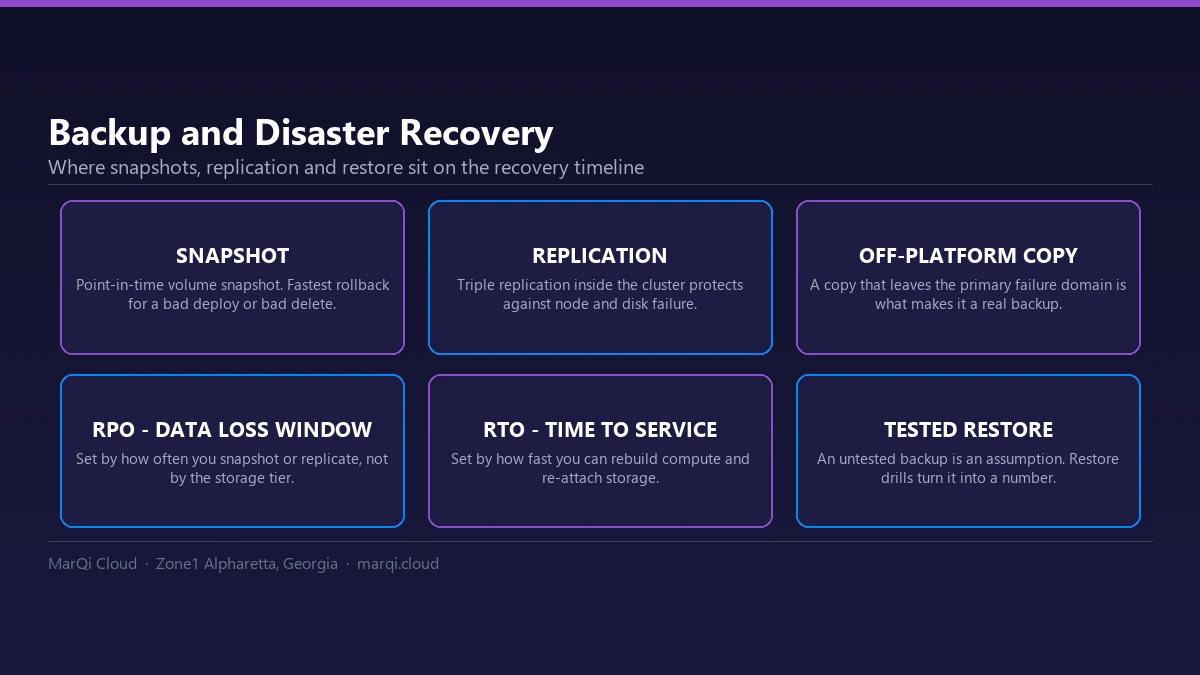
Recovery Point Objective (RPO) is a critical metric that defines the maximum acceptable amount of data loss measured in time. It answers the question: “How much data can we afford to lose?” For example, if your RPO is set at four hours, this means that in the event of a disaster, the business can tolerate losing up to four hours of data.
What is RTO?
Recovery Time Objective (RTO) complements RPO by determining the maximum acceptable downtime after a disaster occurs. It addresses the question: “How quickly must we restore services?” If your RTO is set at two hours, it means that the organization must have its systems and operations up and running again within two hours of a disruption.
Importance of RPO and RTO in Disaster Recovery
Establishing effective RPO and RTO metrics is crucial for several reasons:
- Minimizing Downtime: By having clear RTO goals, businesses can work on strategies to minimize downtime, ensuring continuity of operations.
- Protecting Data: Setting appropriate RPO values helps in defining data backup frequency and methods, ensuring that critical information is not lost.
- Cost Management: Balancing RPO and RTO with the costs of implementing disaster recovery solutions can lead to more efficient allocation of resources.
- Compliance and Regulations: Many industries have strict regulations regarding data protection and recovery, making RPO and RTO essential for compliance.
Designing RPO and RTO for Your Business
Assessing Business Needs
The first step in designing RPO and RTO is to conduct a thorough assessment of your business needs. This includes evaluating the impact of downtime and data loss on your operations, finances, and reputation.
Identifying Critical Data and Applications
Not all data and applications are created equal. Identifying which data is critical for your operations is essential. Prioritize your data based on its importance and the implications of its loss.
Collaboration Across Departments
Involve key stakeholders from various departments, including IT, operations, finance, and management, in the planning process. Their insights can provide a comprehensive view of the organization’s needs.
Setting RPO and RTO Goals
Using insights from the assessment phase, set realistic RPO and RTO goals. It is essential to balance these objectives with available resources and technology capabilities.
Implementing Disaster Recovery Solutions
Choosing the Right Infrastructure
With RPO and RTO defined, the next step is to choose the right disaster recovery infrastructure. This could entail:
- On-Premise Solutions: Some organizations may prefer to keep their DR solutions in-house for greater control.
- Cloud-Based Solutions: Utilizing cloud services can provide flexibility and scalability for disaster recovery needs.
- Hybrid Models: A combination of on-premise and cloud-based solutions can offer a balance of control and scalability.
Regular Testing and Updates
Disaster recovery plans are not a one-time setup. Regular testing of RPO and RTO through simulations and drills is essential to ensure effectiveness. Additionally, as your business evolves, your DR strategy should be updated to reflect changes in technology, operations, and business objectives.
Common Challenges in Disaster Recovery
Budget Constraints
One of the most significant challenges many organizations face is the budget for implementing robust disaster recovery solutions. Balancing the costs while ensuring adequate protection can be difficult.
Lack of Expertise
Implementing a disaster recovery plan requires specialized knowledge. Many organizations may lack the expertise needed, making it challenging to design and implement effective RPO and RTO strategies.
Underestimating Risks
Organizations often underestimate potential risks, leading to insufficient planning for RPO and RTO. A thorough risk assessment is crucial for understanding the full scope of potential disruptions.
Best Practices for Effective Disaster Recovery
Document Everything
Documentation is essential for a successful disaster recovery plan. Maintain detailed records of your RPO and RTO goals, the data and applications involved, and the processes for recovery.
Incorporate Automation
Automation can streamline processes and reduce human error in disaster recovery. Consider automated backups and recovery processes to enhance efficiency.
Engage in Continuous Improvement
Regularly review and improve your disaster recovery plan. Stay informed about new technologies and best practices in the industry to ensure your strategy remains effective.
Conclusion
Designing effective RPO and RTO metrics is vital for the resilience of your business in the face of potential disasters. By understanding the importance of these objectives, assessing your business needs, and implementing the right solutions, you can create a disaster recovery plan that truly works. Remember, the goal is not only to recover but to ensure that your business continues to thrive even amidst challenges.
Frequently Asked Questions (FAQ)
1. What is the difference between RPO and RTO?
RPO refers to the maximum acceptable data loss in time, while RTO defines the maximum acceptable downtime after a disaster.
2. How often should I test my disaster recovery plan?
It is recommended to test your disaster recovery plan at least annually, or more frequently if there are significant changes in your IT environment.
3. What are some common disaster recovery solutions?
Common solutions include on-premise backups, cloud-based recovery, and hybrid models that combine both.
4. How do I determine my RPO and RTO?
Assess your business needs, evaluate the impact of downtime and data loss, and engage with stakeholders to set realistic RPO and RTO goals.
5. Can cloud services improve my disaster recovery plan?
Yes, cloud services offer flexibility, scalability, and cost-effectiveness, making them an excellent choice for disaster recovery solutions.
6. What is the role of automation in disaster recovery?
Automation can streamline recovery processes, reduce human error, and enhance overall efficiency in disaster recovery operations.
7. How can I ensure compliance with industry regulations in my disaster recovery plan?
Stay informed about relevant regulations in your industry and integrate compliance requirements into your disaster recovery strategy.
8. What should I do if my organization lacks disaster recovery expertise?
Consider partnering with a managed service provider that specializes in disaster recovery to gain access to the necessary expertise.