
SOC 2 for Cloud Providers: Essential Questions US Buyers Should Ask Before Signing
March 3, 2026PCI DSS Hosting: How eCommerce Brands Can Reduce Risk
March 3, 2026
HIPAA Hosting Basics: What Healthcare Teams Need from a Cloud Partner
In today’s digital age, healthcare organizations are increasingly turning to cloud computing to enhance their operations and improve patient care. However, with the adoption of cloud solutions comes the responsibility of ensuring compliance with the Health Insurance Portability and Accountability Act (HIPAA). In this comprehensive guide, we will explore the essentials of HIPAA hosting and what healthcare teams should look for in a cloud partner.
Understanding HIPAA and Its Importance
HIPAA was established to protect patients’ sensitive health information from being disclosed without their consent or knowledge. It sets national standards for the protection of health information and applies to healthcare providers, health plans, and healthcare clearinghouses that transmit health information electronically.
Key Components of HIPAA Compliance
HIPAA compliance involves several key components:
- Privacy Rule: This rule governs the use and disclosure of protected health information (PHI).
- Security Rule: It sets standards for safeguarding electronic PHI (ePHI) through administrative, physical, and technical safeguards.
- Transaction and Code Sets Rule: This rule standardizes the electronic exchange of healthcare-related data.
- Identifier Standards: HIPAA requires unique identifiers for healthcare providers, health plans, and employers.
- Enforcement Rule: It outlines the procedures for investigations into HIPAA compliance violations.
Why HIPAA Hosting Matters
As healthcare organizations transition to the cloud, the need for HIPAA-compliant hosting solutions becomes paramount. A HIPAA hosting provider ensures that your data is stored and processed transparently while adhering to all regulatory requirements.
Benefits of HIPAA-Compliant Cloud Hosting
Choosing a HIPAA-compliant cloud hosting provider offers several advantages:
- Enhanced Security: HIPAA-compliant hosting providers implement stringent security measures to protect ePHI from breaches and unauthorized access.
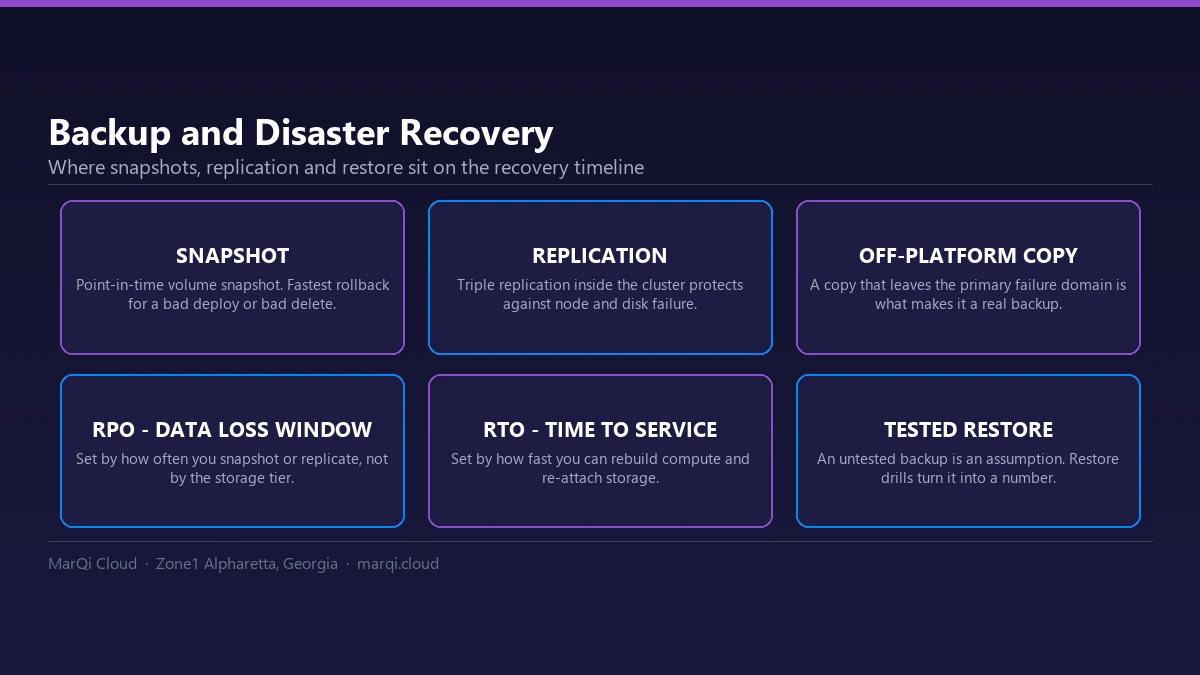
- Data Backup and Recovery: Reliable hosting solutions include robust backup and disaster recovery plans to safeguard against data loss.
- Scalability: Cloud hosting allows healthcare organizations to easily scale their resources according to their needs, ensuring optimal performance.
- Cost-Effectiveness: Flexible pricing models can accommodate varying budgets while providing quality service.
- Focus on Core Operations: By outsourcing IT infrastructure, healthcare teams can focus on delivering quality patient care.
What to Look for in a HIPAA Hosting Partner
When selecting a cloud partner for HIPAA hosting, healthcare organizations should consider several critical factors:
1. Experience and Expertise
It’s essential to choose a provider with extensive experience in serving the healthcare industry. Look for a partner that understands the unique challenges faced by healthcare organizations and has a track record of successful HIPAA compliance.
2. Comprehensive Security Measures
A reliable HIPAA hosting provider should implement multiple layers of security, including:
- Data encryption both in transit and at rest
- Regular security audits and vulnerability assessments
- Multi-factor authentication for access control
- Firewalls and intrusion detection systems
3. Business Associate Agreement (BAA)
Under HIPAA, healthcare organizations must have a Business Associate Agreement with any vendor that handles PHI on their behalf. Ensure your cloud partner is willing to sign a BAA, outlining their responsibilities regarding data protection and compliance.
4. Robust Backup and Disaster Recovery Solutions
Data loss can have devastating consequences for healthcare providers. A HIPAA-compliant hosting provider should offer reliable backup and disaster recovery solutions to ensure business continuity in case of data loss or system failures.
5. Support and Reliability
24/7 support is crucial for healthcare organizations. Ensure your cloud partner provides round-the-clock assistance and has a strong reputation for reliability and uptime.
6. Compliance and Certifications
Verify that the hosting provider complies with HIPAA regulations and holds relevant certifications. Compliance with additional standards, such as SOC 2 or ISO 27001, can further demonstrate their commitment to security and data protection.
Common Misconceptions about HIPAA Hosting
Despite the increasing awareness of HIPAA hosting, several misconceptions still exist:
1. All Cloud Providers are HIPAA Compliant
Not all cloud providers are created equal. Ensure that your chosen provider explicitly states its HIPAA compliance and is willing to sign a BAA.
2. Compliance Relieves Responsibility
While a HIPAA-compliant hosting provider can significantly reduce risk, healthcare organizations remain responsible for their compliance efforts. Regular audits and staff training are essential.
3. Cost is the Only Factor
While cost is an important consideration, it should not be the only factor in your decision-making process. Evaluate the provider’s overall security measures, experience, and support services.
Conclusion
Choosing the right HIPAA-compliant hosting provider is crucial for healthcare organizations aiming to protect sensitive patient information. By understanding the essentials of HIPAA hosting and evaluating potential partners based on experience, security measures, and compliance, healthcare teams can find the right cloud partner to support their operations and enhance patient care.
FAQs
1. What is HIPAA hosting?
HIPAA hosting refers to cloud hosting services that comply with HIPAA regulations for safeguarding protected health information (PHI).
2. Why is HIPAA compliance important for healthcare organizations?
HIPAA compliance is essential to protect patient information, avoid hefty fines, and maintain trust with patients.
3. What should I look for in a HIPAA hosting provider?
Look for experience, comprehensive security measures, a signed Business Associate Agreement (BAA), reliable backup solutions, and 24/7 support.
4. Do I need a Business Associate Agreement with my cloud provider?
Yes, a BAA is necessary when a cloud provider handles PHI on your behalf.
5. Can any cloud provider be used for HIPAA hosting?
No, only cloud providers that explicitly state their HIPAA compliance and are willing to sign a BAA can be used for HIPAA hosting.
6. What are the consequences of HIPAA non-compliance?
Consequences can include hefty fines, legal action, and reputational damage.
7. How can I ensure my data is secure in the cloud?
Choose a HIPAA-compliant hosting provider that implements strong security measures, including encryption and access controls.
8. Is cloud hosting more cost-effective than traditional hosting for healthcare organizations?
Cloud hosting can be more cost-effective due to its scalability and flexible pricing models, allowing organizations to pay only for what they use.
9. How often should I review my cloud hosting provider for compliance?
Regular audits and reviews should be conducted at least annually or whenever there are significant changes in your organization or the hosting service.
10. Can I migrate my existing data to a HIPAA-compliant cloud?
Yes, but ensure that the migration process is handled securely and in compliance with HIPAA regulations.