PCI DSS Hosting: How eCommerce Brands Can Reduce Risk
March 3, 2026
How to Choose a US Colocation Provider: 25 Questions to Ask
March 4, 2026
How does data residency affect contracts?
Data residency can impact SLAs, data ownership, liability clauses, and termination processes in contracts.
Data Residency in the USA: Understanding Its Impact on Contracts and Architecture
Data residency refers to the physical or geographical location where an organization’s data is stored and processed. In the context of the USA, data residency has become a crucial consideration for businesses, especially with the rise of data protection regulations and privacy concerns. This article delves into the implications of data residency in the USA, particularly focusing on its impact on contracts and architectural decisions for businesses utilizing cloud infrastructure.
The Importance of Data Residency
Data residency is vital for various reasons:
1. Regulatory Compliance
Many industries are subject to strict regulations regarding data handling and storage. For instance, healthcare organizations must comply with HIPAA, while financial institutions are bound by regulations like GLBA. Understanding the data residency requirements ensures that businesses remain compliant with these laws.
2. Data Sovereignty
Data sovereignty refers to the concept that data is subject to the laws of the country in which it is stored. In the USA, this means that data stored within its borders is subject to US laws, which may differ significantly from those of other countries. Organizations must consider how these legal frameworks impact their operations.
3. Security Considerations
Data residency can significantly affect data security. Storing data in a particular location may expose it to different security threats. For instance, data centers in the USA may have varying levels of security measures, and businesses must ensure that their data is protected against breaches.
Contractual Implications of Data Residency
The stipulations surrounding data residency can have profound implications for contracts between businesses and service providers.
1. Service Level Agreements (SLAs)
Contracts often include SLAs that specify the expected level of service, including uptime, performance, and support. When data residency is a concern, it is essential to define where the data will be stored and how it will be managed in compliance with relevant regulations.
2. Data Ownership and Control
Contracts should explicitly state who owns the data and how it can be accessed and used. This is particularly crucial for organizations that handle sensitive data, as they need assurance that they retain control over their information.
3. Liability and Indemnity Clauses
Data breaches can lead to significant legal repercussions. Contracts must include clear liability clauses that outline the responsibilities of both parties in the event of a data breach, especially when data residency laws are invoked.
4. Termination Clauses
Understanding how data will be handled upon contract termination is critical. Contracts should stipulate data deletion and transfer processes, ensuring compliance with data residency requirements.
Architectural Considerations for Data Residency
When designing cloud architectures, businesses must consider several factors related to data residency.
1. Choosing the Right Cloud Provider
Selecting a cloud provider with a data center located in the USA can help ensure compliance with data residency laws. Providers like MarQi Cloud offer enterprise-grade infrastructure that aligns with these requirements, providing businesses with secure hosting environments.
2. Hybrid Cloud Solutions
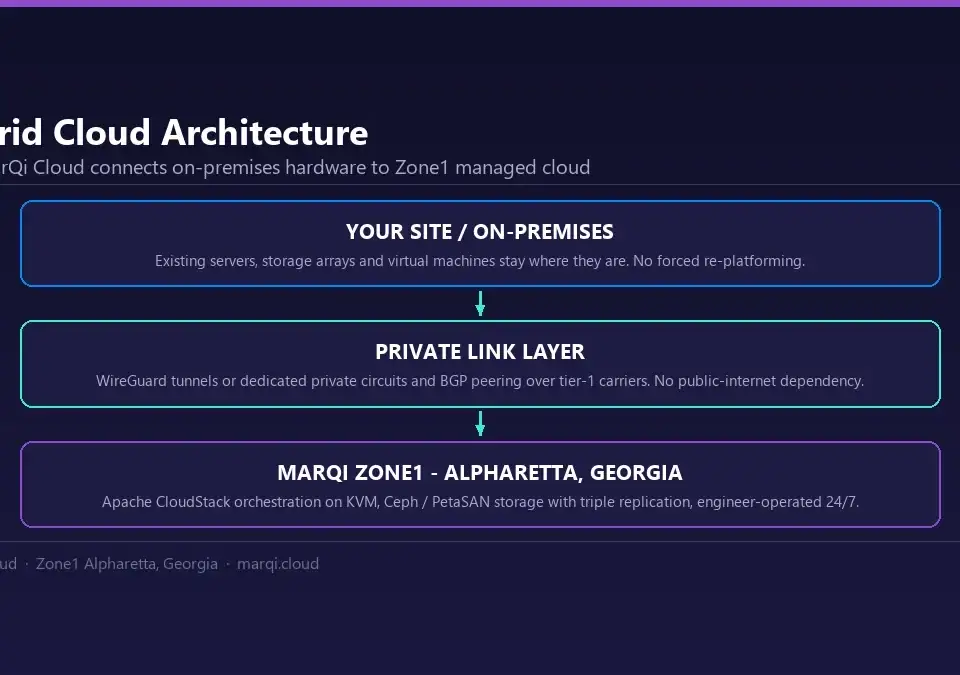
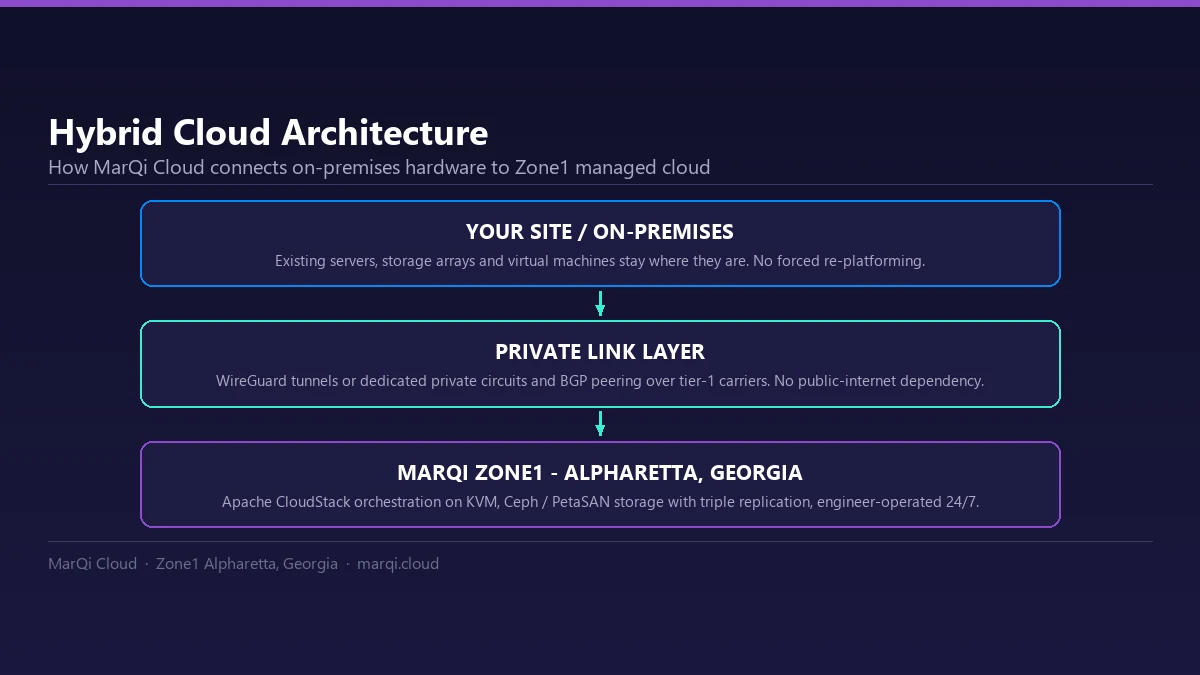
A hybrid cloud deployment model allows organizations to store sensitive data on-premises while leveraging the cloud for less sensitive information. This approach can help meet regulatory requirements while ensuring scalability and flexibility.
3. Data Encryption
Regardless of where data is stored, implementing robust encryption practices is essential. This ensures that even if data is compromised, it remains secure and unreadable without the proper decryption keys.
4. Regular Audits and Assessments
Conducting regular audits of data residency practices and infrastructure can help organizations identify potential vulnerabilities and ensure compliance with evolving regulations.
Challenges in Data Residency
While data residency is critical, it presents several challenges for organizations:
1. Complexity of Regulations
The varied and often complex nature of regulations can make compliance challenging. Businesses must stay informed about changing laws and how they impact data residency.
2. Cost Implications
Maintaining compliance with data residency requirements can incur additional costs, such as investing in secure data centers or hiring compliance experts.
3. Limited Flexibility
Data residency requirements may limit an organization’s ability to utilize global cloud services, potentially hindering scalability and innovation.
Best Practices for Complying with Data Residency Requirements
Organizations can adopt several best practices to effectively manage data residency:
1. Conduct a Data Inventory
Identifying where data is stored and processed is the first step in ensuring compliance. Conducting a thorough data inventory helps organizations understand their data landscape.
2. Develop a Clear Data Governance Policy
A well-defined data governance policy can help organizations manage data residency requirements effectively. This policy should outline data handling, storage, and access protocols.
3. Engage Legal Counsel
Consulting with legal experts ensures that contracts and data management practices align with current laws and regulations regarding data residency.
Conclusion
Data residency in the USA is a critical consideration for businesses in today’s data-driven environment. Understanding its implications on contracts and architecture is essential for ensuring compliance, security, and operational efficiency. By adopting best practices and leveraging the right cloud infrastructure, organizations can navigate the complexities of data residency while protecting their valuable data assets.
Frequently Asked Questions (FAQ)
1. What is data residency?
Data residency refers to the physical location where data is stored and processed, often influenced by regulatory requirements.
2. Why is data residency important?
Data residency is crucial for regulatory compliance, data sovereignty, and security considerations.
3. How does data residency affect contracts?
Data residency can impact SLAs, data ownership, liability clauses, and termination processes in contracts.
4. What are hybrid cloud solutions?
Hybrid cloud solutions combine on-premises and cloud-based resources, allowing organizations to manage sensitive data securely while leveraging cloud scalability.
5. How can organizations ensure compliance with data residency requirements?
Organizations can ensure compliance by conducting data inventories, developing governance policies, and engaging legal counsel.
6. What challenges are associated with data residency?
Challenges include complex regulations, cost implications, and limited flexibility in using global cloud services.
7. What role does encryption play in data residency?
Encryption protects data at rest and in transit, ensuring security regardless of its physical location.
8. How can a cloud provider assist with data residency?
A reputable cloud provider can offer infrastructure compliant with data residency regulations, ensuring secure and reliable data handling.