Atlanta Colocation vs Dedicated Bare Metal: Which Is Better for Your Business?
March 12, 2026
Role of Kubernetes in Open Source Hybrid Cloud Environments
March 12, 2026

How Cloud Native App Development Supports DevOps Practice
Introduction:
Software development today focuses on delivering applications faster while keeping them stable and reliable. Cloud native app development helps by building apps for cloud environments, making them easier to scale and manage. DevOps also supports this by promoting teamwork, automation, and continuous delivery. In this article, we’ll look at how cloud native development supports DevOps and improves the development process.
How Cloud Native App Development is shaping modern software?
Cloud Native App Development is transforming how businesses create and deliver software. Instead of building one large application, developers now design apps specifically for the cloud. This approach makes applications flexible, scalable, and easier to update, allowing businesses to respond faster to changing needs while maintaining reliable performance.
Key Components of Cloud Native App Development:
- Micro services: Breaks applications into small, independent services for easier updates and maintenance.
- Containers and Orchestration: Packages apps into containers and manages them with tools like Kubernetes for automated deployment and scaling.
- Immutable Infrastructure: Updates are applied by replacing instances, maintaining consistency and reliability.
- Automation and CI/CD: Streamlines testing, deployment, and updates for faster and safer releases.
- Monitoring and Observability: Provides real-time performance tracking to quickly detect and resolve issues.
- Resilience and Self-Healing: Systems can recover automatically from failures, keeping apps running smoothly.
Benefits of Cloud Native App Development:
- Faster Development:
- Automated pipelines allow frequent updates.
- Developers can release new features multiple times a day without downtime.
- Better Scalability:
- Applications scale automatically to match demand.
- Cloud environments efficiently handle dynamic workloads.
- Improved Reliability:
- Continuous monitoring detects issues early.
- Systems remain stable even during heavy traffic or unexpected problems.
Infrastructure support for Cloud Native Apps:
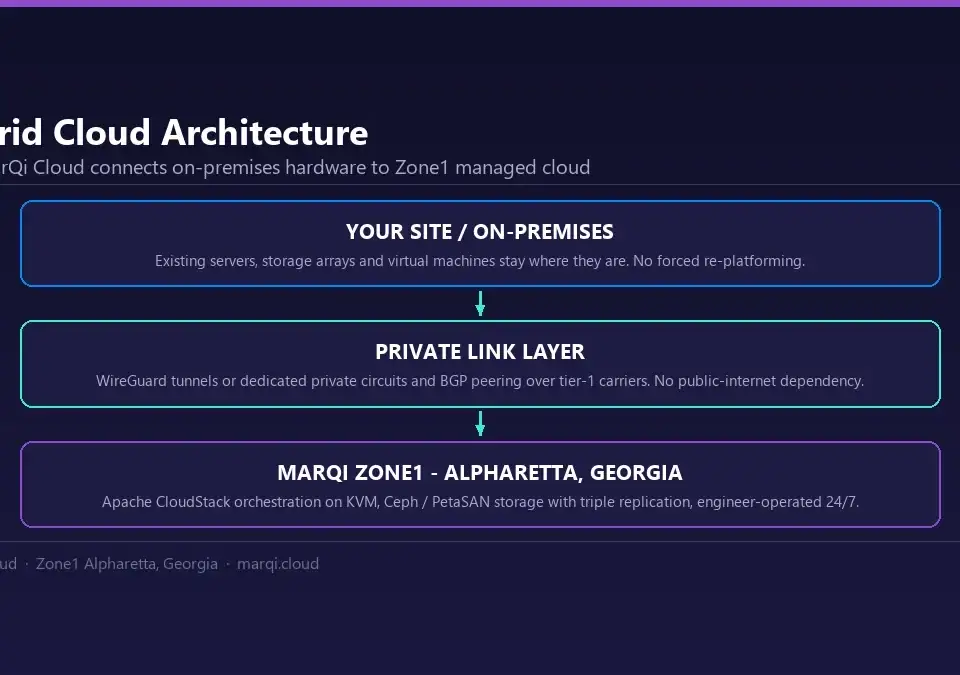
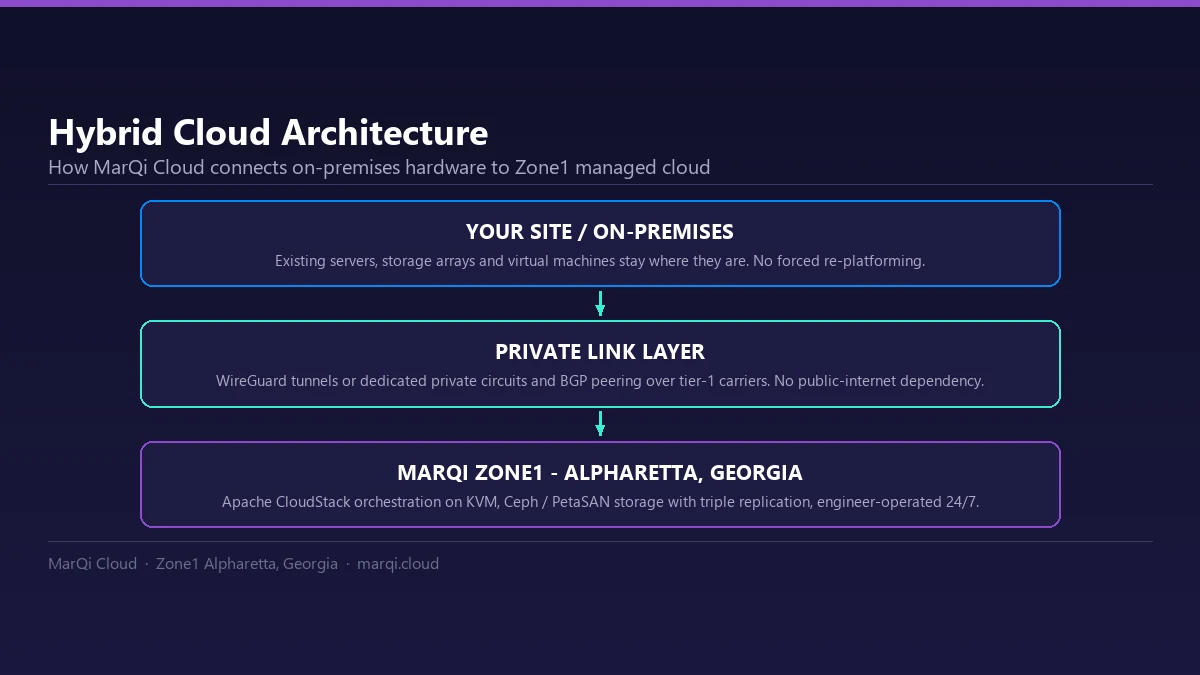
A strong infrastructure is essential for cloud native app development. Stable storage and networking confirm applications run smoothly and efficiently. MarQi Cloud offers independent data centres with robust storage clusters and redundant network fabrics, providing the reliable foundation needed to deploy, scale, and manage cloud-native applications effortlessly.
Understanding Cloud Native Development Tools and their role in modern applications:
Cloud Native Development Tools are technologies that help developers create applications designed specifically for cloud platforms. Instead of building a single large system, cloud-native applications are usually divided into smaller services called microservices. Each service handles a specific task and can be updated independently without affecting the whole system.
Resources for Cloud Native Development:
Some commonly used Cloud Native Development Tools include:
- Container tools: Tools like Docker package applications and their dependencies into containers so they can run consistently across different environments.
- Orchestration platforms: Kubernetes helps manage and organize containers, making it easier to scale and maintain applications.
- CI/CD tools: Jenkins, GitLab CI, and GitHub Actions automate testing, building, and deploying applications.
- Infrastructure tools: Terraform and Ansible allow developers to manage infrastructure through code instead of manual setup.
These Cloud Native Development Tools help developers build flexible, modular applications that are easier to maintain and update.
Benefits of Cloud Native Development Tools:
Using Cloud Native Development Tools provides several important advantages for modern software development.
- Faster development: Automation allows teams to release updates and new features more quickly.
- Better scalability: Applications can adjust automatically when demand increases.
- Improved reliability: Monitoring tools help identify and fix problems early.
- Better collaboration: Development and operations teams can work together more efficiently.
Why are these tools important for modern development?
As businesses continue to move their services to the cloud, Cloud Native Development Tools have become essential for building modern applications. They help organizations create systems that are flexible, scalable, and capable of handling rapid growth and changing user demands.
Overall, Cloud Native Development Tools help organizations build modern applications that are flexible, scalable, and reliable, making them well-suited for today’s cloud-based digital systems.
How do Cloud Native Deployment Strategies support reliable releases?
Cloud Native Deployment Strategies are modern approaches used to release and update applications in cloud environments. These strategies help developers introduce new features or improvements without stopping the application. By using containers, microservices, and automated CI/CD pipelines, updates can be delivered smoothly while keeping the system stable and available to users.
Popular Cloud Native Deployment Strategies:
Several Cloud Native Deployment Strategies are widely used to manage application updates with minimal risk:
- Rolling Updates: The new version gradually replaces the old version while the application continues running.
- Blue-Green Deployment: Two identical environments are used. Once the new version is ready, traffic is switched from the old environment to the new one.
- Canary Deployment: The new version is first released to a small group of users to test performance before a full rollout.
- A/B Testing: Different users are shown different versions of a feature to analyse performance and user response.
- Shadow Deployment: The new version receives real traffic for testing, but users still interact with the existing version.
Technologies that support Cloud Native Deployment Strategies:
Several modern technologies help implement Cloud Native Deployment Strategies effectively:
- Containerization and orchestration tools such as Docker and Kubernetes help package applications and manage containerized services.
- CI/CD pipelines like Jenkins, GitLab CI, or GitHub Actions automate testing, building, and deployment processes.
- Infrastructure as Code tools, such as Terraform or Helm, provide consistent and repeatable infrastructure configuration.
- Load balancers and service meshes manage traffic between application versions during deployments.
Why are these strategies important?
Using Cloud Native Deployment Strategies helps organizations release updates faster while maintaining application stability. These methods reduce downtime, lower deployment risks, and allow teams to test new features safely before making them available to all users.
How MarQi Cloud supports Cloud Native Development?
MarQi Cloud provides a reliable cloud infrastructure built to support modern cloud native applications and DevOps workflows. Their platform supports stability, performance, and scalability for businesses of all sizes.
- Independent Data Centres: MarQi Cloud operates its own data centres, giving businesses full control and safe, stable operations.
- Dedicated Storage Clusters: Their storage clusters manage data efficiently, offering high availability and fast access.
- Redundant Network Fabric: Multiple network layers provide strong, consistent connectivity even during high traffic or technical issues.
- Cloud Native-Friendly Infrastructure: The platform supports micro services, containerization, and orchestration tools like Kubernetes for smooth development.
- DevOps Integration: Compatible with CI/CD pipelines, MarQi Cloud allows teams to automate testing, deployment, and scaling for faster updates.
- Scalable Resources: Businesses can adjust resources as needed, keeping applications running efficiently during peak demand.
Overall, MarQi Cloud offers a protected, flexible, and high-performing infrastructure that makes cloud native development simple and reliable.
Conclusion:
Cloud native app development, along with strong DevOps practices, makes software development faster, more reliable, and easier to manage. Using the right tools and deployment strategies, supported by platforms like MarQi Cloud, businesses can scale smoothly, minimize downtime, and deliver updates efficiently, providing a better experience for both developers and users.