How Automated Scaling Policies Prevent Overprovisioning and Performance Bottlenecks
August 5, 2026
The Complete Guide to Cloud Cost Forecasting and Budget Planning
August 5, 2026
Why Egress Fee Elimination Transforms Cloud Architecture Economics
The shift towards cloud computing has revolutionized how businesses operate, but one of the most significant barriers to optimizing cloud utilization has been the often hidden costs associated with data egress fees. As enterprise cloud providers like MarQi Cloud eliminate these fees, we witness a fundamental change in the economic landscape of cloud architecture. In this article, we will explore how the removal of egress fees reshapes cloud economics, enhances operational efficiencies, and provides businesses with the flexibility they need to thrive in a digital-first world.
Understanding Egress Fees
Egress fees are charges imposed by cloud service providers when data is transferred out of their networks. These fees can significantly impact the total cost of ownership (TCO) for businesses utilizing cloud services. According to a report by the Gartner Group, egress fees can account for up to 30% of a company’s total cloud expenditures. This cost structure has traditionally discouraged companies from moving large volumes of data across cloud environments or from cloud to on-premises infrastructures.
The Economic Impact of Egress Fees
The economics of cloud computing have been largely influenced by the presence of egress fees. These fees create a financial disincentive for businesses to leverage the cloud’s full potential. For instance, organizations often limit their data transfers to avoid incurring additional costs, which can hinder innovation and the adoption of cloud-native applications.
Moreover, egress fees disproportionately affect companies with high data transfer needs, such as those in data analytics, media streaming, and healthcare sectors. A Forbes article highlights how these costs can lead to suboptimal cloud architectures, where businesses are forced to make compromises in their infrastructure design to mitigate costs.
Benefits of Eliminating Egress Fees
The elimination of egress fees can lead to a paradigm shift in cloud economics, offering numerous benefits:
- Cost Predictability: Without egress fees, businesses can anticipate their cloud costs with greater accuracy, allowing for better budgeting and financial planning.
- Enhanced Flexibility: Organizations can freely move data between different environments without worrying about incurring additional charges. This flexibility is crucial for businesses that rely on multi-cloud or hybrid cloud architectures.
- Improved Performance: By removing financial barriers, companies can optimize their data flows and improve application performance, leading to increased operational efficiency.
- Accelerated Innovation: With fewer constraints, businesses are more likely to experiment with new technologies and services, fostering innovation.
Case Studies of Egress Fee Elimination
Several organizations have successfully navigated the transition to egress fee-free environments, resulting in substantial cost savings and operational improvements. For instance:
Company A: Media Streaming Service
A leading media streaming service migrated to MarQi Cloud, where they eliminated egress fees. This transition enabled them to streamline their content delivery network (CDN) operations and drastically reduced their monthly cloud bill by 25%. The company leveraged this savings to invest in new content creation and enhance user experience.
Company B: Data Analytics Firm
A data analytics firm that heavily relied on large datasets faced mounting egress fees that limited their ability to scale. After switching to a cloud provider with no egress fees, they saw a 40% reduction in data transfer costs, allowing them to expand their analytics capabilities and offer more robust insights to clients.
How MarQi Cloud Eliminates Egress Fees
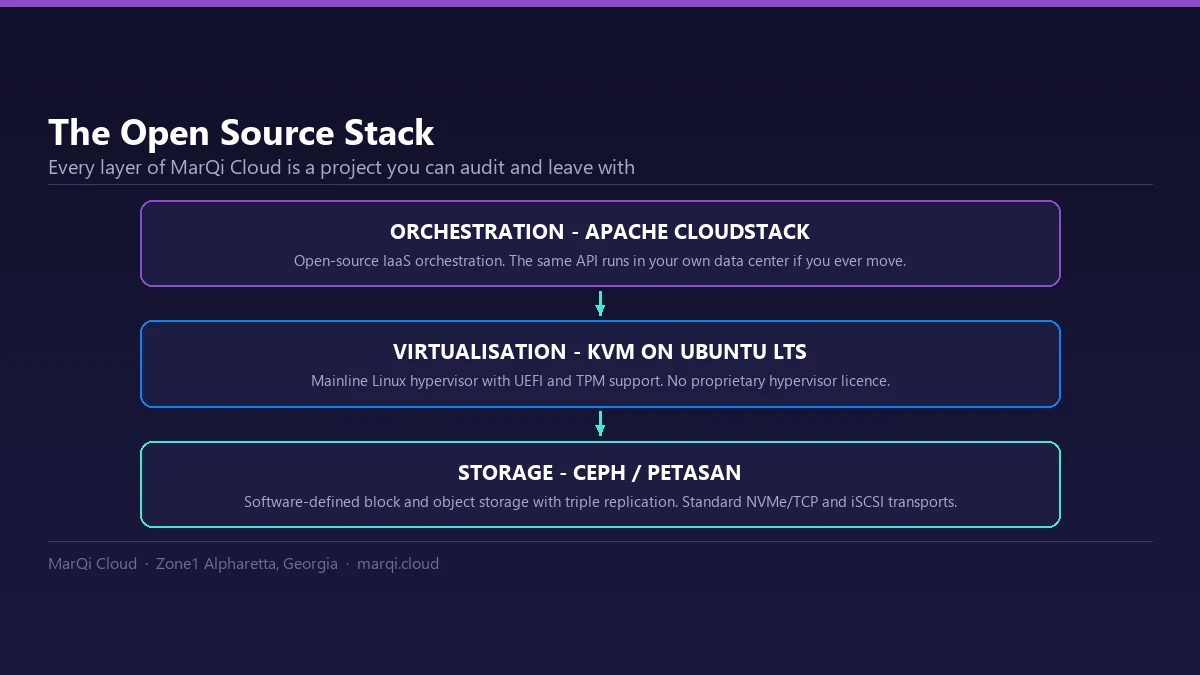
MarQi Cloud is at the forefront of this transition with its commitment to providing enterprise-grade cloud infrastructure without egress fees. By implementing a transparent pricing model, MarQi Cloud ensures that clients can predict their cloud costs accurately, fostering trust and long-term relationships.
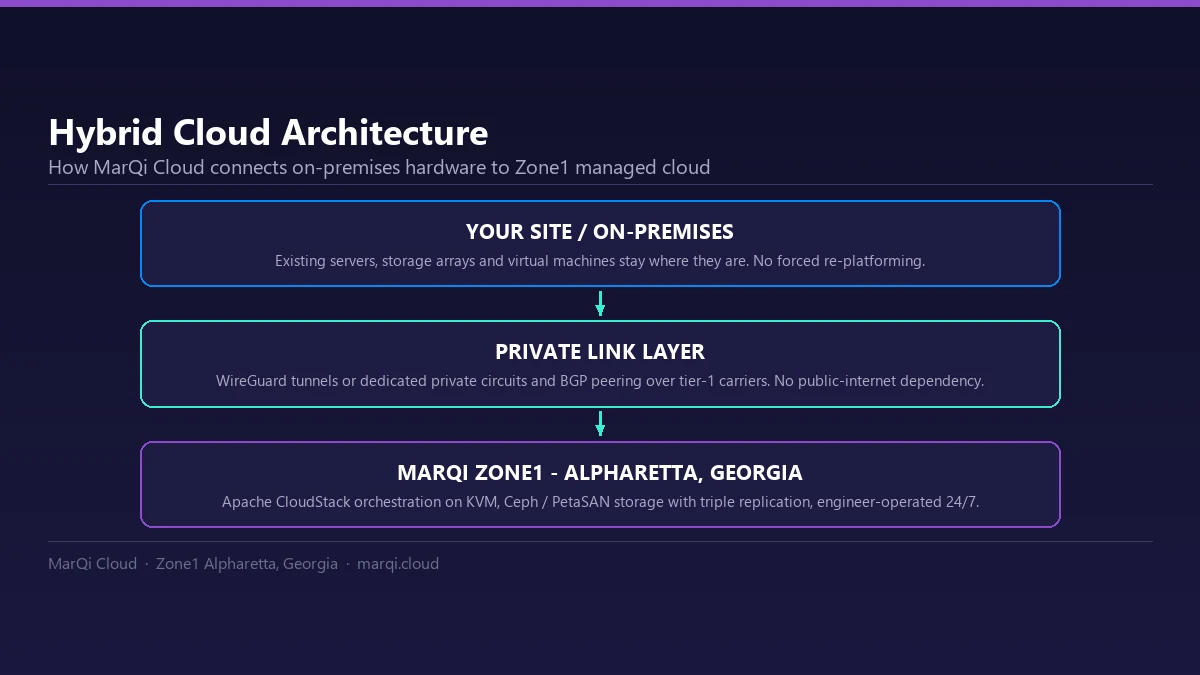
Additionally, MarQi Cloud’s hybrid cloud solutions allow businesses to seamlessly integrate on-premises and cloud environments without the burden of unexpected charges. This approach enhances operational flexibility and supports modern business needs.
Future Trends in Cloud Economics
The elimination of egress fees is just one aspect of the evolving landscape of cloud economics. Other trends that are shaping the future include:
- Pay-as-You-Go Models: More providers are adopting flexible pricing structures that allow businesses to pay only for what they use, thus reducing financial risks.
- Increased Competition: As more providers enter the market, the competition will drive innovation and lead to more customer-friendly pricing models.
- Focus on Sustainability: Companies are increasingly prioritizing sustainability in their cloud strategies, which can influence pricing models and service offerings.
As businesses adapt to these changes, they will need to continually assess their cloud strategies to ensure they leverage the most advantageous pricing structures and technologies available.
Frequently Asked Questions
What are egress fees?
Egress fees are charges imposed by cloud service providers when data is transferred out of their networks. These fees can significantly increase the total cost of cloud ownership.
How do egress fees impact cloud costs?
Egress fees can account for a substantial percentage of cloud expenditures, often discouraging businesses from fully leveraging cloud capabilities and leading to suboptimal architectures.
What are the benefits of eliminating egress fees?
The elimination of egress fees results in cost predictability, enhanced flexibility, improved performance, and accelerated innovation.
Can egress fee elimination lead to increased operational efficiency?
Yes, by reducing financial disincentives, businesses can optimize data flows, leading to improved application performance and operational efficiency.
What are some examples of companies benefiting from egress fee elimination?
Media streaming services and data analytics firms have reported significant cost savings and operational improvements after transitioning to egress fee-free cloud providers.
How does MarQi Cloud eliminate egress fees?
MarQi Cloud offers a transparent pricing model with no egress fees, ensuring clients can accurately predict cloud costs and integrate hybrid environments seamlessly.
What future trends should businesses consider in cloud economics?
Businesses should consider pay-as-you-go models, increased competition among providers, and a focus on sustainability in their cloud strategies.
How can businesses optimize their cloud strategies?
To optimize cloud strategies, businesses should evaluate providers that offer zero egress fees, flexible pricing models, and technologies that align with their operational goals.
What role do egress fees play in cloud migration?
Egress fees can create significant hurdles during cloud migration, as businesses may limit data transfers to avoid high costs, affecting their overall migration strategy.
Why is it important to understand egress fees?
Understanding egress fees is crucial for businesses to accurately assess their total cloud costs and make informed decisions about their cloud architecture.
How can I learn more about cloud migration services?
For more information on cloud migration services, check out our article on how MarQi Cloud makes cloud migration painless for non-technical teams.
What resources are available for understanding cloud economics?
For a deeper understanding of cloud economics, refer to resources from reputable organizations like NIST and Cloud Security Alliance.
Conclusion
The elimination of egress fees is a game-changer in the realm of cloud architecture, significantly altering the economic landscape for businesses. By providing a cost-effective, flexible, and efficient cloud environment, MarQi Cloud empowers organizations to fully leverage cloud computing’s potential. As the industry evolves, staying informed about changes in cloud economics will be crucial for businesses looking to thrive in a competitive digital landscape.