Alpharetta/Atlanta Cloud Hosting: Local SEO Guide for IT Buyers
February 27, 2026
Hybrid Cloud for US Businesses: When It Beats Public Cloud in 2026
February 28, 2026
2026 Hybrid Cloud Trends: Private Circuits, AI Workloads, and Predictable Pricing
As we approach 2026, the landscape of hybrid cloud computing is evolving at an unprecedented pace. Organizations are increasingly adopting hybrid models to leverage the benefits of both public and private clouds, ensuring they can meet diverse business needs while maintaining control over critical data. In this article, we will explore the key trends shaping the hybrid cloud landscape, focusing on private circuits, AI workloads, and predictable pricing. We will also discuss how MarQi Cloud’s enterprise-grade infrastructure can help businesses navigate these changes effectively.
The Rise of Hybrid Cloud Adoption
Hybrid cloud computing blends public and private cloud environments, offering flexibility, scalability, and enhanced security. As organizations seek to optimize their IT infrastructure, hybrid cloud models are gaining traction. According to recent studies, over 70% of enterprises will adopt a hybrid cloud model by 2026. This trend is driven by several factors, including the need for data sovereignty, regulatory compliance, and the growing demand for performance-driven infrastructure.
Private Circuits: Enhancing Security and Performance
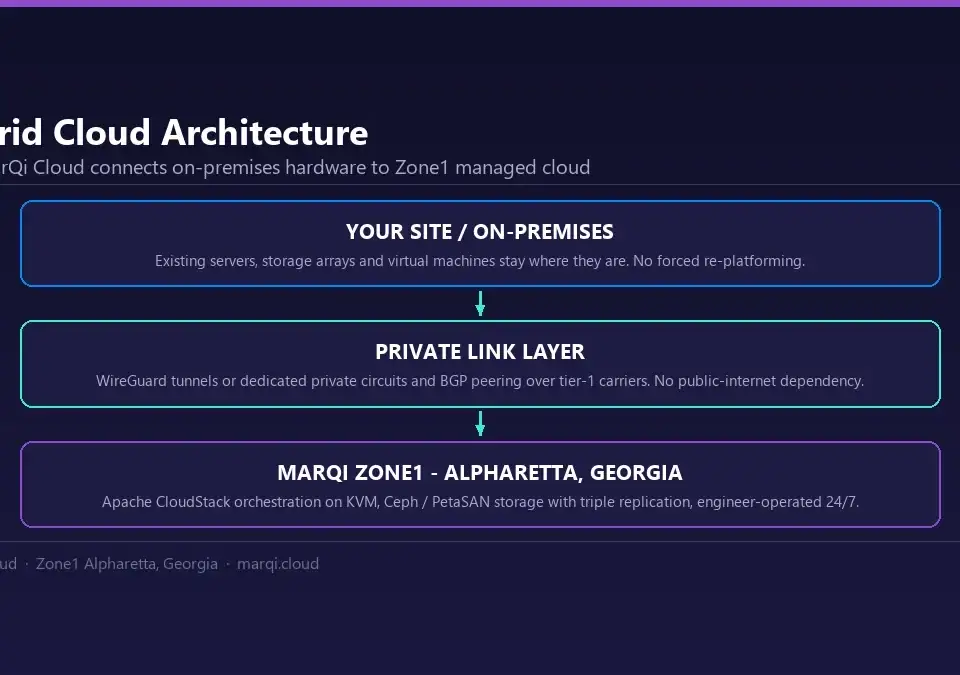
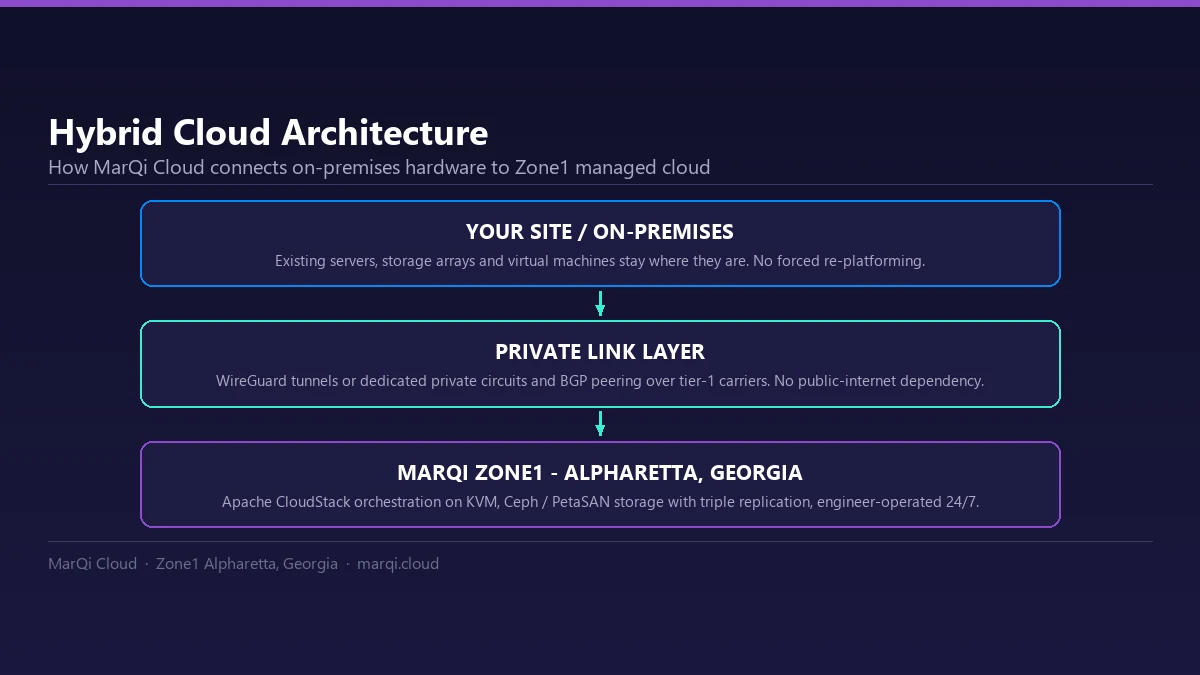
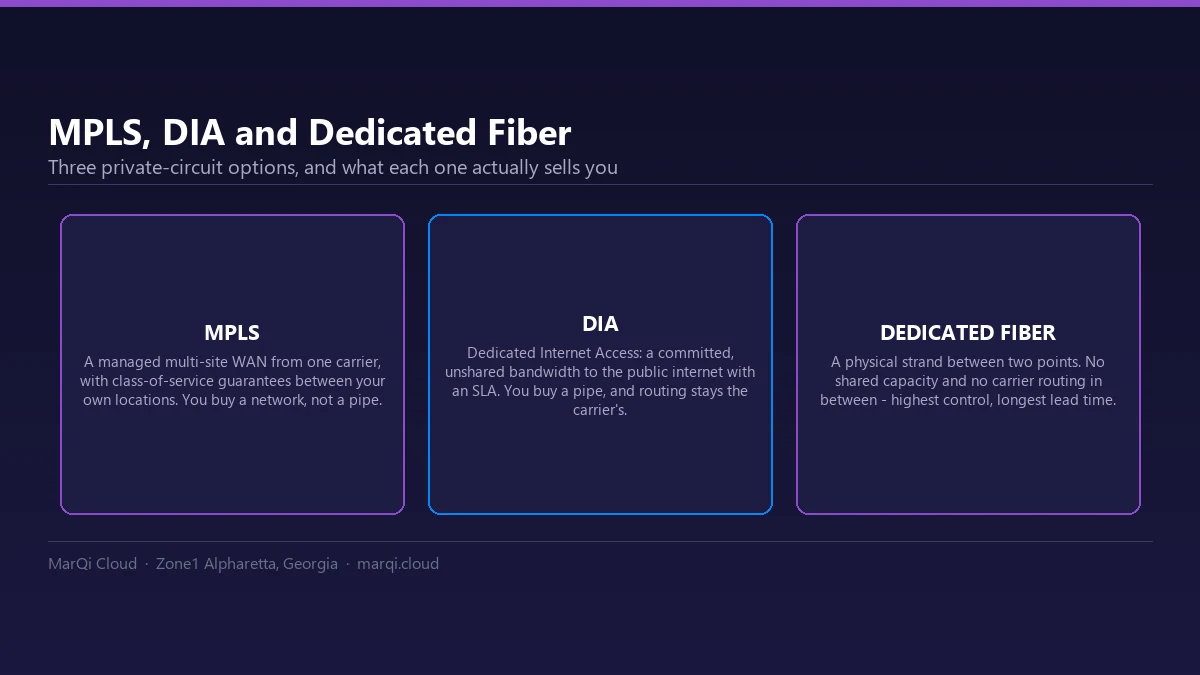
One of the most significant trends in hybrid cloud deployment is the increased use of private circuits. Private circuits provide dedicated, secure connections between an organization’s on-premises infrastructure and cloud services. This approach significantly enhances security, minimizes latency, and ensures a consistent user experience.
Benefits of Private Circuits
Private circuits offer several advantages, including:
- Enhanced Security: By using private circuits, organizations can reduce the risk of data breaches and ensure sensitive information is transmitted securely.
- Increased Performance: Dedicated connections minimize latency, resulting in faster data transfer and improved application performance.
- Reliable Connectivity: Private circuits provide a stable connection, reducing the risk of downtime associated with public internet connections.
Use Cases for Private Circuits
Private circuits are particularly beneficial for organizations that handle large volumes of sensitive data, such as financial institutions, healthcare providers, and government agencies. These sectors require stringent data protection measures and benefit from the enhanced performance offered by dedicated connections.
AI Workloads: Driving the Future of Hybrid Cloud
Artificial intelligence (AI) is transforming the way businesses operate, and hybrid cloud environments are becoming the preferred choice for deploying AI workloads. The ability to scale compute and storage resources on-demand makes hybrid clouds an ideal solution for organizations looking to harness the power of AI.
Scaling AI Capabilities
Hybrid cloud infrastructures enable organizations to:
- Manage Large Datasets: AI applications often require access to vast amounts of data. Hybrid clouds can efficiently store and process these datasets, leveraging both on-premises and cloud resources.
- Utilize Advanced Computing Power: Organizations can take advantage of powerful cloud-based GPUs and TPUs for training AI models, while keeping sensitive data on private servers.
- Enhance Collaboration: Hybrid clouds facilitate seamless collaboration between data scientists and IT teams, ensuring that AI projects can progress efficiently.
AI Workload Management Strategies
To effectively manage AI workloads in a hybrid cloud environment, organizations should focus on:
- Data Governance: Establishing policies for data management, security, and compliance is crucial for AI success.
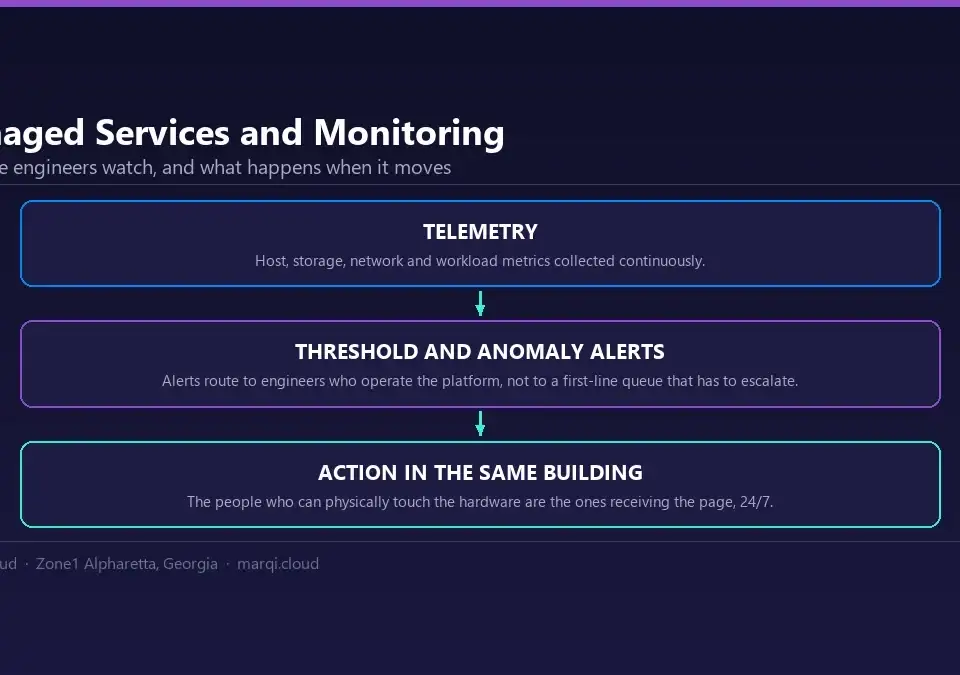
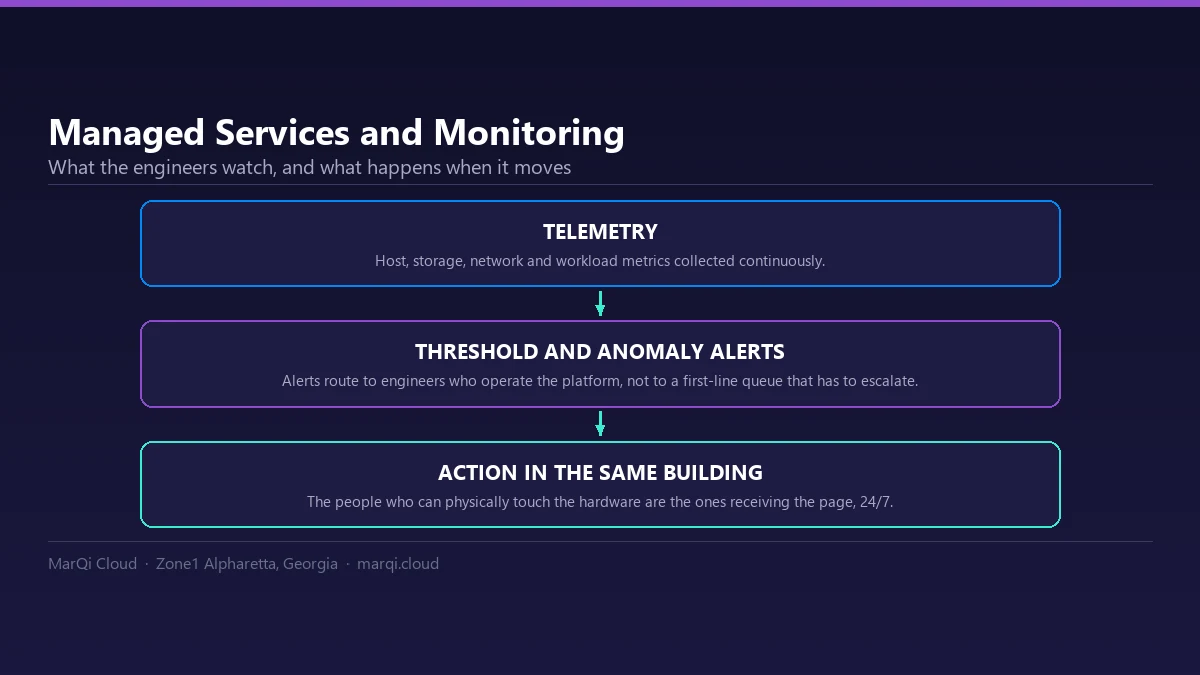
- Monitoring and Optimization: Continuously monitoring performance metrics and optimizing resource allocation can help organizations maximize the benefits of their hybrid cloud.
- Training and Development: Investing in training employees on hybrid cloud technologies and AI tools is essential for driving innovation.
Predictable Pricing Models: A Game Changer for Businesses
One of the most significant challenges organizations face when adopting cloud solutions is the unpredictability of costs. As businesses increasingly rely on hybrid cloud infrastructures, the demand for predictable pricing models is growing. In 2026, we expect to see a shift towards more transparent and flexible pricing structures.
Benefits of Predictable Pricing
Implementing predictable pricing models offers several advantages:
- Budgeting and Financial Planning: Organizations can better allocate resources and plan budgets with predictable costs.
- Enhanced Cost Control: Predictable pricing enables companies to avoid unexpected expenses associated with fluctuating usage patterns.
- Improved ROI: With clear pricing structures, businesses can more accurately assess the return on investment for their cloud services.
Examples of Predictable Pricing Models
Organizations may consider various pricing models, including:
- Flat-Rate Pricing: A fixed monthly fee for a defined set of services, enabling organizations to budget effectively.
- Usage-Based Pricing: Charges based on actual resource consumption, allowing businesses to pay only for what they use.
- Tiered Pricing: A structured approach where costs decrease as usage increases, incentivizing businesses to scale their operations.
How MarQi Cloud Can Support Your Hybrid Cloud Journey
At MarQi Cloud, we understand the challenges organizations face when transitioning to a hybrid cloud environment. Our enterprise-grade cloud infrastructure is designed to support businesses in navigating these trends effectively.
Enterprise-Grade Infrastructure
Our infrastructure is built for performance, offering scalable compute and storage resources tailored to your needs. With MarQi Cloud, you can:
- Deploy Hybrid Cloud Solutions: Utilize our hybrid cloud deployment models to create a customized infrastructure that meets your unique business requirements.
- Enhance Security: Benefit from private and secure hosting environments that protect your sensitive data.
- Ensure Business Continuity: Our disaster recovery solutions guarantee that your operations remain uninterrupted, no matter the circumstances.
Flexible Pricing Models
We offer flexible pricing models to accommodate the diverse needs of our clients. Our predictable pricing structures ensure that you can budget effectively while enjoying the benefits of our cloud services.
Conclusion
As we look ahead to 2026, the hybrid cloud landscape is poised for significant transformation. The adoption of private circuits, the rise of AI workloads, and the demand for predictable pricing will shape the way organizations approach their cloud strategies. By leveraging the enterprise-grade infrastructure offered by MarQi Cloud, businesses can navigate these trends confidently, ensuring they remain competitive in an ever-evolving digital landscape.
FAQs
1. What is a hybrid cloud?
A hybrid cloud combines public and private cloud environments, allowing organizations to benefit from both while maintaining control over sensitive data.
2. What are private circuits?
Private circuits are dedicated, secure connections between an organization’s on-premises infrastructure and cloud services, enhancing security and performance.
3. How do AI workloads benefit from hybrid cloud environments?
Hybrid clouds provide scalable compute and storage resources that enable organizations to efficiently manage and process large datasets for AI applications.
4. What are the advantages of predictable pricing models?
Predictable pricing models help organizations budget effectively, enhance cost control, and improve return on investment for cloud services.
5. How can MarQi Cloud support my business?
MarQi Cloud offers enterprise-grade infrastructure, flexible pricing models, and comprehensive hybrid cloud solutions tailored to your business needs.
6. What industries benefit from private circuits?
Industries such as finance, healthcare, and government benefit from private circuits due to their need for enhanced security and reliable connectivity.
7. How can I transition to a hybrid cloud model?
Transitioning to a hybrid cloud model involves assessing your current infrastructure, identifying specific business needs, and partnering with a cloud provider like MarQi Cloud.
8. What should I consider when managing AI workloads in the cloud?
Organizations should focus on data governance, performance monitoring, and employee training to effectively manage AI workloads in a hybrid cloud environment.