The Complete Guide to Building an Internal Cloud Service Catalog for Self-Service
September 9, 2026
Why Automated Compliance Checking Validates Cloud Configurations
September 10, 2026
How ChatOps and Infrastructure Bots Streamline Cloud Operations for DevOps Teams
In today’s fast-paced digital landscape, DevOps teams are continually seeking innovative solutions to enhance collaboration, improve efficiency, and streamline cloud operations. One such transformative approach is the integration of ChatOps and infrastructure bots. By leveraging these technologies, organizations can automate repetitive tasks, facilitate real-time communication, and ultimately drive productivity. In this comprehensive guide, we will explore how ChatOps and infrastructure bots can revolutionize cloud operations and empower DevOps teams to achieve greater success.
What is ChatOps?
ChatOps is a collaboration model that connects people, tools, and processes through a chat interface. This approach allows team members to interact with various tools and services directly from their chat environment, streamlining workflows and reducing the need to switch between multiple applications. By integrating chatbots and automation scripts, teams can execute commands, retrieve information, and receive notifications in real-time, all within their preferred chat platform.
The concept of ChatOps was popularized by GitHub, where developers used chat platforms like Slack to enhance collaboration and streamline operations. As organizations increasingly adopt cloud-based infrastructure and DevOps methodologies, ChatOps has become an essential component for teams looking to improve efficiency and responsiveness.
Benefits of ChatOps for DevOps Teams
Integrating ChatOps into cloud operations offers numerous advantages for DevOps teams, including:
- Enhanced Collaboration: ChatOps fosters a culture of collaboration by breaking down silos and encouraging open communication among team members. This leads to faster decision-making and improved problem-solving.
- Increased Efficiency: By automating routine tasks, ChatOps reduces the time spent on manual processes, allowing teams to focus on higher-value activities. This efficiency translates into quicker deployments and more reliable operations.
- Real-time Monitoring: ChatOps enables teams to monitor their infrastructure and applications in real-time. Alerts and notifications can be sent directly to chat channels, allowing for immediate responses to issues as they arise.
- Knowledge Sharing: With ChatOps, conversations and commands are logged within the chat platform, creating a historical record of decisions and actions taken. This documentation becomes a valuable resource for knowledge sharing and onboarding new team members.
- Improved Security: By centralizing communication and automating processes, ChatOps can help enforce security policies and ensure compliance with industry standards.
What are Infrastructure Bots?
Infrastructure bots are automated agents that perform specific tasks related to cloud operations and infrastructure management. These bots can be integrated into chat platforms and can execute commands, provide information, and interact with cloud services on behalf of users.
Infrastructure bots can perform various functions, including:
- Provisioning Resources: Bots can automate the process of provisioning cloud resources, such as virtual machines, storage, and networking components, based on predefined templates.
- Managing Configurations: Bots can help maintain consistent configurations across environments by applying changes and updates automatically.
- Monitoring Performance: Bots can collect and analyze performance metrics, sending alerts and reports to the chat platform as needed.
- Facilitating Incident Response: In the event of an incident, bots can provide diagnostic information and execute predefined recovery actions.
How ChatOps and Infrastructure Bots Work Together
The synergy between ChatOps and infrastructure bots creates a powerful framework for managing cloud operations. Here’s how they work together:
- Centralized Communication: ChatOps provides a unified communication channel where team members can collaborate and interact with infrastructure bots.
- Automation of Tasks: Infrastructure bots can execute commands triggered by chat commands, automating routine tasks and reducing manual intervention.
- Real-time Feedback: As bots perform tasks, they can provide real-time feedback and updates within the chat platform, keeping team members informed of progress and potential issues.
Example Workflow
Consider a scenario where a DevOps team is experiencing performance issues with their application hosted on a cloud platform. Using ChatOps and an infrastructure bot, the team can:
- Issue a command in the chat platform to check the status of the application.
- The infrastructure bot retrieves performance metrics and provides a report in the chat.
- If necessary, the team can command the bot to scale resources or restart services directly from the chat.
Best Practices for Implementing ChatOps and Infrastructure Bots
To successfully implement ChatOps and infrastructure bots, consider the following best practices:
- Define Clear Objectives: Before implementing ChatOps, clearly define the objectives you want to achieve, such as improving response times or automating specific tasks.
- Choose the Right Tools: Select chat platforms and bot frameworks that align with your team’s needs and existing workflows. Popular options include Slack, Microsoft Teams, and Discord.
- Start Small: Begin with a single use case and expand gradually. This allows for easier management and troubleshooting as you scale up your implementation.
- Encourage Team Adoption: Promote the use of ChatOps within your team by providing training and resources. Highlight the benefits and success stories to encourage participation.
- Monitor and Iterate: Continuously monitor the effectiveness of your ChatOps implementation and iterate based on feedback from team members.
Case Studies: Real-World Applications
Numerous organizations have successfully leveraged ChatOps and infrastructure bots to streamline their cloud operations. Here are a few notable examples:
Case Study 1: GitHub
GitHub initially popularized the ChatOps model by integrating with Slack to enhance collaboration among its development teams. By using bots to automate deployment tasks and monitor system health, GitHub has significantly reduced deployment times and improved incident response.
Case Study 2: PagerDuty
PagerDuty uses ChatOps to manage incidents and streamline communication during outages. By integrating with Slack and using bots to facilitate incident response, PagerDuty has improved its ability to resolve issues quickly and efficiently.
Case Study 3: Shopify
Shopify has integrated ChatOps into its development processes to enhance collaboration and improve deployment workflows. By using bots to automate testing and deployment, Shopify has reduced the time to market for new features while maintaining high-quality standards.
Frequently Asked Questions
What is the role of ChatOps in DevOps?
ChatOps plays a crucial role in DevOps by enhancing collaboration and communication among team members, automating routine tasks, and providing real-time feedback on operations.
How do infrastructure bots improve cloud operations?
Infrastructure bots improve cloud operations by automating repetitive tasks, providing real-time monitoring, and facilitating incident response, leading to increased efficiency and reliability.
What tools are commonly used for ChatOps?
Common tools for ChatOps include Slack, Microsoft Teams, Discord, and various bot frameworks that allow for integration with cloud services.
Can ChatOps be used for security management?
Yes, ChatOps can be used for security management by automating security checks, monitoring compliance, and facilitating incident response through chat platforms.
What are the challenges of implementing ChatOps?
Challenges of implementing ChatOps include resistance to change, integration complexities, and the need for ongoing training and support for team members.
How can I measure the success of ChatOps?
Success can be measured through metrics such as reduced incident response times, increased deployment frequency, and improved team collaboration and satisfaction.
Is ChatOps suitable for all organizations?
While ChatOps can benefit many organizations, its suitability depends on the specific needs, culture, and workflows of each team.
What is the future of ChatOps?
The future of ChatOps looks promising, with increasing adoption across industries, advancements in AI and automation, and a growing emphasis on collaboration in cloud operations.
Conclusion
Incorporating ChatOps and infrastructure bots into cloud operations represents a significant advancement for DevOps teams. By enhancing collaboration, automating tasks, and providing real-time insights, organizations can streamline their workflows and improve overall efficiency. As cloud environments continue to evolve, embracing these technologies will be essential for teams looking to stay competitive in the digital landscape.
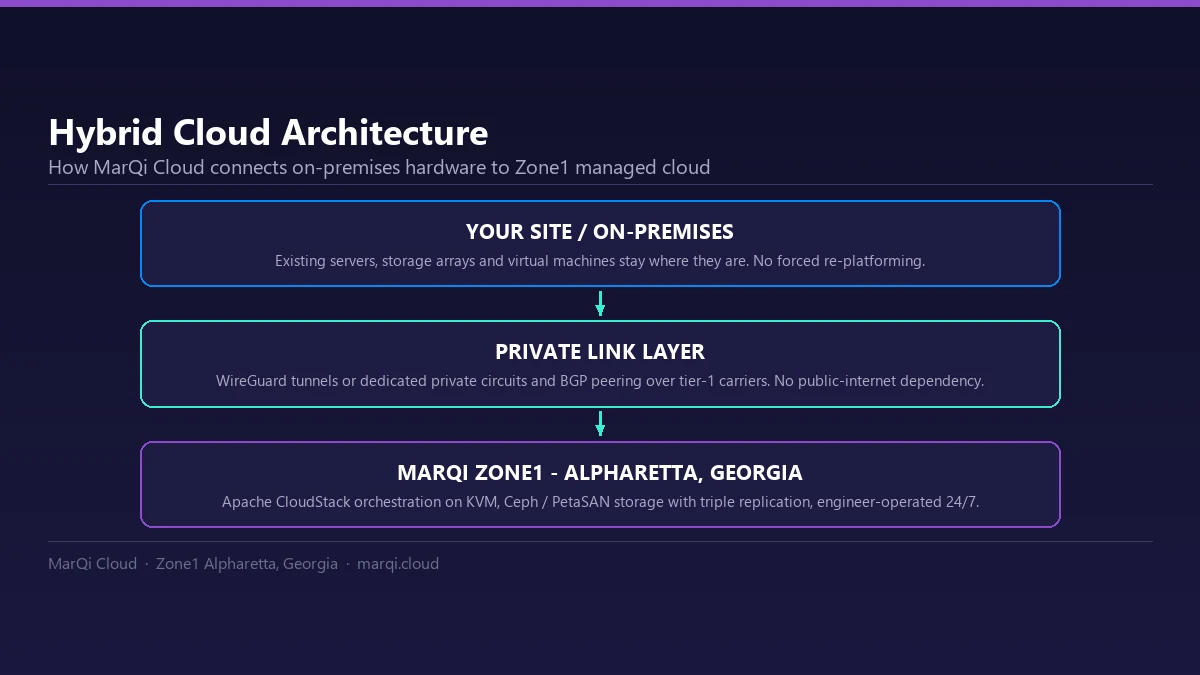
For organizations seeking to optimize their cloud operations, MarQi Cloud offers enterprise-grade cloud infrastructure and hybrid solutions tailored to meet the unique needs of businesses. Explore our hybrid cloud solutions and discover how we can support your DevOps initiatives.