The Complete Guide to Cloud Infrastructure for Logistics and Supply Chain Visibility
August 26, 2026
Why Agricultural Technology Companies Need Cloud Infrastructure for Precision Farming Data
August 27, 2026
How Cloud Hosting Supports Construction Project Management Platforms at Scale
In the fast-paced world of construction, effective project management is critical to success. With the increasing complexity of projects, the demand for robust construction project management platforms has never been higher. Cloud hosting has emerged as a game-changer, providing scalable, secure, and flexible solutions tailored to the needs of the construction industry. In this article, we will explore the multifaceted benefits of cloud hosting for construction project management platforms, diving into how it supports operations at scale, enhances collaboration, and drives efficiency.
Understanding Cloud Hosting
Cloud hosting refers to the use of a network of remote servers hosted on the Internet to store, manage, and process data, rather than a local server or a personal computer. This technology allows construction project management platforms to leverage powerful computing resources without the need for significant upfront investment in hardware. With major players like Amazon Web Services (AWS), Microsoft Azure, and Google Cloud dominating the market, companies can choose from various infrastructure and service models that meet their specific needs.
Benefits of Cloud Hosting for Construction Management
Cloud hosting offers numerous advantages that can significantly enhance construction project management:
- Enhanced Collaboration: Cloud-based platforms allow teams to collaborate in real-time, regardless of their physical location. This is particularly beneficial in construction, where teams are often dispersed across job sites, offices, and even different states.
- Centralized Data Management: All project-related information can be stored in a single, secure location, making it easy to access and manage documents, schedules, budgets, and communications. This reduces the risk of lost information and ensures that everyone is working with the most up-to-date data.
- Scalability: Construction projects can vary greatly in size and complexity. Cloud hosting allows organizations to scale their resources up or down as needed, accommodating fluctuations in project demands without the need for extensive infrastructure changes.
- Cost Efficiency: By leveraging cloud solutions, construction companies can significantly reduce their IT costs. There are no upfront hardware purchases, and organizations can opt for flexible pricing models that align with their usage.
- Improved Security: Leading cloud providers offer robust security measures, including encryption, access controls, and regular security audits, ensuring that sensitive project data is protected.
Key Features of Cloud-Based Project Management Tools
When selecting a cloud hosting solution for construction project management, it’s essential to consider the following features:
- Document Management: The ability to upload, share, and collaborate on documents in real-time is crucial. Tools like MarQi Cloud’s managed services can facilitate this process.
- Real-Time Reporting: Dashboards that provide real-time insights into project metrics, timelines, and budget performance help project managers make informed decisions quickly.
- Task Management: Features that allow teams to assign, track, and prioritize tasks can enhance productivity and accountability.
- Integration Capabilities: The ability to integrate with other software tools, such as accounting systems or design software, can streamline workflows and reduce errors.
- Mobile Access: Mobile-friendly platforms enable field workers to access project information on the go, ensuring they have the necessary tools and data at their fingertips.
Scalability and Flexibility in Construction Projects
One of the most significant advantages of cloud hosting is its scalability. Construction projects often experience changes in scope, timelines, and resources. Cloud solutions allow organizations to adjust their computing resources based on current needs:
| Resource Type | On-Premise Hosting | Cloud Hosting |
|---|---|---|
| Cost | High initial investment | Pay-as-you-go pricing |
| Scalability | Limited, requires hardware upgrades | Dynamic, scale up or down as needed |
| Maintenance | In-house management required | Managed by cloud provider |
| Accessibility | Limited to office location | Access from anywhere with internet |
This table highlights the stark differences between on-premise and cloud hosting solutions, emphasizing the flexibility that cloud solutions provide. For construction companies, this means the ability to adapt quickly to changing project demands, ensuring that resources are allocated efficiently.
Disaster Recovery and Business Continuity
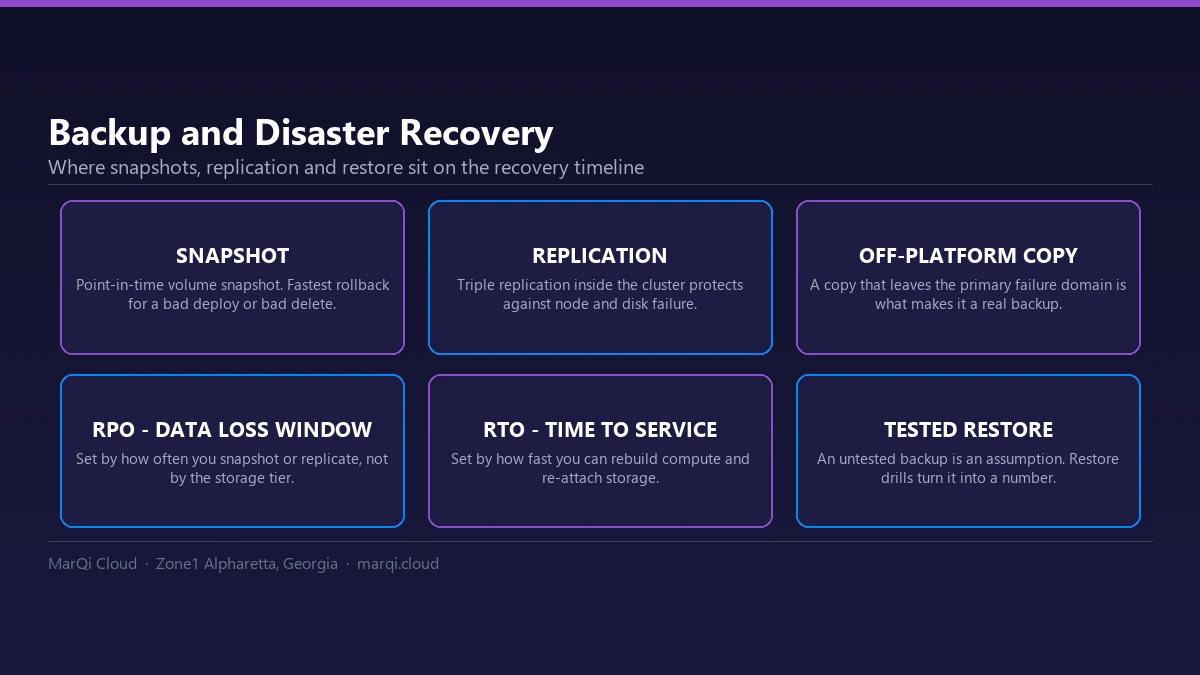
Disaster recovery is a critical concern for construction businesses, particularly those handling sensitive data or operating in regions prone to natural disasters. Cloud hosting provides robust disaster recovery solutions, enabling organizations to maintain business continuity in the face of unforeseen events.
Cloud providers typically offer backup solutions that automatically create copies of data in multiple locations. This redundancy ensures that, in the event of a disaster, project data can be restored quickly and operations can resume with minimal disruption. For a comprehensive understanding of disaster recovery strategies, refer to our detailed article on how MarQi Cloud handles disaster recovery.
Security in Cloud Hosting
Security is often a primary concern for companies considering cloud hosting. Construction projects involve sensitive information, including contracts, financial data, and personal information of employees and contractors. Therefore, it is vital to choose a cloud provider that prioritizes security. Key security features to look for include:
- Data Encryption: Ensures that data is unreadable to unauthorized users both at rest and in transit.
- Access Controls: Role-based access controls allow organizations to manage who has access to specific information.
- Regular Security Audits: Cloud providers should conduct regular security assessments to identify and mitigate potential vulnerabilities.
- Compliance Standards: Ensure that the cloud provider complies with relevant regulations, such as GDPR or HIPAA, depending on your industry.
Cost Management in Cloud Solutions
Cost management is a crucial aspect of any construction project. Cloud hosting can help organizations manage costs effectively through various pricing models:
- Pay-As-You-Go: Only pay for the resources you use, which is ideal for projects with fluctuating demands.
- Reserved Instances: Commit to using a certain level of resources for a lower rate, which can be beneficial for long-term projects.
- Free Tier Options: Some cloud providers offer free tiers for limited use, allowing companies to explore cloud hosting without immediate financial commitment.
By leveraging these pricing models, construction companies can optimize their budgets and allocate funds more effectively. For further insights into managing costs in cloud services, check out our article on egress fee elimination in cloud architecture.
Expert Insights: Implementing Cloud Solutions
Transitioning to a cloud-based project management platform requires careful planning and execution. Here are some expert tips to ensure a smooth implementation:
Additionally, consider the following steps:
- Select the Right Provider: Research various cloud providers to find one that aligns with your business goals and offers the features you need.
- Develop a Migration Plan: Outline a detailed plan for migrating data and applications to the cloud, including timelines and responsibilities.
- Train Your Team: Ensure that all users are trained on the new platform to maximize adoption and minimize disruption.
- Monitor Performance: After implementation, regularly monitor the platform’s performance and gather user feedback to make necessary adjustments.
Conclusion
Cloud hosting is revolutionizing the construction industry by providing scalable, secure, and cost-effective solutions for project management. With the ability to enhance collaboration, centralize data management, and improve disaster recovery, cloud-based platforms are essential for construction companies looking to stay competitive in today’s market. As businesses continue to adapt to new technologies, embracing cloud solutions will be critical for achieving operational excellence.
If your organization is ready to take the next step in cloud adoption, contact MarQi Cloud today for expert guidance on implementing cloud hosting solutions tailored to your construction project management needs.
FAQ
1. What is cloud hosting?
Cloud hosting refers to the use of remote servers to store and manage data, providing scalable and flexible resources over the internet.
2. How does cloud hosting benefit construction project management?
Cloud hosting enhances collaboration, centralizes data management, improves scalability, and offers cost-efficient solutions tailored to construction projects.
3. Is cloud hosting secure for sensitive construction data?
Yes, reputable cloud providers implement robust security measures, including encryption and access controls, to protect sensitive data.
4. What are the cost implications of cloud hosting?
Cloud hosting can be cost-effective due to flexible pricing models, allowing organizations to pay only for the resources they use.
5. How can I ensure a smooth transition to a cloud-based platform?
Conduct a needs assessment, develop a migration plan, train your team, and monitor performance after implementation for a smooth transition.
6. What are the key features to look for in cloud project management software?
Key features include document management, real-time reporting, task management, integration capabilities, and mobile access.
7. Can cloud hosting scale with project demands?
Yes, cloud hosting offers scalability, allowing organizations to adjust their resources based on current project needs.
8. How does disaster recovery work in cloud hosting?
Cloud providers typically offer backup solutions that create copies of data in multiple locations, ensuring quick recovery in case of disasters.