The Complete Guide to Benchmarking Cloud Providers with Real Workloads
September 7, 2026
The Complete Guide to Infrastructure as Code Best Practices for Enterprise Cloud
September 7, 2026
How Cloud Infrastructure Automation Reduces Human Error and Improves Consistency
In the rapidly evolving landscape of technology, organizations are increasingly turning to cloud infrastructure automation as a means to enhance operational efficiency and reliability. Cloud infrastructure automation minimizes human error and improves consistency by streamlining processes and ensuring that best practices are followed consistently. This article will explore how automation in cloud infrastructure can transform your organization’s IT operations, leading to greater stability and performance. We will discuss the key benefits of automation, practical strategies for implementation, and how MarQi Cloud’s solutions can help organizations achieve these goals.
The Importance of Cloud Infrastructure Automation
In today’s business environment, organizations are required to be agile and responsive to changing market conditions. Cloud infrastructure automation plays a crucial role in achieving this agility by enabling seamless deployment, scaling, and management of cloud resources. According to a report by Gartner, 75% of organizations will accelerate their cloud migration plans in 2021, highlighting the critical need for effective cloud strategies.
Automation not only enhances operational efficiency but is also essential for maintaining compliance and security standards. As organizations deploy more applications in the cloud, the risk of human error increases. By automating routine tasks, companies can reduce the potential for mistakes that can lead to security breaches or service outages.
Reducing Human Error with Automation
Human error is a significant factor in many IT incidents. Automation helps mitigate these risks through several key mechanisms:
- Standardization of Processes: Automation enforces standardized processes across the organization. This ensures that all team members follow the same protocols, reducing variability and the likelihood of mistakes.
- Elimination of Manual Tasks: By automating repetitive tasks, organizations can free up their IT staff to focus on more strategic initiatives. This reduces the chances of mistakes that can occur during manual processes.
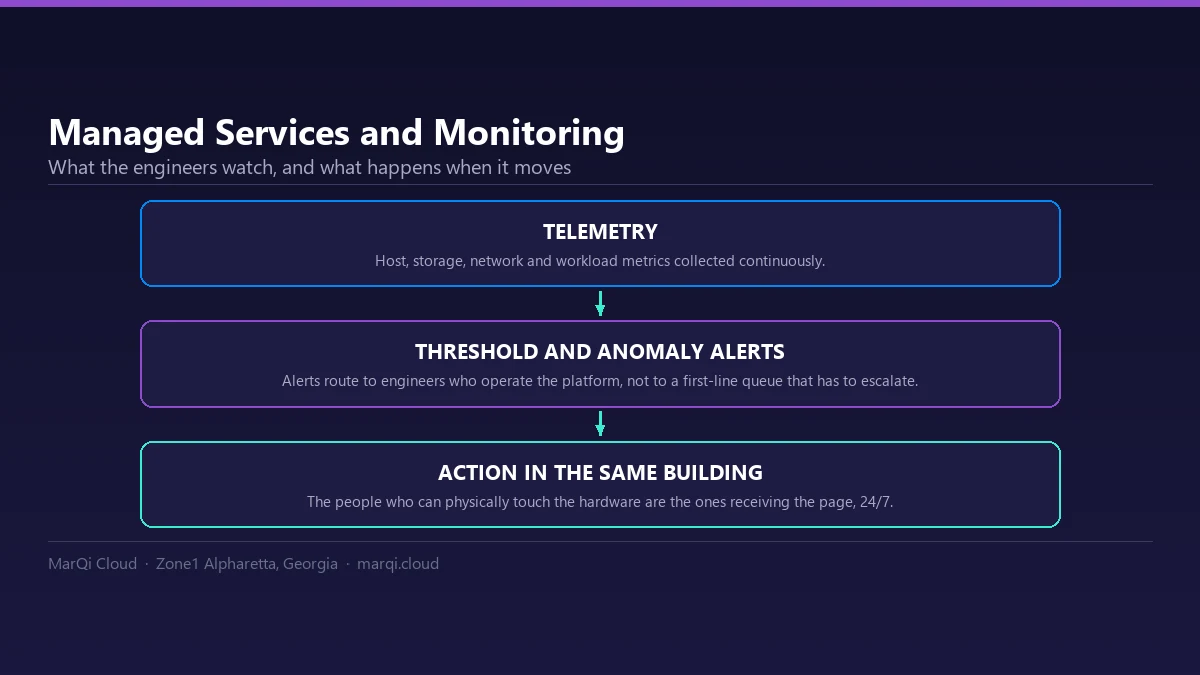
- Real-time Monitoring and Alerts: Automated systems can monitor infrastructure in real-time, identifying potential issues before they escalate into significant problems. This proactive approach minimizes downtime and service interruptions.
Example: Automated Backups
One of the most critical tasks in IT management is data backup. When performed manually, this process is prone to errors, such as forgetting to back up critical data or misconfiguring backup settings. By implementing automated backup solutions, organizations can ensure that data is consistently backed up without the need for human intervention. This not only reduces the risk of data loss but also ensures compliance with data retention policies.
Improving Consistency Through Automation
Consistency is vital for maintaining a reliable cloud environment. Automation helps organizations achieve greater consistency in several ways:
- Infrastructure as Code (IaC): IaC allows organizations to manage and provision infrastructure through code, ensuring that environments are consistently deployed. This eliminates discrepancies between development, testing, and production environments.
- Consistent Configuration Management: Automation tools can enforce configuration management policies across all cloud resources, ensuring that all systems adhere to the same security and performance standards.
- Streamlined Deployment Processes: Automated deployment pipelines reduce the risk of errors during application deployment. By using continuous integration/continuous deployment (CI/CD) practices, organizations can deploy changes more frequently and reliably.
Comparison Table: Manual vs. Automated Processes
| Aspect | Manual Processes | Automated Processes |
|---|---|---|
| Time Efficiency | High time investment due to manual tasks | Rapid execution with minimal human intervention |
| Error Rate | High potential for human error | Low error rate due to standardized execution |
| Consistency | Variable results based on human performance | Consistent outcomes across all tasks |
| Scalability | Difficult to scale without additional resources | Easy to scale as needs grow |
How MarQi Cloud Can Help
MarQi Cloud specializes in providing enterprise-grade cloud infrastructure solutions that prioritize security, scalability, and performance. Our hybrid cloud solutions are designed to minimize human error and improve consistency across your IT operations. With features such as:
- Private Cloud Hosting: Ensures secure and compliant environments tailored to your business needs.
- Cloud Migration Services: Streamline the transition to cloud infrastructure while minimizing risks associated with human error.
- Managed Services: Offload routine IT tasks to our expert team, allowing your organization to focus on strategic initiatives.
By leveraging MarQi Cloud’s solutions, organizations can effectively reduce the incidence of human error and enhance operational consistency. Our dedicated support team is available to assist you in implementing automation strategies tailored to your specific needs.
Practical Steps for Implementing Automation
Implementing cloud infrastructure automation requires a structured approach. Here are practical steps organizations can take to get started:
- Assess Current Processes: Conduct a thorough assessment of current IT processes to identify areas where automation can provide the most significant benefits.
- Choose the Right Tools: Select automation tools that align with your organization’s goals and integrate well with existing infrastructure. Popular tools include Terraform for IaC, Jenkins for CI/CD, and Ansible for configuration management.
- Develop Automation Scripts: Create scripts to automate repetitive tasks, ensuring they are well-documented for future reference.
- Test and Validate: Before deploying automation solutions in production, conduct thorough testing to ensure they perform as expected and do not introduce new risks.
- Monitor and Optimize: Continuously monitor automated processes and optimize them as needed to ensure they remain efficient and effective.
Case Studies and Examples
To illustrate the effectiveness of cloud infrastructure automation, let’s explore a couple of case studies:
Case Study 1: Financial Services Firm
A leading financial services firm faced challenges with manual server provisioning, leading to inconsistent environments and increased downtime. By implementing an automated provisioning solution using IaC, the firm reduced provisioning times from days to minutes, significantly improving consistency and reliability.
Case Study 2: E-commerce Company
An e-commerce company struggled with manual deployment processes that resulted in frequent outages during peak shopping seasons. By adopting CI/CD practices and automating their deployment pipeline, the company achieved a 99.9% uptime and improved customer satisfaction ratings.
FAQ
What is cloud infrastructure automation?
Cloud infrastructure automation refers to the use of technology to automate the management, deployment, and scaling of cloud resources, reducing the need for human intervention.
How does automation reduce human error?
Automation minimizes human error by standardizing processes, eliminating manual tasks, and providing real-time monitoring, which helps prevent mistakes before they escalate.
What are the benefits of using Infrastructure as Code (IaC)?
IaC allows for consistent and repeatable infrastructure deployments, reducing discrepancies between environments and simplifying management processes.
Can automation improve compliance and security?
Yes, automation can enhance compliance and security by enforcing consistent configurations and enabling real-time monitoring for potential security threats.
What tools are commonly used for cloud automation?
Popular tools for cloud automation include Terraform, Ansible, Jenkins, and AWS CloudFormation.
How can MarQi Cloud assist with automation?
MarQi Cloud offers tailored solutions, including private cloud hosting and managed services, to help organizations implement effective automation strategies.
Is automation suitable for all organizations?
While automation can benefit most organizations, its implementation should be tailored to fit specific business needs and IT environments.
What are the costs associated with implementing automation?
Costs can vary widely depending on the chosen tools, the complexity of the automation processes, and the existing infrastructure. It’s essential to conduct a cost-benefit analysis before implementation.
Conclusion
Cloud infrastructure automation is a powerful tool for reducing human error and improving consistency in IT operations. By adopting automation strategies, organizations can enhance their operational efficiency, ensure compliance, and ultimately deliver better services to their customers. MarQi Cloud is dedicated to helping businesses navigate the complexities of cloud infrastructure automation with our enterprise-grade solutions. Reach out to us today to learn how we can assist you in your automation journey.