Aligning Cloud Provider Technology Roadmaps with Business Strategy
September 7, 2026
The Complete Guide to Benchmarking Cloud Providers with Real Workloads
September 7, 2026
Why Understanding Cloud Provider Network Architecture Predicts Performance
In today’s digital landscape, selecting the right cloud provider is crucial for any organization aiming to leverage cloud computing’s potential. An often-overlooked aspect of this decision is understanding the cloud provider’s network architecture. This knowledge is pivotal in predicting performance, optimizing costs, and ensuring reliable service delivery. In this article, we will delve into why understanding cloud provider network architecture is essential for anticipating performance, how it impacts your business operations, and actionable insights to make informed decisions.
What is Cloud Provider Network Architecture?
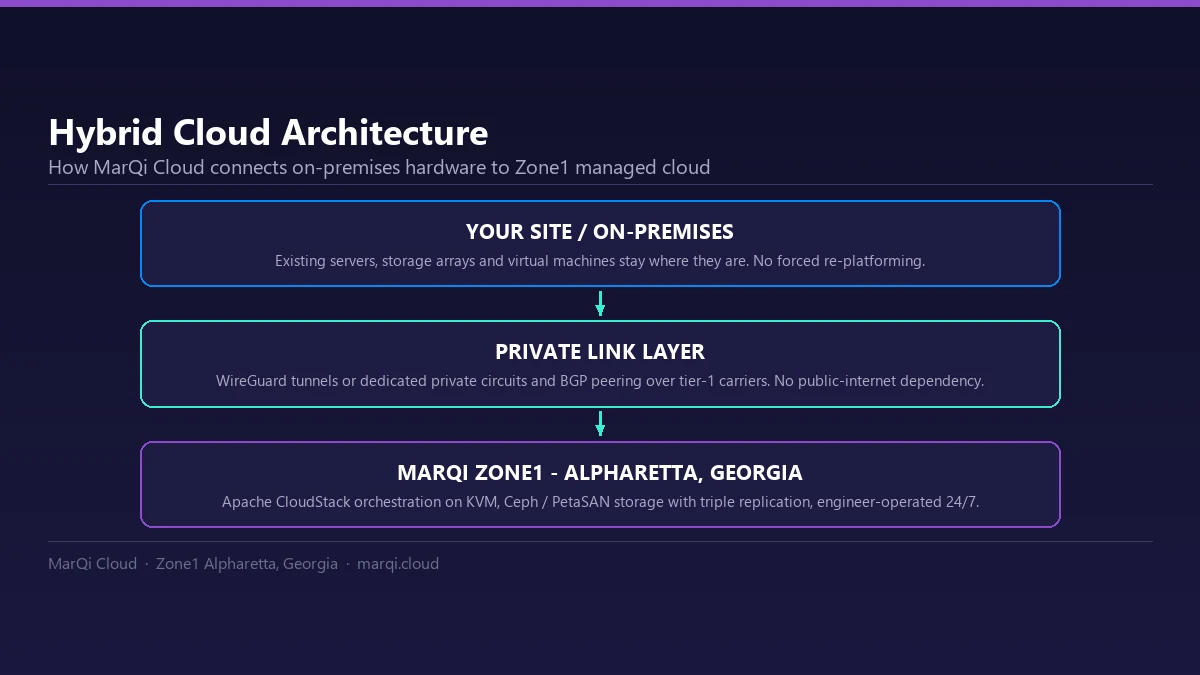
Cloud provider network architecture refers to the design and structure of the network elements that make up a cloud service provider’s infrastructure. This includes data centers, network devices, connectivity options, and the protocols used to manage data flow. Understanding this architecture is crucial for businesses that rely on cloud services for their operations.
The Importance of Network Architecture in Cloud Performance
Network architecture plays a significant role in determining the performance of cloud services. A well-designed network can lead to lower latency, higher throughput, and improved reliability. Conversely, a poorly designed network can result in bottlenecks, outages, and degraded performance.
According to a report by the National Institute of Standards and Technology (NIST), network performance directly affects application performance, user experience, and ultimately, business outcomes. Therefore, understanding the nuances of your cloud provider’s network architecture is essential for making informed decisions.
Key Components of Cloud Network Architecture
To grasp how network architecture affects performance, let’s explore its key components:
- Data Centers: The physical locations where cloud services are hosted. Proximity to users can significantly impact latency.
- Network Devices: Routers, switches, and firewalls that facilitate data transfer. Their configuration can influence data flow and security.
- Connectivity Options: The methods by which data is transmitted, including public internet, private connections, and direct peering.
- Protocols: The rules governing data transmission, such as TCP/IP and HTTP. Efficient protocols can enhance data transfer speeds and reliability.
Comparison Table: Network Architecture Components
| Component | Description | Impact on Performance |
|---|---|---|
| Data Centers | Physical locations for hosting services | Proximity affects latency |
| Network Devices | Routers, switches, firewalls | Configuration influences speed and security |
| Connectivity Options | Public internet, private connections | Direct connections reduce latency |
| Protocols | Rules for data transmission | Efficient protocols enhance speed |
How to Evaluate Cloud Provider Network Architecture
When assessing a cloud provider’s network architecture, consider the following steps:
- Analyze Data Center Locations: Look for providers with data centers close to your user base to minimize latency.
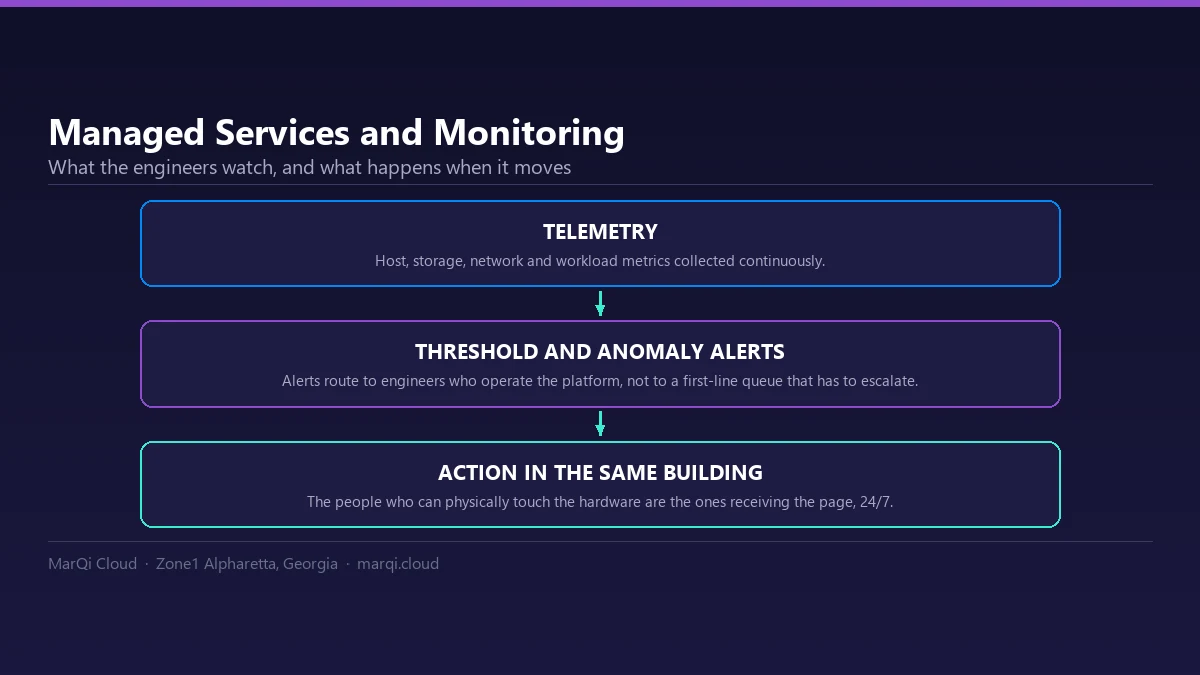
- Examine Network Redundancy: Ensure the provider has redundant pathways and failover mechanisms to enhance reliability.
- Evaluate Connectivity Options: Check for options like direct connections and peering that can improve performance.
- Review Performance Metrics: Request data on latency, uptime, and throughput to gauge the provider’s performance.
- Consider Security Measures: Ensure the network architecture includes robust security protocols to protect your data.
Impact on Performance and Cost
The interplay between network architecture and performance can directly affect costs. For instance, a provider with a robust network architecture may offer lower latency and higher speeds, which can enhance user experience and productivity.
Moreover, understanding the network architecture can help you avoid unexpected charges. Providers that impose egress fees for data transfer can lead to significant costs if you’re not aware of how data flows in and out of their network. MarQi Cloud, for instance, offers zero egress fees, allowing for predictable pricing and easier budgeting for enterprises.
Best Practices for Choosing a Cloud Provider
To ensure you select a cloud provider with a network architecture that meets your needs, follow these best practices:
- Conduct Thorough Research: Investigate multiple providers and compare their network architectures.
- Request a Network Map: A detailed map can help you visualize the provider’s architecture.
- Engage in a Trial Period: Test the services to assess performance before committing.
- Consult with Experts: Leverage expertise from IT professionals or consultants to evaluate options.
Case Studies: Real-World Examples
Understanding network architecture has proven beneficial for many organizations. For instance, a healthcare provider that switched to a cloud service with a well-structured network architecture experienced a 30% reduction in application load time, significantly enhancing patient satisfaction. This case illustrates how network architecture directly correlates with performance outcomes.
Another example involves a fintech company that chose a cloud provider with direct peering capabilities. This decision led to a 25% decrease in latency, enabling faster transactions and improved customer experiences.
Frequently Asked Questions
What is cloud provider network architecture?
Cloud provider network architecture refers to the design of the network elements that make up a cloud service provider’s infrastructure, including data centers and connectivity options.
Why is understanding network architecture important?
Understanding network architecture helps predict performance, optimize costs, and ensure reliable service delivery.
How does network architecture affect performance?
A well-designed network can lead to lower latency, higher throughput, and improved reliability, while a poorly designed network can result in bottlenecks and outages.
What should I look for when evaluating a cloud provider’s network?
Consider data center locations, network redundancy, connectivity options, performance metrics, and security measures.
How can network architecture impact costs?
Providers with robust network architectures may offer lower latency and higher speeds, enhancing user experience and productivity, while unexpected charges may arise from egress fees.
What are the best practices for choosing a cloud provider?
Conduct research, request network maps, engage in trial periods, and consult with experts.
Can network architecture influence data security?
Yes, robust network architecture includes security protocols that protect data from breaches and attacks.
What are some common network architecture components?
Key components include data centers, network devices, connectivity options, and protocols.
Conclusion
Understanding cloud provider network architecture is not merely a technical detail; it is a strategic advantage that can significantly impact your organization’s performance and cost management. By analyzing key components, evaluating options, and adhering to best practices, businesses can make informed decisions that enhance their cloud experience. For enterprise-grade cloud solutions, consider MarQi Cloud, where our commitment to performance and security shines through our robust network architecture.