Disaster Recovery for Hybrid Cloud: A Practical Runbook (Snapshots, Backups, HA)
February 19, 2026
Secure VPC Access with WireGuard VPN: Best Practices for IT Teams
February 20, 2026
What is Cloud Tax?
Cloud Tax refers to the hidden costs associated with using public cloud services that can lead to budget overruns.
Cloud Tax Explained: Hidden Costs That Break Public-Cloud Budgets
In today’s digital landscape, businesses are increasingly relying on cloud computing to drive innovation, agility, and efficiency. However, as organizations migrate to the cloud, many encounter unexpected expenses that can significantly impact their budgets. This phenomenon is often referred to as ‘Cloud Tax.’ In this article, we will delve deep into what Cloud Tax is, how it manifests in public cloud environments, and strategies to mitigate its impact on your organization.
What Is Cloud Tax and Where Does It Hide?
Cloud Tax refers to the hidden costs associated with using public cloud services that can lead to budget overruns. These costs can arise from various factors, including poor resource management, lack of visibility, and the complexities of cloud pricing models. While the initial allure of public cloud services often centers around their perceived cost-effectiveness, the reality can be quite different if organizations do not manage their cloud environments effectively.
The Allure of Public Cloud Services
Public cloud services offer numerous advantages, such as scalability, flexibility, and reduced upfront capital expenditures. These benefits make it tempting for organizations to migrate their workloads to the cloud. However, many businesses fail to fully understand the pricing structures and potential pitfalls associated with these services.
Common Causes of Cloud Tax
There are several factors that contribute to Cloud Tax. Below, we explore the most common causes that can lead to unexpected expenses:
1. Overprovisioning Resources
One of the most prevalent issues organizations face is overprovisioning. In an effort to ensure performance, businesses often allocate more resources than necessary, leading to inflated costs. For example, provisioning larger virtual machines or additional storage can result in significant monthly charges that may not align with actual usage.
2. Underutilization of Resources
Conversely, underutilization is another significant contributor to Cloud Tax. Many organizations leave resources running even when they are not in use, such as idle virtual machines or unused storage volumes. This ‘pay-as-you-go’ model can quickly escalate costs, especially when resources are not actively monitored and managed.
3. Complex Pricing Models
Public cloud providers often have complex pricing structures that can be difficult to navigate. Factors such as data transfer fees, API usage, and additional service charges can add up quickly. Organizations may find themselves facing unexpected charges due to a lack of understanding of these pricing models.
4. Lack of Monitoring and Visibility
Without proper monitoring tools and processes in place, organizations may struggle to gain visibility into their cloud spending. This lack of insight can lead to uncontrolled costs and hinder the ability to optimize resource usage. Regularly tracking and analyzing cloud expenditures is crucial to avoid the pitfalls of Cloud Tax.
5. Unmanaged Data Egress Costs
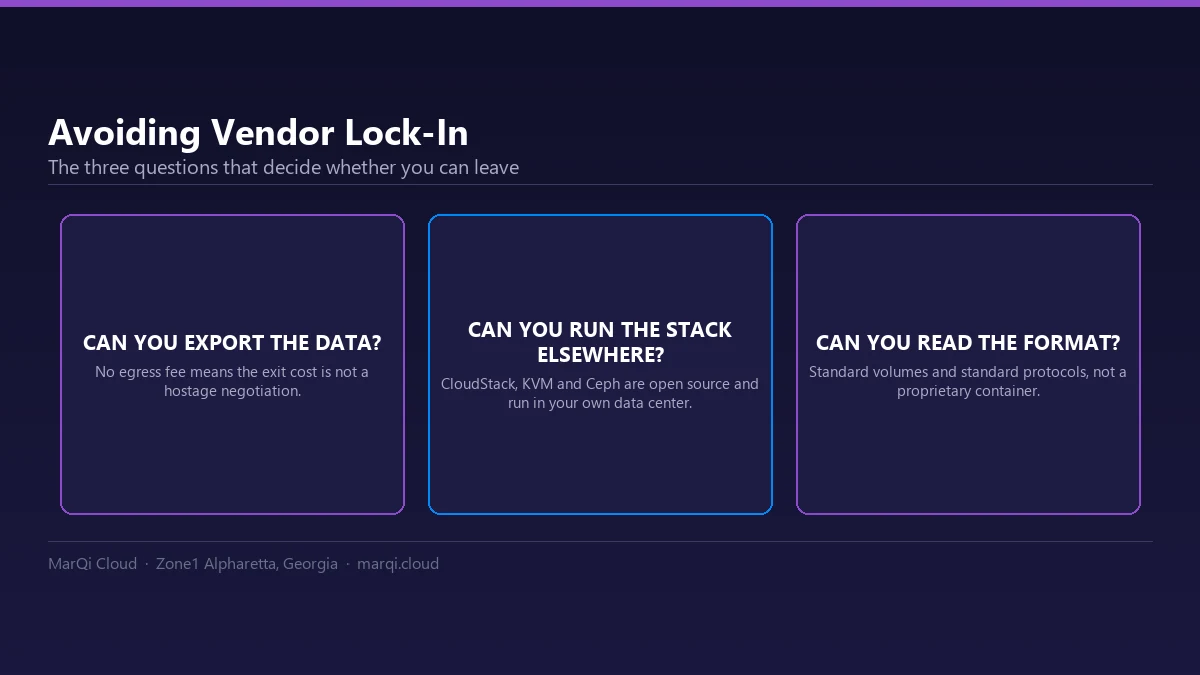
Data egress costs, or charges associated with transferring data out of the cloud, can significantly impact budgets. Organizations that do not account for these costs may face unexpected bills when moving data between cloud providers or back on-premises. It’s essential to understand how data transfer fees work and plan accordingly.
Mitigating Cloud Tax
While Cloud Tax can pose significant challenges, there are strategies organizations can implement to mitigate its impact:
1. Implementing Cost Management Tools
Utilizing cloud cost management tools can provide organizations with insights into their spending patterns. These tools help identify underutilized resources and offer recommendations for optimization. By actively monitoring expenses, organizations can make informed decisions to reduce costs.
2. Regularly Reviewing Resource Usage
Conducting regular audits of cloud resources can help identify overprovisioned or underutilized assets. By aligning resources with actual business needs, organizations can avoid unnecessary expenditures. Establishing a culture of accountability around cloud usage is essential.
3. Educating Teams on Cloud Costs
Educating teams about the costs associated with cloud services is vital to avoiding Cloud Tax. By fostering a better understanding of pricing models and potential pitfalls, organizations can empower employees to make cost-effective decisions when using cloud resources.
4. Leveraging Reserved Instances
For predictable workloads, leveraging reserved instances can lead to significant cost savings. By committing to a certain level of usage for a specified period, organizations can benefit from lower rates compared to on-demand pricing. On-demand self-service and measured service are two of the five essential characteristics in NIST SP 800-145, the standard definition of cloud computing, and they are also where the metering that produces these bills comes from.
5. Planning for Data Transfer Costs
When designing cloud architectures, it’s crucial to account for data transfer costs. By minimizing data egress and optimizing data storage solutions, organizations can reduce unexpected charges associated with moving data.
Conclusion
As businesses continue to embrace cloud computing, understanding and managing the hidden costs associated with public cloud services becomes imperative. Cloud Tax can significantly impact budgets if left unaddressed. By implementing effective cost management strategies and fostering a culture of accountability around cloud usage, organizations can mitigate the risks associated with Cloud Tax and fully leverage the benefits of cloud technology.
FAQ
What is Cloud Tax?
Cloud Tax refers to the hidden costs associated with using public cloud services that can lead to budget overruns.
How can organizations avoid overprovisioning resources?
Regularly review resource usage and align resources with actual business needs to avoid overprovisioning.
What are data egress costs?
Data egress costs are charges associated with transferring data out of the cloud, which can impact budgets significantly.
What tools can help manage cloud costs?
Cloud cost management tools can provide insights into spending patterns and help identify areas for optimization.
How can education help mitigate Cloud Tax?
Educating teams about the costs associated with cloud services empowers them to make cost-effective decisions.
What are reserved instances?
Reserved instances are a pricing model that allows organizations to commit to a certain level of usage for a specified period to benefit from lower rates.
Why is monitoring cloud spending important?
Monitoring cloud spending is crucial to gain visibility into costs and to make informed decisions to avoid unnecessary expenditures.
How often should organizations review their cloud resources?
Organizations should conduct regular audits of their cloud resources, ideally on a monthly or quarterly basis, to ensure optimal usage.
Can underutilization lead to budget overruns?
Yes, underutilization can result in inflated costs as organizations may leave resources running that are not actively in use.
What is the impact of complex pricing models on cloud budgets?
Complex pricing models can lead to unexpected charges if organizations do not fully understand the costs associated with various cloud services.