Migrating from VMware to KVM: A Step-by-Step Transition Plan
February 21, 2026
LLM Hosting on Private Infrastructure: Security, Cost, and Performance
February 21, 2026
Colocation and Cloud Fabric: Keeping Data Gravity Close to Compute
Introduction
In today’s data-driven world, businesses are continually seeking ways to optimize their IT infrastructure. With the explosion of data generation and the increasing need for real-time processing, the concept of ‘data gravity’ has become more relevant than ever. Data gravity refers to the phenomenon where large amounts of data attract applications and services that depend on that data for processing. To effectively manage this data gravity, companies are turning to colocation and cloud fabric solutions. In this article, we will explore how colocation combined with cloud fabric can keep data gravity close to compute, enhancing performance and efficiency.
Understanding Data Gravity
Data gravity is an essential concept for IT infrastructure. Just as physical gravity pulls objects toward one another, data gravity pulls applications and services closer to the data they utilize. This attraction can lead to a number of challenges, such as latency issues and increased costs when data must be transferred over long distances.
The Impact of Data Gravity
When data is stored in a remote location, applications accessing that data can experience delays due to latency. This can hinder performance and slow down business operations. Additionally, moving large volumes of data across networks can incur significant costs, leading businesses to seek more efficient solutions.
Colocation: An Overview
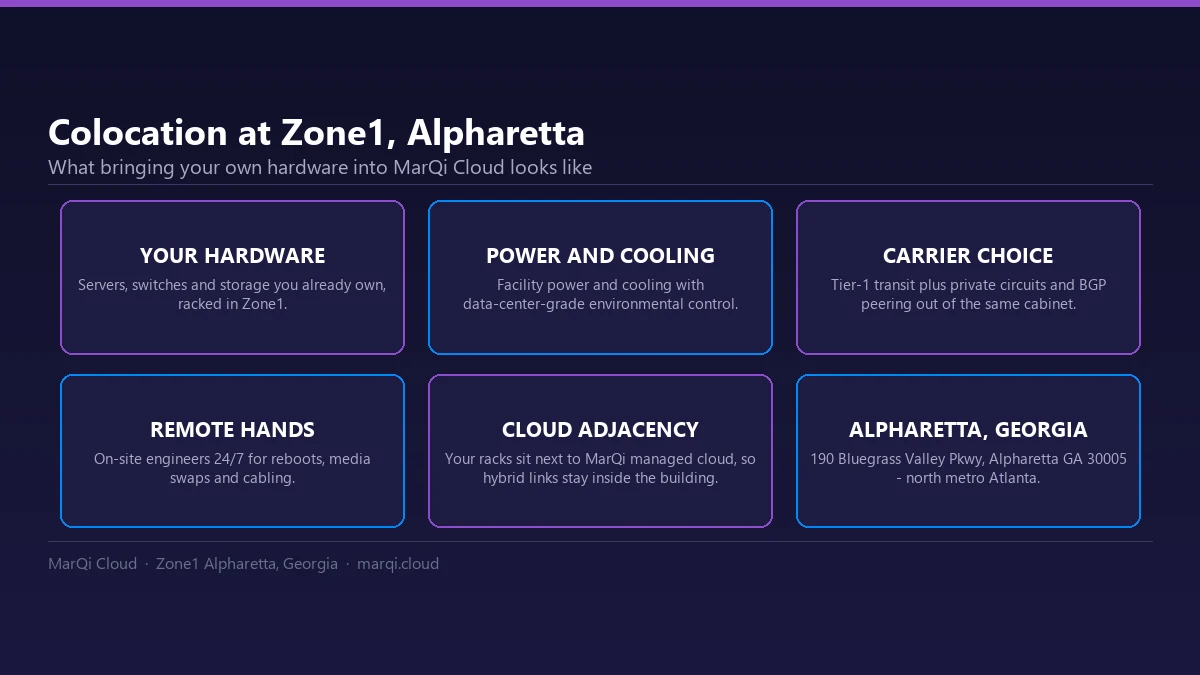
Colocation is a hosting solution where businesses can rent space in a data center to house their servers and networking equipment. This approach provides several benefits, including enhanced security, reliability, and scalable resources.
Benefits of Colocation
- Improved Performance: By placing servers closer to the data, companies can reduce latency and improve application performance.
- Enhanced Security: Colocation facilities often provide advanced security measures, ensuring that data is protected from unauthorized access.
- Scalability: Businesses can easily scale their infrastructure as their needs grow, accommodating increasing amounts of data.
- Cost-Effectiveness: Colocation can be more cost-effective than maintaining an in-house data center, especially for small to medium-sized businesses.
Cloud Fabric: What You Need to Know
Cloud fabric refers to the integration of various cloud services, allowing for seamless connectivity and data management across multiple environments. It provides a framework for building, deploying, and managing applications in a hybrid cloud environment.
Advantages of Cloud Fabric
- Flexibility: Cloud fabric enables businesses to choose the best cloud services for their needs, facilitating a hybrid cloud model.
- Interoperability: Different cloud environments can work together, allowing for efficient data transfer and application deployment.
- Enhanced Collaboration: Teams can collaborate more effectively with a unified platform that integrates various services and applications.
Colocation + Cloud Fabric: A Powerful Combination
Combining colocation with cloud fabric creates a powerful infrastructure solution that addresses the challenges posed by data gravity. This integration allows businesses to keep their data close to compute resources, improving efficiency while reducing latency.
How They Work Together
When businesses utilize colocation alongside cloud fabric, they can effectively manage data gravity by:
- Storing Data Locally: Colocation allows businesses to store their data in proximity to their cloud resources, minimizing latency.
- Seamless Integration: Cloud fabric enables different services to communicate efficiently, ensuring that applications can access data quickly.
- Dynamic Resource Allocation: Businesses can allocate resources on-demand, ensuring that they have adequate compute capacity to handle data processing needs.
Implementing Colocation and Cloud Fabric
To successfully implement a colocation and cloud fabric strategy, businesses should consider the following steps:
1. Assess Your Needs
Evaluate your current infrastructure, data requirements, and performance goals. Understand how much data you generate and how often it needs to be accessed.
2. Choose the Right Colocation Provider
Select a colocation provider that offers enterprise-grade infrastructure, security, and support. MarQi Cloud, for instance, provides private and secure hosting environments tailored to business needs.
3. Design Your Cloud Fabric
Work with your IT team to design a cloud fabric that integrates your existing applications and services with the new colocation environment.
4. Test and Optimize
Before full deployment, conduct tests to ensure that data flows seamlessly between your colocation facility and cloud services. Optimize configurations as needed.
Real-World Applications
Many businesses have successfully implemented colocation and cloud fabric strategies to address data gravity challenges. For instance:
Case Study 1: Financial Services
A financial services company required real-time access to large datasets for trading purposes. By colocating their servers near cloud resources, they achieved significantly lower latency, resulting in better trading performance.
Case Study 2: E-commerce
An e-commerce platform integrated colocation with cloud fabric to manage customer data and transactions. This setup allowed for rapid scaling during peak shopping seasons while maintaining high performance.
Conclusion
As businesses continue to navigate the complexities of data management, the combination of colocation and cloud fabric offers a powerful solution to keep data gravity close to compute. By leveraging these technologies, organizations can enhance performance, reduce costs, and ensure that their data-driven applications function optimally. If you are considering a colocation and cloud fabric strategy, contact MarQi Cloud at +1 770-369-9321 to learn how our enterprise-grade infrastructure can support your needs.
Frequently Asked Questions (FAQ)
1. What is data gravity?
Data gravity refers to the tendency of large amounts of data to attract applications and services that depend on that data for processing.
2. How does colocation improve performance?
Colocation places servers closer to the data, reducing latency and enhancing application performance.
3. What are the benefits of cloud fabric?
Cloud fabric offers flexibility, interoperability, and enhanced collaboration across different cloud environments.
4. How can I assess my data needs?
Evaluate your current infrastructure and analyze how much data you generate and access regularly.
5. What should I look for in a colocation provider?
Look for enterprise-grade infrastructure, security measures, and responsive support from your colocation provider.
6. Can I scale my resources with colocation?
Yes, colocation allows for easy scalability to accommodate growing infrastructure needs.
7. How do I test my colocation and cloud fabric integration?
Conduct tests to ensure data flows seamlessly between your colocation facility and cloud services, optimizing configurations as needed.
8. What industries benefit from colocation and cloud fabric?
Various industries, including finance, e-commerce, and healthcare, benefit from these solutions by improving data processing and access.
9. How can I start implementing colocation and cloud fabric?
Begin by assessing your needs, choosing the right provider, designing your cloud fabric, and testing before full deployment.
10. How can MarQi Cloud help with colocation and cloud fabric?
MarQi Cloud offers enterprise-grade cloud infrastructure and support, helping businesses integrate colocation and cloud fabric effectively.