The Complete Guide to Cloud Data Warehouse Solutions for Business Analytics
September 15, 2026
How Cloud Data Classification Tools Help Meet Compliance Requirements
September 16, 2026
Understanding Data Gravity: How It Affects Your Cloud Infrastructure Hosting
In the ever-evolving landscape of cloud computing, the concept of data gravity has emerged as a critical factor influencing where organizations should host their cloud infrastructure. As businesses increasingly rely on data-driven decision-making, understanding the implications of data gravity on cloud hosting choices becomes essential for optimal performance, security, and scalability. This article delves into the nuances of data gravity, its impact on cloud infrastructure, and why choosing the right hosting environment is vital for your organization’s success.
What is Data Gravity?
Data gravity refers to the phenomenon where large volumes of data attract applications and services to the location where the data resides. This concept is crucial for organizations as it directly influences performance, latency, and costs associated with cloud infrastructure. When data is stored in a specific location, it becomes increasingly difficult and costly to move it elsewhere, leading to what is known as data lock-in. In essence, the more data you accumulate, the more it pulls additional resources and applications toward it.
For example, if your organization hosts critical customer data in a cloud environment, the applications that need to process this data will also need to operate within the same environment to minimize latency and maximize efficiency. This is why understanding data gravity is essential when planning your cloud infrastructure strategy.
The Impact of Data Gravity on Cloud Infrastructure
Data gravity has several significant implications for cloud infrastructure:
- Performance: Hosting applications close to the data they need to access reduces latency and improves performance. When applications and data are geographically separated, the time taken to transfer data increases, which can hinder real-time processing and analytics.
- Cost: Moving large datasets between cloud providers can incur substantial egress fees, particularly if you are using a public cloud provider. Understanding data gravity can help you avoid unexpected costs by ensuring that your applications remain close to your data.
- Compliance: Many organizations must adhere to strict data governance regulations, which may dictate where data can be stored and processed. Data gravity can complicate compliance efforts if data is spread across multiple locations or cloud providers.
- Scalability: As your organization grows, the amount of data you generate and store will also increase. Understanding data gravity helps you plan for scalable solutions that can accommodate your future data needs without incurring prohibitive costs or performance hits.
For more insights on how to manage data effectively, consider exploring our article on cloud storage cost analysis.
Why Choose a Secure Hosting Solution?
When considering cloud infrastructure, security is paramount. A secure hosting solution provides the necessary safeguards to protect sensitive data from breaches, unauthorized access, and other cyber threats. Here are several reasons why secure hosting is crucial:
- Data Protection: Secure hosting solutions often include robust encryption, access controls, and regular security audits to protect your data from unauthorized access.
- Compliance Assurance: Many industries are subject to strict regulations concerning data security. A secure hosting solution can help ensure compliance with standards such as HIPAA, GDPR, and PCI DSS.
- Business Continuity: Secure hosting solutions often include disaster recovery capabilities, ensuring that your data is backed up and can be restored in the event of an incident.
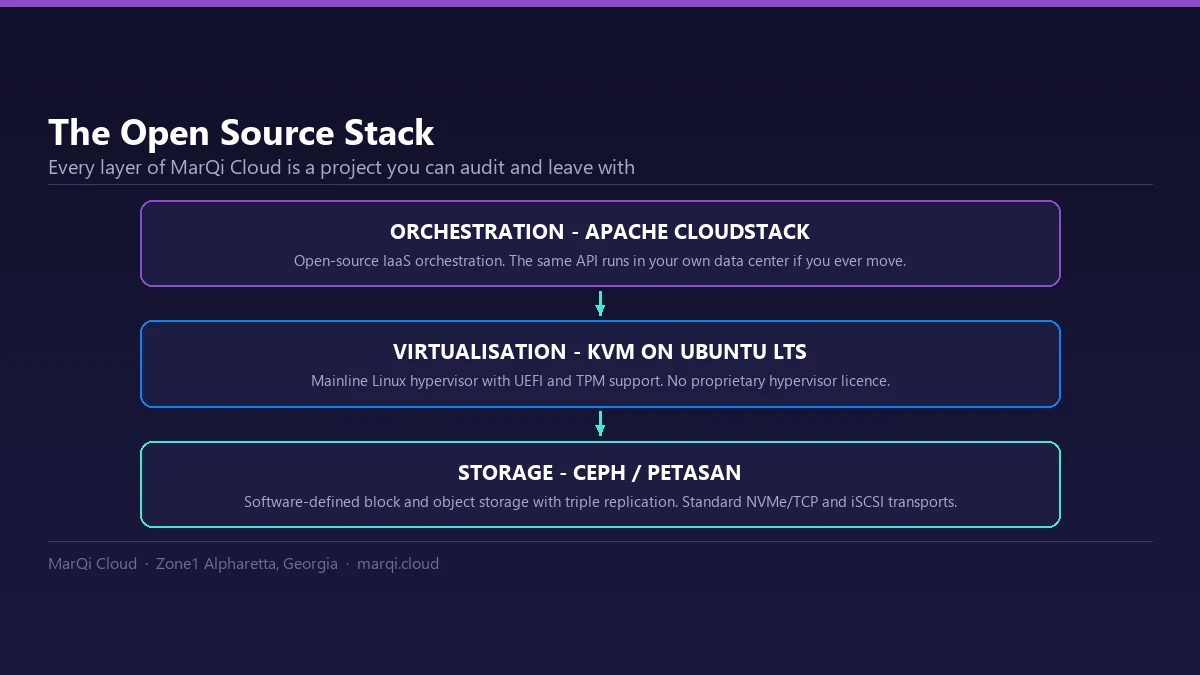
In the context of data gravity, choosing a secure hosting solution becomes even more critical. As your data grows, so does the need for stringent security measures to protect it. MarQi Cloud specializes in secure enterprise hosting, offering tailored solutions to meet your organization’s specific needs.
Navigating Data Gravity in Cloud Hosting
To effectively navigate data gravity in cloud hosting, organizations should consider the following strategies:
- Centralize Your Data: Aim to keep your critical data in one primary location. Centralizing your data can enhance performance and reduce latency, making it easier for applications to access the data they need.
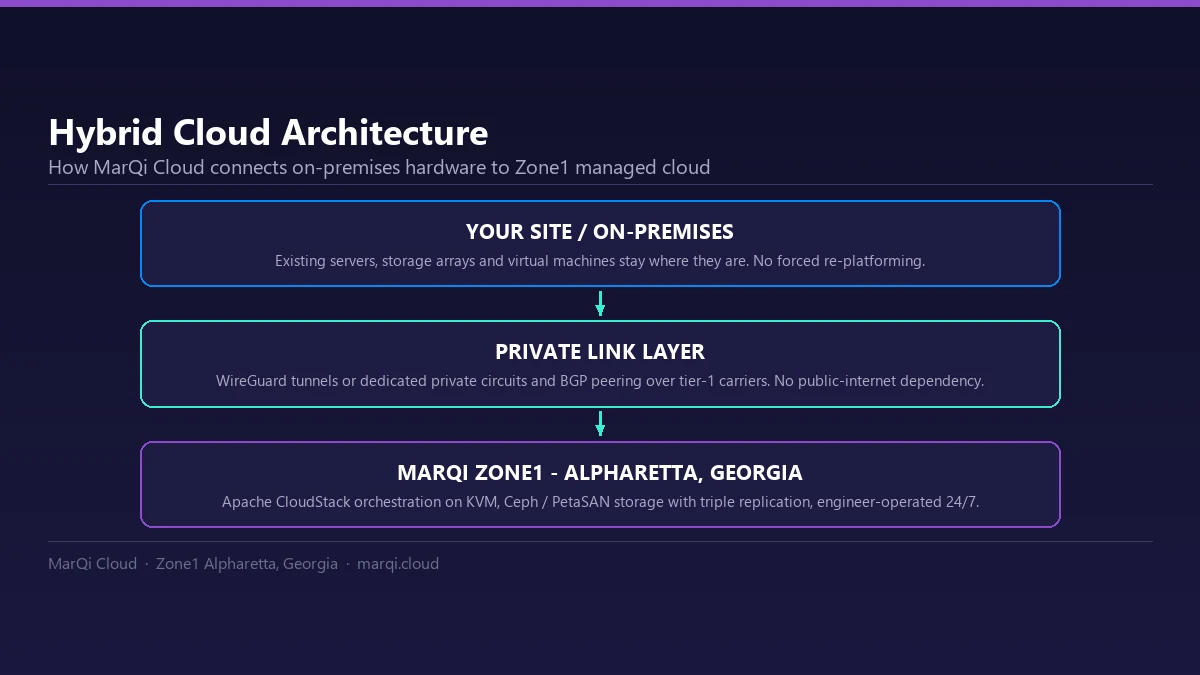
- Choose the Right Cloud Provider: Select a cloud provider that offers flexible deployment models, including hybrid cloud and private cloud options. This flexibility can help you manage data gravity more effectively.
- Leverage Edge Computing: Consider utilizing edge computing solutions to process data closer to where it is generated. This can help alleviate some of the challenges associated with data gravity by minimizing latency.
- Implement Data Governance Policies: Establish clear data governance policies that outline how data is stored, accessed, and managed. This can help ensure compliance and protect sensitive information.
Comparing Cloud Infrastructure Options
When evaluating cloud infrastructure options, it is essential to compare various hosting solutions based on key factors such as performance, cost, scalability, and security. Below is a comparison table that outlines the differences between public cloud, private cloud, and hybrid cloud solutions:
| Factor | Public Cloud | Private Cloud | Hybrid Cloud |
|---|---|---|---|
| Cost | Pay-as-you-go model; potentially high egress fees | Higher upfront costs; predictable pricing | Combination of both; flexible pricing |
| Performance | Variable depending on network conditions | Consistent performance; low latency | Optimized for specific workloads |
| Security | Standard security measures; shared resources | Dedicated resources; enhanced security | Varies; can leverage both security models |
| Scalability | Highly scalable; rapid provisioning | Limited by physical resources | Scalable; can adjust resources as needed |
This comparison highlights the importance of matching your cloud infrastructure choice with your organization’s specific needs, particularly in relation to data gravity. For instance, organizations with substantial data processing requirements may benefit from the performance and security of a private cloud, while those seeking flexibility might lean toward a hybrid cloud approach.
Expert Tips for Cloud Hosting
Here are additional expert tips to consider:
- Utilize Multi-Cloud Strategies: Implementing a multi-cloud strategy can help mitigate the risks associated with data gravity by distributing data across multiple cloud providers, enhancing resilience and flexibility.
- Monitor Data Usage: Regularly monitor data usage and access patterns to identify potential bottlenecks or inefficiencies that may arise from data gravity.
- Stay Informed about Regulatory Changes: Keep up with changes in data governance regulations that may impact how and where you store your data.
FAQ
What is data gravity?
Data gravity refers to the tendency of large volumes of data to attract applications and services to their location, affecting performance and costs.
How does data gravity impact cloud infrastructure?
Data gravity impacts cloud infrastructure by influencing latency, costs, compliance, and scalability of cloud services.
Why is security important in cloud hosting?
Security is crucial in cloud hosting to protect sensitive data from breaches and to ensure compliance with regulations.
What are the benefits of hybrid cloud solutions?
Hybrid cloud solutions offer flexibility, allowing organizations to leverage both public and private cloud environments for optimal performance and cost management.
How can I minimize the effects of data gravity?
Minimizing the effects of data gravity can be achieved by centralizing data, choosing the right cloud provider, and implementing edge computing solutions.
What factors should I consider when comparing cloud providers?
Consider performance, cost, scalability, and security when comparing cloud providers to find the best fit for your organization.
How does data governance affect cloud hosting?
Data governance affects cloud hosting by ensuring compliance and protecting sensitive information through clear policies on data management.
What is the role of edge computing in data gravity?
Edge computing processes data closer to where it is generated, helping to alleviate latency issues associated with data gravity.