The Complete Guide to Continuous Data Replication for Near-Zero RPO
July 20, 2026
Why DR Testing Cadence Determines Whether Your Plan Actually Works
July 21, 2026
Ultimate Guide to Building a Disaster Recovery Strategy for Multi-Site Enterprises
In today’s digital landscape, businesses operate across multiple sites, making a robust disaster recovery strategy essential for resilience and continuity. A well-crafted disaster recovery (DR) strategy not only protects critical data but also ensures that business operations can resume swiftly after a disruption. This comprehensive guide will delve into how to build an effective disaster recovery strategy tailored for multi-site enterprise environments, focusing on best practices, actionable steps, and the role of cutting-edge cloud solutions, such as those provided by MarQi Cloud.
Understanding Disaster Recovery
Disaster recovery refers to the strategies and processes that organizations implement to recover from disruptive events, such as natural disasters, cyberattacks, or system failures. In multi-site enterprises, the complexity of operations increases significantly, necessitating a tailored approach to disaster recovery. A comprehensive DR strategy encompasses not just data backup solutions but also detailed procedures for restoring systems and operations across multiple locations.
Importance of Disaster Recovery in Multi-Site Environments
For multi-site enterprises, the importance of a disaster recovery strategy cannot be overstated:
- Business Continuity: Ensures that critical operations can continue, minimizing downtime and loss of revenue.
- Data Protection: Safeguards sensitive data, ensuring compliance with industry regulations and protecting customer information.
- Reputation Management: Helps maintain customer trust and loyalty by ensuring quick recovery from incidents.
- Cost Efficiency: Reduces potential losses associated with data breaches or prolonged outages, which can be especially costly for enterprises with multiple locations.
Key Components of a Disaster Recovery Strategy
A robust disaster recovery strategy for multi-site enterprises should include the following components:
- Risk Assessment: Identify potential threats and vulnerabilities across all sites.
- Business Impact Analysis (BIA): Determine the potential impact of disruptions on business operations.
- Recovery Time Objectives (RTO) and Recovery Point Objectives (RPO): Establish acceptable downtime and data loss limits.
- Comprehensive DR Plan: Develop a detailed plan outlining recovery procedures, responsibilities, and resources needed.
- Regular Testing and Updates: Conduct tests of the DR plan regularly and update it based on new risks or changes in business operations.
Assessing Risks and Requirements
The first step in developing a disaster recovery strategy is conducting a thorough assessment of risks and requirements across all sites. This involves:
- Identifying Threats: Consider natural disasters (earthquakes, floods), technical failures (hardware malfunctions), and human threats (cyberattacks, insider threats).
- Evaluating Current Infrastructure: Assess the existing IT infrastructure at each site, including hardware, software, and network capabilities.
- Engaging Stakeholders: Include key stakeholders from different departments to understand their specific needs and concerns.
Developing a Disaster Recovery Plan
Once risks have been assessed, the next step is to develop a comprehensive disaster recovery plan. This plan should include:
- Detailed Recovery Procedures: Outline the specific steps to restore operations, including data recovery processes and system restoration protocols.
- Roles and Responsibilities: Clearly define who is responsible for what during a recovery scenario, ensuring that every team member knows their role.
- Communication Plan: Establish a communication strategy for internal and external stakeholders during a disaster.
- Resource Allocation: Identify the resources needed for recovery, including personnel, equipment, and budget considerations.
Testing and Revising Your DR Plan
Testing is a critical component of a disaster recovery strategy. Regularly scheduled tests help ensure that the plan is effective and that all team members are familiar with their roles. Testing methods include:
- Tabletop Exercises: Simulated scenarios where team members discuss their responses without actual implementation.
- Walkthroughs: Step-by-step reviews of the DR plan to identify gaps or areas for improvement.
- Full-Scale Drills: Conducting real-time recovery exercises to test the plan in an actual scenario.
After each test, gather feedback and make necessary revisions to the DR plan to address any shortcomings.
Leveraging Cloud Solutions for Disaster Recovery
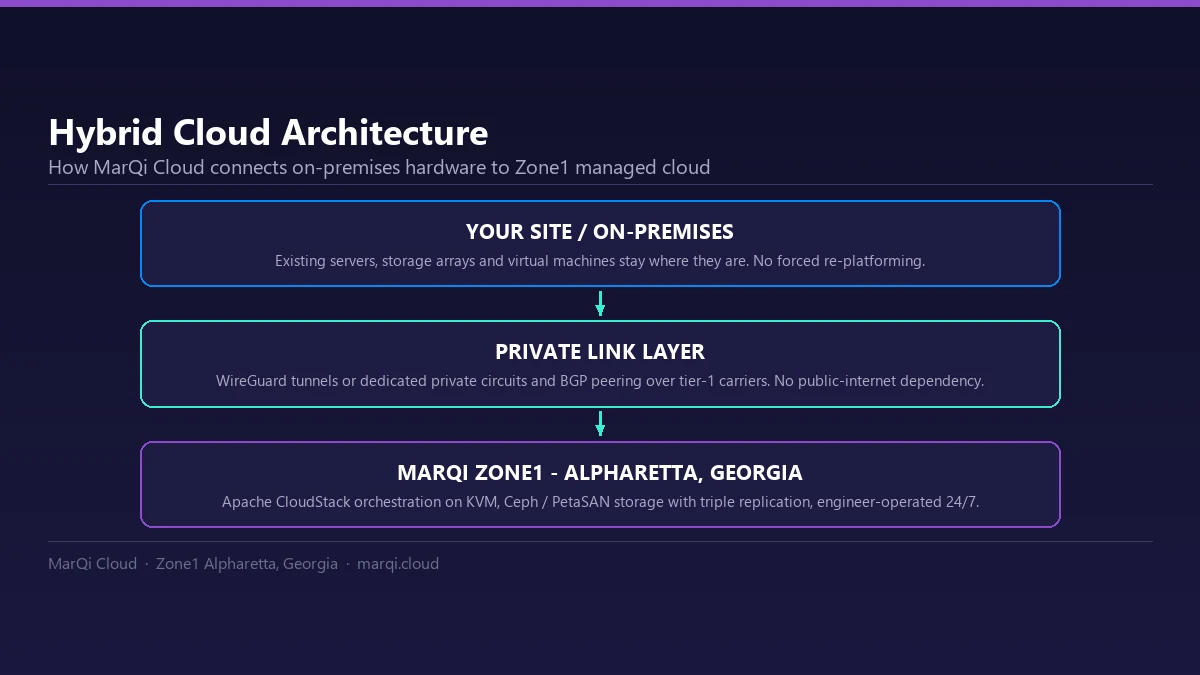
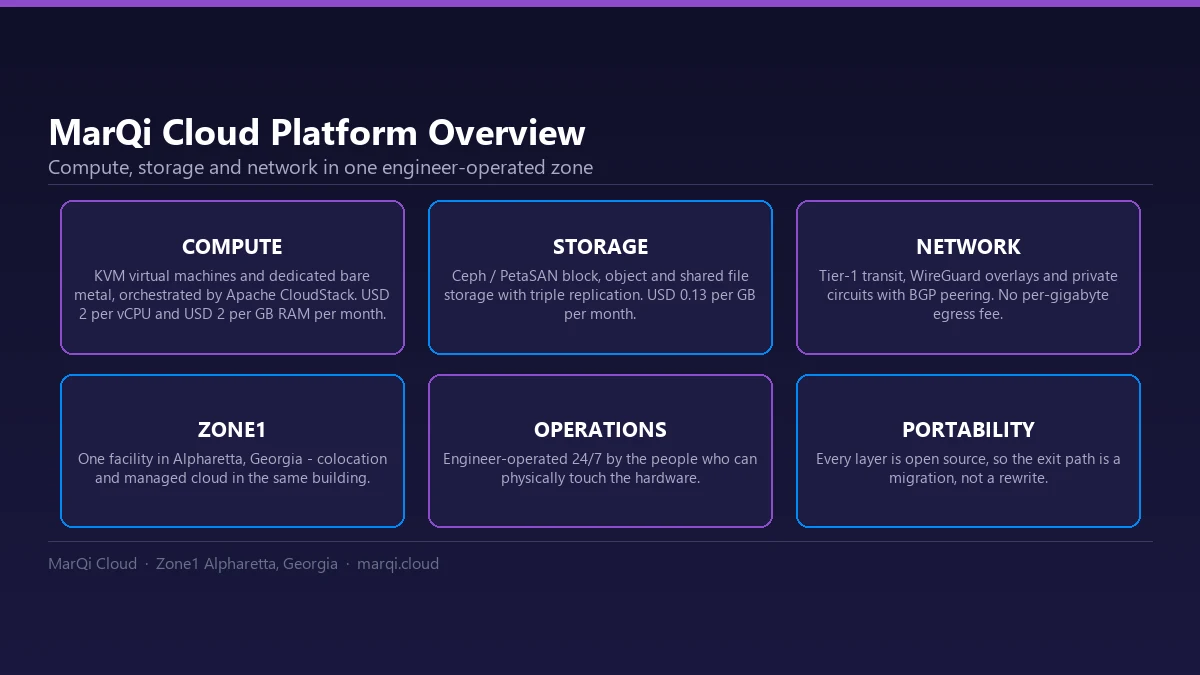
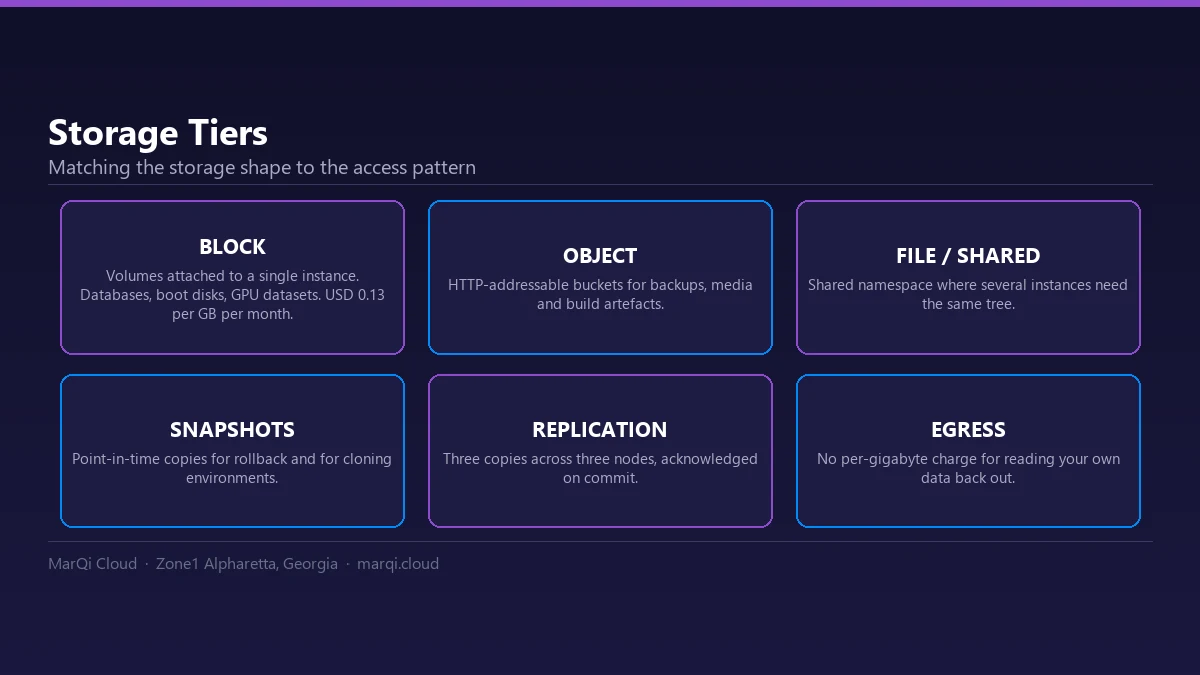
Incorporating cloud solutions into your disaster recovery strategy can enhance flexibility and scalability. Solutions offered by MarQi Cloud provide enterprise-grade infrastructure that supports hybrid cloud deployments, ensuring that your data is secure and accessible across multiple sites. Key benefits of cloud-based disaster recovery include:
- Scalability: Easily scale resources up or down based on demand, enabling businesses to adjust their DR strategies as needed.
- Cost Efficiency: Reduce costs associated with maintaining on-site backup systems by utilizing cloud storage solutions.
- Geographic Redundancy: Store data in multiple locations to protect against regional disasters, ensuring that operations can continue even if one site is compromised.
Expert Tips for Effective Disaster Recovery
Here are additional expert tips to enhance your disaster recovery strategy:
- Incorporate Automation: Leverage automation tools to streamline recovery processes and reduce human error.
- Invest in Training: Ensure that all employees are trained on the disaster recovery plan and their specific roles within it.
- Conduct Post-Mortem Analyses: After any incident, conduct a thorough review to identify what worked, what didn’t, and how to improve future responses.
FAQ
What is a disaster recovery strategy?
A disaster recovery strategy is a comprehensive plan that outlines the processes and procedures an organization uses to recover from disruptive events and restore normal operations.
Why is disaster recovery important for multi-site enterprises?
Disaster recovery is crucial for multi-site enterprises to ensure business continuity, protect data, manage reputation, and reduce potential losses associated with disruptions.
What are RTO and RPO in disaster recovery?
Recovery Time Objective (RTO) is the maximum acceptable amount of time to restore systems after a disaster, while Recovery Point Objective (RPO) is the maximum acceptable amount of data loss measured in time.
How often should a disaster recovery plan be tested?
Disaster recovery plans should be tested regularly, typically at least annually, or after any significant changes to the IT environment or business operations.
What are the key components of a disaster recovery plan?
Key components include risk assessment, business impact analysis, recovery procedures, roles and responsibilities, and a communication plan.
How can cloud solutions enhance disaster recovery?
Cloud solutions provide scalability, cost efficiency, and geographic redundancy, making it easier to recover data and systems across multiple sites.
What types of disasters should be considered in a disaster recovery plan?
Consider natural disasters (e.g., floods, earthquakes), technical failures (e.g., hardware malfunctions), and human threats (e.g., cyberattacks).
How can MarQi Cloud assist with disaster recovery?
MarQi Cloud offers enterprise-grade cloud infrastructure, hybrid cloud solutions, and secure hosting environments that enhance disaster recovery capabilities for multi-site enterprises.