Secure Hybrid Cloud Architecture for Financial Services in the US
March 9, 2026
Dedicated GPU Hosting in Atlanta: Why Local Infrastructure Matters
March 10, 2026
Education & EdTech: Hosting Student Data Securely in the USA
In an age where technology is deeply integrated into the fabric of education, the importance of secure data hosting has never been more critical. As educational institutions and EdTech companies increasingly rely on digital platforms to manage student information, ensuring the security and privacy of this sensitive data is paramount. This article explores the essential aspects of hosting student data securely in the USA, the various challenges faced, and how MarQi Cloud can provide enterprise-grade cloud infrastructure solutions tailored for educational needs.
The Importance of Data Security in Education
Education is undergoing a transformative shift with the rise of technology. Learning management systems, online courses, and digital assessments are becoming commonplace. However, with this shift comes the responsibility of safeguarding student data—from personal identification information to academic records. A breach in data security can lead to severe consequences, including identity theft, loss of trust, and potential legal ramifications for educational institutions.
Understanding the Risks
Educational institutions face various risks when it comes to data security:
- Cyberattacks: Hackers often target educational institutions due to their valuable data. Ransomware attacks can lock institutions out of their systems, demanding payment to regain access.
- Data Breaches: Unauthorized access to student information can occur through insecure networks or insufficient security measures.
- Compliance Issues: Institutions must comply with regulations like FERPA (Family Educational Rights and Privacy Act) to protect student privacy. Non-compliance can lead to fines and loss of federal funding.
Key Components of Secure Data Hosting
To ensure that student data is hosted securely, several critical components must be taken into account:
1. Enterprise-Grade Cloud Infrastructure
Utilizing enterprise-grade cloud infrastructure provides robust security features such as encryption, access controls, and regular security updates. MarQi Cloud offers a state-of-the-art infrastructure designed to meet the highest standards of data protection.
2. Hybrid Cloud Deployment Models
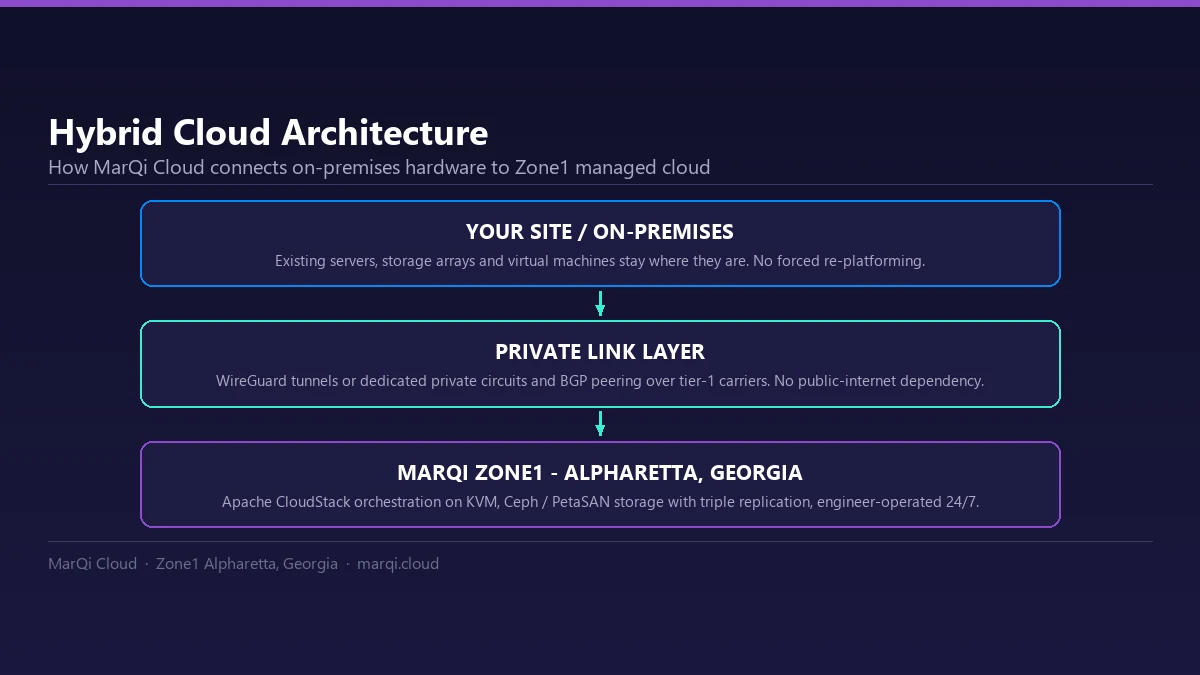
With hybrid cloud deployment, educational institutions can store sensitive data on private clouds while leveraging the scalability of public clouds for other non-sensitive operations. This model ensures that critical student data remains secure while allowing for flexibility and growth.
3. Private and Secure Hosting Environments
Creating a private hosting environment ensures that only authorized personnel have access to sensitive student data. MarQi Cloud’s private hosting solutions offer a dedicated space for institutions, enhancing data security.
4. Scalable Compute and Storage Resources
Educational institutions often experience fluctuating demands, especially during peak enrollment periods. Scalable resources allow institutions to adjust their storage and computing power as needed without compromising security.
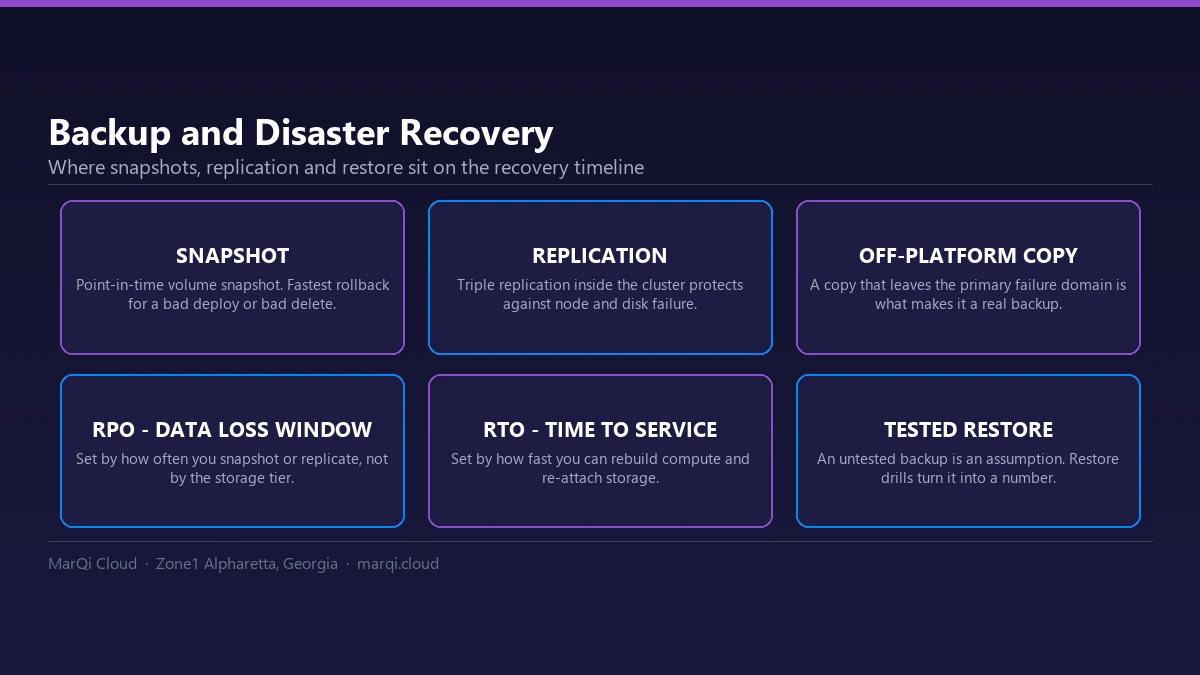
5. Business Continuity and Disaster Recovery Solutions
In the event of a data breach or natural disaster, having a robust disaster recovery plan is essential. MarQi Cloud provides business continuity solutions that ensure institutions can recover quickly and minimize downtime, preserving access to crucial data.
6. Performance-Driven Infrastructure Design
A performance-driven infrastructure ensures that educational platforms run smoothly, providing a seamless experience for both students and educators. This also plays a role in maintaining security, as slower systems can lead to vulnerabilities.
7. US-Based Infrastructure and Support
Choosing a provider with US-based infrastructure ensures compliance with local regulations and provides quick access to support personnel who understand the unique challenges faced by educational institutions.
8. Flexible Pricing Models
Budget constraints are a reality for many educational institutions. Flexible pricing models allow schools and universities to find a solution that meets their needs without overspending.
Best Practices for Educational Institutions
To complement the technical solutions, educational institutions should adopt best practices in data security:
1. Regular Training and Awareness Programs
Staff and students should receive regular training on data security practices, including how to recognize phishing attempts and secure their accounts.
2. Data Encryption
Ensuring that all sensitive data is encrypted both in transit and at rest adds an additional layer of protection against unauthorized access.
3. Multi-Factor Authentication (MFA)
Implementing MFA ensures that even if a password is compromised, unauthorized access to sensitive data is still prevented.
4. Regular Security Audits
Conducting regular security audits can help identify vulnerabilities within the system and address them proactively.
5. Incident Response Plan
Having a clear incident response plan can help institutions respond quickly and effectively in the event of a data breach.
Conclusion
As the educational landscape continues to evolve with technology, the need for secure data hosting becomes ever more critical. By leveraging enterprise-grade solutions like those offered by MarQi Cloud, educational institutions can ensure that they protect their students’ data while benefiting from scalable, efficient, and compliant cloud services. The combination of robust infrastructure, best practices, and a proactive approach can help educational institutions navigate the complex world of data security, ensuring that they maintain the trust of students and parents alike.
FAQ
1. What is student data, and why is it important to secure it?
Student data includes personal information, academic records, and other sensitive data. Securing this information is crucial to protect students’ privacy and comply with legal regulations.
2. What regulations govern student data security in the USA?
FERPA (Family Educational Rights and Privacy Act) is a key regulation that governs student data privacy in the USA, alongside various state laws.
3. How can educational institutions ensure compliance with data protection laws?
They can implement robust data protection measures, conduct regular audits, and provide training to staff and students on security best practices.
4. What are the benefits of using a hybrid cloud model for educational institutions?
A hybrid cloud model allows institutions to keep sensitive data secure on private clouds while benefiting from the scalability and flexibility of public clouds for other operations.
5. How does MarQi Cloud ensure the security of hosted student data?
MarQi Cloud employs enterprise-grade infrastructure, encryption, access controls, and regular security updates to ensure the security of hosted data.
6. What are the common threats to student data security?
Common threats include cyberattacks, data breaches, and insider threats, all of which can compromise sensitive student information.
7. What role does encryption play in data security?
Encryption protects data by converting it into a coded format that can only be read by authorized users, thus safeguarding it from unauthorized access.
8. How can educational institutions recover from a data breach?
Having a comprehensive incident response plan and disaster recovery solutions in place can help institutions recover quickly from data breaches and minimize damage.
9. What is multi-factor authentication, and why is it important?
Multi-factor authentication adds an extra layer of security by requiring users to provide two or more verification factors to gain access, making it harder for unauthorized individuals to access sensitive data.
10. Why should institutions consider using US-based infrastructure for hosting student data?
US-based infrastructure ensures compliance with local data protection regulations and offers quicker access to support services familiar with the specific needs of educational institutions.