Legal Firms & Compliance: Secure Document Hosting in the USA
March 9, 2026Education & EdTech: Hosting Student Data Securely in the USA
March 9, 2026
Secure Hybrid Cloud Architecture for Financial Services in the US
In today’s digital landscape, the financial services industry faces unprecedented challenges and opportunities. With the rapid evolution of technology, financial institutions are increasingly turning to hybrid cloud architectures to enhance their operational capabilities. This article explores the significance of secure hybrid cloud architecture specifically for US workloads within the financial services sector.
Understanding Hybrid Cloud Architecture
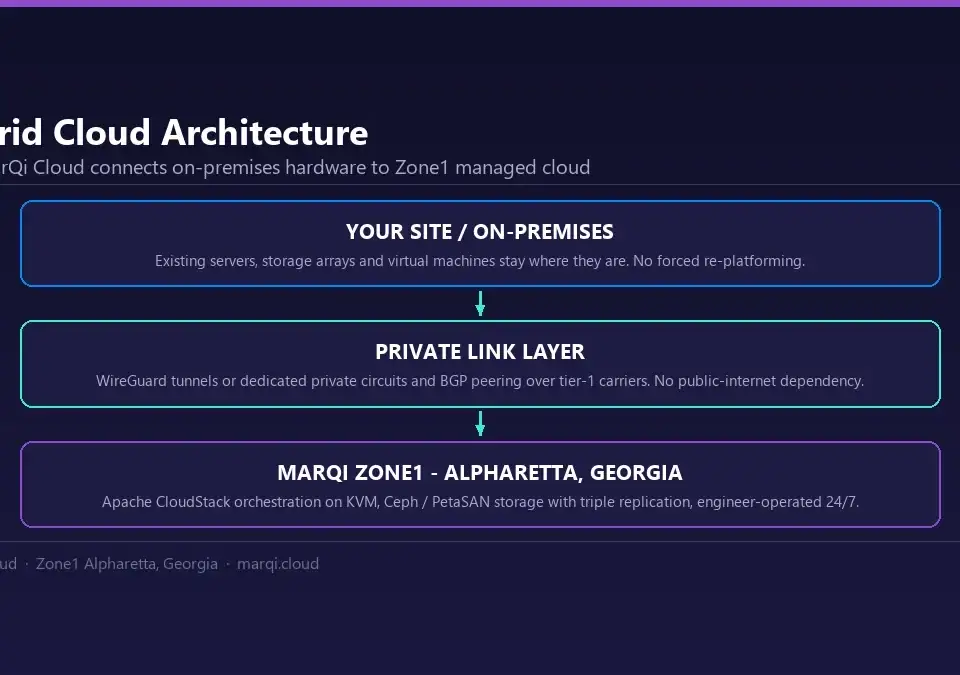
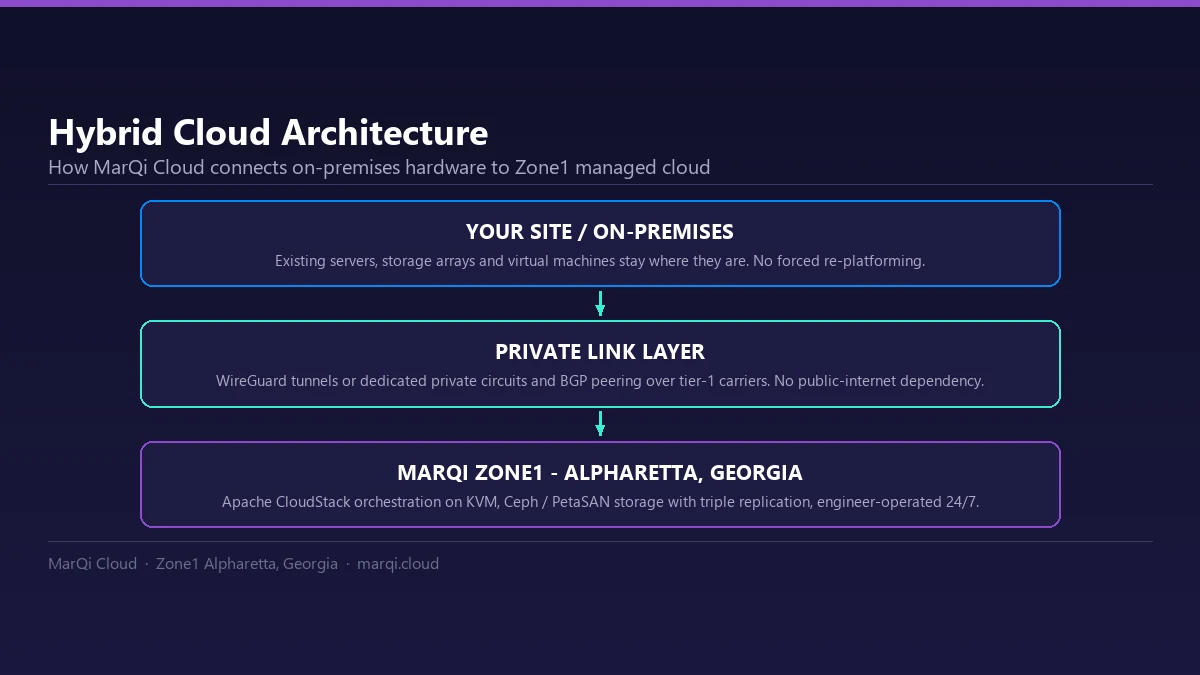
Hybrid cloud architecture combines on-premises infrastructure with public and private cloud services. This approach allows organizations to leverage the benefits of both environments, providing flexibility, scalability, and enhanced security.
The Components of Hybrid Cloud
A robust hybrid cloud architecture consists of several key components:
- Private Cloud: A secure, dedicated environment that hosts sensitive data and applications.
- Public Cloud: A shared resource pool that offers scalability and cost-effectiveness for non-sensitive workloads.
- On-Premises Infrastructure: Existing physical servers and storage systems that can be integrated into the hybrid model.
- Management Tools: Software solutions that facilitate seamless integration and management of both environments.
The Importance of Security in Financial Services
Security is paramount in the financial services sector due to the sensitive nature of the data involved. Financial institutions handle vast amounts of personal and financial information, making them prime targets for cyberattacks. Therefore, implementing a secure hybrid cloud architecture is essential for protecting this data.
Key Security Considerations
To ensure the security of workloads in a hybrid cloud environment, financial institutions should focus on the following aspects:
- Data Encryption: Encrypting data at rest and in transit is crucial to prevent unauthorized access.
- Access Controls: Implementing strict access controls and authentication measures helps safeguard sensitive information.
- Compliance: Adhering to industry regulations such as PCI DSS and GDPR is essential for maintaining trust and avoiding penalties.
- Regular Audits: Conducting regular security audits and assessments can identify vulnerabilities and enhance overall security posture.
Benefits of Hybrid Cloud for Financial Services
Adopting a hybrid cloud approach offers numerous advantages for financial institutions:
1. Enhanced Flexibility
Hybrid cloud environments allow organizations to quickly adapt to changing business needs. They can scale resources up or down based on demand, ensuring optimal performance during peak periods.
2. Cost Efficiency
By utilizing public cloud resources for non-sensitive workloads, financial institutions can reduce their overall operational costs. This flexible pricing model enables them to pay for only what they use.
3. Improved Disaster Recovery
Hybrid cloud architecture enhances business continuity by providing robust disaster recovery solutions. In the event of a system failure, organizations can quickly restore operations using backup resources in the cloud.
4. Performance Optimization
With a performance-driven infrastructure design, hybrid cloud solutions can optimize application performance, ensuring faster transaction processing and improved user experiences.
Implementing a Secure Hybrid Cloud Strategy
To successfully implement a secure hybrid cloud architecture, financial services organizations should follow these steps:
1. Assess Current Infrastructure
Begin by evaluating existing IT infrastructure to determine what can be migrated to the cloud. Identify sensitive workloads that require a private cloud environment.
2. Choose the Right Cloud Provider
Select a cloud provider that specializes in financial services and offers enterprise-grade infrastructure, compliance certifications, and robust security measures.
3. Develop a Migration Plan
Create a comprehensive migration strategy that outlines the steps for transferring workloads to the hybrid cloud while minimizing disruptions to business operations.
4. Train Staff
Ensure that IT staff are well-trained in managing hybrid cloud environments and understand the importance of security protocols.
5. Monitor and Optimize
Continuously monitor cloud performance and security, making adjustments as necessary to optimize resource allocation and address any vulnerabilities.
Conclusion
As the financial services industry embraces digital transformation, secure hybrid cloud architecture emerges as a critical component for success. By leveraging the flexibility, scalability, and security of hybrid cloud solutions, financial institutions can enhance their operational efficiency while safeguarding sensitive data. As organizations navigate this transition, partnering with a trusted cloud provider like MarQi Cloud can make all the difference in achieving a secure and efficient hybrid cloud environment.
FAQ Section
1. What is hybrid cloud architecture?
Hybrid cloud architecture combines on-premises infrastructure with public and private cloud services, enabling flexibility and scalability.
2. How does hybrid cloud benefit financial services?
It offers enhanced flexibility, cost efficiency, improved disaster recovery, and performance optimization for financial workloads.
3. What security measures are essential for hybrid cloud in financial services?
Data encryption, access controls, compliance adherence, and regular security audits are crucial for safeguarding sensitive information.
4. How can organizations ensure compliance in a hybrid cloud environment?
By understanding relevant regulations and working with cloud providers that meet compliance standards, organizations can ensure adherence.
5. What role does data encryption play in hybrid cloud security?
Data encryption protects sensitive information by making it unreadable to unauthorized users, both at rest and in transit.
6. Can hybrid cloud improve disaster recovery for financial institutions?
Yes, hybrid cloud solutions provide robust disaster recovery options, allowing organizations to quickly restore operations after disruptions.
7. What should be included in a hybrid cloud migration plan?
A migration plan should outline the assessment of current infrastructure, selection of cloud providers, migration steps, and staff training.
8. How can organizations optimize performance in a hybrid cloud?
By continuously monitoring cloud performance and adjusting resources based on demand, organizations can optimize their hybrid cloud infrastructure.
9. What are the cost benefits of using a hybrid cloud model?
Hybrid cloud models allow organizations to utilize public resources for cost-effective operations, paying only for what they need.
10. Why is partnering with a cloud provider important?
A trusted cloud provider offers expertise, robust security measures, and compliance support, essential for successful hybrid cloud implementation.