The Complete Guide to Cloud Provider Selection Criteria for Enterprise IT Decisions
September 4, 2026
How Cloud Provider SLA Transparency Reflects Infrastructure Quality
September 5, 2026
Why Asking About Egress Fees Reveals a Cloud Provider’s True Business Priorities
In the rapidly evolving landscape of cloud computing, understanding the nuances of pricing structures is paramount for businesses looking to optimize their cloud strategies. One crucial aspect that often goes overlooked is egress fees. These charges, applied when data is transferred out of a cloud provider’s network, can significantly impact your overall cloud expenditure. Therefore, when evaluating potential cloud providers, asking about egress fees can reveal much more than just cost; it unveils the provider’s business priorities and their commitment to customer satisfaction. In this article, we will explore why egress fees matter, how they reflect a provider’s ethos, and what to consider when choosing the right cloud provider for your enterprise.
What Are Egress Fees?
Egress fees are charges imposed by cloud service providers when data is moved out of their network. This can occur during tasks such as transferring files to another cloud service, downloading data to on-premises storage, or even sharing data with external partners. Egress fees can vary widely between providers and may be structured based on data volume, geographic location, or the specific services used. Understanding these fees is essential for any organization considering cloud solutions, as they can significantly affect overall costs.
Why Egress Fees Matter
1. Cost Transparency: Egress fees are a critical component of the total cost of ownership for cloud services. Many providers advertise competitive pricing for their services but may impose high egress charges that can lead to unexpected expenses. This lack of transparency can hinder budget planning and financial forecasting.
2. Vendor Lock-in: Providers with high egress fees may create a scenario where customers feel locked into their services. The fear of incurring high costs to transfer data out can discourage businesses from switching providers, even if better options exist. This is contrary to the ethos of flexibility and scalability that cloud computing promises.
3. Customer-Centric Approach: A cloud provider that prioritizes customer needs will typically adopt a transparent pricing model that minimizes or eliminates egress fees. This approach signals a commitment to customer satisfaction and long-term partnerships.
Understanding Cloud Provider Priorities
When evaluating a cloud provider, understanding their business priorities can provide insight into their overall approach to customer service and pricing. Here are some considerations:
- Commitment to Transparency: Providers that openly disclose their egress fee structure are often more trustworthy. They demonstrate a commitment to transparency, which can be indicative of their overall business ethics.
- Flexibility in Pricing Models: A provider that offers flexible pricing models, including options with no egress fees, shows a willingness to adapt to customer needs. This flexibility can be crucial for businesses with fluctuating data transfer requirements.
- Focus on Customer Success: Providers that prioritize customer success will typically invest in technologies and services that minimize data transfer costs. This includes offering solutions that reduce the need for frequent data egress.
The Impact of Egress Fees on Businesses
Egress fees can have significant implications for businesses, especially those that rely heavily on data transfer. For example:
- Budget Constraints: Unexpected egress fees can strain budgets, particularly for small and mid-sized enterprises. These organizations may struggle to absorb high costs associated with data movement.
- Operational Efficiency: High egress fees can deter businesses from optimizing their cloud architectures. Companies may hesitate to implement data-intensive applications or migrate workloads to different environments due to potential costs.
- Strategic Decisions: The structure of egress fees can influence strategic decisions about cloud adoption, data storage, and application deployment. Organizations may choose to remain with a less optimal provider simply to avoid high data transfer costs.
How to Evaluate Cloud Providers
When assessing cloud providers, consider the following steps:
- Analyze Pricing Models: Request detailed pricing information, including any egress fees. Compare these costs with other providers to gauge competitiveness.
- Ask Key Questions: Inquire specifically about egress fees during the evaluation process. Questions to consider include:
- What are the egress fees for different data transfer volumes?
- Are there any scenarios where egress fees might be waived?
- How do your egress fees compare with industry standards?
- Review Customer Testimonials: Look for feedback from current customers regarding their experiences with egress fees and overall pricing transparency.
Strategies to Minimize Egress Fees
To effectively manage and minimize egress fees, consider implementing the following strategies:
- Optimize Data Storage: Use data management strategies to store frequently accessed data closer to where it is needed, reducing the need for egress.
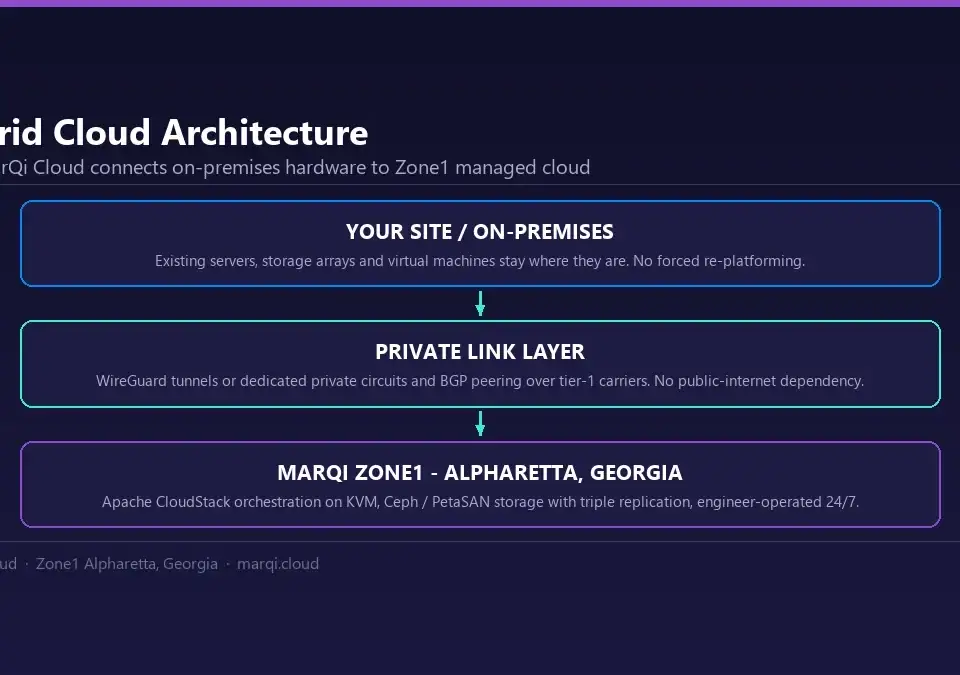
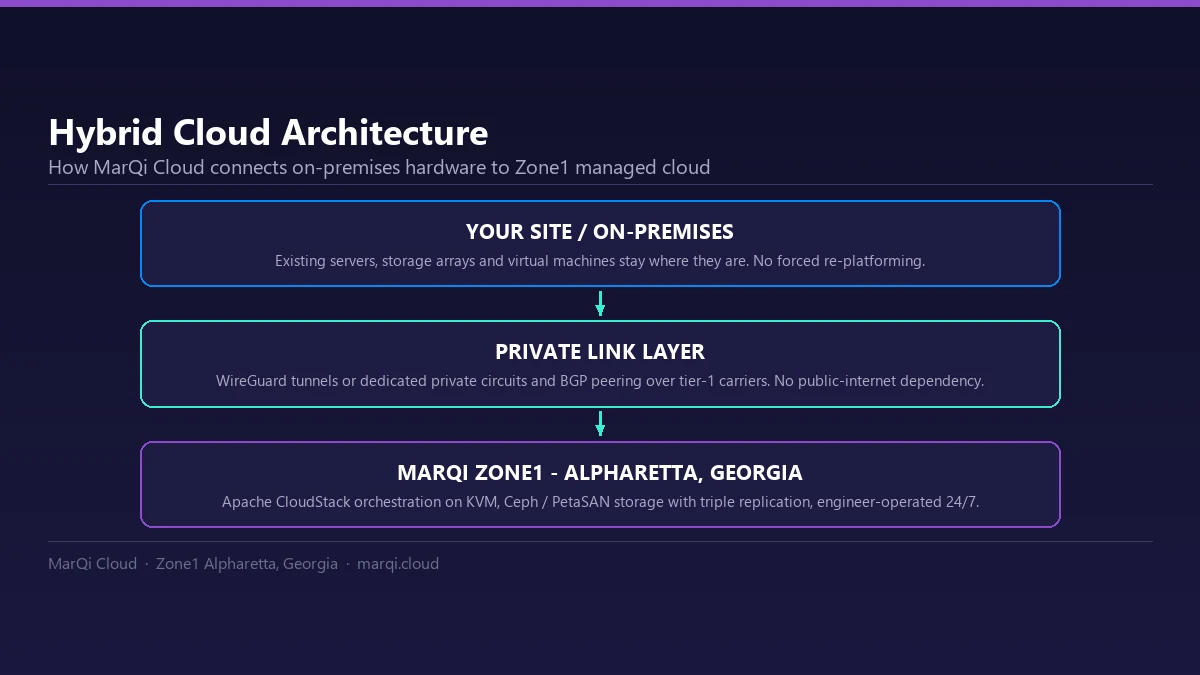
- Leverage Hybrid Cloud Solutions: Consider utilizing hybrid cloud solutions that allow for flexible data storage options, minimizing the movement of data between environments.
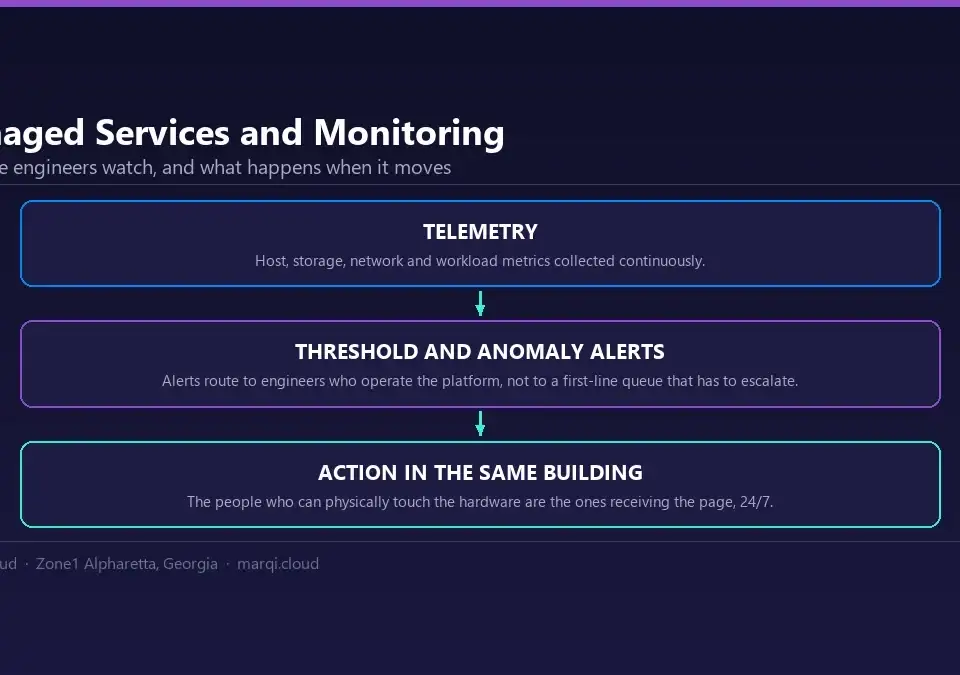
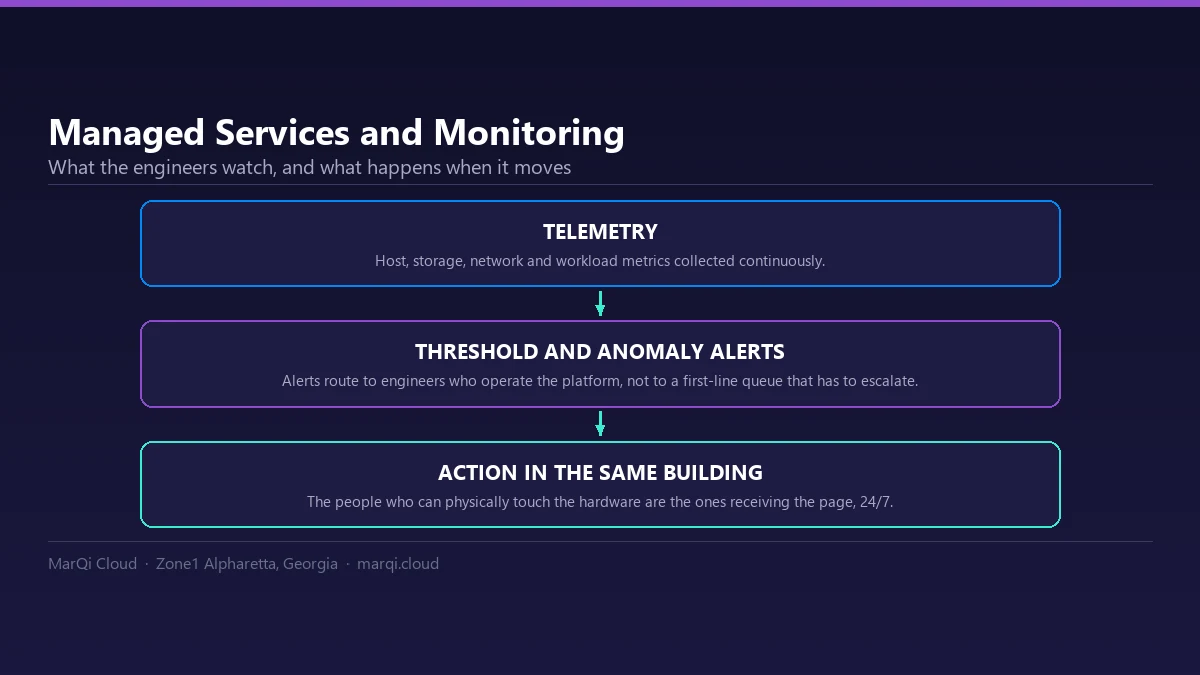
- Evaluate Managed Services: Engaging managed services can help optimize your cloud architecture, potentially reducing unnecessary data transfers. For example, MarQi Cloud offers a range of managed services that can help streamline your data management processes.
Case Studies
To illustrate the impact of egress fees on businesses, consider the following case studies:
| Company | Cloud Provider | Egress Fees (Monthly) | Impact on Budget |
|---|---|---|---|
| Company A | Provider X | $5,000 | Strained budget, reduced project scope |
| Company B | Provider Y | $1,000 | Improved flexibility, ability to invest in growth |
FAQ
What are egress fees?
Egress fees are charges that cloud providers impose when data is transferred out of their network.
Why do cloud providers charge egress fees?
Cloud providers charge egress fees to cover the costs associated with data transfer, including bandwidth and infrastructure.
How can I minimize egress fees?
You can minimize egress fees by optimizing data storage, leveraging hybrid cloud solutions, and engaging managed services.
What should I ask a cloud provider about egress fees?
Inquire about the pricing structure, potential waivers, and comparisons with industry standards.
Do all cloud providers charge egress fees?
No, some cloud providers, like MarQi Cloud, offer pricing models that minimize or eliminate egress fees.
How do egress fees impact my overall cloud costs?
Egress fees can significantly increase your total cloud expenses, affecting budget planning and operational efficiency.
Can egress fees affect vendor lock-in?
Yes, high egress fees can discourage businesses from switching providers, creating a sense of vendor lock-in.
Why is it important to understand egress fees?
Understanding egress fees is crucial for cost transparency, operational efficiency, and making informed decisions about cloud strategies.
What are some examples of companies with high egress fees?
Many major cloud providers have varying egress fee structures; it’s essential to compare these when evaluating options.
How can MarQi Cloud help with egress fees?
MarQi Cloud offers flexible pricing models with no egress fees, ensuring cost-effective cloud solutions for businesses.
What are the benefits of choosing a provider with no egress fees?
No egress fees can lead to significant savings, increased flexibility, and a more straightforward budgeting process.
How do I know if a cloud provider is trustworthy?
Look for transparency in pricing, positive customer testimonials, and a commitment to customer success.
What are the long-term implications of high egress fees?
High egress fees may limit your ability to innovate and scale, ultimately hindering business growth.
Conclusion
Asking about egress fees is not merely a cost-related inquiry; it’s a window into a cloud provider’s business priorities and commitment to customer success. By understanding the implications of egress fees and evaluating providers based on their approach to these charges, businesses can make informed decisions that align with their strategic goals. Choosing a cloud provider like MarQi Cloud, which prioritizes transparent pricing and customer satisfaction, can lead to enhanced operational efficiency and significant cost savings. To learn more about how MarQi Cloud can support your enterprise’s cloud needs, contact us today.