Ultimate Guide: Evaluating Your Cloud Provider for Long-Term Success
September 4, 2026
Why Egress Fees Matter: Insights into Cloud Provider Priorities
September 4, 2026
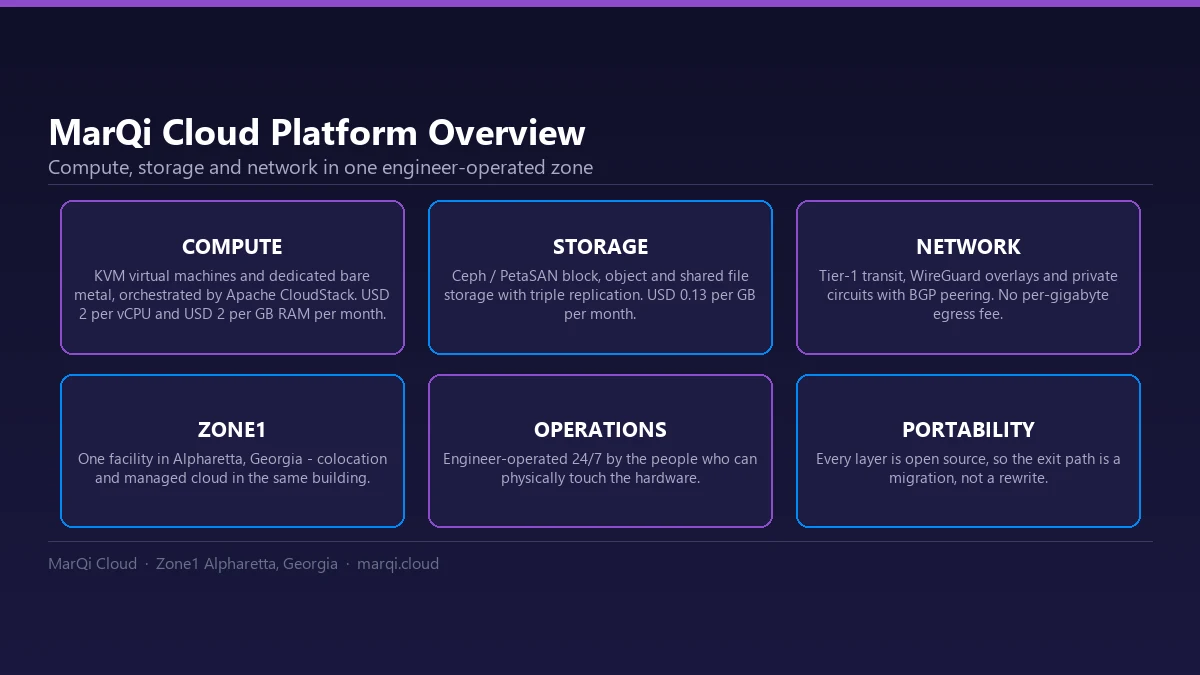
The Complete Guide to Cloud Provider Selection Criteria for Enterprise IT Decisions
In today’s digital landscape, choosing the right cloud provider is a critical decision for enterprise IT departments. With a myriad of options available, understanding the key selection criteria is essential for ensuring that your organization not only meets its current needs but also scales effectively for future growth. In this comprehensive guide, we will explore the fundamental criteria for selecting a cloud provider, emphasizing the importance of security, scalability, compliance, and support. By the end of this article, you will have a clear framework to make informed decisions about cloud infrastructure that align with your business objectives.
Understanding Cloud Provider Types
Before diving into the selection criteria, it’s essential to understand the types of cloud providers available. The primary categories include:
- Public Cloud: Services offered over the public internet and shared across multiple organizations. Providers such as Amazon Web Services (AWS) and Microsoft Azure fall into this category.
- Private Cloud: Dedicated infrastructure for a single organization, providing enhanced security and control. This model is often used by enterprises with strict compliance requirements.
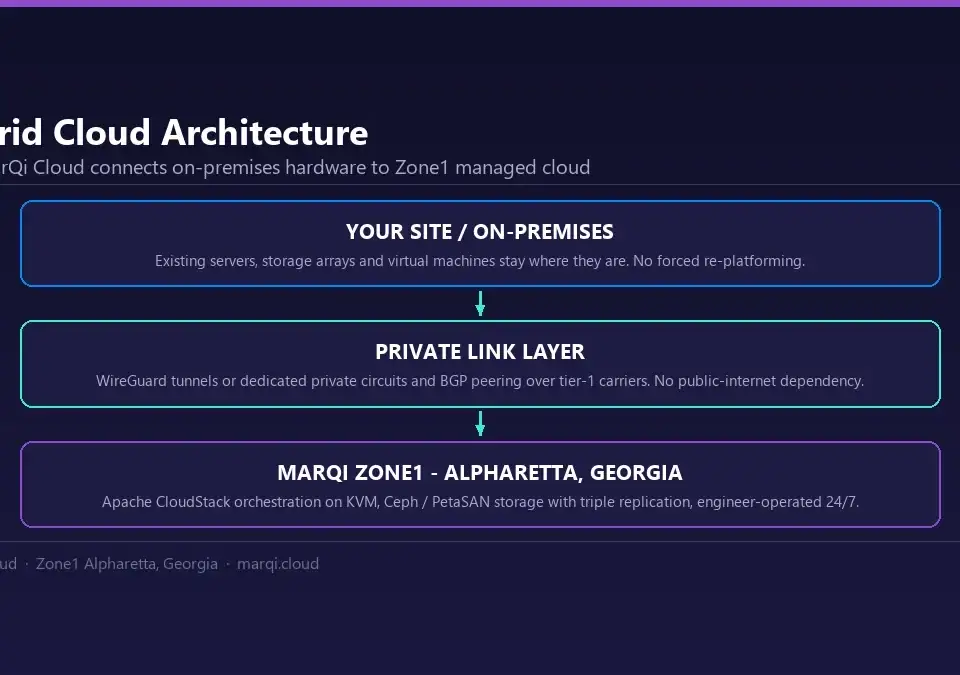
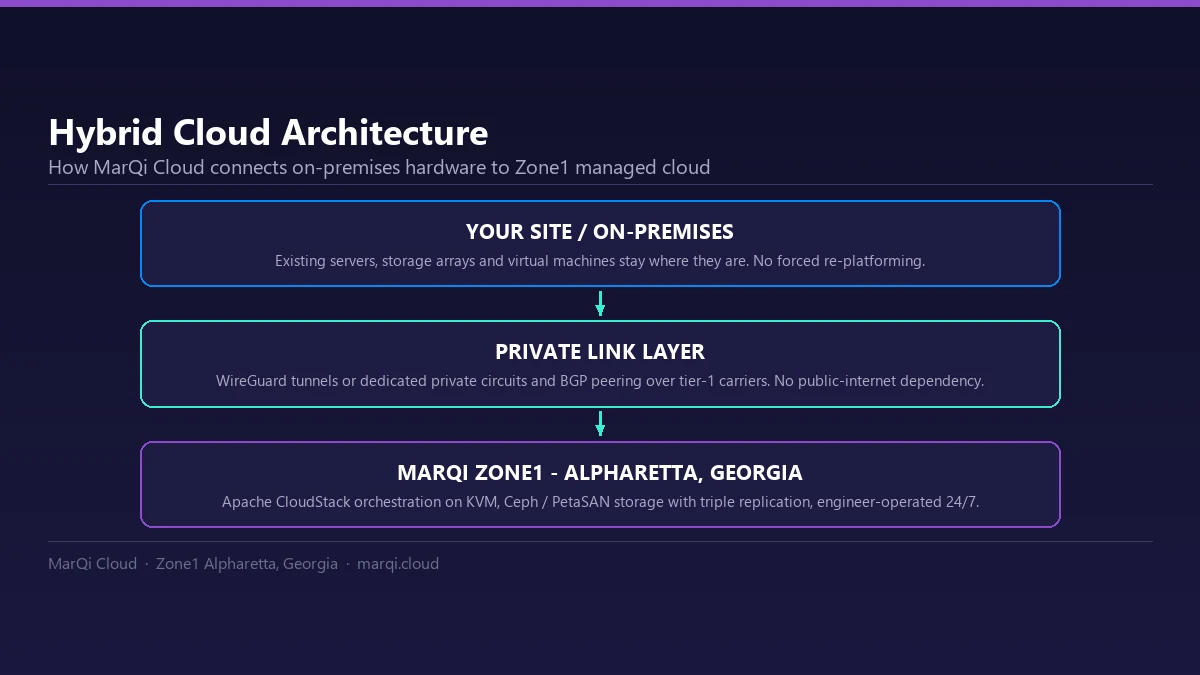
- Hybrid Cloud: A combination of public and private clouds, allowing organizations to leverage the benefits of both. This model is ideal for businesses looking for flexibility and scalability.
- Multi-Cloud: Utilizing services from multiple cloud providers to avoid vendor lock-in and enhance redundancy.
Understanding these types will help you evaluate which model aligns best with your business goals and IT strategy.
Key Selection Criteria
When selecting a cloud provider, consider the following key criteria:
1. Security and Compliance
Security is paramount when selecting a cloud provider. Ensure that the provider adheres to industry standards and regulations, such as GDPR, HIPAA, and PCI-DSS. Evaluating their security measures includes:
- Data Encryption: Ensure that data at rest and in transit is encrypted.
- Access Control: Look for robust identity and access management (IAM) systems.
- Compliance Certifications: Verify the cloud provider’s compliance with relevant certifications.
For more insights on security, refer to our article on how MarQi Cloud handles disaster recovery.
2. Scalability and Performance
Scalability is crucial for enterprises as they grow. Assess the provider’s ability to scale resources up or down based on demand. Key considerations include:
- Elasticity: The ability to automatically adjust resources based on workload demands.
- Performance Metrics: Evaluate the provider’s uptime guarantees and latency performance.
- Resource Management: Look for tools that simplify scaling operations.
For a deeper understanding of how scalability can impact your operations, check out our post on how startups scale on MarQi Cloud.
3. Cost Structure
Understanding the cost structure of cloud services is vital for budgeting. Consider the following:
- Pricing Models: Assess whether the provider offers pay-as-you-go, reserved instances, or subscription pricing.
- Hidden Costs: Be aware of potential egress fees, data transfer costs, and other hidden charges.
- Cost Management Tools: Look for tools that help monitor and optimize cloud spending.
4. Support and Service Levels
Quality support is essential for minimizing downtime and ensuring smooth operations. Evaluate the provider’s support offerings, including:
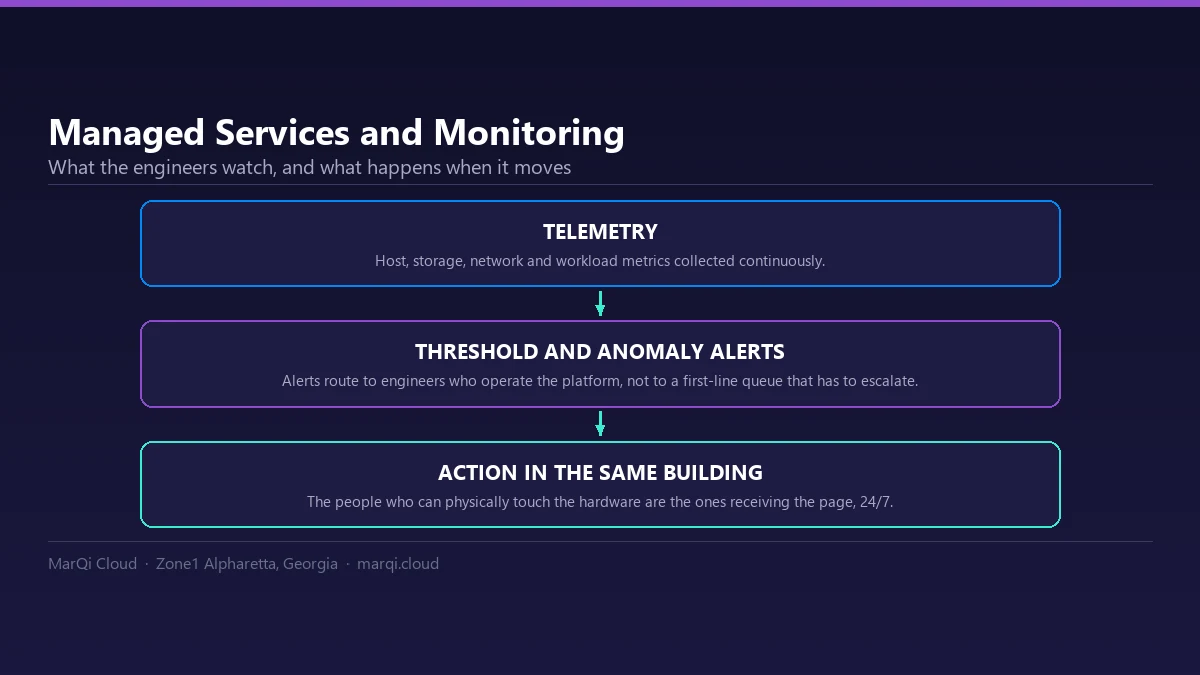
- 24/7 Support: Availability of round-the-clock assistance.
- Service Level Agreements (SLAs): Review SLAs for uptime guarantees and response times.
- Expertise: Consider the provider’s industry experience and technical support capabilities.
5. Innovation and Technology Stack
Evaluate the provider’s technology stack and commitment to innovation. This includes:
- Integration Capabilities: Ensure the cloud provider supports integration with existing systems and third-party applications.
- Emerging Technologies: Look for providers incorporating AI, machine learning, and other advanced technologies into their offerings.
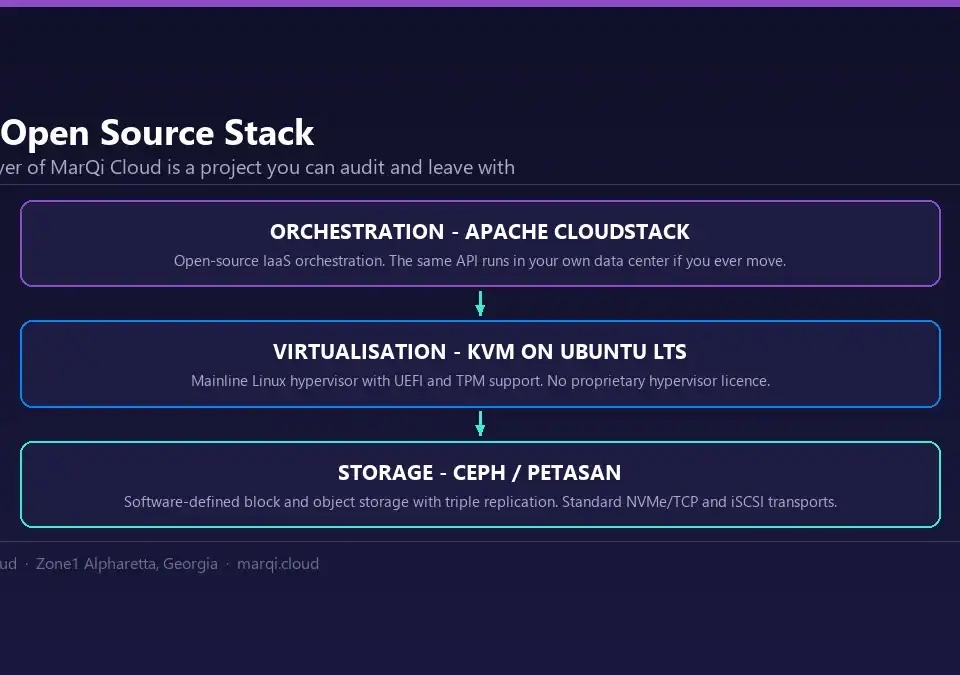
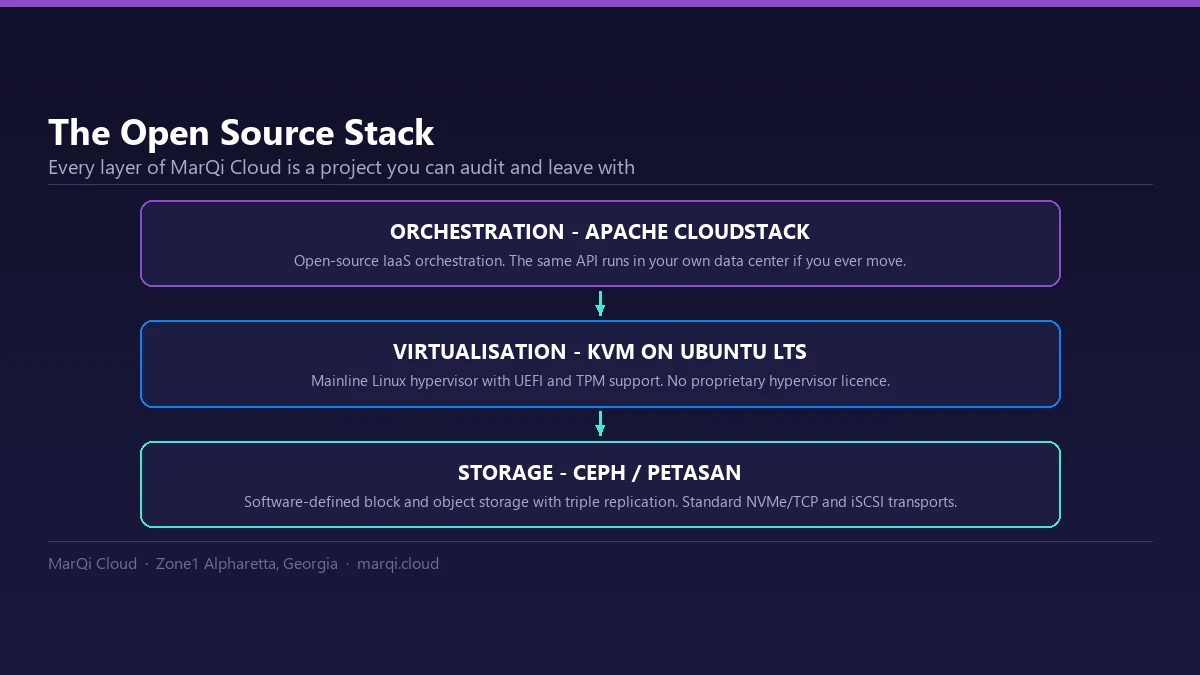
- Open Source Solutions: Consider providers that offer open-source solutions for better transparency and flexibility.
Case Studies
To illustrate the impact of selecting the right cloud provider, let’s examine a few case studies:
Case Study 1: Financial Services Firm
A leading financial services firm transitioned to a hybrid cloud model with MarQi Cloud, achieving increased compliance and data security while reducing costs by 30%. The firm leveraged MarQi’s hybrid cloud infrastructure to maintain sensitive data on a private cloud while utilizing public cloud resources for non-sensitive operations.
Case Study 2: Healthcare Organization
A healthcare organization needed to ensure compliance with HIPAA regulations while improving data accessibility. By partnering with MarQi Cloud, they implemented a secure private cloud solution that facilitated secure data hosting and streamlined access for authorized personnel.
Frequently Asked Questions
What factors should I consider when choosing a cloud provider?
Consider security, scalability, cost, support, and compliance with industry regulations.
How can I ensure data security in the cloud?
Look for encryption, access controls, and compliance certifications from your cloud provider.
What is the difference between public and private cloud?
Public clouds are shared resources available to multiple organizations, while private clouds are dedicated to a single organization.
What are the benefits of hybrid cloud solutions?
Hybrid cloud solutions offer flexibility, allowing organizations to scale resources as needed while maintaining sensitive data in a private environment.
How do I assess the cost of cloud services?
Evaluate pricing models, potential hidden fees, and the availability of cost management tools.
What is a Service Level Agreement (SLA)?
An SLA is a contract that outlines the expected service levels and responsibilities between the cloud provider and the customer.
How can I manage cloud spending effectively?
Utilize cost management tools and regularly monitor usage to optimize spending.
What role does compliance play in cloud selection?
Compliance ensures that your cloud provider meets industry regulations, protecting your organization from legal issues.
Conclusion
Selecting the right cloud provider is a pivotal decision for enterprise IT departments. By considering the criteria outlined in this guide—security, scalability, cost structure, support, and innovation—you can make informed choices that align with your organization’s goals. At MarQi Cloud, we pride ourselves on delivering enterprise-grade cloud solutions tailored to meet your unique needs. For more information on how we can help your organization thrive in the cloud, contact us today.